
Improving the Global Atmosphere and Maintaining Atmospheric
Balance by Empowering Power Stations with AI
Xinxin Wu
a
School of Control and Mechanical Engineering, Tianjin Chengjian University, Tianjin, 300384, China
Keywords: AI, Global Climate, Propose, Energy Smart Coordination.
Abstract: Global climate change constitutes a considerable contemporary challenge confronting humanity. The
atmospheric composition is a key factor influencing global climate, and the equilibrium of atmospheric
composition is critical to the stability of the Earth's ecosystems. In view of this, this paper innovatively
proposes the construction of a Global Atmosphere- Energy Smart Coordination System (GAESCS), which
aims to comprehensively cover and monitor the global atmospheric composition in real time, and maintain
the atmospheric balance to improve the climate. At present, the central position of electricity in production
and life is unshakeable, but there is a contradiction between various types of power generation in terms of
efficiency and pollution. Thermal power generation has a high conversion rate but is highly polluting, while
wind and hydropower are clean but inefficient and unstable in supply. This system designed for research can
accurately calculate the average household power consumption and air composition concentration in each
region of the world. This system through intelligently schedules the work of each power station to maximize
the advantages of each power plant and minimize atmospheric pollution. GAESCS can also provide new ideas
to crack the dilemma of energy production and environmental protection, and help global climate governance
and sustainable development.
1 INTRODUCTION
Global climate change has become a serious
challenge to human society, and it has also triggered
a series of ecological problems, such as the
greenhouse effect, sea-level rise, and frequent
extreme weather events. Its core mechanism is
closely related to the dynamics of atmospheric
composition. The atmospheric composition, as the
pivotal element of the Earth's climate system, plays
an important role in global climate regulation. Its
small changes can have a significant impact on the
global climate. Maintaining the stability and balance
of atmospheric composition is therefore crucial to
mitigating global climate change and protecting the
Earth's ecosystem.
Among the many challenges in addressing climate
change, the energy utilization patterns are
undoubtedly one of the key factors. Electric power is
the main form of energy for production and life in
modern societies. It has a direct impact on the quality
of the atmospheric environment due to the quality of
a
https://orcid.org/0009-0006-0465-2016
its production methods. At present, thermal power
generation, hydroelectric power generation, wind
power generation, nuclear power generation, and
other methods of power production coexist. However,
each method of power generation has its own
limitations. Thermal power generation has a high
conversion rate and is widely used globally, but its
high energy loss and pollution levels make it one of
the main sources of greenhouse gas emissions. While
wind and hydroelectric power generation. Although
they are clean and non-polluting, have low
conversion efficiencies and are highly restricted by
natural conditions, making it difficult to meet global
electricity demand on their own. In this contradictory
energy pattern, how to rationally allocate the work of
each power plant and fully leverage the advantages of
each power generation method while minimizing
atmospheric pollution has become an urgent issue.
This study proposes an innovative concept based
on a paradigm shift in technology governance: the
construction of a Global Atmospheric-Energy Smart
Coordination System (GAESCS). The system aims to
Wu, X.
Improving the Global Atmosphere and Maintaining Atmospheric Balance by Empowering Power Stations with AI.
DOI: 10.5220/0014324400004718
Paper published under CC license (CC BY-NC-ND 4.0)
In Proceedings of the 2nd International Conference on Engineering Management, Information Technology and Intelligence (EMITI 2025), pages 175-181
ISBN: 978-989-758-792-4
Proceedings Copyright © 2026 by SCITEPRESS – Science and Technology Publications, Lda.
175

integrate high-precision atmospheric detection
technology, a real-time pollutant monitoring network
and artificial intelligence algorithms. For the
intermittent problem of clean energy, it constructs a
power prediction model based on meteorological
prediction, together with the inter-regional power
dispatch mechanism, to ensure the stability of the
energy supply and the environmental friendliness of
the dual objectives. The system will eventually form
a closed-loop optimization model of ‘ pollution
emission-energy production-load demand’, which
will maximize the comprehensive benefits of meeting
the global power demand with minimal
environmental costs.
This study try to break through the dilemma of
limitation and lag in traditional environmental
governance, and explores a systemic climate solution
based on artificial intelligence. Through considering
the global energy system and the atmospheric
environment as an organic whole, the GAESCS
system is expected to provide a new technological
paradigm for addressing climate change and promote
the transformation of human society into an
environmentally intelligent and synergistic
sustainable development model.
2 TRADITIONAL POWER
GENERATION METHODS - AN
EXAMPLE OF THE IMPACT OF
COAL-BASED POWER
GENERATION
In the global electricity production pattern, coal
power generation occupies an extremely important
position, accounting for as much as 41% of power
generation.
Coal power generation has significant advantages
in terms of energy efficiency, but its impact on the
atmospheric environment should not be
underestimated. Between 2014 and 2017, China's
thermal power industry consumed between 41.66%
and 46.49% of the country's total coal, and the
consequent emissions of SO ₂ , NOx, and smog
accounted for between 14.72% and 36.93% of the
country's anthropogenic emissions, between 20.44%
and 37.69%, and between 7.26% and 13.55% of the
country's anthropogenic emissions, respectively.
37.69% and 7.26% to 13.55% respectively. Although
thermal power still occupies a dominant position in
China's energy structure, the air pollution problem
behind its high efficiency needs to be solved
(Cui,2021).Not only China, but also other countries.
India is the world's fifth-largest power-generating
country. It has a generating capacity of about 210
GW, and the scale of power generation will continue
to expand in the future. Currently, coal power
generation accounts for as much as 66% of India's
power generation, and coal power generation also
occupies a major part of the country's new power
generation capacity planning. According to relevant
information, during the 12th Five-Year Plan period
from 2012 to 2017, India planned to add 76 GW of
coal power generation capacity, while in the 13th
Five-Year Plan period from 2017 to 2022, it planned
to add 93 GW of coal power generation capacity. In
the 13th Five-Year Plan to be implemented between
2017 and 2022, an additional 93 GW of coal-fired
power generation capacity is planned. The various
types of emissions generated during the operation of
coal-fired power plants have serious and wide-
ranging impacts on human health, mainly in terms of
triggering higher mortality and morbidity rates.
The impacts of coal-fired power plants on human
health are severe and widespread. Back in December
2011, India had 111 coal-fired power plants in
operation, with a total capacity of 121 GW. These
coal-fired power plants consume a huge amount of
coal - about 503 million ton - every year. This process
generates a large number of pollutants, including
about 580 ton per annum of particulate matter with a
diameter of less than 2.5 μm, 2,100 ton per annum
of sulfur dioxide (SO2), 2,000 ton per annum of
nitrogen oxides (NOx), 1,100 ton per annum of
carbon monoxide (CO), 100 ton per annum of volatile
organic compounds (VOCs) and 665 million ton of
carbon dioxide (CO2 ) per annum. emissions. The
emission of these pollutants places a heavy burden on
public health. It is estimated that between 2011 and
2012, there were between 80,000 and 115,000
premature deaths and over 20 million cases of asthma
caused by exposure to total PM10 emissions from
coal-fired power plants. The economic cost to the
public and the government of such a serious health
hazard is in the range of Rs. 16,000 to 23,000 crore,
which translates to US$ 3.2 to 4.6 billion. The
greatest health impacts from emissions from coal-
fired power plants are concentrated in Delhi,
Haryana, Maharashtra, Madhya Pradesh,
Chhattisgarh, the Gangetic plains of India, and most
of central and eastern India (Kone, 2017). This shows
that traditional thermal coal power generation is quite
serious in terms of atmospheric pollution, and as a
result, human life and health are seriously
EMITI 2025 - International Conference on Engineering Management, Information Technology and Intelligence
176

endangered. Human beings have also been exploring
and developing green power generation methods.
3 ADVANTAGES OF NEW
GREEN POWER GENERATION
- SOLAR, WIND AND WATER
AS EXAMPLES
Compared with traditional thermal power generation,
solar power generation does not need to rely on
traditional fossil fuels such as coal and oil, and
produces almost no carbon dioxide during the power
generation process. These power generation methods
greatly reduce the emission of air pollutants, greatly
maintain the atmospheric balance, and reduce the
incidence of illnesses caused by air pollution. As a
source of energy, solar energy has significant
advantages: first, solar energy resources are
extremely abundant and sustainable, theoretically not
facing the problem of depletion; second, the
development of solar power generation can reduce the
large-scale exploitation of the Earth's limited
petroleum resources, and help to achieve the
sustainable use of energy and environmental
protection (Wu,2012).
Despite the significant benefits of green
development, there are several limitations and
shortcomings. Some green energy projects require
large amounts of land resources. For example, large-
scale solar power plants and wind farms need to
install equipment over a wide area. It may have
certain impacts on the local ecosystem, such as
destroying wildlife habitats and affecting land use. In
particular, in the field of hydropower development.
Hydroelectricity is more specific in terms of siting
requirements. Because of its dependence on the
conversion of potential and kinetic energy of water
flow, hydropower plants usually need to be built
adjacent to important water systems. When planning
a hydropower project, the stability of the runoff from
the water system must be accurately assessed, and the
carrying capacity of the surrounding ecosystem must
be fully considered to ensure the long-term stable
operation of the power station. The construction of
large reservoir projects may bring many disturbances
to the surrounding ecosystem. For example, changes
in hydrological conditions can affect the habitat of
aquatic organisms in the basin, and land inundation
can destroy terrestrial vegetation communities and
animal habitats. In addition, if the reservoir project
fails to ensure adequate safety performance during the
design and construction phases, in the event of force
majeure natural disasters (e.g., powerful earthquakes,
massive floods, etc.), it may face serious risks such as
dam failure, which can be devastating to the safety of
downstream residents' lives and property, as well as
to the ecological integrity of the region. In addition,
the production process of green energy devices may
also generate a certain amount of environmental
pollution, such as the manufacturing process of solar
photovoltaic panels, which involves heavy metal
pollution and other environmental issues.
Furthermore, due to technological limitations, green
power generation, such as solar and wind power, is
also highly demanding of the natural environment,
and the supply of these energy sources is dependent
on weather conditions, which does not ensure a stable
power output. Some green power generation has high
initial investment costs. For example, the
construction of large-scale solar power plants or wind
farms requires significant capital investment for
equipment procurement, installation and
infrastructure development. According to relevant
studies, the conversion efficiency of solar power is
only 15-25%, and that of wind power is only 30-45%,
while conventional power generation can maintain a
stable 35-45%.
Therefore, the new green power generation cannot
be widely promoted yet and cannot completely
replace traditional power generation. This paper will
also focus on the innovative idea of building a Global
Atmosphere-Energy Smart Cooperative System, or
GAESCS for short.
4 GAESCS DESIGN AND
FUNCTIONS
GAESCS uses a multi-tier architecture design,
including data acquisition layer, data processing
layer, intelligent decision-making layer, and
application service layer, as shown in Figure 1
(He,2025).
Improving the Global Atmosphere and Maintaining Atmospheric Balance by Empowering Power Stations with AI
177
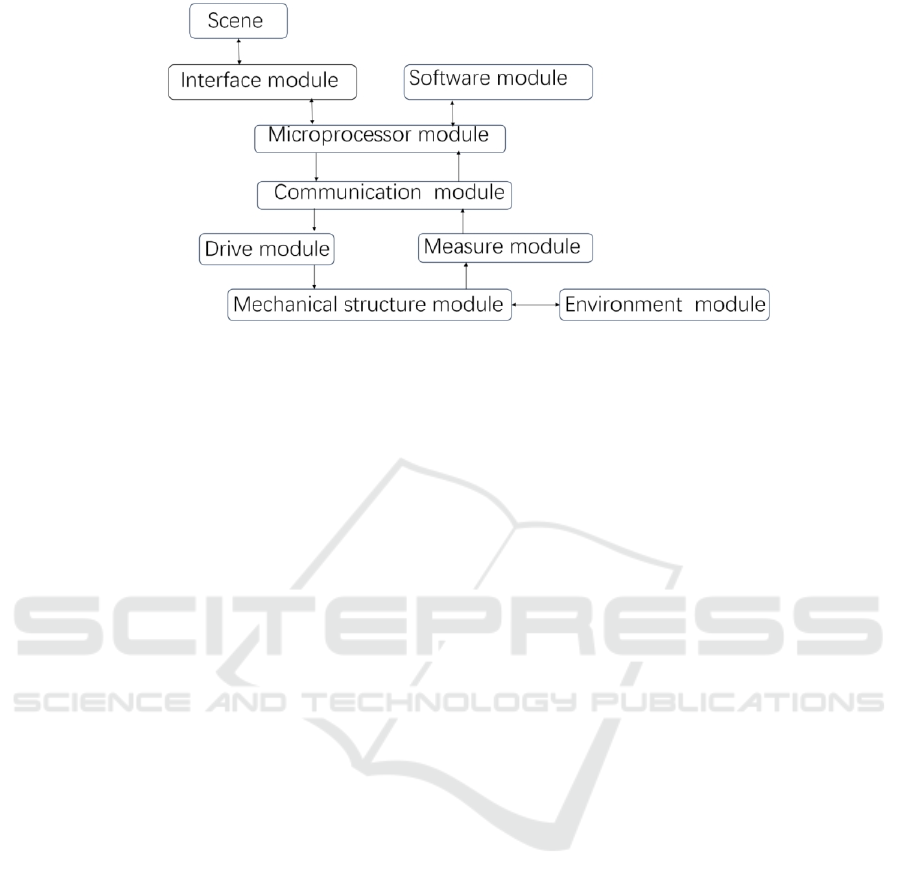
Figure 1: System structure block diagram.
The system will integrate data from multiple
sources, including meteorological satellite data,
ground sensor monitoring data and real-time
monitoring of key parameters such as atmospheric
composition (e.g., carbon dioxide, methane, water
vapour, etc.), temperature, barometric pressure, wind
speed and so on to build a global atmospheric
information database. At the same time, the system
will access the global power production database to
obtain information on the type of power generation,
installed capacity, operational status, emission data,
etc., of each power station, and will be integrated with
the global energy consumption data, including the
consumption of electricity in various regions and
industries. Specifically, the system will integrate low-
orbit multiple satellites to ensure tight and seamless
coverage across countries around the globe (Bai,
2024), ground-based sensor arrays and high-altitude
detection platforms to form a three-dimensional
observation network.
For example, hydroelectric power generation
needs to be constructed over large river falls and also
needs to operate during seasonal periods of high river
flows. In order to be able to capture the right time to
run on time. The author proposes that the water
satellite can be used to collaborate as proposed by Liu
Xinyu and others(Liu, Zhang and Shen et al,2025).
To easy for systematic analysis, assessment, and
prediction of meteorological data and to be able to
make decisions on the optimal solution. The author
thinks that the three-dimensional visualization system
which includes meteorology, satellites and radar for
visualization and analysis by the National Oceanic
and Atmospheric Administration (NOAA) of the
United States (Rao, Zhu and Xu et al, 2023).
For the data processing of ground sensors and
high-altitude detection platforms. GAESCS performs
preliminary analysis on the raw data collected by the
sensors to remove noise, fill in missing values,
eliminate redundancy, and so on. Common
preprocessing methods include data cleaning, data
smoothing, data normalization, etc. Data cleaning is
used to remove erroneous data and outliers; data
smoothing reduces the effect of noise through
filtering algorithms; and data normalization scales the
data to a specific range to facilitate subsequent
processing.
After data processing, the system will be based on
real-time data and forecast results, the system will use
intelligent algorithms i.e. C-IDSS system to optimize
and schedule the work of each power station(Qin and
Kang,1995). According to the power demand and
atmospheric quality requirements of each region, the
tasks of different power generation modes will be
reasonably allocated, priority will be given to the use
of clean energy for power generation, and efficient
transmission and distribution of power will be
realized through smart grid technology.
The application service layer provides users with
various application functions and services. It includes
visualization interfaces for displaying atmospheric
monitoring data and energy production status, and
decision support tools for energy management and
climate governance. Users can access the system
through web browsers or mobile applications for real-
time information and decision support. The system
provides real-time monitoring of global atmospheric
composition and power production processes,
detecting anomalies and alerting relevant personnel in
a timely manner. At the same time, based on the real-
time feedback data, it dynamically adjusts the
scheduling program to ensure that the system is
always in the best operating condition.
EMITI 2025 - International Conference on Engineering Management, Information Technology and Intelligence
178

5 MECHANISMS OF THE
SYSTEM'S CONTRIBUTION
TO ATMOSPHERIC BALANCE
AND CLIMATE
IMPROVEMENT
5.1 Optimizing Energy Structure and
Reducing Greenhouse Gas
Emissions
By reasonably allocating the work of each power
station, Priority will be given to the use of renewable
energy, such as wind and water energy for power
generation, and the reliance on high-pollution and
high-emission thermal power generation will be
reduced by reasonably allocating the work of each
power station. The system will intelligently plan the
layout of renewable energy power generation projects
according to the resource endowment and energy
demand of each region, and increase the proportion of
renewable energy in the power supply, thereby
directly reducing greenhouse gas emissions and
mitigating the trend of rising greenhouse gas
concentrations in the atmosphere.
5.2 Realize the Dynamic Balance of
Atmospheric Components
The system is able to monitor changes in atmospheric
composition concentration in real time, and when an
abnormality in atmospheric composition is found in a
certain region (e.g., carbon dioxide concentration is
too high or too low), it will indirectly affect the
emission and absorption of various atmospheric
compositions by intelligently scheduling the power
production process and adjusting the energy
consumption structure. For example, increasing the
proportion of clean energy power generation in high
carbon emission areas reduces carbon emissions; in
low carbon absorption areas, carbon sink capacity is
enhanced through optimizing energy use and
ecological construction
5.3 Promote Synergistic Global
Climate Governance
The system will break national boundaries and
geographical restrictions to achieve the sharing and
collaborative management of global atmospheric and
energy information. Countries can understand the
global climate situation and energy development
trend through the system platform, and formulate
more scientific and reasonable climate policies and
energy development strategies. At the same time, the
system can promote international energy cooperation
and technology exchanges to jointly address the
challenges of climate change.
6 VALUE OF THE SYSTEM TO
THE ENERGY SECTOR
6.1 Improve Energy Utilization
Efficiency
Through the in-depth application of intelligent
scheduling and optimization technology, accurate
scheduling models and optimization algorithms are
constructed based on the operating characteristics,
energy consumption indexes, and power production
demand of each power station. Real-time monitoring
and analysis of the power plant operation data,
dynamic adjustment of operating parameters and
power generation strategy, to ensure the power plant
is always in the high-efficiency zone. This can not
only significantly reduce the waste caused by
inefficient operation of equipment and energy
conversion loss, but also optimize the power
production process, improve the utilization efficiency
of power generation equipment, and power
generation quality. Thus realizing the all-around
improvement of power production efficiency,
providing strong support for the sustainable
development of energy and power, which is of great
academic and practical significance (Ren and Huang,
2005).
6.2 Promote Energy Transformation
and Upgrading
Accelerating the development and utilization of
renewable energy is a key path to promote the
transformation of the energy structure in the direction
of clean and low-carbon. Meanwhile, this system
builds a solid data support system and accurate
decision-making basis platform to innovate energy
technology, can effectively stimulate the vitality of
scientific and technological innovation in the field of
energy, promote the continuous innovation of energy
technology. And then enhance the efficiency of the
use of energy and the ability of sustainable
development, and help the global energy transition
and the realization of the goal of sustainable
development, for the construction of a clean, low-
Improving the Global Atmosphere and Maintaining Atmospheric Balance by Empowering Power Stations with AI
179

carbon, safe and efficient modern energy system to
provide a strong impetus (Zhang and Wang, 2025).
6.3 Ensure Energy Security and Stable
Supply
With the efficient operation of a real-time monitoring
and intelligent scheduling system, it can achieve
accurate control of energy supply dynamics. On the
one hand, real-time monitoring can capture the subtle
fluctuations in energy production, transmission and
other links in a timely manner, and accurately locate
potential risk points; on the other hand, intelligent
scheduling is based on big data analysis and complex
algorithms to quickly formulate coping strategies and
rationally deploy energy resources to ensure that in
the face of unexpected events such as extreme
weather and equipment failure, the supply of energy
does not appear to be a large gap or interruption. This
process can not only effectively smooth out short-
term fluctuations in energy supply, but also enhance
the resilience of the energy supply system, provide a
strong guarantee for the sound operation of the global
energy network, enhance the stability and reliability
of the energy system in a complex and volatile
environment, and promote the sustainable and stable
supply of energy.
7 CHALLENGES AND
SHORTCOMINGS
However, there are some challenges and limitations
to the implementation of GAESCS.
7.1 Technical Challenges
The system aims to deeply integrate cutting-edge
technologies such as artificial intelligence, big data
analysis, and satellite remote sensing to achieve the
goal of efficient and accurate application. In the
process of system construction and implementation,
the dynamic characteristics of the current
technological evolution need to be fully considered.
Although the relevant technology has achieved
significant results in theoretical research and practical
application, it must be clear that its development and
optimization process is still advancing, and has not
yet reached the stage of complete maturity and
stereotypes. Therefore, in the implementation of the
system, it is very likely to encounter all kinds of
complex and difficult technical bottlenecks. For
example, there are potential technical challenges in
the optimization of the adaptability of artificial
intelligence algorithms, the improvement of the
accuracy of big data analysis models, and the high-
precision analysis of satellite remote sensing data, etc.
It is necessary for the interdisciplinary team to
collaborate in the research, and gradually overcome
the problems through continuous R&D investment
and innovation practice, in order to ensure the stable
operation of the system and the achievement of the
expected performance.
7.2 Data Quality and Availability
In today's complex technological environment, the
accuracy and reliability of the data collected by the
system become the key factors determining the
performance and effectiveness of the system. At the
application level, data quality is susceptible to a
variety of factors that can compromise the integrity
and accuracy of the data. For example, sensor failures
can lead to biased or missing monitoring data, which
cannot truly reflect the actual situation; errors in the
data transmission process, such as signal interference
and network delays, can also impede the accurate
transmission of data, making it deviate from the
original data. In addition, there are significant
differences in the geographical availability of data,
and some regions have limited access to data and a
scarcity of data, which undoubtedly restricts the
global coverage of the system to a certain extent,
making it difficult for it to perform ideally in these
data-weak regions, and affecting the overall
applicability and universality of the system. It is thus
clear that improving data quality is crucial to
guaranteeing the effective operation of the system on
a global scale.
7.3 Collaboration and Coordination
The implementation of GAESCS (the full name of
GAESCS) involves a wide range of actors, including
government agencies, research institutions, and
energy companies. Efficient collaboration and
coordination among these parties will play a key role
in the success of GAESCS. However, it should not be
overlooked that, based on their own functional
positioning and interests, each subject upholds the
goal to different degrees of difference, the interests
and goals of the non-consistency of many obstacles to
the coordination of work, so that the process of
collaboration is faced with a complex dilemma. For
example, the government focuses on macro-planning
and social benefits, research institutes are committed
to technological innovation and knowledge
EMITI 2025 - International Conference on Engineering Management, Information Technology and Intelligence
180

development, and energy companies focus on
economic benefits and market competitiveness,
which makes it easy for the three parties to have
disagreements and contradictions in the allocation of
resources, decision-making, and promotion of the
project, thus affecting the overall effectiveness and
quality of the implementation of GAESCS.
8 CONCLUSION
The Global Atmosphere-Energy Smart Coordination
System proposed in this paper provides an innovative
solution to address global climate change and
sustainable energy development. By integrating
global atmospheric monitoring and energy
production scheduling functions, the system is able to
achieve the goals of dynamic equilibrium
maintenance of atmospheric structure and climate
improvement. Although the system is still at the
conceptual design stage, its potential value and
significance should not be overlooked. In the future,
with the continuous development and improvement
of related technologies, this system is expected to
become an important tool for global climate
governance and sustainable energy development,
creating a cleaner, more stable and sustainable home
for mankind.
REFERENCES
Bai, Z. (2024). Research on the performance of multi-
satellite collaborative transmission for low-orbit
satellite constellations (Master's thesis). Beijing
University of Posts and Telecommunications.
Cui, L. (2021). Study on the emission of air pollutants from
26 thermal power enterprises in Yulin City and the
impact on the local atmospheric environment (Master's
thesis). Xi'an University of Architecture and
Technology.
He, J. (2025). Research on mechatronics data acquisition
method based on smart sensors. Technology and
Innovation, (07), 85-88.
Kone, S. K. (2017). Coal oriented thermal power plants in
India - Assessment of atmospheric emissions, pollution
and health impacts. Journal of Scientific Research and
Trends, 2(1), 886-892.
Liu, X. Y., Zhang, Y. J., Shen, X., Zhang, Z., Xu, W. S.,
Wu, Y., & Yang, J. H. (2025). A study on the
configuration of water resources satellite constellation
for watershed monitoring. Journal of Wuhan University
(Engineering Edition), 1-16.
Qin, Z., & Kang, J. C. (1995). Intelligent decision support
system for decision level. Journal of Northwestern
Polytechnical University, (01), 86-91.
Rao, J., Zhu, Z., Xu, P., & Ding, H. P. (2023). Visualisation
and analysis of meteorological data based on NetCDF.
Science and Technology Innovation and Application,
13(17), 18-21.
Ren, Y., & Huang, Q. (2005). Energy efficiency and
demand side management of electricity. Ecological
Economy, (02), 104-107.
Wu, W. (2012). On the economic benefits of green solar
power generation. Science and Enterprise, (08), 120-
121.
Zhang, Y., & Wang, L. (2025). Exploring the application of
intelligent scheduling algorithm in carbon emission
reduction of urban distribution in Shijiazhuang.
National Circulation Economy, (07), 57-60.
Improving the Global Atmosphere and Maintaining Atmospheric Balance by Empowering Power Stations with AI
181
