
The Impact of Information Discrepancy on Users’ Selection of
Theatre Art Programs Through Social Media
Yulin Li
School of Humanities and Communication & School of Network Communication, Guangdong University of Finance &
Economics, 510320 Guangzhou Guangdong, China
Keywords: Social Media, Drama, Marketing.
Abstract: Social media has become an essential tool for modern theatre promotion and audience interaction. Through
these platforms, theatres can engage with their audiences in a more direct and vivid manner, particularly
attracting younger demographics. This not only provides a space for showcasing productions but also offers
a new platform for brand building. By analyzing audience data and behavior, theatres can make more precise
adjustments to their promotional strategies. Based on the context of China’s rapidly growing theatre industry
and the emergence of outstanding original productions, this paper explores the relationship between social
media information and the selection of theatre art programs. Utilizing survey methods and the collection of
social media data, a correlation analysis was conducted, and the texts were analyzed using ROSTCM6
software. The study finds that video platforms are more effective at attracting emotionally driven viewers,
while image-text platforms are better suited to engage more rational, decision-making audiences. User-
generated content primarily influences emotional-driven audience choices and social circle selection, whereas
official content plays a more significant role in rational decision-making and professional recognition.
1 INTRODUCTION
In recent years, the performance market in China has
experienced positive growth. In 2023, the national
market reached a total value of 73.994 billion RMB,
with an unprecedented growth rate of 29.30%. By
June 2024, the scale of the performance market had
nearly reached the total level of 2023, demonstrating
strong development momentum. A wealth of
excellent original theatrical works continues to
emerge, and an increasing number of young
audiences are actively attending theaters, contributing
to the growing audience base. Not only have young
people become the primary consumers of theater, but
audiences from other demographic groups, such as
children and middle-aged individuals, are also
gradually rising in importance.
According to the "2024-2028 China Theater
Industry Market Panorama Research and
Development Forecast Report," the development of
theaters is expected to remain strong in terms of the
number of performances, box office revenue, and
audience attendance. However, China's performing
arts industry is still in its early stages and has a
significant gap compared to regions with more mature
theater markets, such as North America, where the
market size reached $24 billion in 2022. This
indicates a potential for market expansion through
marketing strategies to enhance influence and
broaden audience reach. Additionally, new
performance modes such as immersive and mobile
performances are emerging, aligning with the current
trend of all-media content proliferation. Therefore,
theaters must integrate various types of social media
to target different forms of works, engage in specific
promotional campaigns based on audience interests,
identify audience pain points, and create content that
can quickly garner audience feedback.
This study will employ a survey method to gather
the authentic reactions of social media users to the
promotion of artistic programs. It aims to provide an
initial understanding of users' interests and
preferences, while also performing word frequency
and sentiment analysis on social media comments to
ensure the comprehensiveness and authenticity of the
data sources. The study will focus on identifying how
users engage with different types of social media
content across various platforms, taking into account
the nature of the content and the type of medium.
738
Li, Y.
The Impact of Information Discrepancy on Users’ Selection of Theatre Art Programs Through Social Media.
DOI: 10.5220/0014279700004942
Paper published under CC license (CC BY-NC-ND 4.0)
In Proceedings of the 2nd International Conference on Applied Psychology and Marketing Management (APMM 2025), pages 738-745
ISBN: 978-989-758-791-7
Proceedings Copyright © 2026 by SCITEPRESS – Science and Technology Publications, Lda.

2 LITERATURE REVIEW
The concept of "marketing" was expanded in a 1969
article by Kotler and Levy, in which they argued that
marketing is not solely about promoting the sale of
goods, but also about sensitively serving human
needs (Kotler & Levy, 1969). The article addresses
the challenges faced by cultural organizations in
marketing, particularly in devising marketing policies
during special periods to leverage national funding
for cultural promotion. However, drama, being an
aesthetic product with ideological characteristics and
no physical form, presents unique challenges.
Hirschman (1983) discussed the limitations of
traditional marketing strategies for cultural products
(Hirschman, 1983). Since each product is unique,
marketing strategies based on "similar" or
"isomorphic" factors are not suitable for this field.
Macdonald also argued that the best form of
marketing is the word-of-mouth reputation of the
work itself, suggesting that innovative marketing
strategies should be introduced to theaters
(MacDonald).
In the post-Internet era of the 21st century,
theaters have transitioned from using traditional
media such as newspapers to digital and visual
content on the web for promoting theatrical works.
This shift in media platforms has both advantages and
disadvantages. Besana and other researchers applied
the theory of attention economics to argue that the
Internet enables theaters to reach a wider pool of
potential consumers, though they also highlighted the
challenge of capturing users' attention (Besana et al.,
2018). By using cluster analysis, they confirmed that
theaters active on social networks are able to increase
audience engagement. As a result, advertising
spending on social media has become an essential
strategy. Warne and colleagues compared the
authority and persuasive power of theater reviews
published in newspapers and blogs, showing that
works with higher visibility, such as the musical Les
Misérables, are more likely to encourage ticket sales
via social media. However, the generalizability of
their findings is limited due to the use of virtual social
media accounts and a small sample size (Warne &
Deake-Brooks, 2016).
Regarding the influence of social media content
on audience decision-making, Baldin and others
examined content and reviews posted by the Royal
Danish Theatre on Facebook using a VAR model.
Their study found that the number of likes had the
greatest impact on purchase decisions, reducing users'
time spent browsing information, and exhibiting a
snowball effect (Baldin et al., 2024). However, their
research was limited to official content, and this study
will expand the investigation to include user-
generated content (UGC). The role of social media in
the promotion of theatrical works by theaters has
grown increasingly significant, with certain common
trends emerging across different regions.
Pontelandolfo and colleagues analyzed the strategies
used by the official Instagram, Twitter, and TikTok
accounts for Hamilton in the Broadway district. They
affirmed that social media plays a crucial role in
attracting younger audiences, especially for
productions with high attendance rates.
In the post-Internet era of the 21st century,
theaters have transitioned from using traditional
media such as newspapers to digital and visual
content on the web for promoting theatrical works.
This shift in media platforms has both advantages and
disadvantages. Besana and other researchers applied
the theory of attention economics to argue that the
Internet enables theaters to reach a wider pool of
potential consumers, though they also highlighted the
challenge of capturing users' attention (Besana et al.,
2018). By using cluster analysis, they confirmed that
theaters active on social networks are able to increase
audience engagement. As a result, advertising
spending on social media has become an essential
strategy. Warne and colleagues compared the
authority and persuasive power of theater reviews
published in newspapers and blogs, showing that
works with higher visibility, such as the musical Les
Misérables, are more likely to encourage ticket sales
via social media. However, the generalizability of
their findings is limited due to the use of virtual social
media accounts and a small sample size (Warne &
Deake-Brooks, 2016).
Regarding the influence of social media content
on audience decision-making, Baldinetal used
methods such as the VAR model to study content
reviews posted by the Royal Danish Theatre on
Facebook. They found that the number of likes had
the greatest impact on purchase decisions, reducing
users' time spent browsing information and exhibiting
a snowball effect (Baldin et al., 2024). However, their
researches were limited to official content. This study
will expand the discussion to include user-generated
content (UGC). The role of social media in promoting
theatrical works by theaters has grown significantly,
and certain common patterns have emerged across
different regions. Pontelandolfoetal analyzed the
strategies employed by the official social media
accounts of Hamilton in the Broadway district on
platforms such as Instagram, Twitter, and TikTok.
They confirmed that social media plays a crucial role
in generating interest and enthusiasm among younger
The Impact of Information Discrepancy on Users’ Selection of Theatre Art Programs Through Social Media
739

audiences, particularly for high-attendance and high-
engagement art forms such as theater (Pontelandolfo,
2022). Similarly, the In the Heights production team
established a fan community on YouTube, resulting
in a box office revenue of $93 million (Craft, 2011).
The National Centre for the Performing Arts in
China has explored various methods of integrating
online and offline platforms through its classical
music programs. Zhang Jialin cited opinions from
international media, describing the program as a new
exploration and approach to expanding artistic
influence in the era of new media (Zhang, 2023). Yao
Jinfen and Ma Shuzhi provided an empirical
summary of the current operational status of
traditional theaters and small theaters (Yao, 2018; Ma,
2020). In China, research on the impact of social
media content on theatrical arts programs remains
limited, with a lack of valuable data to support such
studies. This paper will explore, from a Chinese
perspective, the potential for local theater to spread
through social networks.
Based on the existing research, this paper
proposes two research questions: (1) The differences
in the presentation of theatrical arts program
information across different social media platforms,
and how various media (text, images, video) and
content formats, along with interactive features,
influence users' reception and attitudes toward
theatrical arts program information. The study will
explore the differences in content presentation
strategies and audience engagement across platforms,
assessing the appeal of the content and its impact on
user decision-making. (2) The differences between
user-generated content (UGC) and official-generated
content (OGC) in influencing users' choices of
theatrical arts programs. This research will define the
distinction between the two types of content, conduct
sentiment analysis, and examine the advantages and
limitations of each, as well as their interactive effects
on social media platforms.
3 RESEARCH METHODS
The primary research method employed in this study
is the questionnaire survey, supplemented by social
media data collection.
3.1 Questionnaire Design
As the research focuses on the differences in user
feedback, the questionnaire survey method is suitable
for quantifying the relationship between social media
content and theater program selection. It allows for
the collection of a large data sample in a short period,
making it well-suited for large-scale target
populations. This method provides clear,
multidimensional data on user behavior, attitudes,
and other relevant factors. Additionally, it enables a
comparison of differences in theater arts program
viewing across users of different platforms.
Standardized questions will be used to minimize data
bias, and a variety of analytical methods will be
employed flexibly to analyze the data.
During the distribution of the survey, careful
consideration was given to the diversity of the
respondents' sources and the size of the theater
audience, while ensuring data validity. The survey
was distributed simultaneously on public social
platforms (Weibo, Xiaohongshu, Bilibili) and within
community groups (WeChat groups, Douban groups)
where theater enthusiasts gather.
In terms of the questionnaire design, respondents
were asked about the frequency and experiences of
viewing promotional content in text-image and video
formats, exploring the impact on their willingness to
choose and make purchase decisions. The survey also
assessed their trust in and personal reference to UGC
(user-generated content) and OGC (official-generated
content) accounts, analyzing the differences in
promotional effectiveness between the two types of
content creators. A total of 254 responses were
collected, all of which were valid. The geographic
range covered 29 provinces and autonomous regions,
with a focus on the southeastern coastal areas,
ensuring a geographically representative sample.
Over 70% of the respondents had watched at least one
theater arts program, with a gender ratio of
approximately 1:2, and the majority of the
respondents were between the ages of 18 and 45. This
demographic distribution aligns with the audience
profile and traditional theater distribution analysis
presented in the 2024 China Musical Theater Market
Annual Report, confirming the validity of the sample.
The collected survey data were analyzed using
frequency and correlation analysis on the SPSS
platform. Regarding social media platform usage,
45.2% of respondents selected text-image and video
integrated platforms as their primary choice, followed
by 29.2% who preferred short video platforms. Long
video platforms accounted for 23.8%, while the
remaining respondents primarily used WeChat
official accounts.
APMM 2025 - International Conference on Applied Psychology and Marketing Management
740
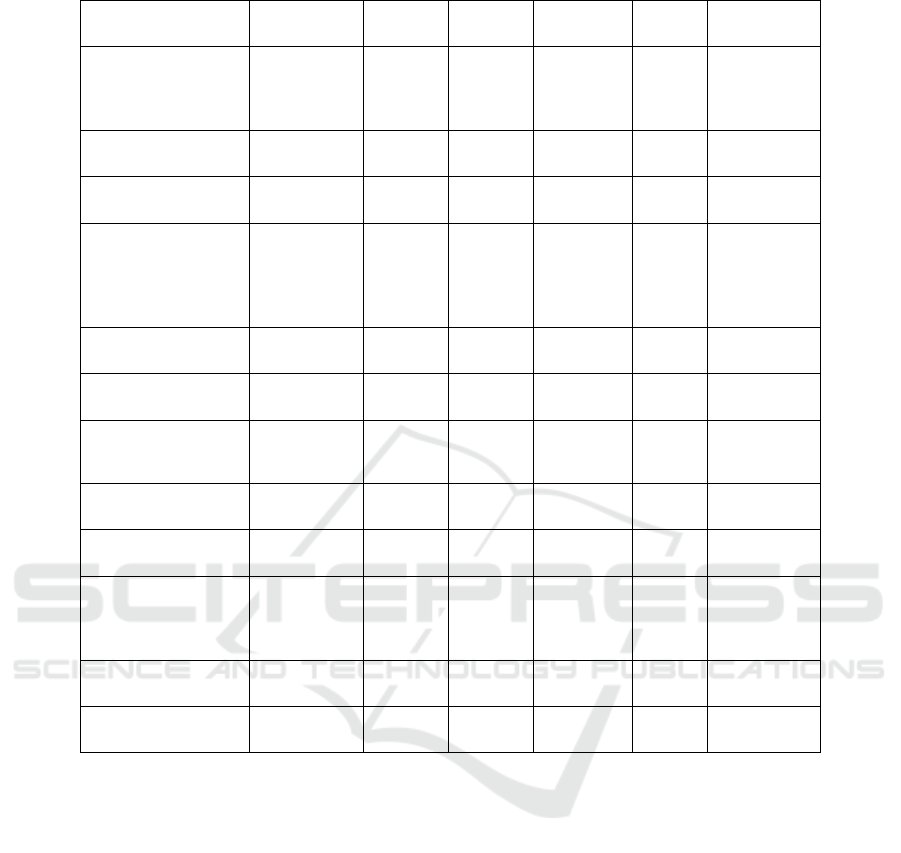
Table 1: Correlation analysis of social media platform types and viewing of theatre arts programs
drama musical
dance
drama
concert
Others
(please list)
Graphic platforms
(Weibo, Zhihu,
Douban, Twitter,
etc.)
Pearson
correlation
0.209** -0.025 0.129 -0.073 0.035
Significance
(double tail)
0.007 0.754 0.101 0.35 0.652
Number
ofcases
164 164 164 164 164
Graphic and video
platforms
(Xiaohongshu,
Instagram,
Snapchat, etc.)
Pearson
correlation
-0.016 0.063 .168* -0.064 -0.105
Significance
(double tail)
0.844 0.425 0.032 0.417 0.181
Number
ofcases
164 164 164 164 164
Short video
platforms
(Kuaishou, Tiktok)
Pearson
correlation
-0.07 -0.053 -.153* 0.088 -0.01
Significance
(double tail)
0.37 0.501 0.05 0.262 0.903
Number
ofcases
164 164 164 164 164
Long video
platforms
(bilibili, iQiyi,
Youtube, etc.
)
Pearson
correlation
-0.111 0.012 -0.111 0.082 0.008
Significance
(double tail)
0.156 0.881 0.159 0.294 0.919
Number
ofcases
164 164 164 164 164
According to Table 1, there is no statistically
significant correlation between the types of musical
theatre, concerts, and social media platform usage.
However, within the category of drama viewing, a
significant correlation is observed at the 0.01 level,
with theatre audiences who have watched at least one
drama performance being more likely to use text-and-
image platforms. Ballet audiences, on the other hand,
tend to use text-and-image video platforms more
frequently, while less often opting for short video
platforms.
Social media users with a habit of using long-
video platforms have the most extensive theatre
viewing experience. Among them, 78.4% of users
who primarily use long-video platforms have
watched at least one theatre performance, followed by
74% of users on text-and-image video platforms.
Analyzing the correlation between nine categories of
social media content and theatre viewing experience
reveals that the more content related to entertainment
celebrities users browse, the greater the likelihood of
watching theatre performances. When breaking down
theatre programs into five categories, a significant
correlation is observed at the 0.01 level between
concert program viewing and content browsing.
Concert audiences are more likely to browse
educational and scientific content videos, while
showing less interest in entertainment celebrity news
or film montages. Based on eight adjectives with
distinct meanings used to describe the characteristics
of social media platforms, an evaluation of the
relationship between users' perception of platform
features and their likelihood of watching theatre
performances shows that musical theatre audiences
tend to prefer content-oriented platforms focused on
entertainment, while showing less interest in
authoritative, educational platforms. Ballet
audiences, in contrast, exhibit a preference for
The Impact of Information Discrepancy on Users’ Selection of Theatre Art Programs Through Social Media
741

platforms with a fashionable style. Meanwhile,
concert audiences are less likely to describe their
platforms as "entertainment" oriented. Theatre
companies, in their promotional efforts, can tailor
their content to the expected platform style
preferences of different audiences to better align with
their audience's characteristics.
There are differences in the influence of text-and-
image content versus video content on the audience's
selection of theatre performances, but the gap is only
between 5% and 10%. Among users who have
browsed theatre promotional content on social media,
64% most often watch videos, while 33% more
frequently view text-and-image content. The impact
of promotional content on theatre decision-making is
divided into four dimensions: 1) providing a
preliminary understanding of the performance, 2)
sharing the information with others, 3) continuing to
search for additional content, and 4) generating a
desire to purchase tickets. Text-and-image
promotional content is more suitable for the initial
phase of promotion, helping the audience move from
unfamiliarity to awareness. A total of 151 survey
respondents indicated that text-and-image content
sparked a desire to learn more about the performance.
On the other hand, video content, especially longer
videos and short videos, has a stronger social sharing
appeal. Forty-three respondents reported that they
were motivated to purchase tickets after viewing
video content, highlighting its effectiveness in driving
ticket sales.
In terms of information acquisition channels, the
top three sources for obtaining official content are the
theatre's official website, WeChat official accounts,
and Xiaohongshu accounts. For user-generated
content, the top three sources are WeChat official
accounts, Xiaohongshu, and Douyin accounts, which
collectively account for over 75% of the responses.
This indicates that the theatre's promotional efforts
and strategies on these platforms are well-established
and effective.Regarding trustworthiness, respondents
were asked to rate the importance of user-generated
content and official content in their decision-making
process, on a scale from 5 (extremely important) to 1
(not important at all). The results are as follows: The
average score for official content was 3.39, with a
median of 3 and a variance of 1.092, suggesting that
official content, such as theatre programs and cast
information, does influence the decision to purchase
tickets. In contrast, the average score for user-
generated content was 3.72, with a median of 4 and a
variance of 0.098. This indicates that users have a
higher and more stable level of trust in user-generated
content, such as audience reviews and
experiences.When it comes to ticket purchasing, there
is a notable difference in influence between official
and user-generated content. User-generated content,
such as recommendations from friends and social
media comments, is the most trusted source, with
35.32% of respondents indicating it as their preferred
source of information. The second most trusted
category, with 32.77%, includes both user-generated
and official content. Trust in official content alone is
relatively low, at 24.68%. Additionally, 7.23% of
respondents expressed distrust in all sources of
content.
3.2 Social Media Data Collection
This study collects content published by official
theatre accounts and fan-driven marketing accounts
or theatre enthusiast KOLs (Key Opinion Leaders)
across various social media platforms for frequency
and sentiment analysis. The goal is to quantify the
differences in positive and negative emotional
impacts of content from different types of accounts
and analyze content variations for the same theatre
performance across different social media platforms.
As social media content is dynamic and continually
evolving, this data category captures changes in
sentiment and topics during information
dissemination, allowing for analysis of how these
changes influence user decision-making.
On the text-and-image platform Xiaohongshu,
representative individuals from both official and non-
official social media account camps were selected,
with promotional content being controlled for
consistency. The official "Beijing Tianqiao Arts
Center" account, with 23,000 followers, ranks in the
median range among major national theatres and is on
par with regional representatives such as the Shanghai
Cultural Square and the Guangzhou Grand Theatre.
The "Jingluo" account, focused on in-depth theatre
audiences in Guangdong, has accumulated
approximately 20,000 likes for its posts. For this
study, similar content regarding the ticket release for
the musical The Phantom of the Opera was selected
from both accounts. The official account received 109
comments, while the non-official account garnered
367 comments. After general data processing, the
ROSTCM text analysis tool was used to conduct
sentiment analysis and generate word cloud
summaries for the collected content. This analysis
will help to identify emotional trends and key topics
related to the musical across different account types
(Table 2 and Table 3).
APMM 2025 - International Conference on Applied Psychology and Marketing Management
742
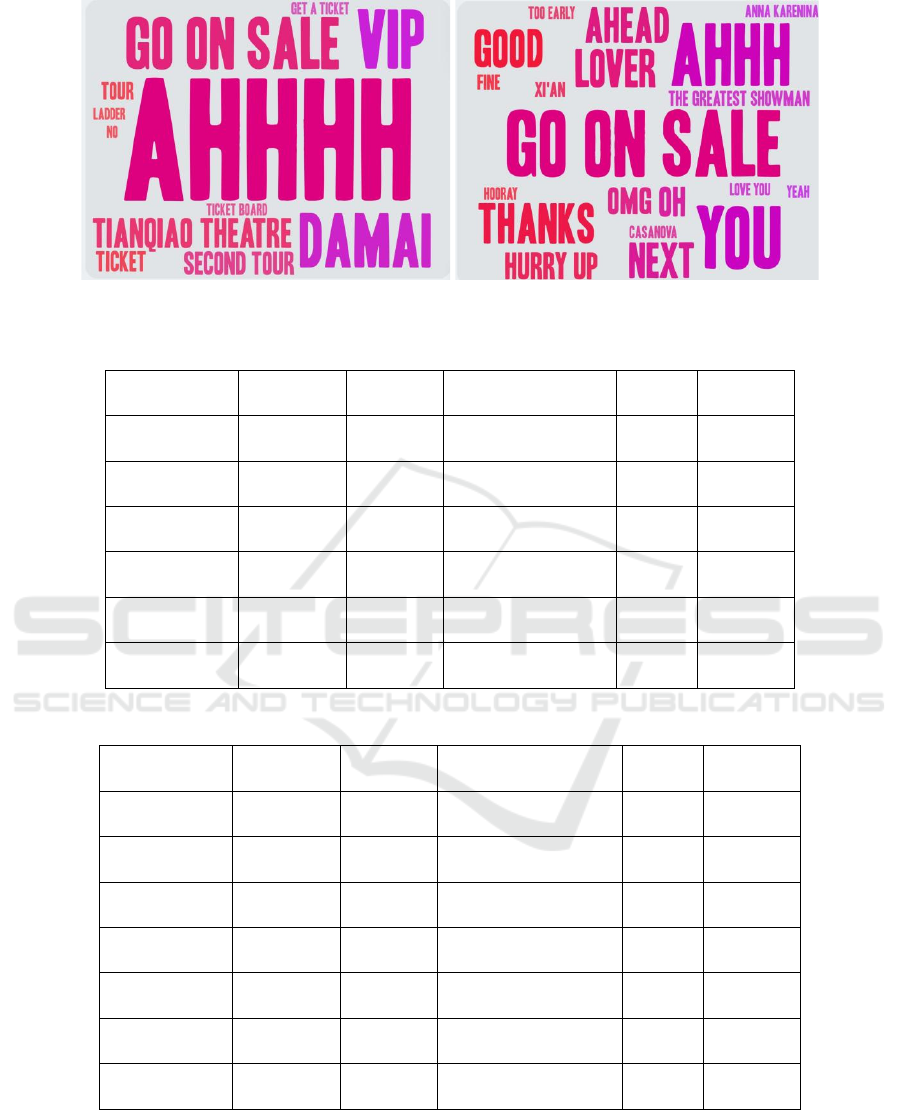
Figure 1: UGC and OGC Content Comment Word Cloud (Photo Created: Original).
Table 2. Correlation analysis of social media platform types and viewing of theatre arts programs.
Emotional type Sample size proportion Emotional level Number proportion
Positive 40 36.7
Normal(0—10)
32 29.36
Medium(10—20)
6 5.5
Height(20—) 2 1.83
Neutral 52 47.71
Negative 17 15.6
Normal(-10—0)
17 15.6
All 109 100
Table 3. Sentiment analysis of OGC content comments.
Emotional type Sample size proportion Emotional level Number proportion
Positive 119 32.43
Normal(0—10)
92 25.07
Medium(10—20) 20 5.45
Height(20—) 7 1.91
Neutral 216 58.86
Negative 32 8.72 Normal(-10—0) 29 7.9
Medium(-20—-10) 3 0.82
All 367 100
As shown in Figure 1, keywords such as "Ahhhh,
go on sale, ticket" appear frequently in the comment
sections of both official and non-official accounts. On
the official account, the focus is more on the
differences in ticketing policies after the release, such
as those related to different websites (e.g., WeChat
Official Accounts and Damai ticketing platform) and
user identities (e.g., regular users vs. different
membership levels). In contrast, comments under the
non-official account express more surprise and
The Impact of Information Discrepancy on Users’ Selection of Theatre Art Programs Through Social Media
743

anticipation surrounding the ticket release itself.In the
sentiment analysis, neutral emotions make up the
largest proportion of the responses. However, the
official account exhibits 8% more positive sentiment
than the non-official account, while negative
sentiment is 7% higher on the non-official account.
This suggests that the content on the official account
tends to evoke a stronger emotional response in the
audience, with more expressions of excitement and
surprise. Additionally, the official account seems to
attract more comments from audiences in different
regions expressing anticipation for the introduction of
the performance to their local theatres.
4 DISCUSSION
4.1 Platform Preferences
In terms of platform selection, musical theatre
audiences are more inclined towards short-video and
text-and-image video platforms that offer
entertaining and light-hearted content. These
audiences seek quick, engaging experiences and
enjoy content that is fun and accessible. Ballet
audiences, on the other hand, prefer comprehensive
platforms with a strong emphasis on creativity and
fashion, highlighting the visual and artistic aspects of
the performances. Drama audiences tend to favor
traditional text-only platforms, valuing depth and
intellectual engagement in the content. Concert
audiences are more inclined to use long-video
platforms or professional art platforms, where
cultural and knowledge-driven content takes
precedence.
4.2 Content Format Preferences
In terms of content format, text-and-image content is
more effective in attracting the audience's initial
attention and generating interest in a performance. It
helps users transition from unfamiliarity to a desire to
learn more about the performance, offering a quick
overview of the content. In contrast, video content,
with its dual impact on both visual and auditory
senses, is more adept at conveying the emotional
atmosphere, actor performances, and key moments of
a show. Due to its strong social sharing component,
video content can prompt viewers to share the
experience or take the next step of purchasing tickets.
Thus, video content is better suited to deepen the
impression and stimulate action once the audience has
already developed some level of interest in the
performance.
4.3 Trust and Influence of
User-Generated vs. Official
Content
For audiences, user-generated content (UGC), such as
recommendations from friends or social media
reviews, is trusted more, as it tends to have a stronger
emotional resonance and is more likely to influence
ticket purchasing decisions. UGC not only spreads
rapidly but also offers a more authentic and relatable
emotional connection, making it more effective in
driving engagement. On the other hand, official-
generated content (OGC) plays a crucial role in
providing authoritative, rational information about
performances and ticket purchasing, which helps
audiences make informed decisions. However, the
emotional impact and trust in OGC are relatively
lower compared to UGC. The advantage of OGC lies
in its credibility and professionalism, especially when
it comes to accurate information about performance
schedules, cast details, and ticket policies. These
aspects can evoke excitement and anticipation among
certain audiences, but they tend to be less emotionally
compelling compared to the personal, heartfelt nature
of user reviews or recommendations.
In conclusion, while both UGC and OGC
contribute to the audience's decision-making process,
UGC holds a stronger emotional influence and plays
a pivotal role in driving audience behavior,
particularly in terms of sharing experiences and
purchasing tickets. Official content, with its
authoritative and factual nature, offers a
complementary role, guiding audiences through the
logistics of attending a performance but with less
emotional appeal.
For different theater art programs, the crew
officials can make full use of social media platforms
for differentiated marketing and publicity. Musical
repertoires release highlights, celebrity interviews,
and relaxed and interesting interactive content
through short video platforms to increase
entertainment and participation. Dance drama
repertoires choose comprehensive social platforms
such as Xiaohongshu and Weibo to encourage
audiences to share their viewing experience and
promote the widespread dissemination of content.
Concert content shows more academic and artistic
discussions on long video platforms to avoid
excessive marketing of entertainment star
information. Drama audiences pay more attention to
the accuracy of content and the clarity of information.
Therefore, in the graphic content, attention should be
paid to details to convey the depth and thought of the
repertoire. Theater officials should focus on the
APMM 2025 - International Conference on Applied Psychology and Marketing Management
744

diversification and emotionalization of content,
increase interactivity and audience participation, and
enhance trust and influence. For example, through
questionnaires, voting, comment interaction, and
cooperation with some KOLs, affinity can be
enhanced.
The limitation of this article is that the number of
samples in the questionnaire survey is limited, and
most of them are from southern China, so the
universality is poor, and there may be deviations
caused by memory and social expectations in user
filling. When selecting data from social platforms, we
took into account the quantity requirement for
comment samples and selected musicals with a large
number of audiences today for analysis. Therefore,
there may be differences for other categories.
5 CONCLUSION
The results of this paper are that video content is more
likely to attract audiences to buy tickets and share
with friends, while graphic content is more suitable
for preliminary understanding and interactive
communication of art programs. Under OGC content,
since official repertoire promotion content is often the
first release, it is easier to drive the audience's
emotions, and UGC content is more suitable for
interaction and communication among audiences.
Further conclusions can be drawn: video platforms
are suitable for attracting audiences who are easily
driven by emotions, and graphic platforms are
suitable for attracting rational audiences who make
decisions about watching dramas. User-generated
content has more influence on the audience's
emotional drive and choice of social circles, while
official content affects rational decision-making and
professional cognition. It provides a refinement and
classification of audience types for future research,
and can deeply explore the psychological
characteristics, consumption behavior and platform
preferences of these audience types, providing
support for platform content production and
marketing strategies. We can continue to explore the
matching of platform and content forms, reveal the
interactive relationship between platform
characteristics, content presentation methods and user
experience, and attract specific types of audiences
through the choice of content forms.
REFERENCES
A. Baldin, T. Bille, R. R. Mukkamala, et al., The Impact of
Social Media Activities on Theater Demand. J. Cult.
Econ. 48, 199–220 (2024)
A. Besana, et al., It’s a Matter of Attention: The Marketing
of Theatres in the Age of Social Media. Int. J. Arts
Manag. 20 (3), 20–37 (2018)
E. C. Hirschman, Aesthetics, Ideologies and the Limits of
the Marketing Concept. J. Mark. 47 (3), 45–55 (1983)
E. T. Craft, ‘Is This What It Takes Just to Make It to
Broadway?!’: Marketing In the Heights in the Twenty-
First Century. Stud. Mus. Theatre 5 (1), 49–69 (2011)
J. Pontelandolfo, The Impact of Social Media Marketing on
the Broadway Industry: A Study of Hamilton: An
American Musical. Senior Theses 506 (2022)
J. Yao, Analysis of the Performance Operation
Characteristics of the National Grand Theater's Small
Theater. Drama (J. Cent. Acad. Drama) (06), 119–128
(2018)
J. Zhang, A Brief Analysis of the New Media
Communication Ideas of Traditional Media: Taking the
National Grand Theater as an Example. Digit. Commun.
World (02), 167–169 (2023)
L. MacDonald, Marketing Musical Theatre.
P. Kotler, S. J. Levy, Broadening the Concept of Marketing.
J. Mark. 33 (1), 10–15 (1969)
R. T. Warne, M. M. Drake-Brooks, Comparing the
Persuasiveness and Professionalism of Newspaper,
Blog, and Social Media Sources of Information in
Marketing and Reviewing Theatre. Arts Market. 6 (2),
166–186 (2016)
S. Ma, A Preliminary Study on Theater Business Strategies.
Drama (J. Cent. Acad. Drama) (04), 132–145 (2020)
The Impact of Information Discrepancy on Users’ Selection of Theatre Art Programs Through Social Media
745
