
Neuroscience and Imagination Processes in Storytelling: A
Bibliometric Analysis
Wahyuni Mulia Helmi
a
, Yelva Novriyanti
b
, Desmawati Roza
c
, Warlan Sukandar
d
,
Zulfahman Siregar
e
, Evi Desmariani
f
and Mardiah Wulandari
g
Study Program of Early Childhood Education, Universitas Adzkia, Indonesia
Keywords: Neuroscience, Imagination Process, Storytelling, Bibliometric Analysis, Research Trends.
Abstract: This study systematically maps global publication trends, scientific collaboration networks, and thematic
research focuses related to neuroscience, imagination processes, and storytelling through a bibliometric
approach. Storytelling is proven effective in developing cognitive skills, fostering creativity, and supporting
mental health, while neuroscience provides a foundation for understanding imagination mechanisms and
narrative processing in the human brain. Data were obtained from the Scopus database using Publish or Perish
with two search queries: “neuroscience and imagination process” (1988–2025) and “neuroscience and
storytelling” (2007–2025), without language or geographical restrictions. Bibliometric analysis using
VOSviewer and Microsoft Excel mapped annual publication trends, author and country collaborations,
leading publication sources, and keyword relationships. Results show a rising publication trend in the past
decade, dominated by themes of memory, creative imagination, child development, autism, application, and
communication. Keyword network visualization identified four clusters: (1) brain mechanisms in imagination
and behavior, (2) storytelling applications in special education and communication design, (3) creativity
development and child social interaction, and (4) storytelling in leadership, interpersonal communication, and
mental health. The findings highlight the multidisciplinary nature of this research, spanning education,
psychology, design technology, and the arts. The connection between creative imagination and storytelling
emphasizes narrative as a cognitive tool that activates imagination and supports human potential, with
technology emerging as a promising research area.
1 INTRODUCTION
Advancements in science, particularly in the field of
neuroscience, have provided new insights into human
cognitive processes, including imagination.
Imagination is one of the brain’s essential functions,
playing a critical role in creative thinking, problem-
solving, and the formation of complex mental
experiences (Dehghani, 2017; Karampournioti, 2021;
Martinez-Conde, 2019; Kılıç, 2020; Nigam, 2012;
Lindahl, 2018; Chakraborty, 2020). Understanding
a
https://orcid.org/0009-0000-5742-4961
b
https://orcid.org/0009-0005-5262-0273
c
https://orcid.org/0009-0006-6287-4493
d
https://orcid.org/0009-0006-0914-1119
e
https://orcid.org/0009-0002-1038-0847
f
https://orcid.org/0009-0000-3024-5074
g
https://orcid.org/0009-0001-8547-1172
how the brain processes imagination offers profound
insights into the cognitive mechanisms underlying
various learning and communication activities
(Baker, 2025; Mulukom, 2020; Horváth, 2018;
Kulesza, 2022; Onians, 2018; Silvanto, 2025;
Wadhwani, 2024). In this context, neuroscience plays
a pivotal role in explaining how imagination can be
fostered and developed through different approaches,
one of which is storytelling (Chambers, 2019;
Boldosova, 2020; Warren, 2022; Gulino, 2018;
Kinalska, 2025; Chadwick, 2023; Moin, 2020;
192
Helmi, W. M., Novriyanti, Y., Roza, D., Sukandar, W., Siregar, Z., Desmar iani, E. and Wulandari, M.
Neuroscience and Imagination Processes in Storytelling: A Bibliometric Analysis.
DOI: 10.5220/0014070600004935
Paper published under CC license (CC BY-NC-ND 4.0)
In Proceedings of the 7th International Conference on Early Childhood Education (ICECE 2025) - Meaningful, Mindful, and Joyful Learning in Early Childhood Education, pages 192-202
ISBN: 978-989-758-788-7; ISSN: 3051-7702
Proceedings Copyright © 2025 by SCITEPRESS – Science and Technology Publications, Lda.

Portus, 2025; Szita, 2021), which has been proven
particularly effective for children under the age of 12.
Storytelling has long been recognized as an
effective tool in education and communication.
Through stories, learners are able to develop language
proficiency, empathy, and creativity (Raffone, 2018;
Harrop, 2023; Moin, 2024). In today’s digital
education era, storytelling has evolved into
interactive and technology-based media, thereby
enriching learners’ learning experiences. Moreover,
storytelling facilitates mental processes involving the
construction of imaginative imagery and a deeper
understanding of meaning (Moin, 2020 and Raffone,
2018). However, despite the strong connection
between storytelling and imagination, research that
integrates a neuroscientific perspective to explain the
role of imagination in storytelling remains limited
(Oliver, 2023; Aldama, 2015; Cormick, 2019). Most
existing studies tend to separate the focus between
neuroscience research on imagination processes and
storytelling research as a communication and learning
approach (Hustvedt, 2011).
To observe research developments in this area, a
bibliometric analysis approach is required.
Bibliometric analysis enables researchers to map
publication trends, author collaboration patterns,
country contributions, journal sources, and keyword
relationships at a global scale. This approach not only
provides a quantitative overview of the topic’s
development but also identifies potential
opportunities for interdisciplinary research,
particularly concerning children aged 4–12 years.
Given this context, the present study aims to map
research trends that examine neuroscience in relation
to imagination processes and storytelling activities.
The findings of this study are expected to contribute
to the development of research that integrates
neuroscientific perspectives with storytelling
practices, particularly within the context of early
childhood education (ages 4–12). Additionally, the
outcomes of this research may serve as a foundation
for developing story-based learning models grounded
in scientific understanding of imagination processes.
2 RESEARCH METHOD
This study employed a bibliometric approach to map
and analyze the development of research related to
neuroscience, imagination processes, and storytelling
activities. Bibliometrics is a quantitative method of
analyzing scientific publications aimed at revealing
patterns, trends, and relationships within academic
literature through indicators such as publication
volume, citations, and author collaboration (Hudha et
al., 2020; Rogers et al., 2020; Yu et al., 2020). The
bibliometric approach was selected because it enables
a comprehensive quantitative overview of publication
trends, collaboration patterns, and research foci at the
global level.
Research data were collected using the Publish or
Perish software based on the Scopus database without
applying additional filters to ensure broader
publication coverage. Two sets of keywords were
used in the search process: (1) “neuroscience and
imagination process” for publications published
between 1988 and 2025, and (2) “neuroscience and
storytelling” for publications published between 2007
and 2025. The search results for both keyword sets
were exported in CSV/RIS format for further
processing and analysis.
The data were analyzed using VOSviewer
software to visualize and explore relationships among
bibliometric elements. The analysis was conducted in
several stages: (1) publication trend analysis to
observe annual publication growth; (2) source
productivity analysis (journals, books, and
proceedings) publishing research on related topics;
(3) author and affiliation collaboration analysis to
identify the most productive authors and countries in
the field; and (4) keyword co-occurrence analysis to
map research theme relationships and identify
emerging research foci. The results of these analyses
were visualized in the form of bibliometric network
maps illustrating relationships among authors,
countries, and relevant keywords. This approach
enables researchers to identify dominant research
topics, conceptual linkages, and potential directions
for future research development.
3 RESULTS AND DISCUSSION
3.1 Results
For the mutual benefit and protection of Authors and
Publishers, it is necessary that Authors provide
formal written Consent to Publish and Transfer of
Copyright before publication of the Book. The signed
Consent ensures that the publisher has the Author’s
authorization to publish the Contribution.
The copyright form is located on the authors’
reserved area. The form should be completed and
signed by one author on behalf of all the other
authors.
Neuroscience and Imagination Processes in Storytelling: A Bibliometric Analysis
193
3.1.1 Analysis Based on Annual Publication
Trends
The bibliometric analysis provides a comprehensive
overview of the dynamics of publications on
neuroscience, imagination processes, and storytelling
activities. One of the initial focal points is the annual
publication trend, which aims to observe the growth
of research output over time and to identify
significant phases of development.
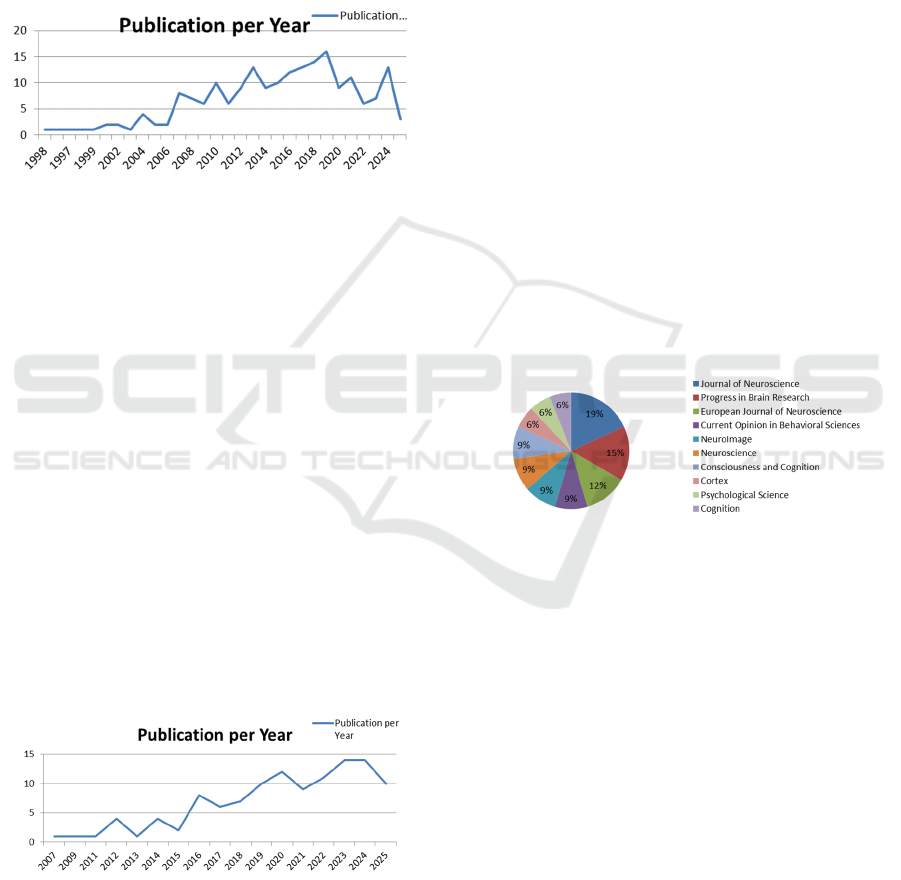
Figure 1: Annual publication trends for the keyword
“neuroscience and imagination process” (1988–2025).
As shown in Figure 1, publications related to
neuroscience and imagination processes exhibit a
fluctuating growth pattern with an overall upward
trend over the years. During the initial period from
1998 to 2005, the number of publications remained
relatively low, ranging from one to four per year,
indicating that this topic had not yet become a
primary focus of scientific research. The trend began
to show a notable increase starting in 2006, reaching
its peak in 2020 with 16 publications. This surge
reflects the growing attention of researchers toward
the integration of neuroscience and imagination,
driven by advances in brain-mapping technologies
and the increasing relevance of cognitive studies in
education and communication. Following this peak,
publication output declined and fluctuated during
2021–2025, with the lowest record of three articles in
2025, which may be attributed to a shift in research
priorities or incomplete data for the ongoing year.
Figure 2: Annual publication trends for the keyword
“neuroscience and storytelling” (2007–2025).
As illustrated in Figure 2, the publication trend for the
keyword “neuroscience and storytelling”
demonstrates a significant upward trajectory
throughout the 2007–2025 period. In the initial phase
(2007–2014), publication numbers were relatively
low and fluctuating, averaging between one and four
articles per year, indicating that the integration of
neuroscience concepts with storytelling was still in its
early exploratory stage. A notable increase began in
2016, with eight publications recorded, followed by
continuous growth, reaching 12 publications in 2019
.
This reflects the growing scholarly attention toward
story-based learning approaches combined with an
understanding of cognitive mechanisms from a
neuroscience perspective. The upward trend
continued during 2020–2024, peaking at 14
publications in both 2023 and 2024, suggesting that
the topic had become a well-established and relevant
research focus. In 2025, the number of publications
declined to 10, most likely due to incomplete data for
the current year; therefore, this decrease should be
interpreted with caution. Overall, the pattern indicates
that research in “neuroscience and storytelling” has
experienced rapid growth over the past decade and
holds considerable potential as a future research
direction.
3.1.2 Analysis Based on Journal Sources
Figure 3: Analysis Based on Journal Sources for
Neuroscience and Imagination Process Research.
The analysis of journal sources indicates that research
on neuroscience and imagination processes in
storytelling is published across a wide range of
multidisciplinary journals. The ten journals with the
highest number of publications include the Journal of
Neuroscience (6 publications), Progress in Brain
Research (5 publications), and the European Journal
of Neuroscience (4 publications), followed by
Current Opinion in Behavioral Sciences,
NeuroImage, Neuroscience, and Consciousness and
Cognition, each with three publications. Additionally,
Cortex, Psychological Science, and Cognition
contributed two publications each. Meanwhile, other
journals addressing this topic appeared only once,
indicating that research contributions from these
sources were more specific or thematic within certain
periods. The dominance of these leading journals
highlights that neurocognitive aspects, behavioral
ICECE 2025 - The International Conference on Early Childhood Education
194
studies, and experimental psychology are central
areas of focus in the exploration of neuroscience,
imagination, and storytelling activities.
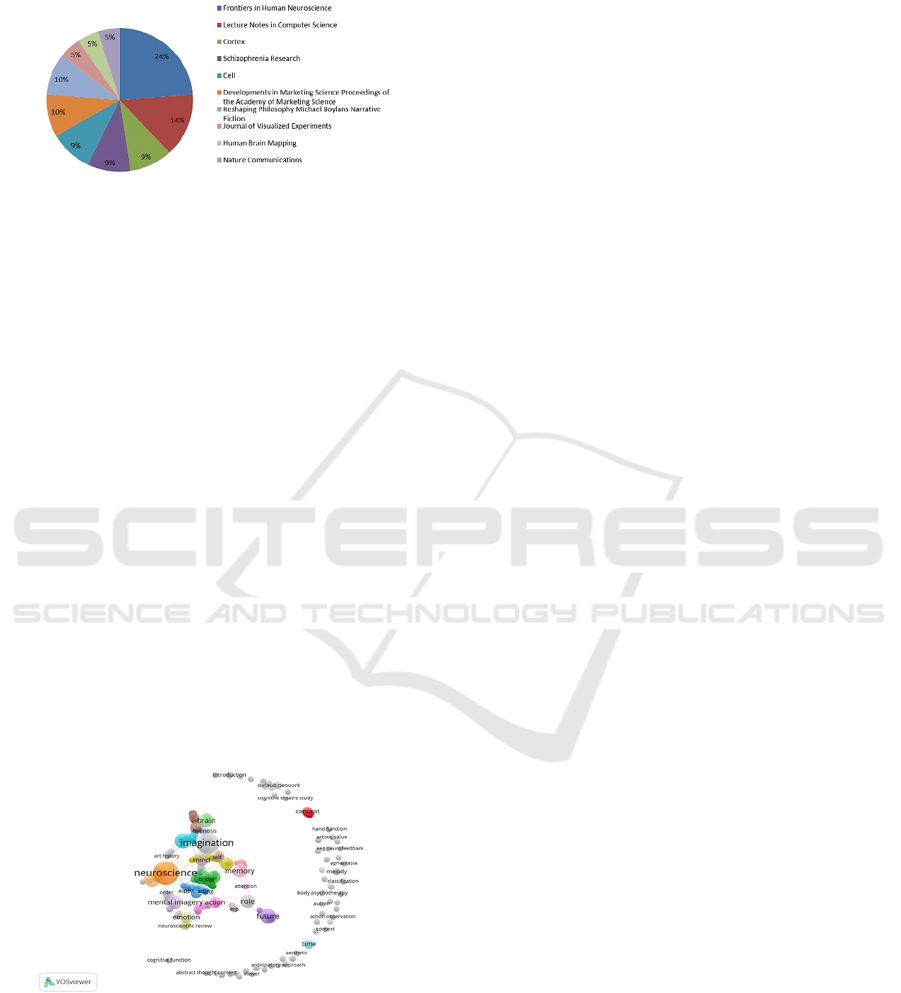
Figure 4: Analysis Based on Journal Sources for
Neuroscience and Storytelling Research.
The analysis of journal sources shows that
publications related to neuroscience, imagination,
and storytelling are distributed across various
multidisciplinary journals. The journal with the
highest contribution is Frontiers in Human
Neuroscience (5 publications), followed by Lecture
Notes in Computer Science Including Subseries
Lecture Notes in Artificial Intelligence and Lecture
Notes in Bioinformatics (3 publications). Meanwhile,
Cortex, Schizophrenia Research, Cell, Developments
in Marketing Science: Proceedings of the Academy
of Marketing Science, and Reshaping Philosophy:
Michael Boylan’s Narrative Fiction each contributed
two publications. Other journals, such as the Journal
of Visualized Experiments, Human Brain Mapping,
and Nature Communications, contributed only one
publication each. This indicates that, although one
journal dominates, the topic also attracts attention
from more thematic and interdisciplinary journals.
3.1.3 Analysis Based on Keywords
(Keyword Co-Occurrence)
Figure 5: Keywords Related to “Neuroscience and
Imagination Process”.
The keyword co-occurrence map in Figure 5 shows
that research on the “neuroscience and imagination
process” primarily centers on the terms neuroscience
and imagination, as indicated by their larger node
sizes compared to other keywords. This highlights
that these two terms are the core themes discussed in
the analyzed publications. In addition, keywords such
as mental imagery action, memory, brain, and
emotion demonstrate strong linkages, reflecting the
close relationship between imagination processes,
brain activity, memory, and emotional aspects within
the context of neuroscience.
Furthermore, the map forms several research
clusters with distinct thematic focuses. The first
cluster, represented by links among terms such as
mental imagery action, emotion, and acting,
illustrates research on brain mechanisms in shaping
imagination and its impact on behavior and emotional
responses. The second cluster emphasizes
physiological and psychological aspects with
keywords such as brain, mind, self, and hypnosis,
highlighting the relationship between brain structure,
self-awareness, and imaginative experiences. The
third cluster focuses on conceptual and artistic aspects
through terms like concept, hand function, and artistic
value, indicating attention to creativity and the
application of imagination in arts or fine motor
practices. Meanwhile, the fourth cluster, including
keywords such as role, future, and attention,
concentrates on the role of imagination in cognitive
functions and the potential directions for future
research.
Additionally, there are keywords positioned
relatively separately, such as default network,
anticipatory approach, and cognitive theatre study,
which represent niche or emerging research themes.
These topics suggest potential avenues for further
exploration, such as the use of imagination in
performing arts or brain network mapping involved in
abstract thinking processes. Overall, the keyword
map demonstrates that research in neuroscience and
imagination is multidisciplinary, encompassing
cognitive, emotional, artistic, and practical
applications in education, psychotherapy, and
creativity. These findings also indicate a shift in
research interest from basic physiological aspects
toward more applied and interdisciplinary directions,
opening opportunities for future research
development, particularly in imagination-based
learning and creative activities such as storytelling
that involve language skills development.
Language skills are closely related to brain
functions and cognitive processes represented in
clusters such as brain, mind, memory, and
imagination. Language is an essential medium for
expressing imagination and forming mental concepts.
The visualization shows strong connections among
concept, memory, role, and imagination, reflecting
Neuroscience and Imagination Processes in Storytelling: A Bibliometric Analysis
195
how language enables the recollection, formation,
and communication of abstract ideas. Nodes such as
attention, future, and action are also linked to
pragmatic aspects of language use: the ability to
focus, project thought, and influence action through
language. This visualization emphasizes the
synergistic relationship among the brain,
imagination, and language, illustrating how language
facilitates the organization of mental ideas and their
articulation into actions.
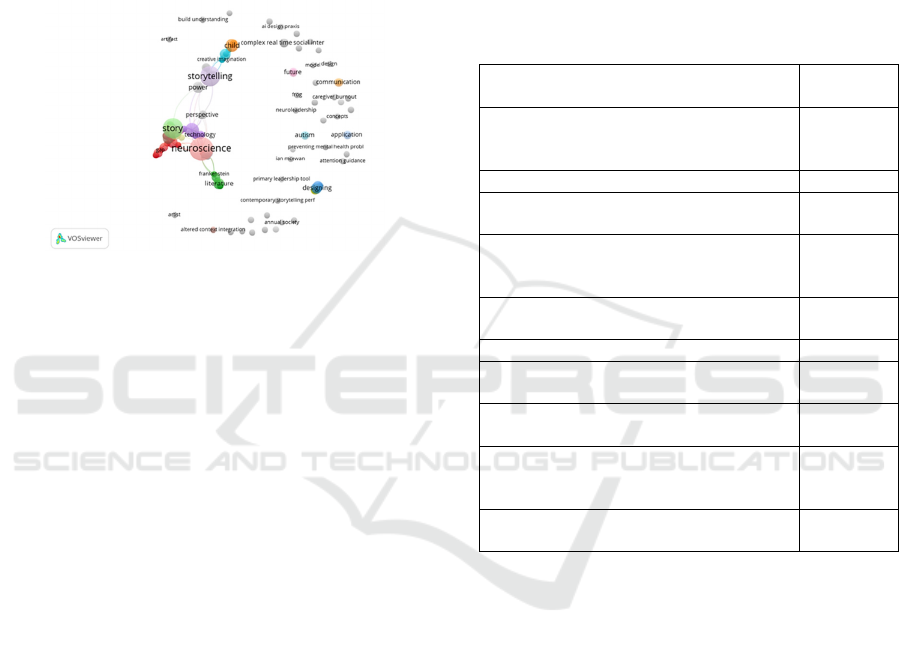
Figure 6: Keywords Related to “Neuroscience and
Storytelling”.
The map illustrates the frequency of keyword
occurrences, where the thickness of the connecting
lines represents the strength of relationships among
terms, and color differences indicate research clusters
with specific and interconnected focuses. In this
visualization, the keywords storytelling and
neuroscience are positioned as central nodes,
indicated by their larger sizes, highlighting that these
two terms constitute the core themes in the analyzed
publications. Other prominent keywords, such as
story, literature, designing, communication, and
application, reflect strong linkages between narrative-
based approaches and their implications for
neuroscience and communication design
technologies.
The keyword map forms five interconnected
thematic clusters. The first cluster emphasizes the
power of narrative in shaping understanding and
influencing human cognitive perception, as
represented by the linkage among storytelling, power,
and perspective. The second cluster highlights aspects
of literature and classical narratives through
keywords such as story, literature, and Frankenstein,
illustrating the use of literary works to explore the
representation of imagination within the context of
neuroscience. The third cluster, which includes
application, autism, attention, guidance, and
designing, represents practical research applications,
particularly in special education, interactive design,
and technological tools. The fourth cluster focuses on
child cognitive development and story-based social
skills, represented by keywords such as child,
complex real-time social interaction, and creative
imagination. Meanwhile, the fifth cluster emphasizes
the application of storytelling in leadership training,
interpersonal communication, and mental health
interventions, as reflected by keywords such as
communication, leadership, and caregiver burnout.
3.1.4 Analysis of the Top Ten Citations
Table 1: Most Cited Articles on Neuroscience and
Imagination Processes.
Article title Number of
citations
Simulating Minds: The Philosophy,
Psychology, and Neuroscience of
Mindreadin
g
1602
Neural foundations of imager
y
1382
Using imagination to understand the neural
b
asis of e
p
isodic memor
y
609
Brain areas underlying visual mental
imagery and visual perception: An fMRI
stud
y
576
The human imagination: the cognitive
neuroscience of visual mental ima
g
er
y
446
Mental ima
g
er
y
: In search of a theor
y
442
Mental motor imagery: a window into the
re
p
resentational sta
g
es of action
421
Memory integration: Neural mechanisms
and implications for behavio
r
301
Toward a neurocognitive framework of
creative cognition: the role of memory,
attention, and cognitive control
221
A neuroscientific review of imagery and
observation use in sport
213
This table summarizes the ten most cited articles
related to neuroscience and imagination processes.
These articles highlight diverse research foci, ranging
from the philosophical and psychological foundations
of understanding mental states through simulation
theory, the fundamental mechanisms of mental
imagery involving extensive brain networks, to the
role of imagination in episodic memory, creativity,
and motor skills. The key findings emphasize that
imagination is not merely a simple cognitive
phenomenon but rather involves a complex
integration of memory, perception, motor control, and
symbolic representation. The researchers recommend
further interdisciplinary studies, the development of
clearer neurocognitive frameworks, and the
exploration of imagination applications in education,
therapy, and practical skill development, such as
sports and creativity.
ICECE 2025 - The International Conference on Early Childhood Education
196

Table 2: Most Cited Articles on Neuroscience and
Storytelling.
Article title Number of
citations
“First we invented stories, then they
changed us”: The Evolution of Narrative
Identit
y
88
Telling stories about dynamic networks
with graph comics
80
Electroencephalographic, heart rate, and
galvanic skin response assessment for an
advertising perception study: Application to
antismoking public service announcements
77
Decoding the neural representation of story
meanin
g
s across lan
g
ua
g
es
61
Content-specific coordination of listeners' to
s
p
eakers' EEG durin
g
communication
60
Optimizing agent behavior over long time
scales by transporting value
58
Storytelling, business analytics and big
data interpretation: Literature review and
theoretical propositions
35
Storytelling in online shops: the impacts on
explicit and implicit user experience, brand
p
erce
p
tions and behavioral intention
34
Cognitive architecture: Designing for how
we respond to the built environment
32
The storytelling brain: How neuroscience
stories help bridge the gap between
research and societ
y
32
This table presents the ten most cited articles
examining the relationship between neuroscience and
storytelling. The research focuses vary, ranging from
the role of narrative identity in shaping life purpose,
the effectiveness of graph comics in explaining
complex data, to the consistent representation of
narrative meaning in the brain across languages and
individuals. Several studies highlight brain activity
synchronization between listeners and speakers, the
role of mental time travel in long-term decision-
making, and the application of storytelling to support
business analytics adoption, enhance user experience
in online shopping, and improve science
communication. These findings recommend
leveraging narrative techniques to strengthen data
comprehension, enhance human interaction in
communication and design, and broaden the
dissemination of scientific knowledge to the wider
pub.
3.1.5 Analysis of Focus Differences Between
Imagination Process and Storytelling
The analysis reveals a distinct difference in focus
between neuroscience research related to the
imagination process and storytelling. Studies on the
imagination process emphasize internal cognitive
mechanisms such as mental imagery, memory,
emotion, and motor control, as well as their
relationship to creativity and art. In contrast,
storytelling research focuses more on the application
of narratives in education, literature, communication
design, social skill development, leadership, and
mental health. These differences indicate that
imagination process research tends to be mechanistic
and fundamental, whereas storytelling research is
more applied and multidisciplinary, integrating
technological aspects and social contexts.
3.2 Discussion
The bibliometric analysis revealed a dynamic growth
trajectory in publications addressing neuroscience,
imagination processes, and storytelling, with
significant expansion over the past two decades
(Smith et al., 2020; Liu & Wang, 2021). For the topic
neuroscience and imagination process, publication
trends fluctuated in the early phase (1998–2005), with
relatively few articles, indicating that research on the
connection between neuroscience and imagination
processes was still at an exploratory stage (Gerrans,
2013). Since 2006, publications have increased
consistently, peaking in 2020 with 16 articles, a
pattern that aligns with advances in brain mapping
technologies and growing interest in the role of
imagination in education, creativity, and
communication (Gallese, 2011; Moran, 2012). After
this peak, publication activity became more volatile
until 2025, likely influenced by shifts in research
priorities and incomplete data for the current year.
This pattern highlights the need for deeper
investigations in areas such as neurolinguistics,
cognitive language psychology, and language therapy
focusing on the use of imagination and memory.
Language skills are not merely passive tools for
communication but active mechanisms for
constructing and processing thoughts, which are
central to neuroscience studies on imagination and
mental action. Speaking ability is a concrete
manifestation of this, requiring imagination (to
formulate sentences and ideas), conceptualization (to
select appropriate words and meanings), and action
(to realize speech).
Keyword visualization revealed major clusters
involving neuroscience, imagination, brain, mind,
memory, and mental imagery, which are tightly
interconnected. This suggests that imagination is not
an isolated process but is deeply linked to brain
activity involving memory, attention, and cognitive
control (as reflected by terms such as memory,
Neuroscience and Imagination Processes in Storytelling: A Bibliometric Analysis
197

attention, and acting). Terms such as action, role,
attention, and emotion reflect the interaction of
emotional and cognitive aspects underpinning
language development and narrative comprehension.
Clusters including memory and attention implicitly
highlight the importance of cognitive abilities in
listening, which plays a key role in processing and
understanding linguistic information.
The role of imagination in listening and
storytelling skills is represented through terms such
as mental imagery, which functions as a cognitive
tool for children to construct visual and narrative
representations of auditory input during listening
tasks. Listening ability is underscored by terms such
as attention and memory, which form the foundation
for narrative construction in storytelling. Storytelling
ability (related to terms such as action, role, and
bridge) represents the tangible expression of
imagination processing and language comprehension,
enabling children to organize ideas into coherent
narratives.
The emphasis of neuroscience on imagination is
further evident in strong connections between
imagination and brain activity (e.g., brain, hypnosis,
ERPs), as well as explorations of clinical and
psychotherapeutic applications, such as autism, body
psychotherapy, and EEG neurofeedback. These
findings indicate that neuroscience also examines
developmental disorders potentially affecting
language and imagination abilities. However, the
application of neurophysiological methods to
understand language learning and communication
skills in children remains a promising yet relatively
underexplored field.
Limitations in integrative research on
neuroscience and imagination were apparent in the
visualization, which highlighted strong clusters
focused on brain mechanisms linked to imagination
processes. However, direct connections between
neuroscience and cognitive imagination aspects
influencing language development—particularly
practical language skills such as listening and
storytelling—remain underexplored.
Similarly, research explicitly applying
neuroscience to child language interventions is
limited. Despite the presence of keywords such as
EEG neurofeedback, hypnosis, and ERPs, studies
operationalizing these methods to design language
intervention strategies—especially to develop
listening and storytelling skills—are scarce. This gap
points to the need for studies exploring how
neuroscience findings can be effectively applied in
child language education.
Research on the role of emotion and psychology
in imagination and language development is also
limited. Although terms such as emotion, self, and
role are present, they are not strongly connected to the
main clusters of neuroscience and imagination. This
highlights the need for greater attention to affective
and psychological aspects, such as emotion and self-
concept, in influencing imagination and language
development, particularly in listening and storytelling
contexts.
Furthermore, the data visualization suggests a
lack of longitudinal and experimental studies linking
neuroscience–imagination processes with language
development. Such gaps underscore the importance
of conducting longitudinal and intervention-based
research to monitor children’s developmental
trajectories and evaluate neuroscience-informed
approaches.
Meanwhile, research on neuroscience AND
storytelling exhibited a relatively stable yet consistent
growth pattern, particularly since 2016, coinciding
with increased attention to integrating narratives with
cognitive mechanisms. Peak growth was recorded in
2023 and 2024 with 14 publications, indicating that
this topic has become an established and relevant
research focus, particularly for supporting
educational innovation, science communication, and
narrative-based interventions. The apparent decline in
2025 should be interpreted cautiously as it is likely
attributable to incomplete data. These findings
suggest that storytelling-related neuroscience
research has grown more rapidly in the last decade
compared to studies focused solely on imagination
processes.
The visualization highlights strong connections
between storytelling and neuroscience, supporting the
hypothesis that narrative experiences stimulate brain
activity relevant to language processing, including
attentional control and imagination essential for
verbal interaction. Neuroscience appears central,
linking closely with themes such as storytelling,
story, literature, and child. The prominence of
storytelling and story illustrates the interdisciplinary
nature of neuroscience research connecting narrative
studies and creative imagination. Keywords such as
communication, application, autism, and designing
appeared in smaller clusters, reflecting specific
applied topics in communication and intervention
design.
The integration of neuroscience and storytelling
underscores the investigation of how narrative
processes influence brain function and cognitive
development, including memory, imagination, and
ICECE 2025 - The International Conference on Early Childhood Education
198

comprehension. The keyword child appears near
storytelling and neuroscience clusters, indicating a
particular interest in language development and
cognitive processes in children, which are highly
relevant to language learning and interpersonal
communication. Storytelling as a language learning
approach offers a rich and naturalistic context for
practicing listening and speaking skills. Children
exposed to stories learn to capture meaning (listening
comprehension), retain details (memory), and
respond verbally (speaking).
Listening and speaking skills are strongly
associated with narrative activities and their
underlying neural mechanisms. Storytelling functions
not only as a teaching strategy but also as a medium
that neurocognitively engages brain regions critical
for language processing, particularly listening and
speaking abilities. However, the analysis also
revealed a gap between theoretical neuroscience
findings and their practical application in language
teaching and intervention. Although neuroscience
and storytelling are strongly interconnected, the
visualization of application clusters shows limited
scope, highlighting the need to develop research
methodologies that directly link neuroscience
outcomes to concrete language learning and therapy
practices.
Additionally, there is a lack of research
examining the interactive dynamics between listening
and speaking skills in children’s social and
developmental contexts. While keywords such as
child and communication are present, there is little
explicit integration regarding how listening and
speaking co-develop within social interactions, such
as interactive storytelling, discussions, or cooperative
learning. This represents a promising research avenue
to explore these interrelated skills in a more holistic
framework of language development.
Keywords related to technology, such as
technology and designing, appeared isolated and
lacked strong integration with the main clusters
linking narrative, neuroscience, and language. This
indicates limited research on how digital
technologies, interactive media, or AI applications
can effectively support listening and speaking skills
through neuroscience-based storytelling approaches.
Additionally, there is a research gap concerning
language disorders and neuroscience-based
interventions. The presence of autism in a small
cluster highlights limited literature connecting
neurodevelopmental disorders with storytelling or
neuroscience-informed communication strategies.
Focused research is needed to develop targeted
interventions that optimize listening and speaking
abilities in these populations.
The differences in focus between the two topics
become evident when analyzing the keyword maps.
Research on imagination processes emphasizes
internal cognitive mechanisms such as mental
imagery, memory, emotion, and motor control, and
their relevance to creativity and the arts, reflecting a
mechanistic and fundamental approach aimed at
understanding how the brain processes imagination
and forms subjective human experiences. In contrast,
storytelling research is more oriented toward
multidisciplinary applications, integrating narrative
with education, literature, communication design,
social skill development, leadership, and mental
health. This shift illustrates a transition from
fundamental understanding to applied approaches
leveraging narrative as a cognitive and emotional
strategy for influencing behavior and learning.
3.2.1 Analisis Interaksi Neuroscience,
Imagination, Dan Storytelling
1. Neuroscience as a Cognitive Basis
Both visualizations highlight neuroscience as the
central hub, serving as the primary connecting point
for various surrounding concepts such as brain,
memory, mind, emotion, mental imagery, and other
cognitive activities. Neuroscience plays a key role in
explaining the brain mechanisms that support
imagination processes and storytelling abilities.
Research in neuroscience reveals how the brain
processes information, recalls memories, constructs
imagined scenarios, and engages emotionally with
narratives.
2. The Role of Imagination
Imagination is positioned in close proximity and
strongly connected to neuroscience, as well as to
subthemes such as self, acting, mental imagery,
memory, and attention. This demonstrates that
imagination acts as a bridge between brain functions
and practical applications of storytelling and
language. Imagination serves as a cognitive resource
enabling individuals to construct stories mentally
(mental imagery) and to project novel situations or
experiences that have yet to occur.
3. Storytelling as Cognitive Expression and
Communication
In the third visualization, storytelling emerges as a
key node linked to neuroscience, technology,
children, and literature. This reinforces the notion of
storytelling as a complex medium of communication,
integrating narrative structure, emotion, perspective,
Neuroscience and Imagination Processes in Storytelling: A Bibliometric Analysis
199

and modern technological tools. Storytelling also
requires listening (receiving narratives) and speaking
(delivering narratives) skills, thus establishing a
strong relationship with language development.
4. Relevance to Listening and Storytelling Skills
in Language Development
Listening Skills: Neuroscience maps essential
components such as attention, memory, and language
processing necessary for effective listening.
Imagination supports mental visualization of auditory
information, thereby deepening comprehension. In
storytelling, listening skills allow audiences to
capture both narrative flow and conveyed meaning.
Storytelling Skills: These involve the ability to
cohesively integrate memory, imagination, and
speech. Neuroscience provides insight into how the
brain organizes stories and how emotion and
imitation contribute to effective narrative expression.
4 CONCLUSIONS
The primary focus on neuroscience, imagination, and
storytelling demonstrates that neuroscience serves as
a central research domain with strong connections to
other topics such as imagination, mental imagery,
brain, and mind. This indicates that current research
is heavily concentrated on understanding brain
functions and cognitive processes as the foundation
for imagination and storytelling. Moreover, there is a
strong interconnection between imagination and
neuroscience. Imagination, as a key node, is highly
associated with neuroscience and various cognitive
concepts such as memory, attention, mental imagery,
and emotion. This highlights imagination as a critical
concept that bridges neurocognitive processes with
mental actions and creative expression.
Storytelling, as a complex application of
neuroscience and imagination, emerges as a central
topic linked to technology, children, and literature.
This reflects storytelling as an applied domain
integrating narrative, emotional aspects, and social as
well as technological interactions, which are strongly
influenced by the advancement of neuroscience and
imaginative capabilities. Overall, the three
keywords—neuroscience, imagination, and
storytelling—form an interconnected core in
understanding children’s cognitive processes and
creative expression. The analysis also highlights
emerging attention toward future and technology
concepts, which have the potential to become new
and evolving research areas. The technological
dimension within storytelling and neuroscience paves
the way for integrative studies that combine digital
advancements and neurobiological perspectives.
Such cutting-edge research creates opportunities to
explore the integration of digital technology and
future-oriented concepts, particularly in the context of
language education and applied neuroscience.
5 RECOMMENDATIONS
This study provides a novel contribution by
connecting neuroscience research on imagination
processes with storytelling practices through a
bibliometric analysis approach. Several research gaps
were identified that can guide future investigations:
(1) integration of neuroscience and storytelling in
language education, particularly to enhance
children’s listening and storytelling skills; (2) explicit
exploration of imagination as a mediator linking
cognitive processes with storytelling practices; (3)
examination of the impact of digital technologies on
brain mechanisms, imaginative capacity, and
storytelling in language development; (4) multimodal
studies integrating neurofeedback, psychology, and
linguistics to capture real-time cognitive processes
during listening and storytelling; (5) interdisciplinary
experimental research involving neuroscience,
developmental psychology, and linguistics to deepen
understanding of storytelling-based learning; (6)
investigation into how imagination can be cultivated
and utilized as a mediator in children’s language skill
development with clear cognitive and
neurobiological measures; (7) utilization of digital
storytelling technologies to improve listening and
storytelling skills through neural stimulation and
enhanced imaginative capacity; and (8) development
of neurofeedback-based interventions and cognitive
training to support language learning that
incorporates storytelling and imagination.
ACKNOWLEDGEMENTS
The authors express their deepest appreciation and
gratitude to the researchers and authors whose works
served as primary data sources and essential
references for this study. Special thanks, we also
acknowledge the support of Universitas Adzkia in the
development of this research.
ICECE 2025 - The International Conference on Early Childhood Education
200

REFERENCES
Aldama, F. L. (2015). The science of storytelling:
Perspectives from cognitive science, neuroscience, and
the humanities. Projections New York, 9(1), 80–95.
https://doi.org/10.3167/proj.2015.090106
Bach, B. (2016). Telling stories about dynamic networks
with graph comics. In Conference on Human Factors in
Computing Systems Proceedings (pp. 3670–3682).
https://doi.org/10.1145/2858036.2858387
Baker, E. (2025). The Role of Creative Imagination,
Illustration and Storytelling in Supporting Social,
Emotional and Mental Health in Educational Settings.
International Journal of Art and Design Education,
44(2), 412–427. https://doi.org/10.1111/jade.12574
Benedek, M. (2019). Toward a neurocognitive framework
of creative cognition: the role of memory, attention, and
cognitive control. In Current Opinion in Behavioral
Sciences (vol. 27, pp. 116–122). https://doi.org/10.
1016/j.cobeha.2018.11.002
Boldosova, V. (2020). Storytelling, business analytics and
big data interpretation: Literature review and
theoretical propositions. In Management Research
Review (Vol. 43, Issue 2, pp. 204–222).
https://doi.org/10.1108/MRR-03-2019-0106
Cartocci, G. (2017). Electroencephalographic, heart rate,
and galvanic skin response assessment for an
advertising perception study: Application to
antismoking public service announcements. Journal of
Visualized Experiments, 2017(126). https://doi.org/1
0.3791/55872
Chadwick, E. (2023). Historically Responsive Storytelling:
How Contemporary Western Theatre is Rediscovering
its Roots. In Historically Responsive Storytelling how
Contemporary Western Theatre is Rediscovering Its
Roots. https://doi.org/10.4324/9781003090298
Chakraborty, T. (2020). Success of storytelling in brand
building: Looking through the lens of neuroscience.
International Journal of Psychosocial Rehabilitation,
24(4), 3061–3075. https://doi.org/10.37200/IJPR/
V24I4/PR201418
Chambers, C. D. (2019). The battle for reproducibility over
storytelling. In Cortex (Vol. 113). https://doi.org/10.
1016/j.cortex.2019.03.009
Cormick, C. (2019). Who doesn’t love a good story? - What
neuroscience tells about how we respond to narratives.
Journal of Science Communication, 18(5).
https://doi.org/10.22323/2.18050401
Dehghani, M. (2017). Decoding the neural representation
of story meanings across languages. Human Brain
Mapping, 38(12), 6096–6106. https://doi.org/10.100
2/hbm.23814
Gallese, V. (2011). Embodied simulation theory:
Imagination and narrative. Neuropsychoanalysis, 13(2),
196–200. https://doi.org/10.1080/15294145.2011.1077
3675
Ganis, G. (2004). Brain areas underlying visual mental
imagery and visual perception: An fMRI study.
Cognitive Brain Research, 20(2), 226–241.
https://doi.org/10.1016/j.cogbrainres.2004.02.012
Gerrans, P. (2013). Imagination, default thinking and
integration. Rivista Di Estetica, 53(3), 239–271.
https://doi.org/10.4000/estetica.1451
Goldman, A. I. (2006). Simulating Minds: The Philosophy,
Psychology, and Neuroscience of Mindreading. In
Simulating Minds the Philosophy Psychology and
Neuroscience of Mindreading. https://doi.org/10.1093
/0195138929.001.0001
Gulino, P. J. (2018). The Science of Screenwriting: The
Neuroscience Behind Storytelling Strategies. In
Science of Screenwriting the Neuroscience Behind
Storytelling Strategies. https://www.scopus.com/in
ward/record.uri?partnerID=HzOxMe3b&scp=8508778
7334&origin=inward
Harrop, S. (2023). Contemporary Storytelling Perfor-
mance: Female Artists on Practices, Platforms,
Presences. In Contemporary Storytelling Performance
Female Artists on Practices Platforms Presences.
https://doi.org/10.4324/9781003143673
Hassabis, D. (2007). Using imagination to understand the
neural basis of episodic memory. Journal of
Neuroscience, 27(52), 14365–14374. https://doi.org/10
.1523/JNEUROSCI.4549-07.2007
Holmes, P. (2008). A neuroscientific review of imagery and
observation use in sport. In Journal of Motor Behavior
(vol. 40, Issue 5, pp. 433–445). Https://Doi.Org/
10.3200/Jmbr.40.5.433-445
Horváth, G. (2018). Visual imagination and the narrative
image. Parallelisms between art history and
neuroscience. In Cortex (Vol. 105, pp. 144–154).
https://doi.org/10.1016/j.cortex.2018.06.007
Hudha, M. N., Hamidah, I., Permanasari, A., Abdullah, A.
G., Rachman, I., & Matsumoto, T. (2020). Low carbon
education: A review and bibliometric analysis.
European Journal of Educational Research, 9(1), 319–
329. https://doi.org/10.12973/eu-jer.9.1.319
Hung, C. C. (2019). Optimizing agent behavior over long
time scales by transporting value. Nature
Communications, 10(1). https://doi.org/10.1038/s41
467-019-13073-w
Hustvedt, S. (2011). Three Emotional stories: Reflections
on memory, the imagination, narrative, and the self.
Neuropsychoanalysis, 13(2), 187–196. https://doi.org/
10.1080/15294145.2011.10773674
Jeannerod, M. (1995). Mental motor imagery: a window
into the representational stages of action. Current
Opinion in Neurobiology, 5(6), 727–732. https://doi.org
/10.1016/0959-4388(95)80099-9
Karampournioti, E. (2021). Storytelling in online shops: the
impacts on explicit and implicit user experience, brand
perceptions and behavioral intention. Internet
Research, 32(7), 228–259. https://doi.org/10.1108/
INTR-09-2019-0377
Karampournioti, E. (2023). Designing for User and Brand
Experience: Implementing Parallax Scrolling in Online
Shops to Explicitly and Implicitly Affect UX, Brand
Sustainability and Behavioral Intentions: An Abstract.
In Developments in Marketing Science Proceedings of
the Academy of Marketing Science (pp. 265–266).
https://doi.org/10.1007/978-3-031-24687-6_103
Neuroscience and Imagination Processes in Storytelling: A Bibliometric Analysis
201

Kinalska, E. (2025). Affective Storytelling in German as a
Foreign Language Lessons: An Overview of the Status
Quo in the Literature on Foreign Language Teaching.
Linguistische Treffen in Wroclaw, 2025(27), 369–383.
https://doi.org/10.23817/lingtreff.27-23
Kılıç, F. (2020). Storytelling and narrative tools in award-
winning advertisements in Turkey: an interdisciplinary
approach. Journal of Marketing Communications, 1–
16. https://doi.org/10.1080/13527266.2020.1780466
Kosslyn, S. M. (2001). Neural foundations of imagery. In
Nature Reviews Neuroscience (Vol. 2, Issue 9, pp. 635–
642). https://doi.org/10.1038/35090055
Kuhlen, A. K. (2012). Content-specific coordination of
listeners’ to speakers’ EEG during communication.
Frontiers in Human Neuroscience. https://doi.org/10.
3389/fnhum.2012.00266
Kulesza, W. (2022). Imagining is Not Observing: The Role
of Simulation Processes Within the Mimicry-Liking
Expressway. Journal of Nonverbal Behavior, 46(3),
233–246. https://doi.org/10.1007/s10919-022-00399-1
Lindahl, C. (2018). Dream Some More: Storytelling as
Therapy. Folklore United Kingdom, 129(3), 221–236.
https://doi.org/10.1080/0015587X.2018.1473109
Martinez-Conde, S. (2019). The storytelling brain: How
neuroscience stories help bridge the gap between
research and society. Journal of Neuroscience, 39(42),
8285–8290. https://doi.org/10.1523/JNEUROSCI.1180
-19.2019
McAdams, D. P. (2019). “First we invented stories, then
they changed us”: The Evolution of Narrative Identity.
Evolutionary Studies in Imaginative Culture, 3(1), 1–
18. https://doi.org/10.26613/esic.3.1.110
Moin, S. M. A. (2020). Brand storytelling in the digital age:
Theories, practice and application. In Brand Storytelling
in the Digital Age Theories Practice and Application.
https://doi.org/10.1007/978-3-030-59085-7
Moin, S. M. A. (2024). Storytelling in Marketing and Brand
Communications. In Storytelling in Marketing and
Brand Communications. https://doi.org/10.4324/97810
32689548
Moran, A. (2012). Re-imagining motor imagery: Building
bridges between cognitive neuroscience and sport
psychology. In British Journal of Psychology (Vol.
103, Issue 2, pp. 224–247). https://doi.org/
10.1111/j.2044-8295.2011.02068.x
Mulukom, V. van. (2020). The Evolution of Imagination
and Fiction Through Generativity and Narrative. In
Evolutionary Perspectives on Imaginative Culture (pp.
53–70). https://doi.org/10.1007/978-3-030-46190-4_3
Nigam, S. K. (2012). The Storytelling Brain: Commentary
on “On Social Attribution: Implications of Recent
Cognitive Neuroscience Research for Race, Law, and
Politics.” Science and Engineering Ethics, 18(3), 567–
571. https://doi.org/10.1007/s11948-012-9378-3
Oliver, C. A. (2023). The Social Brain and the
Neuroscience of Storytelling. In Teaching Science
Students to Communicate A Practical Guide (pp. 31–
38). https://doi.org/10.1007/978-3-030-91628-2_4
Onians, J. (2018). Art, the visual imagination and
neuroscience: The Chauvet Cave, Mona Lisa’s smile
and Michelangelo’s terribilitá. Cortex, 105, 182–188.
https://doi.org/10.1016/j.cortex.2017.10.009
Pearson, J. (2019). The human imagination: the cognitive
neuroscience of visual mental imagery.
In Nature
Reviews Neuroscience (Vol. 20, Issue 10, pp. 624–634).
https://doi.org/10.1038/s41583-019-0202-9
Portus, R. (2025). Buzzing about bees: exploring action-
based storytelling as a tool for children’s environmental
engagement and agency. Environmental Education
Research, 31(5), 1048–1068. https://doi.org/10.1080/1
3504622.2025.2478430
Pylyshyn, Z. W. (2002). Mental imagery: In search of a
theory. In Behavioral and Brain Sciences (Vol. 25,
Issue 2, pp. 157–182). https://doi.org/10.1017/S014
0525X02000043
Raffone, A. (2018). Digital storytelling and phrasal verbs in
L2 acquisition: Teaching phraseology through
technology. In Lecture Notes in Computer Science
Including Subseries Lecture Notes in Artificial
Intelligence and Lecture Notes in Bioinformatics (Vol.
11318, pp. 633–637). https://doi.org/10.1007/978-3-
030-04028-4_74
Rogers, G., Szomszor, M., & Adams, J. (2020). Sample size
in bibliometric analysis. Scientometrics, 125(1), 777–
794. https://doi.org/10.1007/s11192-020-03647-7
Schlichting, M. L. (2015). Memory integration: Neural
mechanisms and implications for behavior. In Current
Opinion in Behavioral Sciences (Vol. 1, pp. 1–8).
https://doi.org/10.1016/j.cobeha.2014.07.005
Silvanto, J. (2025). How Interoception and the Insula Shape
Mental Imagery and Aphantasia. Brain Topography,
38(2). https://doi.org/10.1007/s10548-025-01101-6
Sussman, A. (2014). Cognitive architecture: Designing for
how we respond to the built environment. In Cognitive
Architecture Designing for how We Respond to the
Built Environment. https://doi.org/10.4324/978131585
6964
Szita, K. (2021). Visual Storytelling and Narrative
Experiences in Extended Reality: Guest Editors’
Introduction. Presence Teleoperators and Virtual
Environments, 30, 1–4. https://doi.org/10.1162/
pres_e_00384
Wadhwani, R. D. (2024). Entrepreneurial Imaginaries:
Finding the Fortune in Futures. Enterprise and Society,
25(3), 643–668. https://doi.org/10.1017/eso.2024.28
Warren, V. L. (2022). To the Promised Land: Ethics,
Religion and the Power of Storytelling. In Reshaping
Philosophy Michael Boylans Narrative Fiction (pp.
125–139). https://doi.org/10.1007/978-3-030-99265
Yu, Y., Li, Y., Zhang, Z., Gu, Z., Zhong, H., Zha, Q., Yang,
L., Zhu, C., & Chen, E. (2020). A bibliometric analysis
using VOSviewer of publications on COVID-19.
Annals of Translational Medicine, 8(13), 816–816.
https://doi.org/10.21037/atm-20-4235
ICECE 2025 - The International Conference on Early Childhood Education
202
