
Enhancing Early Childhood Social-Emotional Well-Being Through
Quality Interactive Media
Devi Risma
a
, Yeni Solfiah
b
, Mastuinda
c
Eva Eriani
d
, Nanda Pratiwi
e
and Asfi Yanti We
f
Early Childhood Education Program, Riau University, Pekanbaru, Indonesia
Keywords: Interactive Media, Social-Emotional, Well-Being.
Abstract: This paper provides a template for preparing papers for electronic production of the Jurnal Pendidikan Anak
Usia Dini Undiksha. A well-prepared abstract enables the reader to identify the basic content of a document
quickly and accurately, to determine its relevance to their interests, and thus to decide whether to read the
document in its entirety. The Abstract should be informative and completely self-explanatory, provide a clear
statement of the problem, the proposed approach or solution, and point out major findings and conclusions.
The Abstract should be 150 to 250 words in length. The abstract should be written in the past tense. Standard
nomenclature should be used and abbreviations should be avoided. No literature should be cited. The keyword
list provides the opportunity to add keywords, used by the indexing and abstracting services, in addition to
those already present in the title. Judicious use of keywords may increase the ease with which interested
parties can locate our article.
1 INTRODUCTION
Children are the next generation of the nation, who
will continue civilization. They must grow and
develop optimally from the womb to produce a
comprehensive, intelligent child. The early years of
life are the foundation of human development.
Therefore, children from the womb and early
childhood must get good care from their environment
to meet the demands of the time when the child is
born.
Children born in the 21st century are known as
Alpha Generation children. Generation Alpha
consists of children born years above 2010. Alpha
generation children are children who, since birth,
have lived with the rapid development of digital
technology (McCrindle & Wolfinger, 2009; Rohimin,
2020). Gadgets are the fullest and closest part of a
child's life to the internet of all time (Purnama, 2018).
This very rapid technological advancement will affect
the lives of Alpha generation children, starting from
a
https://orcid.org/0009-0006-5755-046X
b
https://orcid.org/0000-0002-7563-3553
c
https://orcid.org/0009-0002-9031-4574
d
https://orcid.org/0009-0000-2090-5155
e
https://orcid.org/0009-0009-2380-1672
f
https://orcid.org/0000-0001-8142-8188
learning styles, materials learned, and daily children's
associations. Space and time are no longer
boundaries; location factors no longer determine
association. If parents and other environments can
facilitate the needs of Generation Alpha children,
then children will become smarter than previous
generations. Alpha-generation children are children
born in a digital environment. Technology is a part of
everyday life influenced by parents, educators, and
other social interactions. The concept of connection
to digital is characteristic of Generation Alpha.
Bennett (McCrindle & Wolfinger, 2009); considers
that Alpha generation children have sophisticated
knowledge and skills with information technology
different from previous generations. Alpha
generation children were born in the age of screens
and multitasking. Conventional paper media began to
decrease, and glass screens became new media for the
dissemination of content that was kinesthetic, visual,
interactive, connected, and easy to carry. This
difference is most strongly felt in children's
24
Risma, D., Solfiah, Y., Mastuinda, , Eriani, E., Pratiwi, N. and We, A. Y.
Enhancing Early Childhood Social-Emotional Well-Being Through Quality Interactive Media.
DOI: 10.5220/0014068700004935
Paper published under CC license (CC BY-NC-ND 4.0)
In Proceedings of the 7th International Conference on Early Childhood Education (ICECE 2025) - Meaningful, Mindful, and Joyful Learning in Early Childhood Education, pages 24-32
ISBN: 978-989-758-788-7; ISSN: 3051-7702
Proceedings Copyright © 2025 by SCITEPRESS – Science and Technology Publications, Lda.

educational expectations and experiences. This
situation laid the foundation for revolutionary
changes in upbringing and education.
People's lives have undergone profound lifestyle
changes along with technological developments. The
use of technological media is common to all societies
in different age groups and social contexts (Straker &
Pollock, 2005). Another opinion states that digital
media is the mainstream of fundamental aspects of
family life that have the potential to affect family
functioning both positively and negatively (Connell
et al., 2015). In children's lives, it is known that
computer and internet access at home for children
aged 7-11 years is also increasing (Wolf et al., 2009).
As is known, along with the times, society and
technology cause demands and challenges in life that
are also increasing. The use of interactive media has
become a routine activity in children's daily lives
(Guedes et al., 2020). The rapid development of
technology, especially gadgets, will certainly also
affect the interaction pattern in society. The pattern of
interaction in society is also getting weaker. When
gathering together in an activity, individuals are often
more interested in each other's gadgets than in
communicating with other individuals. This is also
seen in the family environment; parents are busier
with their gadgets than interacting with their children.
Even in general, children in early childhood are given
gadgets by their parents, so children are finally more
interested in playing with gadgets than playing
together with others. The negative impact of gadgets
outweighs the positive impact, especially in children's
emotional and social development. Especially if the
use of gadgets is not considered an aspect of child
development, this can be seen when children are
addicted to their gadgets, and then children will find
it difficult to escape from the interactive media it will
interfere with learning and sleep quality (Eisen et al.,
2021; Hood et al., 2021).
Digital technology is often conceptualized as
something beneficial or harmful to child
development. However, the debate about the potential
and dangers of digital media is increasingly sterile
and polarized. On the one hand, digital resources are
considered inappropriate for young children, can
interfere with development, and defy traditional
values and expectations about learning in the early
years of a child's life. On the other hand, the power of
mental work and ease of access to knowledge
resources can be provided by digital media, thus
offering guidance on managing digital media to be
safe for children. Nevertheless, in the development of
people's lives, children grow up in families where
digital resources are used as tools for organizing
household tasks, communication, and leisure. These
things have become a settled part of family and
community life (Green et al., 2021).
Interactive media is a technology that responds to
the response between content and actions taken by its
users and allows dialogue and participation through
media use. On the other hand, interactive media also
allows responses to children's actions and can
facilitate more learning material. It is further known
that visual design, sound effects, and touchscreens on
interactive media can increase attachment or, vice
versa, can distance children from educational content
(Radesky et al., 2015). This will certainly have an
impact on child development.
Several previous studies have mentioned the
negative impact of digital media dependence on child
development. Based on the results of research
(Twenge & Campbell, 2018) showed that children
who spend much time in front of screens (television,
mobile phones, computers, etc.) more than 1 hour per
day show lower psychological well-being, including
lack of curiosity, lower self-control, more
distractions, more difficult to make friends, low
emotional stability, more difficult to maintain, and
inability to complete tasks. On the other hand, parents
also prefer children to play with gadgets because
children are calmer when playing with gadgets, so
parents can also do other activities. This leads to less
interaction between parent and child. This situation
explains if the child's social-emotional development
will become hampered.
One important development that will form the
basis for other developments is social-emotional
development. Social-emotional development is the
initial development that occurs in children compared
to other developments. Social-emotional
development occurs when the child is in the womb
through the relationship between mother and fetus,
thus causing differences in emotionality in newborns
due to differences in stress experienced by mothers
when the child is in the womb (Hurlock, 2011).
Social-emotional development is the foundation
of the development of an individual's personality. So,
it can be said that to have a good personality, the
social-emotional must also be well developed. When
social-emotional development develops well,
children are expected to have good social-emotional
well-being. It is known that the concept of social-
emotional well-being refers to the concept of social
and emotional development in children (Dacey et al.,
2016; Kelly et al., 2019). Children's social-emotional
development is certainly different from the emotional
development of adults. The emotional characteristics
of children are different from the emotional
Enhancing Early Childhood Social-Emotional Well-Being Through Quality Interactive Media
25

characteristics of adults. The child's social-emotional
development will affect the child's functioning and
well-being in the future. Conversely, stunted social
and emotional development will inhibit children's
functioning in family, school, and other environments
(Darling-Churchill & Lippman, 2016).
Considering the above problems, parental
involvement in children's education is very important
in reducing the negative impact of using digital
media. Parents must be able to accompany their
children in using media wisely because Alpha
generation children will continue to deal with
increasingly rapid technological changes.
Technological media will improve children's
language, cognitive, and fine motor development
(Nobre et al., 2020). The quality of media usage is a
parent's perspective to see the quality of interactive
media use in children, types of media and the purpose
of their use, interaction with others during the use of
these media, especially interactions with parents
(Nobre et al., 2020). If parents can appropriately use
digital media as a medium for children's education,
children's development will increase, including
social-emotional development that will support
children's social-emotional development. When
parents show behavior supporting the use of digital
media (gadgets), parents will adjust to the number and
type of scope of activities used by children to develop
capacity and activities using media so that digital
media use activities will be of quality (Nikken &
Schols, 2015). According to (Bagdi & Vacca, 2005),
the early childhood period is the foundation for how
well children perceive themselves, others, and their
world. Various positive emotional experiences
between caregiver and child are the basis for the
development of social-emotional well-being in
children. The development of social-emotional well-
being in children is a concern in early learning and the
success of children's schooling. In addition, education
and nurturing for children's growth and development
will be done optimally and balanced between school
and home education to achieve children's well-being.
In this study, the use of technology in quality will
be measured by instruments developed by (Nobre et
al., 2020). This instrument is used to measure the
quality of the use of technology media seen from the
perspective of parents, with aspects of; (1) media use
by parents, (2) time of media use/day in minutes, (3)
media type, (4) what do you use media for, (5) who
do you use the media with, (6) parental monitoring,
(7) purpose of use, (8) parent’s opinion of the media.
2 METHOD
This qualitative study surveys 52 research subjects,
including mothers who have early childhood. In this
study, quality technology will be measured by
instruments based on aspects developed by (Nobre et
al., 2020). Data collection was carried out by
providing 15 open-ended questions to determine the
opinions of research subjects about the quality of
interactive media use and social-emotional
development in children.
Questions asked in the research subjects were: (1)
Does your child use digital media/gadgets?; (2) If so,
has the child been given his gadget or used the
parents' property?; (3) What digital media is used by
the child?; (4) Do parents limit the time of daily use
of gadgets? How? (5) What do children use the
gadgets for? (6) Who do children use digital media
with? (7) How do parents assist/supervise the use of
gadgets in children?; (8) What is your purpose in
giving gadgets to children?; (9) What do you think
about using gadgets in children?; (10) At what age do
you think children should be given digital media?;
(11) What content/things can children learn more
from gadgets than the experiences children get in the
real world every day?; (12) When children have
problems with emotional regulation, is using gadgets
good to calm their emotions?; (13) Do you think
gadgets can develop all aspects of child
development?; (14) What do you think is the impact
of gadget use on children's social-emotional
development?; (15) Do you think your child has
started to get hooked on gadgets? If so, why and how
can it be overcome? How is the daily emotional
social? Data analysis is carried out by collecting,
reducing, presenting, and making conclusions.
3 RESULT
Based on the data collection results, several findings
were obtained related to the quality of interactive
media use and its relation to social-emotional
development in early childhood. In describing the
study results, researchers present a brief profile of the
data analysis results for each question asked in data
collection.
Does your child use digital media/gadgets?
ICECE 2025 - The International Conference on Early Childhood Education
26
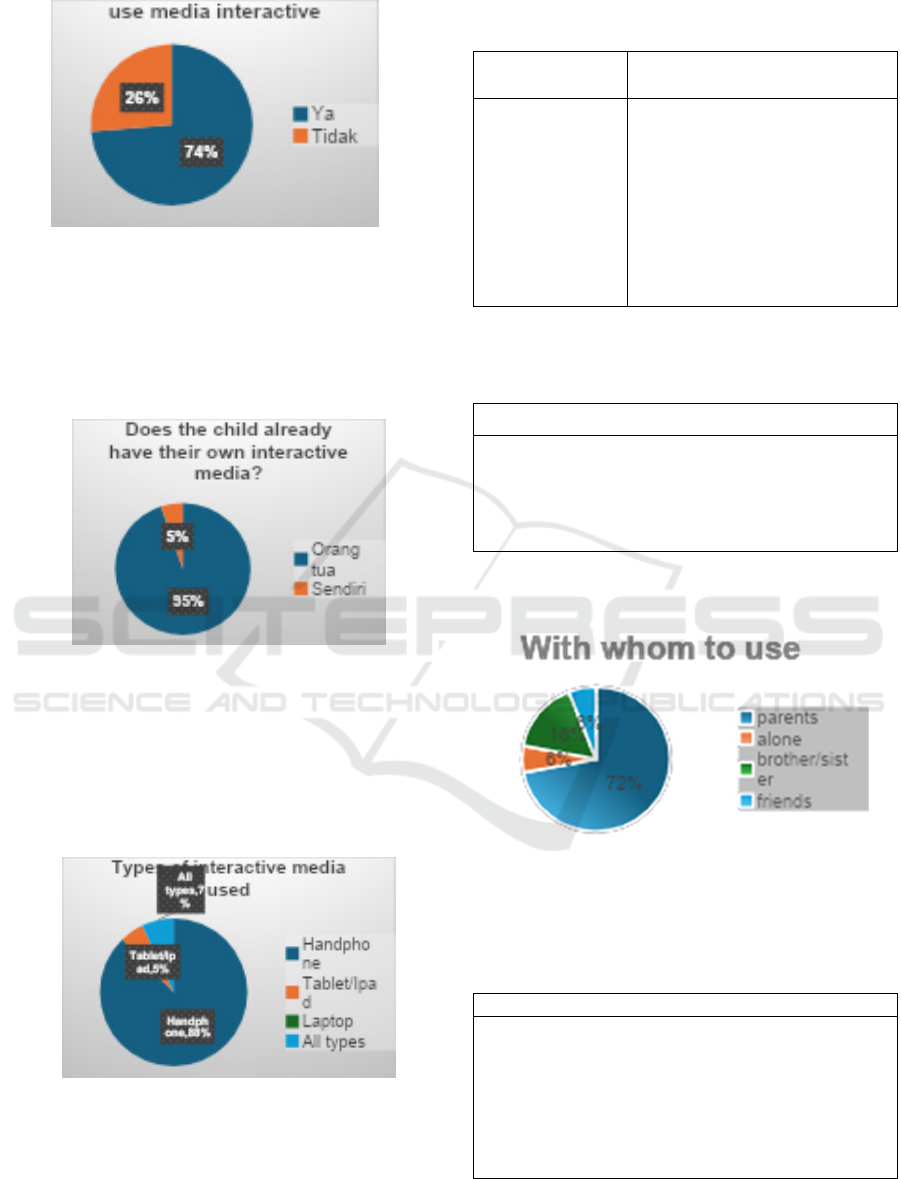
Figure 1: Children used interactive media.
The diagram illustrates that most children (74%) of
the study subjects have used interactive media in
daily activities
Has the child been given his gadget or used
the parents' property?
Figure 2: Do the children already have own interactive
media.
The results showed that children still use interactive
media owned by parents (95%). However, some
children have been given interactive media by their
parents (5%).
What digital media does the child use?
Figure 3: Types of Interactive Media Use.
The interactive media children use is mostly mobile
phones, which is 88%. Other children use
tablets/ipads (5%), and all types as much as 7%.
Do parents limit the time spent using gadgets
every day? How?
Table 1: Data Time Restriction Data and How to Limit
Time for Using Interactive Media.
Screen time
limitations
Access control methods
1. Weekends
2. Afternoon
3. School
holidays
4. Time with
certain rules
(5 minutes –
2 hours)
1. Only when it is necessary to
use (complete tasks,
communication, etc.)
2. Confiscate interactive media
if it violates the rules
3. The existence of rules
4. Using a password that only
parents know
5. Switch with another
g
ame
What are the gadgets used by children for
Table 2: Purpose of Use Interactive Media.
Interactive media deployment strategies
1. Study (work on assignments)
2. Entertainment (playing games, watching,
listening to music)
3. Communication with family, school
1. Lesson apps
Who do children often use digital media
with?
Figure 4: With whom to Use.
How do parents assist/supervise the use of
gadgets in children?
Table 3: Parental control.
Parental control
1. Engage and accompany when using
2. Limit usage time
3. Choose a watch type
4. Set settings for apps that can be opened
5. Does not provide a data plan
6. Media interactive held by parents
7. Be consistent in appl
y
in
g
rules
What is your purpose in giving gadgets to
children?
Enhancing Early Childhood Social-Emotional Well-Being Through Quality Interactive Media
27
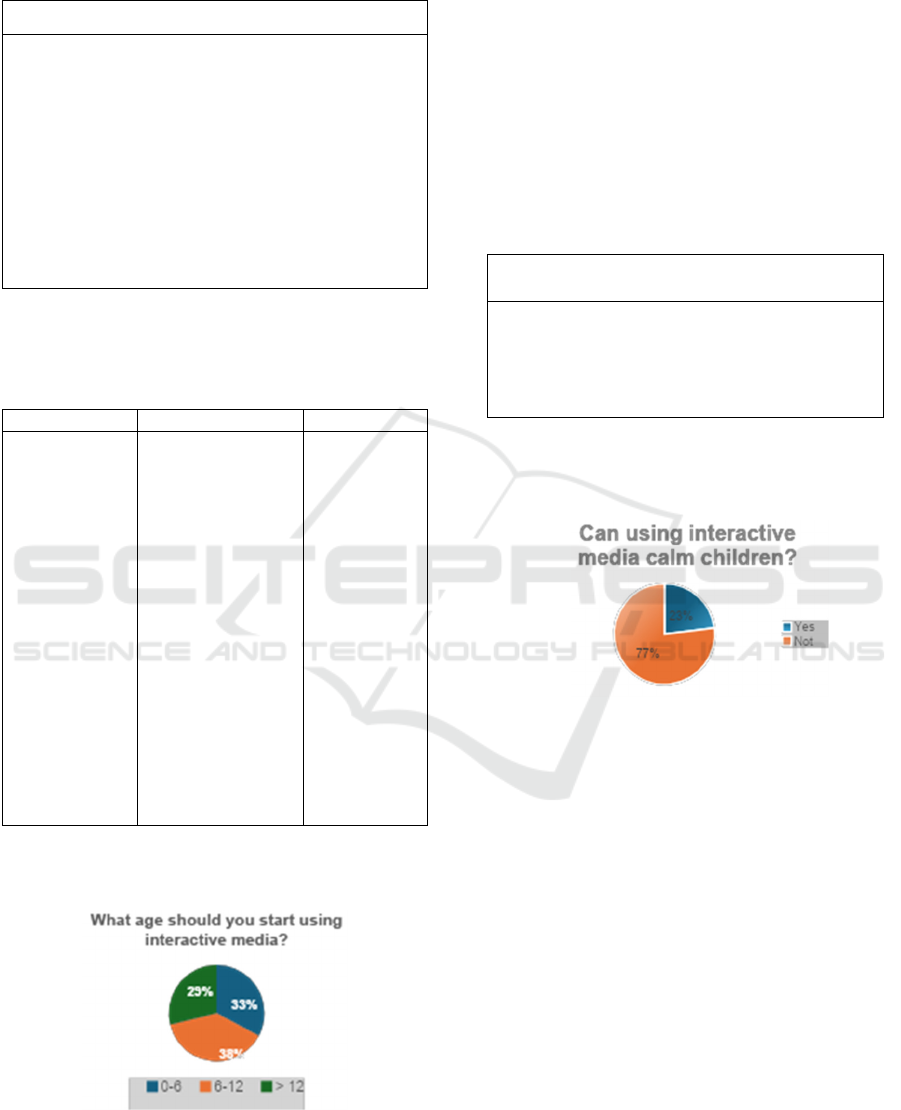
Table 4: Data Time Restriction Data and How to Limit
Time for Using Interactive Media.
Purpose of use media interactive
1. supports learning
2. entertainment
3. play
4. rewards
5. understand technology
6. so as not to be curious
7. communication
8. adding insight
9. study online
10. so that the child can be quiet
11. so that parents can carr
y
out activities at home
What is your purpose in giving gadgets to
children?
Table 5: The opinions regarding the use of interactive media.
Positive Ne
g
ative Neutral
1. technological
progress
2. positive if
supervised
and directed
(there are
rules and
according to
age)
3. enhance
knowledge
4. entertainment
5. useful for
learning
6. important for
development
1. addicted
2. don't play outside
the house
3. speech delay
4. radiation
5. impairs eye
function
6. does not
communicate and
interact with the
environment
7. less useful
8. difficult to arrange
9. increase expenses
for purchasing
internet packages
10. not focused on
completing the
tas
k
1. unavoidable
because
everyone
uses
2. If children
are not given
interactive
media, it's
actually not
a problem.
• At what age do you think children should be
given digital media
Figure 5: What age should start using Interactive Media.
Parents' opinions about what age children should
be given interactive media vary in a range that is not
too far between. Most people aged 6-12 years (38%)
are the most appropriate time to provide interactive
media to children. Furthermore, 33% consider that at
an early age (0-6 years) can be given the use of
interactive media. As many as 29% of parents think
that the provision of interactive media should start at
the age of over 12 years
What content/things can children learn more
about from gadgets than from the experiences
they get in the real world every day?
Table 6: Content Interactive Media.
Interactive media-specific learning content
unavailable in ph
y
sical environments
1. Games
2. Knowledge (ex: about flora and fauna)
3. Watch videos through the app
4. Learn
5. School application
When children have problems with emotional
regulation, is using gadgets good for calming
their emotions?
Figure 6: Can Using Interactive Media, Calm Children.
Based on the data in the picture above, it is known
that 77% of respondents disagree with the opinion
that using interactive media is good for calming
children's emotions. Provision of interactive media,
according to AR, "Children are more difficult to
control." ND states that when interactive media is
used as a tool to calm children, they will become
"addicted, angry if told to stop eating, playing, etc.".
However, 23% of parents agree that interactive media
can calm children as long as it is supervised and
agreed with the child.
Do you think gadgets can develop all aspects
of child development?
ICECE 2025 - The International Conference on Early Childhood Education
28
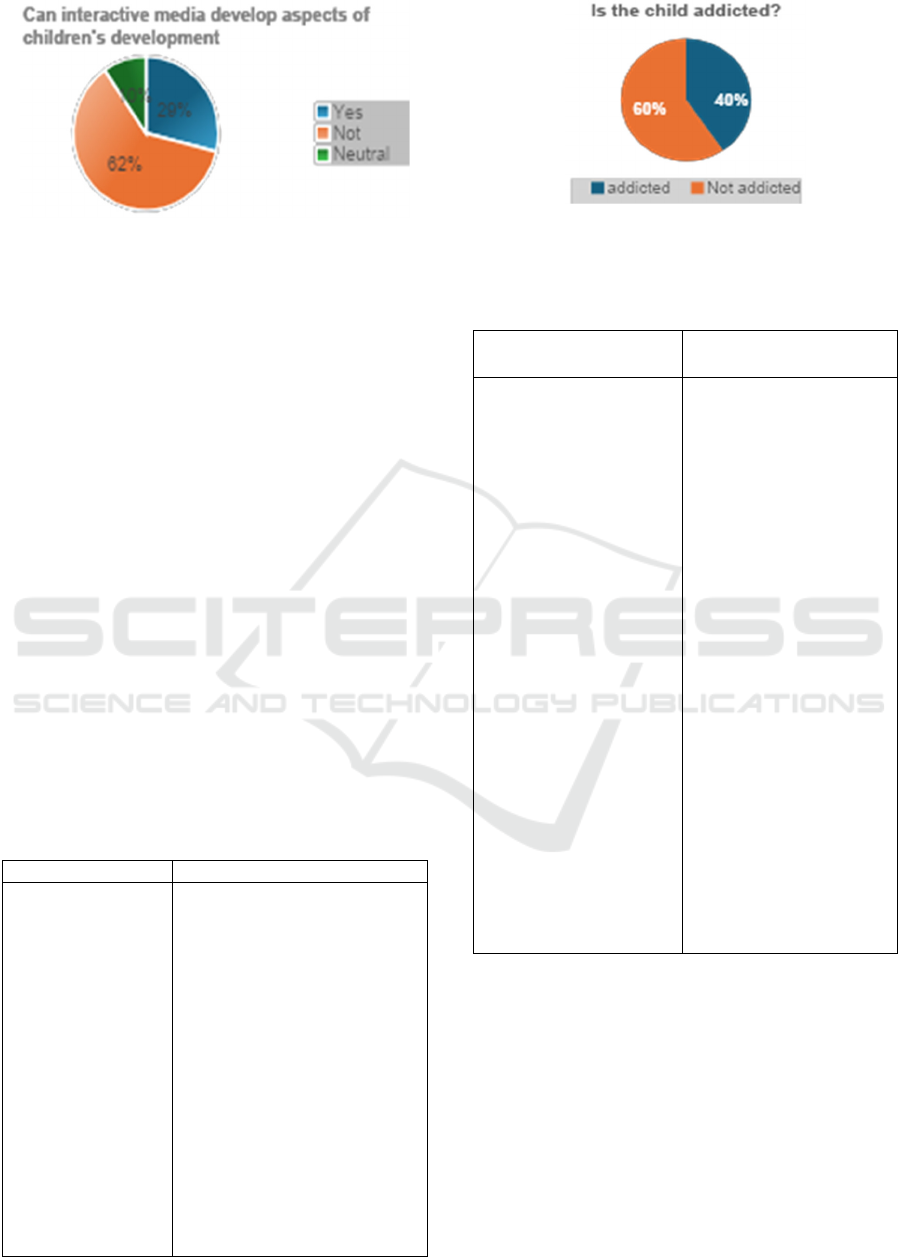
Figure 7: Can interactive media develop aspects of
children's development.
From the picture, it is known that 61% of parents
disagree that interactive media can develop all aspects
of child development. Respondent P stated, "Teachers
need to be role models in real life and understand the
nature of children." Meanwhile, 29% of respondents
agree that using interactive media is done under
parental supervision and wisely. RT respondents
stated that "only certain developmental stimulations,
children do not move actively." Moreover, 10% of
respondents are neutral. The use of interactive media
can have a positive or negative impact depending on
the use.
What do you think is the impact of gadget use
on children's social-emotional development?
Do you think your child has started to get
addicted to gadgets? If so, why and how to
solve it? How is the daily emotional social?
Based on the picture, it is known that according to
respondents, 40% of children are addicted to using
interactive media, and 60% of respondents say their
children are not addicted.
Table 7: Impact Interactive Media for Social Development.
Positive Ne
g
ative
1. The child can still
be controlled
2. Children have a
lot of knowledge
and broad insight
1. Unstable emotions (irritable,
unruly)
2. Low socialization skills of
children (difficulty interacting,
not caring about the
environment)
3. The child becomes
individualistic and selfish
4. Have an introverted personality
5. Likes to dramatize
circumstances
6. The child becomes addicted
7. Children have poor morals
(lack of manners)
8. Language development is not
good
9. Don't like to read books
10. Children don't want to thin
k
Figure 8: Parental perceptions of children's interactive
media addiction.
Table 8: Characteristics of Addiction and how to Overcome
It.
Characteristics of
Addiction
Intervention Strategies
1. Children don't care
when spoken to
while playing
2. The child's emotions
are unstable
(irritable, do not
accept being
reprimanded,
insomnia)
3. If you see another
child using
interactive media,
join the prompt: It is
difficult to advise on
the basis of using to
learn.
1. Create rules and
sanctions according
to mutual agreement
(example: interactive
media is taken, gives
a strong reprimand, is
asked to stop using,
and scolds when it
exceeds the time of
agreement)
2. Accompany when
using
3. Provide
understanding and
prohibit the use of
interactive media for
reasons of eye health.
4. Buy new toys
5. Invite worship
6. Interactive media is
given a password, not
given an internet
package, and gives a
reason if the battery
has run out.
4 DISCUSSION
The role of parents in mediating the use of digital
media is crucial. The study results show that most
children use interactive media from their parents in
their daily activities. Although there is still little
research on the use of shared media between children
and parents, the results of these studies show evidence
that the shared use between parents and children in
technology media will have a positive impact, such as
Enhancing Early Childhood Social-Emotional Well-Being Through Quality Interactive Media
29

improving family relationships, self-efficacy, and
increasing expertise in the use of technology media
(Connell et al., 2015). In addition, technological
media is necessary to support parental engagement
(Lewin & Luckin, 2010). Interactive media
(smartphones and tablet computers) have become an
integral part of many parents and children's lives,
becoming an important part of parent-child
attachment, with these interactions associated with
physical, mental, and social outcomes, although
evidence on the relationship between interactive
media use and attachment to parents has not been
reviewed by many researchers (Hood et al., 2021;
Lewin & Luckin, 2010)
Historical perspectives on technology initiatives
involving parents in children's education have proven
impactful. This illustrates that the need to develop
parents' knowledge and understanding of how best to
use technology media to achieve parental engagement
goals impacts children's success in learning.
Technology can support family-school relationships,
as well as parental engagement itself. The potential of
technology in connecting home and school, for
example, through laptops and other digital media, is:
(a) To change the role and status of homework and
expand learning opportunities; (b) To transfer work
between home and school, and access school intranet
and learning platforms anywhere and anytime; (c) To
improve communication between school and home;
and (d) To enhance academic achievement through
increased parental involvement. This opinion also
aligns with the research results that found that
children use interactive media for learning,
entertainment, communication with family and
school, and various learning applications (Lewin &
Luckin, 2010).
Children need personalized and adaptive activities
with immediate feedback from the tasks they
complete, whether as part of a class, as a small group
or as an individual. Relevant home activities to
support parental engagement need to be prepared and
organized. Children also need the ability of parents to
share and discuss their activities at school (Wolf et
al., 2009). From the research subjects, it is known that
limiting the time of use is very important in assisting
the use of interactive media in children's activities.
These restrictions and rules vary from parent to parent
by limiting time, type of viewing, use only when there
are parents, setting application settings, and
consistency in applying interactive media usage rules
(Guedes et al., 2020).
Children's behavior and values are learned based
on their interaction with the social environment.
Initial learning is done at home; these behaviors and
values will be carried over to the school environment.
Positive emotional experiences between parent and
child will be important in developing social-
emotional well-being in infants and children. A sense
of "healthiness" in well-being will lead to resilience,
which will support the child's ability to interpret,
experience, manage, and cope effectively with joyous
and distressing events in the child's life (Bagdi &
Vacca, 2005). The research data also showed that
most subjects agreed that using interactive media can
support children's emotional development with good
parental and environmental supervision. The
influence of interactive media on child development
is highly dependent on the social context of its use
and the type of activity carried (Hadders-Algra, 2020)
The family environment is an important predictor
of child development because a good family will
create a supportive environment, strong stimuli to
support development and provide good learning
materials (Black et al., 2017). So, it can be said that
parents remain the most important socialization
agents in children's lives, including parent-child
interactions, and the use of interactive media can
affect further child development (Skaug et al., 2018).
Early experience with technology has a major and
positive influence on a child's school performance
and digital skills at a later stage of development
(Hurwitz & Schmitt, 2020). On the other hand, there
are concerns that children's time using digital media
can replace other activities that can further educate
and enrich children's development (Hurwitz &
Schmitt, 2020). Excessive use of interactive media
can lead to dependence, compulsive use, and social
interaction difficulties (Lewin & Luckin, 2010).
However, some researchers argue that if used
properly, it can be a source of stimulation for child
development. Children who watch television are
consistently negatively associated with academic
outcomes, but computer use for school is consistently
positively associated with academic outcomes (Tang
& Patrick, 2018).
When parents show behavior supporting the use
of digital media (gadgets), parents will adjust to the
number and type of scope of activities used by
children to develop capacity and activities using
media so that digital media use activities will be of
high quality. In addition, education and nurturing for
children's growth and development will be done
optimally and balanced between school and home
education to achieve children's well-being (Nikken &
Opree, 2018; Nikken & Schols, 2015).
ICECE 2025 - The International Conference on Early Childhood Education
30

5 CONCLUSIONS AND
IMPLICATIONS
The use of interactive media is undeniable in children.
Most early childhood children have been introduced
to parents' interactive media, especially smartphones.
Parents have different ways to limit the use of
interactive media. Interactive media are used for
learning, entertainment, and communication. When
children use interactive media, parents are involved
and accompany them, so they know about their
children's activities with interactive media. Parents
have different opinions about providing interactive
media to children. Most parents state that children
should be given interactive media when they are
school-age (6-8 years) to support their learning.
However, most parents disagree that using interactive
media can develop all aspects of child development,
only certain aspects, because children do not move
actively. In addition, most parents state that the use of
interactive media brings a negative impact that is
greater than the positive impact, which can cause
addiction in children.
REFERENCES
Bagdi, A., & Vacca, J. (2005). Supporting early childhood
social-emotional well being: The building blocks for
early learning and school success. Early Childhood
Education Journal, 33(3), 145–150.
Black, M. M., Walker, S. P., Fernald, L. C. H., Andersen, C.
T., DiGirolamo, A. M., Lu, C., McCoy, D. C., Fink, G.,
Shawar, Y. R., & Shiffman, J. (2017). Early childhood
development coming of age: science through the life
course. The Lancet, 389(10064), 77–90.
Connell, S. L., Lauricella, A. R., & Wartella, E. (2015).
Parental Co-Use of Media Technology with their Young
Children in the USA. Journal of Children and Media,
9(1), 5–21. https://doi.org/10.1080/17482798.
2015.997440
Dacey, J. S., Fiore, L. B., & Brion-Meisels, S. (2016). Your
child’s social and emotional well-being: a complete
guide for parents and those who help them. John Wiley
& Sons.
Darling-Churchill, K. E., & Lippman, L. (2016). Early
childhood social and emotional development: Advancing
the field of measurement. Journal of Applied
Developmental Psychology, 45, 1–7.
Eisen, S., Matthews, S. E., & Jirout, J. (2021). Parents’ and
children’s gendered beliefs about toys and screen media.
Journal of Applied Developmental Psychology, 74,
101276. https://doi.org/10.1016/j.appdev.2021.101276
Green, L., Holloway, D., Stevenson, K., Leaver, T., &
Haddon, L. (2021). The Routledge companion to digital
media and children. Routledge New York, NY, USA.
https://doi.org/10.4324/9781351004107
Guedes, S. da C., Morais, R. L. de S., Santos, L. R., Leite, H.
R., Nobre, J. N. P., & Santos, J. N. (2020). Children’s use
of Interactive Media in Early Childhood - An
Epidemiological Study. Revista Paulista de Pediatria :
Orgao Oficial Da Sociedade de Pediatria de Sao Paulo,
38, e2018165. https://doi.org/10.159 0/1984-
0462/2020/38/2018165
Hadders-Algra, M. (2020). Interactive media use and early
childhood development. In Jornal de pediatria (Vol. 96,
Issue 3, pp. 273–275). SciELO Brasil.
Hood, R., Zabatiero, J., Zubrick, S. R., Silva, D., & Straker,
L. (2021). The association of mobile touch screen device
use with parent-child attachment: a systematic review.
Ergonomics, 64(12), 1606–1622. https://doi.
org/10.1080/00140139.2021.1948617
Hurlock, E. B. (2011). Perkembangan Perkembangan Anak
Jilid I, edisi keenam. Jakarta: Erlangga.
Hurwitz, L. B., & Schmitt, K. L. (2020). Can children benefit
from early internet exposure? Short-and long-term links
between internet use, digital skill, and academic
performance. Computers & Education, 146, 103750.
Kelly, C., Anthony, E. K., & Krysik, J. (2019). “How am I
doing?” narratives of youth living in congregate care on
their social-emotional well-being. Children and Youth
Services Review, 103
, 255–263.
Lewin, C., & Luckin, R. (2010). Technology to support
parental engagement in elementary education: Lessons
learned from the UK. Computers & Education, 54(3),
749–758.
McCrindle, M., & Wolfinger, E. (2009). The ABC of XYZ:
Understanding the Global Generations. UNSW Press.
https://books.google.co.id/books?id=BDPHKP31lQEC
Nikken, P., & Opree, S. J. (2018). Guiding young children’s
digital media use: SES-differences in mediation concerns
and competence. Journal of Child and Family Studies,
27(6), 1844–1857.
Nikken, P., & Schols, M. (2015). How and why parents guide
the media use of young children. Journal of Child and
Family Studies, 24(11), 3423–3435.
Nobre, J. N. P., Vinolas Prat, B., Santos, J. N., Santos, L. R.,
Pereira, L., da C. Guedes, S., Ribeiro, R. F., & de S.
Morais, R. L. (2020). Quality of interactive media use in
early childhood and child development: a multicriteria
analysis. Jornal de Pediatria, 96(3), 310–317.
https://doi.org/10.1016/j.jped.2018.11.015
Purnama, S. (2018). Pengasuhan digital untuk anak generasi
alpha. Al Hikmah Proceedings on Islamic Early
Childhood Education, 1, 493–502.
Radesky, J. S., Schumacher, J., & Zuckerman, B. (2015).
Mobile and interactive media use by young children: the
good, the bad, and the unknown. Pediatrics, 135(1), 1–3.
https://doi.org/10.1542/peds.2014-2251
Rohimin, R. (2020). Reposisi pendidikan keluarga bagi anak
generasi alfa. https://ejournal.iainbengkulu.ac.id/
index.php/nuansa/article/view/2765
Skaug, S., Englund, K. T., Saksvik‐Lehouillier, I., Lydersen,
S., & Wichstrøm, L. (2018). Parent–child interactions
during traditional and interactive media settings: A pilot
Enhancing Early Childhood Social-Emotional Well-Being Through Quality Interactive Media
31

randomized control study. Scandinavian Journal of
Psychology, 59(2), 135–145.
Straker, L., & Pollock, C. (2005). Optimizing the Interaction
of Children with Information and Communication
Technologies. Ergonomics, 48(5), 506–521.
Tang, S., & Patrick, M. E. (2018). Technology and interactive
social media use among 8th and 10th graders in the US
and associations with homework and school grades.
Computers in Human Behavior, 86, 34–44.
Twenge, J. M., & Campbell, W. K. (2018). Associations
between screen time and lower psychological well-being
among children and adolescents: Evidence from a
population-based study. Preventive Medicine Reports, 12,
271–283. https://doi.org/10.1016/j.pmedr.2018.10.003
Wolf, D. S., Sax, L., & Harper, C. E. (2009). Parental
Engagement and Contact in the Academic Lives of
College Students. NASPA Journal, 46(2), 325–358.
https://doi.org/10.2202/1949-6605.6044
ICECE 2025 - The International Conference on Early Childhood Education
32
