
Research on Financial Investment and Countermeasures of
Pre-Primary Education in East Asian Countries Under the
Background of Low Fertility Rate
Yining Liu
College of Education, Jiangnan University, Wuxi, Jiangsu, China
Keywords: Financial Investment in Education, Pre-Primary Education, Low Fertility Rate, Comparative Study.
Abstract: Nowadays, the issue of low fertility rate is an important topic of global discussion. This article focuses on
regions with severely low fertility rates, namely East Asian countries, and mainly explores the financial
investment level, expenditure structure, and cost-sharing of pre-primary education in East Asian countries.
Research has found that East Asian countries have low levels of financial investment in pre-primary education
and an unreasonable expenditure structure, which in turn leads to low willingness of teachers to work, heavy
psychological and economic burdens on families, and difficulty in maintaining high-quality and stable
development of pre-primary education. This article proposes four feasible measures to address the current
situation: First, improve the fiscal system and provide legal protection for investment levels. Second,
strengthen government regulation and adhere to public welfare. Third, optimize structural allocation and
increase teacher spending. Finally, reduces family burden and improves fertility rates from multiple
perspectives.
1 INTRODUCTION
Nowadays, most countries are experiencing a
continuous decline in birth rates, maintaining low
fertility levels for a long time, and society is entering
an era of negative population growth. Among them,
although the population base in East Asia is relatively
large, the fertility rate has been continuously
declining year by year, and the school-age population
has significantly decreased, showing the
characteristics of "low birth rate and high aging". In
2023, the Republic of Korea has the lowest fertility
rate in the world, and the Organization for Economic
Cooperation and Development (OECD) has
summarized this experience as a lesson for the unborn
future (Yang et al., 2024). Japan uses the term
'declining birthrate' to describe the population crisis it
has been facing for a long time. China's fertility rate
ranks second to last among major economies in the
world, with a significant decline.
The low fertility rate affects the development of
various aspects of the country, among which the issue
of education cannot be ignored. Among all
educational stages, low fertility rates first affect pre-
primary education. Because pre-primary education is
the starting point of lifelong education, it plays a
crucial role in both individual education levels and
overall national quality. Conversely, the development
of pre-primary education also has a certain degree of
impact on the trend of fertility rates. Scholars have
shown that low fertility rates have the most
significant impact on education funding for pre-
primary education in the entire education system
(Wang & Liu, 2020). Meanwhile, when the
government invests in early childhood education, the
return on investment is highest (OECD, 2024). The
OECD explicitly states that the goal of expanding
participation in early childhood education and care
(ECEC) is consistent with the Sustainable
Development Goals (SDGs).
Adequate, appropriate, stable, and fair investment
in education is the cornerstone and ladder of the
development of pre-primary education. In the field of
education finance research from the perspective of
international comparison in the past, most of the
research objects were comparisons within OECD
countries, ignoring the problem of significant
differences in education and economy between
countries. In terms of the educational stages of
research, almost all focus on compulsory education
and higher education, with relatively few studies
involving early childhood education. In terms of
research content, most scholars only focus on
222
Liu, Y.
Research on Financial Investment and Countermeasures of Pre-Primary Education in East Asian Countries Under the Background of Low Fertility Rate.
DOI: 10.5220/0013977400004912
Paper published under CC license (CC BY-NC-ND 4.0)
In Proceedings of the 1st International Conference on Innovative Education and Social Development (IESD 2025), pages 222-230
ISBN: 978-989-758-779-5
Proceedings Copyright © 2025 by SCITEPRESS – Science and Technology Publications, Lda.
studying a certain aspect of education funding (Li et
al., 2020). This study attempts to compare from a
more comprehensive perspective. Based on this, this
study will explore the current characteristics and
trends, existing problems and reasons, relevant
policies, and directions for improvement of financial
investment in pre-primary education in East Asian
countries under the background of low fertility rates.
2 RESEARCH PROCESS
2.1 Research Content and Methods
2.1.1 Feasibility of the Research Topic
This study selects East Asian countries (China, Japan,
Republic of Korea) as the comparative objects of
financial investment and policies in pre-primary
education under the background of low fertility rates.
Firstly, in terms of population, the East Asian region
is densely populated, and three countries have
significant issues with low fertility rates and a low
willingness of their citizens to have children.
Economically, China, Japan, and the Republic of
Korea have relatively high levels of economic
development, with their national GDP ranking
roughly 2nd, 4th, and 14th respectively. Politically,
China, Japan, and the Republic of Korea have a
cooperative and competitive relationship, and all
attach great importance to enhancing national
competitiveness through talent policies. In terms of
culture, the serious internalization of education, the
generally high cost of education, and the fierce
competition for educational resources are particularly
evident on a global scale. Moreover, studies have
shown that the characteristics of financial investment
in pre-primary education in Japan and the Republic of
Korea from 1998 to 2010 in various dimensions are
significantly different from most OECD countries.
Therefore, due to their similar social backgrounds and
prominent issues in education finance, selecting East
Asian countries as research subjects has typical
representativeness.
2.1.2 Partial Concept and Data Explanation
The OECD refers to early childhood education and
care as the ECEC project, which is divided into early
childhood educational development for children aged
0-2 (ISCED 01) and pre-primary education for
children aged 3-5 (ISCED 02). Due to China not
being an OECD country, there is limited material and
research on early childhood educational development
for children aged 0-2 (ISCED 01). Therefore, this
article only focuses on the comparison of pre-primary
education for children aged 3-5 (ISCED 02). If data
is missing, overall early childhood education (ISCED
0) will be used instead.
2.1.3 Research Content and Methods
This article conducts a comparative study on the
financial investment in early childhood education in
East Asian countries from 2013 to 2023 from an
international comparative perspective. Based on the
theories of education cost sharing, fiscal expenditure,
and social welfare, the study uses the OECD
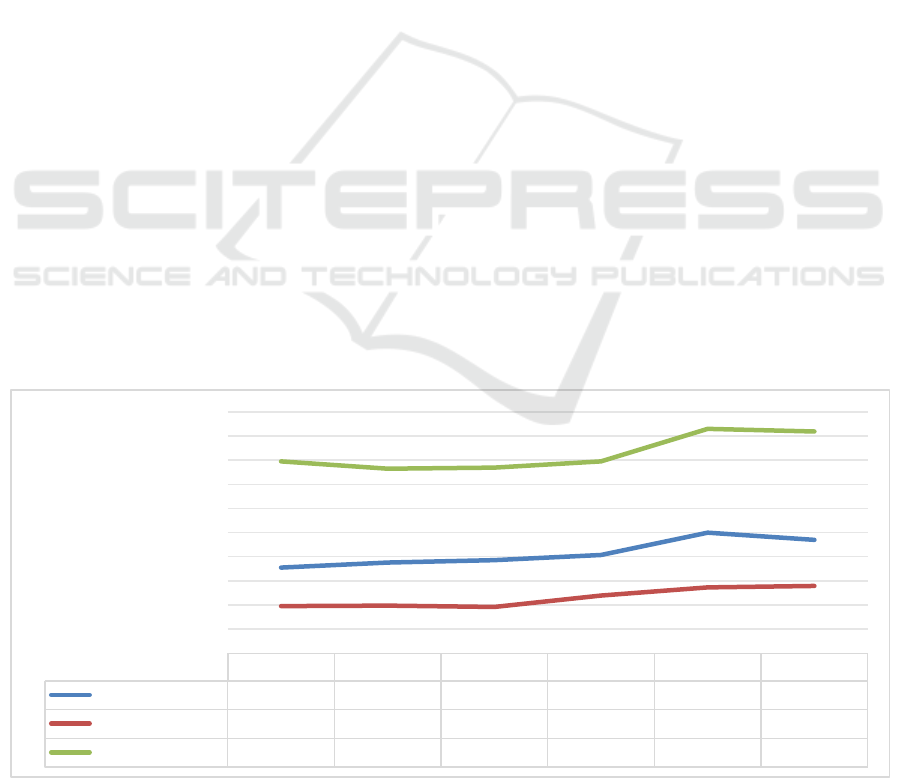
Figure 1: Government expenditure on pre-primary education as a percentage of GDP.
2016 2017 2018 2019 2020 2021
China
0,177663517 0,1879211 0,192970315 0,203539502 0,249973808 0,234977702
Japan
0,097609997 0,098640002 0,095980003 0,119580001 0,136350006 0,139459997
Republic of Korea
0,397520006 0,382550001 0,384730011 0,397529989 0,465000004 0,459500015
0
0,05
0,1
0,15
0,2
0,25
0,3
0,35
0,4
0,45
0,5
%
Research on Financial Investment and Countermeasures of Pre-Primary Education in East Asian Countries Under the Background of Low
Fertility Rate
223
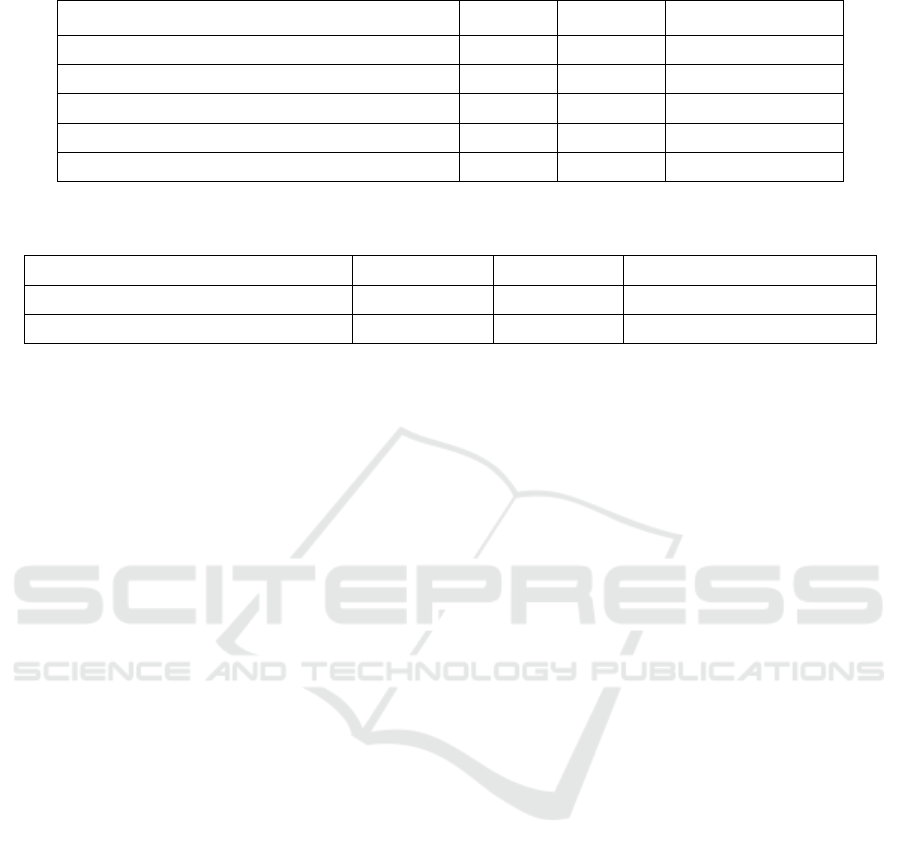
Table 1: Government expenditure on education as a percentage of GDP in 2021.
China Japan Republic of Korea
Tertiary education expenditure (%) 0.83 0.73 0.92
Upper secondary education expenditure (%) 0.63 0.68 1.11
Lower secondary education expenditure (%) 0.76 0.66 0.86
Primary education expenditure (%) 1.22 1.13 1.52
pre-primary education expenditure (%) 0.23 0.14 0.46
Table 2: Capital Expenditure and Current Expenditure as a percentage of total expenditure in pre-primary public institutions
in East Asian Countries.
China (2022) Japan(2021) Republic of Korea (2021)
Capital expenditure percentage (%) 17.35 8.17 16.94
Current expenditure percentage (%) 82.65 91.83 83.06
database, UNESCO database, World Bank database,
China Education Statistical Yearbook, and Japanese
and Korean education white papers. Under the
background of low fertility rates, the study compares
the financial investment in early childhood education
in East Asian countries from several dimensions,
including government investment level, government
expenditure structure, cost-sharing structure, and
early childhood education fiscal policies. The study
includes internal comparisons and comparisons
betw
een East Asian countries and OECD
countries.
2.2 Comparison of Relevant Data on
Government Financial Investment
Level
2.2.1 Investment Scale
One of the key indicators for determining the scale of
education financial investment in a country is the
proportion of government expenditure on education
to gross domestic product (GDP). As shown in Figure
1, from 2016 to 2021, East Asian countries' total
investment in pre-primary education as a percentage
of GDP has steadily increased, but it is far below the
average level of OECD countries (0.8%). Within five
years, Japan had the highest growth rate (40%), the
Republic of Korea (15%), and China (27.7%). By
2021, the Republic of Korea government's
expenditure on pre-primary education accounted for
0.46% of the Republic of Korea's GDP, maintaining
a clear lead, followed by China (0.23%) and Japan
(0.14%).
Comparing the government's expenditure on
education at all levels can indicate the degree of
importance the government places on education at all
levels. As shown in Table 1, the financial investment
in pre-primary education in East Asian countries is
much lower than that in other education stages, with
the highest investment in primary education. China's
investment in pre-primary education is about one-
fifth of primary education, Japan is about one-tenth,
and the Republic of Korea is about one-third. So East
Asian countries, especially Japan, need to pay more
attention to and invest in pre-primary education.
2.2.2 Investment Structure Configuration
On average, over 90% of the expenditures of
education institutions at all levels in OECD countries
are current expenses, which refer to the resources
needed for daily operations such as salaries of
teachers and other staff, school meals, etc. As shown
in Table 2, the investment structure of pre-primary
education in East Asian countries is similar, but the
current expenditure on children's education in the
Republic of Korea and China is relatively
insufficient. The governments of the two countries
need to adjust the financial investment structure of
pre-primary education.
2.2.3 Number and Salary of Teachers
The change in the number of pre-primary education
teachers can indicate the loss or growth of a country's
teaching staff. As shown in Figure 2, the number of
pre-primary education teachers in China has
IESD 2025 - International Conference on Innovative Education and Social Development
224
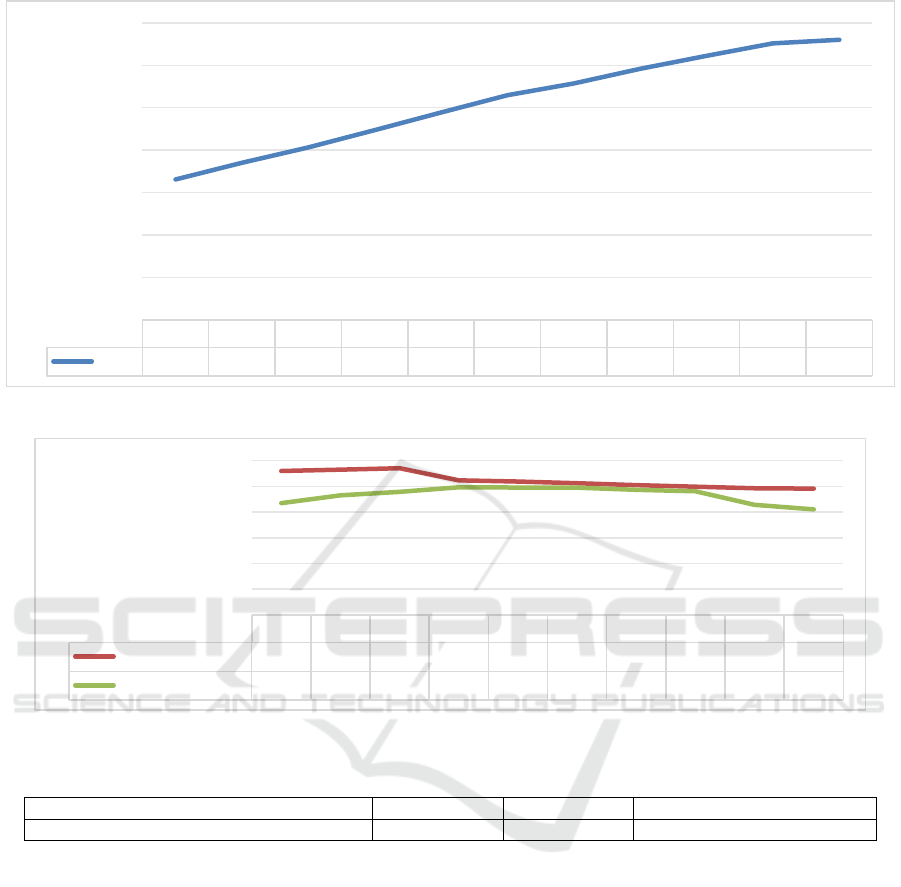
Figure 2: Teachers in pre-primary education in China of both sexes (number).
Figure 3: Teachers in pre-primary education in Japan and the Republic of Korea both sexes (number).
Table 3: All staff compensation as a percentage of total expenditure in pre-primary public institutions.
China
(
2022
)
Ja
p
an
(
2021
)
Re
p
ublic of Korea
(
2021
)
all staff compensation percentage (%) 59.96 73.95 49.34
significantly increased, with a growth rate of 99.5%
in the past 10 years, and by 2023, qualified teachers
will account for 97.65% of the total pre-primary
education teachers. As shown in Figure 3, the number
of teachers in Japan and the Republic of Korea has
significantly decreased, indicating that the pre-
primary education industry has lost some professional
attractiveness. Especially in recent years, there has
been a serious loss of teachers in two countries, but
the proportion of qualified pre-primary teachers in the
Republic of Korea has remained at 100% for the past
decade.
The student-teacher ratio in pre-primary
education refers to the ratio of children to teaching
staff, which is one of the indicators reflecting the
quality of pre-primary education. From Figure 4, it
can be seen that the student-teacher ratio in Japan is
significantly higher than the other two countries and
shows a continuous upward trend, while the student-
teacher ratio in China and the Republic of Korea has
been decreasing year by year. According to OECD
data, in 2022, the student-teacher ratio in pre-primary
education in Japan and the Republic of Korea is 12:1,
while in China it is 15:1. All three countries have
improved and reached the OECD average level
(15:1).
The proportion of all staff compensation reflects
the government's investment in welfare benefits for
employees in the pre-primary education industry.
Table 3 shows that more than half of the pre-primary
education funds are used to pay staff compensation,
but it is still insufficient. Japan has the highest
proportion (74%), followed by China (60%), and the
Republic of Korea has a lower proportion (49%).
2013 2014 2015 2016 2017 2018 2019 2020 2021 2022 2023
China
1655336 1851201 2032327 2235731 2443612 2647280 2786176 2959169 3112038 3258916 3302256
0
500000
1000000
1500000
2000000
2500000
3000000
3500000
number
2013 2014 2015 2016 2017 2018 2019 2020 2021 2022
Japan
111935 113043 114139 104694 103777 102459 100967 99777 98513 98290
Republic of Korea
86959 93024 95722 99346 99081 99020 97297 96230 85679 82172
0
20000
40000
60000
80000
100000
120000
number
Research on Financial Investment and Countermeasures of Pre-Primary Education in East Asian Countries Under the Background of Low
Fertility Rate
225
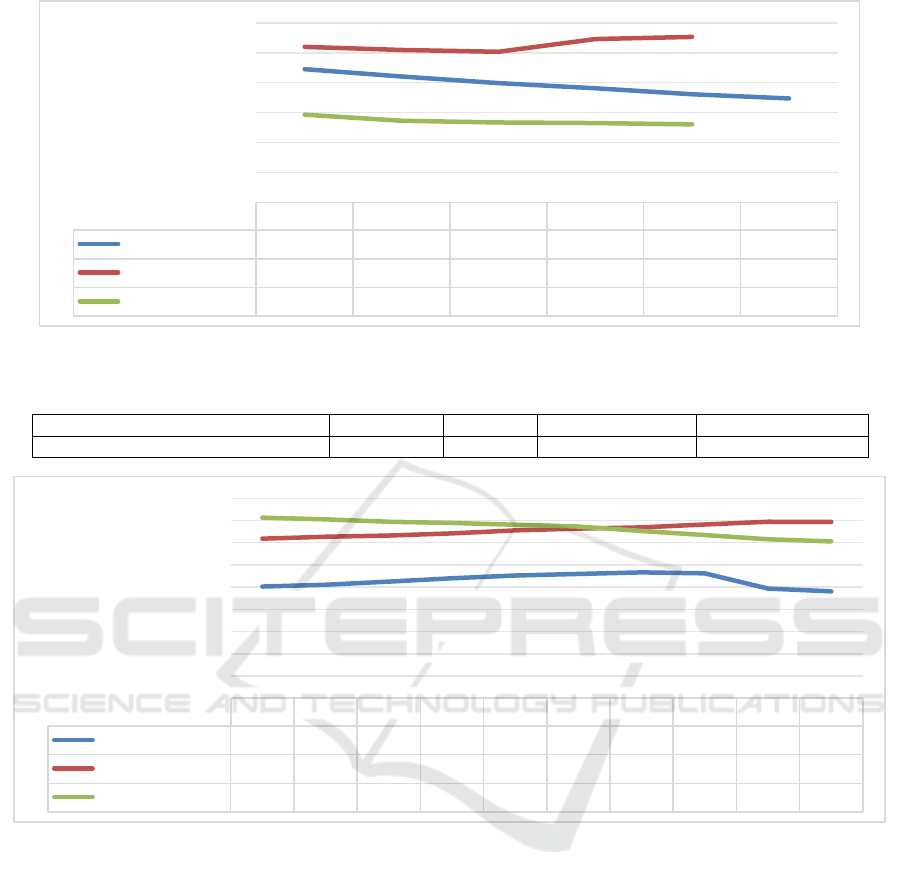
Figure 4: Student-to-teacher ratio in pre-primary education in East Asian countries.
Table 4: Share of expenditure on pre-primary institutions coming from households in East Asian Countries in 2021.
China Japan Republic of Korea OECD average
The share of household ex
p
enditure
(
%
)
36 7 10 13
Figure 5: Percentage of enrolment in pre-primary education in private institutions in East Asian countries.
2.2.4 Family Education Burden
Pre-primary education expenditure is divided into
private expenditure and public expenditure. Private
expenditures mainly include donations from families
in the form of tuition fees, cafeteria expenses, and
other forms of payment. As shown in Table 4, East
Asian governments bear more than half of the cost of
pre-primary education, while China's household
expenditure is significantly higher, which means that
the economic burden of pre-primary education for
Chinese families is heavier. The latest OECD report
says 13% of pre-primary spending comes from
households, with the Republic of Korea and Japan
both below that level. The overall distribution of
education costs in East Asia is characterized by
government spending as the main source,
supplemented by social and household expenditures
(Li & Wang, 2015).
Pre-primary children attend public or private
institutions. In 2022, 33% of pre-primary children in
OECD countries attend private institutions, far higher
than primary and secondary schools. As shown in
Figure 5, more than half of the children in East Asian
countries attend private institutions, indicating that
public institutions are less attractive to East Asian
families, and East Asian governments need to
strengthen the construction of public institutions. The
enrollment rate of private institutions in China and the
Republic of Korea has significantly decreased, but the
enrollment rate in Japan continues to rise.
2013 2014 2015 2016 2017 2018
China
22,27 21,04 19,93 19,08 18,06 17,38
Japan
26 25,48 25,19 27,3 27,68
Republic of Korea
14,67 13,63 13,36 13,25 13,03
0
5
10
15
20
25
30
student-teacher ratio
2013 2014 2015 2016 2017 2018 2019 2020 2021 2022
China
50,267651,1017252,4692153,9867755,2273355,9188256,6958356,203449,3649448,11306
Japan
71,86406 72,701 73,2257574,203775,5890876,3958376,9091878,210879,4969779,42483
Republic of Korea
81,3017180,5621279,481378,9394378,11954 77,305 75,3127973,4519371,5873970,63703
0
10
20
30
40
50
60
70
80
90
%
IESD 2025 - International Conference on Innovative Education and Social Development
226

3 PROBLEMS AND
DIFFICULTIES
3.1 Unable to Support High-Quality
Development
Against the backdrop of low fertility rates, East Asian
countries have increased their financial investment in
pre-primary education. From the ratio of funding
investment to GDP, it can be seen that the three
countries have experienced significant increases,
indicating a strengthened emphasis on pre-primary
education. However, they are far below the
international average level, and there is a gap that is
difficult to fill in a short time compared to developed
countries in education. This indicates that the
financial foundation is poor, and even with increased
investment, it is difficult to support the high-level
development of pre-primary education. OECD
countries generally include the age of 5, which is one
year before primary education, in compulsory
education, and most countries have implemented free
education. However, none of the East Asian countries
have made pre-primary education compulsory. Japan
and the Republic of Korea have made pre-primary
education free in recent years, while only a few
regions in China can implement free education.
The scope of beneficiaries of fiscal expenditure in
East Asian countries is constantly expanding, and in
theory, continuous expenditure should be made to
achieve comprehensive coverage. However, based on
the experience and actual national conditions of the
three countries, the government's economic capacity
is limited, and there are difficulties in implementing
significant reforms in the short term, which may shift
the financial burden onto the people. For example, to
ensure the implementation of the free pre-primary
education system, Japan raised the consumption tax
from 8% to 10%, which caused dissatisfaction among
the citizens (Li & Gao, 2024). The financial
investment in pre-primary education should not only
be sufficient but also stable and sustainable, to
increase the confidence of the public in giving birth
and raising young children.
3.2 Unreasonable Structure, Low
Compensation of Teachers
Research in the field of educational fiscal expenditure
structure shows that compared to capital expenditure,
a higher proportion of current expenditure can better
help stabilize the development of pre-primary
education. However, the current expenditure of East
Asian countries is relatively low, while China's
capital expenditure accounts for a relatively high
proportion. East Asian countries need to explore the
scientific proportion of pre-primary education
resource allocation structure, make effective
investments, and promote the stable development of
pre-primary education.
In educational fiscal expenditure, teacher
compensation and welfare benefits are an important
part, which affects the quality of education, return
rate, and industry prosperity. East Asian countries
have never solved the problem of lower income in the
teaching industry compared to other industries, as
well as lower salaries for pre-primary education
teachers compared to other teachers, resulting in an
imbalance between pre-primary teacher
compensation and work pressure. In recent years, the
number of teachers in Japan and the Republic of
Korea has declined significantly, and there are
relatively few human resources directly or indirectly
allocated to children's education. From the
perspective of student-teacher ratio, East Asian
countries have barely met the standards in recent
years while gradually improving. From the
perspective of the proportion of teacher
compensation, Japan and the Republic of Korea have
significant fluctuations in compensation expenditures
for all staff. The income of pre-primary education
teachers in three countries is not high, even relatively
low, and practitioners choose this industry mainly
because of the stability of their profession. But
without high income and good development
prospects, it is difficult for the country to stimulate
teachers' true enthusiasm for education.
3.3 Heavy Economic and Mental
Burden on Families, Showing
Polarization
Overall, East Asian families bear a heavy burden in
early childhood education, divided into economic and
mental burdens. Economically, Chinese households
bear the heaviest burden. Due to the large population
base in China, there is a problem of "expensive and
difficult access to kindergartens". In addition to
kindergarten tuition fees, parents also have to pay
additional fees for after-school services, learning
guidance, childcare, etc., which may even exceed
tuition expenses. So simply canceling tuition fees by
the government is far from enough for East Asian
families.
In addition, due to severe internal competition
within the East Asian education circle, economic and
mental pressures have jointly contributed to the low
Research on Financial Investment and Countermeasures of Pre-Primary Education in East Asian Countries Under the Background of Low
Fertility Rate
227

fertility rate in East Asian countries to a certain
extent. Parents not only need to consider whether they
have money to pay for education but also whether
they can educate well. Compared to public
kindergartens, parents often choose private
kindergartens with higher education quality and more
expensive fees. However, private educational
institutions have many problems, such as high tuition
fees, uneven teaching quality, polarized academic
performance, and chaotic management.
4 SUGGESTIONS FOR FUTURE
STRATEGIES
4.1 Establish a Sound Financial System
and Use Laws to Ensure
Investment
Drawing on the practices of OECD countries, East
Asian countries can legislate to make pre-primary
education compulsory and free. The financial
regulations for pre-primary education in East Asian
countries have been increasing year by year in recent
years. China has issued relevant documents in 2024
to ensure that pre-primary education funds account
for a reasonable proportion of the financial education
funds at the same level. The Republic of Korea
government has established a separate fiscal account
for pre-primary education (Li, 2022). The Japanese
government has established the Children and Family
Bureau, responsible for managing child support
payments. But compared to compulsory education,
these laws and regulations are not yet mature enough.
Increasing fiscal expenditure on pre-primary
education and increasing the proportion of public
expenditure on pre-primary education in the entire
education system requires multiple legal safeguards
from the government, as well as detailed, clear, and
scientific content regulations. East Asian countries
should stipulate the proportion of total financial
expenditure on pre-primary education, the standard of
public funding per student, the standard of teacher
salaries, and develop supporting financial support and
management systems (Huo, et al., 2017). Protecting
the rights and interests of citizens and children
through legal means, and establishing national
authority and credibility, can make the public aware
of the country's willingness to support early
childhood education.
4.2 Strengthen Government Regulation
and Adhere to Public Welfare
East Asian countries need to further strengthen the
leading position and investment of the government,
always grasp the basic direction of public welfare and
inclusiveness of pre-primary education, form a good
and stable pre-primary education environment, and
accelerate the improvement of the public service
system. Japan has implemented a free pre-primary
education system, which stipulates that all children
aged 3-5 and children aged 0-2 from nontax-paying
families are exempt from admission fees (Sun & Li,
2021). China aims to achieve a universal kindergarten
coverage rate of over 85% by 2025. The government's
investment in pre-primary education mainly includes:
fiscal appropriations, tax expenditures, tuition
subsidies, and practical assistance. In terms of tuition
fees, almost all OECD countries provide at least one
year of free education before primary school. The
governments of Sweden and Switzerland do not even
require families to pay for pre-primary education, and
all expenses are fully borne by the government
(Zhang & Huang, 2016). In other aspects, Finland
provides free meals, books, healthcare, and other
related services for children. Drawing on
international experience, East Asian countries need to
diversify their investment in pre-primary education
by extending the period of fee reductions and
providing uninterrupted free services from the birth
of young children until primary education. Tax
reductions and exemptions can be implemented to
assist vulnerable families. East Asian countries can
also increase physical assistance, for example by
increasing investment in teaching equipment to
improve the digitalization level of pre-primary
education (Sun & Zheng, 2024).
4.3 Optimize Structural Configuration
and Increase Expenditure on
Teachers
East Asian countries need to improve the treatment of
teachers and strengthen the guarantee of treatment.
Firstly, it is necessary to increase the proportion of
personnel funding to ensure that pre-primary
education teachers and primary school teachers have
equal salaries, legal status, and social status.
Secondly, East Asian countries need to adjust the
student-teacher ratio, control the working hours of
teachers both inside and outside the school, increase
their willingness to work, and then strengthen the
procedural quality of teacher-child interaction (Min,
et al., 2023). Finally, East Asian countries should
IESD 2025 - International Conference on Innovative Education and Social Development
228

establish special funding to strengthen teacher
training, improve the overall quality of teachers, and
ensure the high-level development of pre-primary
education. Most of Japan's national kindergartens
have higher education support, and 49 national
kindergartens are distributed among various
universities. This training method is worth learning
from (Yu & Sun, 2022). China implements a national
training plan for kindergarten teachers, which
stipulates that training funds are allocated at 5% of
the total annual public budget. In addition, a free
targeted training program for teacher trainees can be
implemented to increase the number of applicants for
early childhood education majors in higher education.
4.4 Reduce Family Burden and
Improve Fertility from Multiple
Perspectives
According to the theory of cost sharing in education,
the main entities responsible for pre-primary
education expenditure include the government,
families, and private institutions. Helping families
reduce education costs can to some extent stimulate
their willingness to have children, but this requires
coordination with other policies. The OECD report
points out that the factors affecting ECEC quality are
mainly divided into five areas: governance, standards
and funding, curriculum and education, workforce
development, data and monitoring, and family and
community participation (OECD, 2021). The five
major areas are closely related and must be reformed
together to produce overall effects. In terms of
education, it is necessary to control the high cost of
extracurricular care and training. East Asian countries
can alleviate families' mental anxiety about education
by establishing a unified curriculum framework and
providing diverse extracurricular services. The
"Common Education and Childcare Curriculum"
proposed by the government in the Republic of Korea
adopts a national-level universal curriculum, which
can control education costs and ensure education
quality. Sweden, Finland, and the UK provide formal
after-school services, including homework guidance,
sports and entertainment, and creative activities.
Secondly, East Asia needs to increase the
government's share of pre-primary education costs,
which can effectively strengthen the construction of
public kindergartens and provide more opportunities
for children to enter. Some countries, such as the
Republic of Korea, have kindergartens run by
companies. This type of school can not only
overcome the problem of unattended children whose
parents are at work but also increase the loyalty of
working employees. Because education is not the key
factor causing low fertility rates, many social factors
need to be considered. So the fiscal policy for pre-
primary education must be coordinated with other
policies to truly increase the willingness to have
children. It is necessary to increase policy support in
areas such as childbirth subsidies, women's rights,
family and marriage. Especially, it is necessary to
respect and protect women's rights, so that women
can maintain a balance between employment and
family life. Society should give women the right to
freely choose their lives at any time (Xia & Liu,
2021).
5 CONCLUSION
In the comparison of various dimensions of data, it
can be seen that the overall financial investment in
pre-primary education in East Asian countries is
lower than the international level. Specifically, the
proportion of East Asian government expenditure on
pre-primary education to GDP is gradually
increasing, but it is lower than the international
average proportion. In the entire education system,
East Asian countries have the lowest investment
proportion in the preschool education stage, but this
stage requires a financial tilt. In East Asian
government expenditure structures, the proportion of
current expenditure is insufficient. Overall, in the
context of low fertility rates, opportunities and
challenges coexist in pre-primary education in East
Asian countries. Although low fertility rates can
alleviate the contradiction between supply and
demand of educational resources to some extent,
considering the sustainable and high-quality
development goals of East Asian countries and their
education, East Asian governments still need to
further strengthen the financial system and legal
protection, financial investment and responsibility
allocation, structural configuration, and teacher team,
cost sharing and policy support related to pre-primary
education. The goal is to reduce family concerns,
increase fertility rates, and enhance the international
competitiveness of East Asian countries.
REFERENCES
H, L., Sun, Q., & Chen, Y. 2017. Comparative study on the
development of pre-primary education between China
and OECD countries. Basic Education (03): 21-30.
Li, F., Zhu, H., &Jiang, Y. 2020. Research on the charac-
teristics and countermeasures of financial investment in
Research on Financial Investment and Countermeasures of Pre-Primary Education in East Asian Countries Under the Background of Low
Fertility Rate
229

pre-primary education in China: Based on an interna-
tional comparative perspective. Journal of Education
(01): 43-54.
Li, H., &Wang, H. 2015. The current situation and enlight-
enment of cost sharing in pre-primary education in
OECD countries. Research on Pre-primary Education
(03): 26-37.
Li, W. 2022. Analysis of fiscal investment policies in pre-
primary education from the perspective of educational
welfare in the Republic of Korea. Comparative Educa-
tion Research (07): 105-112.
Li, Z., & Gao, Y. 2024. The background, process, and mo-
tivation of Japan's three major education gratuitous re-
forms. Journal of Comparative Education (02): 18-33.
Min, H., Wang, H., & Yang, T. 2023. High-quality devel-
opment of pre-primary education under the background
of low fertility rate: opportunities, challenges, and re-
sponses. Research on Educational Development (12):
25-32.
OECD. 2021. Starting strong VI: Supporting meaningful
interactions in early childhood education and care,
starting strong. Paris: OECD Publishing.
OECD. 2024. Education at a Glance 2024: OECD Indica-
tors. Paris: OECD Publishing.
Sun, Q., & Zheng, X. 2024. International comparative study
on the development of pre-primary education under the
background of building an education-strong country.
Comparative Education Research (06): 94-104.
Sun, X., & Li, L. 2021. The free pre-primary education sys-
tem in Japan: background, structure, and issues. For-
eign Education Research (07): 101-111.
Yang, Y., Hwang, H., & Pareliussen, J. 2024. Korea's un-
born future: Lessons from OECD experience. OECD
Economics Department Working Papers. Paris: OECD
Publishing.
Wang, Y., & Liu, Q. 2020. A study on the impact of Japan's
declining birth rate on school education funding. Mod-
ern Japanese Economy (05): 40-54.
Xia, J., & Liu, L. 2021. How to create fertility benefits--
From the perspective of international comparison, the
promotion of the "three children" policy and the con-
struction of supporting measures. Journal of Guangzhou
University (Social Sciences Edition) 20 (06): 85-94.
Yu, J., & Sun, B. 2022. Research on the characteristics and
strategies of the supply side structure of pre-primary ed-
ucation: Experience and inspiration from Japan's
"Home School Co-education". Education Academic
Monthly (12): 48-56.
Zhang, Y., & Huang, H. 2016. International experience re-
search on financial investment in pre-primary educa-
tion--Based on analysis of major developed countries in
OECD. Modern Education Management (11): 28-35.
IESD 2025 - International Conference on Innovative Education and Social Development
230
