
The Relationship Between Chinese Students' Learning Concepts
and Extracurricular Foreign Language Learning
Ming Chen
Central South University of Forestry and Technology, Changsha, Hunan, China
Keywords:
Learning Concepts, Extracurricular Language Learning Activities, Language Acquisition, Motivation, Time
Management, Resource Acquisition.
Abstract: Research on the impact of learning concepts and extracurricular language learning activities on language
acquisition is still insufficient, with a significant research gap. This study aims to investigate Chinese students'
learning concepts and attitudes towards extracurricular language learning activities, provide insights for teach-
ing practice. The study sampled 284 college students and collected data on the respondents' learning concepts
and extracurricular language learning activities through electronic questionnaires. The results show that stu-
dents generally have a positive attitude towards language learning. The motivation for them to learn English
is largely driven by the pursuit of material benefits, and influenced by Confucian culture, they tend to adopt
a passive learning approach. Students face dual challenges in time management and resource acquisition dur-
ing their extracurricular learning process. It is recommended that educational institutions provide necessary
learning resources and encourage students to improve their time management skills, make full use of free
resources.
1 INTRODUCTION
Compared to other Teaching English to Speakers of
Other Languages (TESOL) research areas that focus
on individual learning differences, the study of
language learning motivation has not received
adequate attention. Hosenfeld proposed that language
learners bring their beliefs into the language
classroom (Hosenfeld, 1978). Motivation has been
proven to significantly influence the learning
behaviors of English as a Second Language (ESL)
learners, such as the selection of learning strategies
and self-regulation (Yang, 1999; Wenden, 1999).
Research on the relationship between learning beliefs
and ESL language achievement has also yielded
findings (Huang & Tsai, 2003; Mantle-Bromley,
1995; Ellis, 2008). Out-of-class language learning
activities are similarly an under-researched area in
TESOL studies. The correlation between out-of-class
language learning activities and learner autonomy has
been discovered (Gao, 2009). As Nunan suggested, it
is crucial for learners to apply the skills they are
developing outside the classroom for their second
language development (Nunan, 1991). These
activities are important because they contribute
significantly to the learning of ESL learners (Hyland,
2004).
In China, students' learning beliefs and their
participation in foreign language learning activities
outside the classroom have a significant impact on
their foreign language learning capabilities.
However, despite the important roles these factors
play in the educational process, there has been
relatively little research, leaving a certain gap. This
study provides key insights into the field of foreign
language teaching, forming a component of a broader
research effort that primarily focuses on learners' and
teachers' perceptions of learning concepts,
motivation, and out-of-class language learning
activities. The research findings offer multifaceted
implications for foreign language teaching practices
and support teachers in innovating their teaching
methods. Combining out-of-class activities with
classroom instruction can effectively promote the
enhancement of students' foreign language learning
and cultural understanding capabilities. This study
extensively collects data from Chinese students
regarding their learning concepts and attitudes
towards out-of-class learning and conducts in-depth
analysis to understand students' belief systems and
learning strategies, providing educators with
reference for developing effective teaching strategies.
The study aims to provide empirical data support for
Chen, M.
The Relationship Between Chinese Students’ Learning Concepts and Extracurricular Foreign Language Learning.
DOI: 10.5220/0013968300004912
Paper published under CC license (CC BY-NC-ND 4.0)
In Proceedings of the 1st International Conference on Innovative Education and Social Development (IESD 2025), pages 107-112
ISBN: 978-989-758-779-5
Proceedings Copyright © 2025 by SCITEPRESS – Science and Technology Publications, Lda.
107

educational policymakers, helping them to gain a
deeper understanding of the challenges and
opportunities currently faced in foreign language
teaching. Based on these research findings,
policymakers can plan educational resources more
rationally and formulate educational policies that are
more aligned with students' actual needs, in order to
cultivate foreign language talents with stronger
competitiveness in the context of globalization.
2 RESEARCH
METHODOLOGY
2.1 Subjects of the Survey
In this study, the author has selected a sample that is
easily accessible as the subjects of the survey.
Specifically, these subjects include 284 students who
are currently pursuing undergraduate education. The
academic fields chosen by these students are
concentrated in the arts, covering several sub-
disciplines such as painting, music, dance, and
design. By surveying these art-major students, the
authors hope to gain an in-depth understanding of the
various issues, needs, and attitudes and methods they
face in their learning process.
2.2 Survey Method
For this survey, the author decided to employ a
quantitative research method to ensure the objectivity
and statistical nature of the data. Specifically, the
author designed a computer-based questionnaire. The
computer-based questionnaire is completed through
electronic devices such as computers or smartphones.
Through this form of questionnaire, the author hope
to widely collect the respondents' individual thoughts
and opinions on learning concepts and foreign
language learning activities outside the classroom. the
author will meticulously record the respondents'
attitudes, motivations, methods for learning foreign
languages, and the specific activities and frequency of
their foreign language learning outside the classroom.
This data will help me gain an in-depth understanding
of the respondents' learning concepts and actual
learning behaviors, thereby providing rich first-hand
material for my research.
3 SURVEY RESULTS
Figure 1 illustrates the main purposes for which
people learn foreign languages. Figure1 is divided
into four sections, each representing a different
purpose of learning, with the corresponding
percentage indicated. Here is a detailed analysis.
− A. Academic needs: This has the largest share
at 60.92%. This suggests that over half of the people
learn foreign languages to meet academic
requirements, such as studies or research at school.
− B. Career development: This accounts for
24.3%. This indicates that about a quarter of the
people learn foreign languages for career
advancement, such as using a foreign language at
work or to secure better job opportunities.
− C. Personal interest: This makes up 10.21%.
This shows that some people learn foreign languages
out of personal interest, possibly due to a fondness for
the culture of the language or as a personal hobby.
− D. Others: This category represents 4.58%.
This part may include other purposes for learning
foreign languages that are not specifically listed.
Figure 1: Answers to “What is the main purpose of your for-
eign language learning?” (Sample size = 284).
Figure 1 provides an overview of the motivations
behind people learning foreign languages, showing
that academic needs are the primary motivation,
followed by career development, with personal
interest and other reasons accounting for a smaller
share.
Figure 2: Answers to “When you learn a foreign language
outside of the classroom, what is the most commonly used
learning material?” (Sample size = 284).
IESD 2025 - International Conference on Innovative Education and Social Development
108
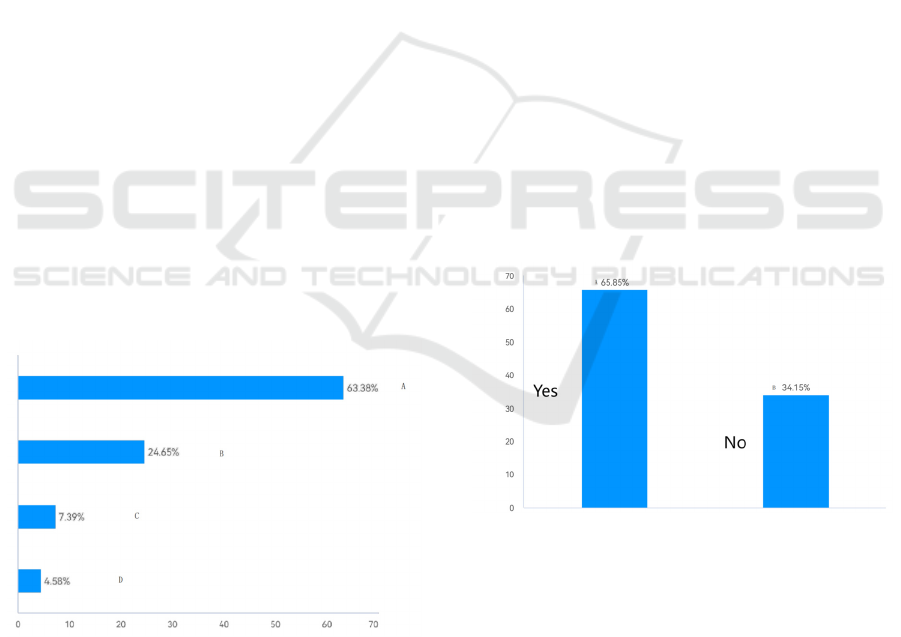
Figure 2 shows the most commonly used learning
materials when people study foreign languages
outside of the classroom. The bar chart is divided into
four sections, each representing a different type of
learning material, with the corresponding percentage
indicated. Here is a detailed analysis.
− A. Books: With the highest percentage at
34.86%, this indicates that books are the most
commonly used material for learning foreign
languages, possibly because they offer systematic
learning content and exercises.
− B. Online Resources: Account for 28.87%.
This shows that online resources are the second most
commonly used learning materials, which may
include websites, blogs, online courses, etc.,
providing flexible and diverse ways of learning.
− C. Videos: Make up 20.77%. The proportion
of videos as learning materials is also relatively high,
likely because they offer visual and auditory input,
which aids in language comprehension and imitation.
− D. Apps: Account for 15.49%. Although apps
have the smallest share, they are still an important
learning tool as they can provide an interactive,
portable, and convenient learning experience.
Figure 2 provides an overview of the learning
materials used by people when studying foreign
languages outside of the classroom, showing that
books are the most popular choice, followed by online
resources, with videos and apps also having a certain
proportion of use. This may reflect the characteristics
and advantages of different learning materials, as well
as the personal study habits and preferences of learners.
Figure 3: Answers to “What is the source of motivation for
learning a foreign language?” (Sample size = 284).
Figure 3 is a horizontal bar chart that illustrates
the sources of motivation for learning a foreign
language. The bar chart is divided into four sections,
each representing a different source of motivation,
with the corresponding percentage indicated. Here is
a detailed analysis.
− A. Self-motivation: With the highest
percentage at 63.38%, this indicates that the majority
of people learn foreign languages due to internal self-
motivation, possibly because of an interest in
language learning or personal goals.
− B. External Pressure: Accounts for 24.65%.
This shows that a significant number of people learn
foreign languages due to external pressures, such as
job requirements, school mandates, or other societal
expectations.
− C. Encouragement From Others: Makes up
7.39%. This suggests that a small portion of people
learn foreign languages because they have been
encouraged by others, which could be the support and
motivation from family, friends, or teachers.
− D. Others: Represents 4.58%. This category
may include other motivations for learning a foreign
language that are not specifically listed.
Figure 3 provides an overview of the sources of
motivation for learning a foreign language, showing
that self-motivation is the primary source of
motivation, followed by external pressure, while
encouragement from others and other reasons account
for a smaller proportion. This likely reflects the
importance of intrinsic motivation in the learning
process, as well as the impact of external factors on
learning motivation.
Figure 4: Answers to “Have you ever participated in online
language learning courses?” (Sample size = 284).
Figure 4 is a vertical bar chart that shows the
participation in online language learning courses. The
bar chart is divided into two sections, each
representing a response option, with the
corresponding percentage indicated. Here is a
detailed analysis.
− A. Yes: Accounts for 65.85%. This
indicates that in the surveyed sample, over two-
thirds of the people said they have participated
in online language learning courses.
The Relationship Between Chinese Students’ Learning Concepts and Extracurricular Foreign Language Learning
109
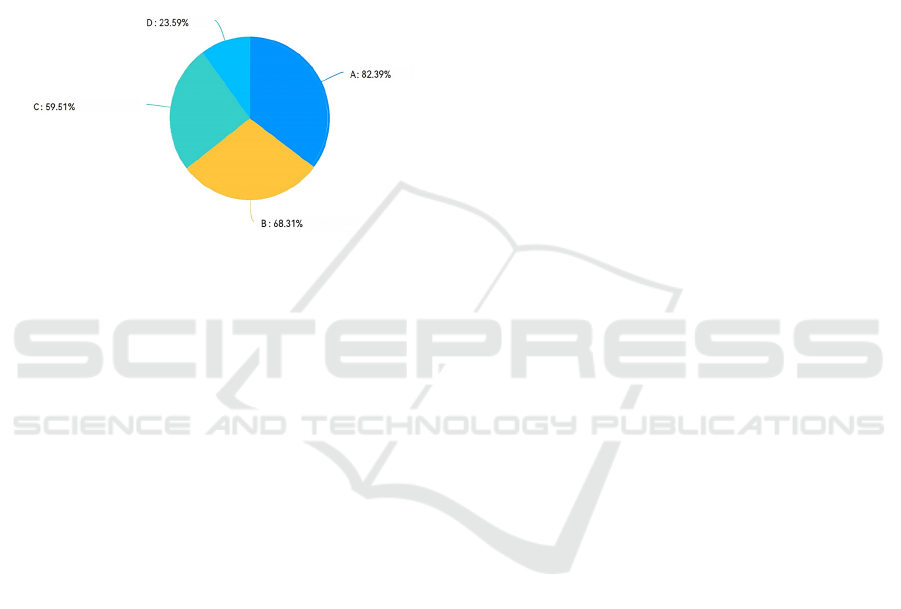
− B. No: Accounts for 34.15%. This shows
that about one-third of the people said they have
not participated in online language learning
courses.
Figure 4 provides an overview of whether
people have participated in online language
learning courses, showing that the majority have
experience with online learning, which may
reflect the prevalence and acceptance of online
learning in language education.
Figure 5: Answers to “What is the purpose of learning a
foreign language?” (Sample size = 284).
Figure 5 shows the distribution of purposes for
learning a foreign language. The pie chart is divided
into four sections, each representing a different
purpose of learning, with the corresponding
percentage indicated. Here is a detailed analysis.
− A. Pass Exams: This has the largest proportion
at 82.39%. This indicates that the main purpose for
most people to learn a foreign language is to pass
relevant language exams.
− B. Improve Communication Skills: This
accounts for 68.31%. This shows that a significant
number of people learn a foreign language to enhance
their communication abilities.
− C. Enhance Professional Competitiveness:
This is at 59.51%. This suggests that nearly six out of
ten people believe that learning a foreign language
can improve their competitiveness in the job market.
− D. Others: This category makes up 23.59%.
This part may include other purposes for learning a
foreign language that are not specifically listed.
Overall, the main motivations for learning a
foreign language are to pass exams and to improve
communication skills, followed by career
development. While other purposes have a smaller
share, they also represent the learning motivations of
a segment of the population.
4 DISCUSSION
It can be distinctly observed that Chinese students
generally hold a positive and optimistic attitude
towards foreign language learning. They are not
limited to traditional classroom learning but also
actively participate in various extracurricular
activities to improve their foreign language
proficiency. These activities include, but are not
limited to, watching foreign language movies and TV
programs, reading foreign books and articles,
listening to English songs, tuning in to English radio
stations, and engaging in self-study through various
foreign language learning software and media
resources. Additionally, they enjoy face-to-face oral
communication with others to exercise and enhance
their practical language application skills. This
method of learning not only helps them better
understand the culture behind the language but also
improves their listening and speaking skills in actual
conversations.
Survey results further reveal the close link
between Chinese students' learning concepts and their
participation in extracurricular foreign language
learning activities. Students who believe that
extracurricular language learning activities are
helpful for improving language skills tend to have a
more positive and favorable attitude towards foreign
language learning. At the same time, students who
actively engage in extracurricular language learning
activities usually place greater emphasis on the
practical application of languages, especially English
conversational skills. They have high confidence and
expectations for learning English, believing that
through their own efforts and a combination of
various learning methods, they can effectively
improve their language proficiency.
Based on the latest research findings, the author
observed that in traditional foreign language teaching
classrooms, teachers are encouraged to adopt
innovative teaching methods and media to enrich the
content and forms of teaching. These new teaching
approaches can not only significantly enhance
students' interest in learning but also effectively
increase their sense of participation and interactivity,
thereby improving learning outcomes. For example,
by using multimedia technology, interactive
whiteboards, online learning platforms, and other
modern educational tools, a more vivid and intuitive
learning environment can be created for students,
making it easier for them to understand and master
foreign language knowledge. Moreover, these tools
can help teachers present teaching content in more
flexible and diverse ways, thus stimulating students'
IESD 2025 - International Conference on Innovative Education and Social Development
110

enthusiasm for learning. Secondly, the research also
emphasizes the importance of extracurricular foreign
language learning activities. By organizing various
forms of extracurricular activities, such as language
corners, language exchanges, and cultural experience
activities, students' interest in continuing to learn
foreign languages outside the classroom can be
stimulated. These activities not only help students
consolidate and apply the knowledge learned in the
classroom but also enable them to improve their
language use and enhance their cross-cultural
communication skills in actual communication.
Overall, these survey results indicate that Chinese
students, in the process of learning foreign languages,
not only value systematic learning in the classroom
but also pay great attention to enriching and
expanding their language learning experience
through extracurricular activities. This
comprehensive learning concept and positive
learning attitude will undoubtedly have a positive
impact on their foreign language learning outcomes.
They recognize that language learning is not just for
dealing with exams, but also for effective
communication and interaction in the real world.
5 CONCLUSION
In this study, the author analyzed the far-
reaching
impact of English in China and the dual
benefits of material and knowledge it brings, which
has prompted Chinese students to learn English
generally out of material interests. This learning
motivation, combined with the humility emphasized
in Confucian culture and the extreme importance
attached to personal face, has led to an interesting
phenomenon: students prefer to participate in
relatively passive extracurricular activities, such as
reading English newspapers, watching English
videos, and browsing English content online. These
activities do not require direct face-to-face
communication, thus avoiding potential
embarrassment and loss of face. However, this
learning method also raises a significant issue: it
limits the fluency and confidence of students in real
English communication environments, especially in
situations where they need to actively use English for
conversation and correspondence. Therefore,
although students may excel in reading
comprehension and understanding, they may face
significant challenges in effectively communicating
in English in practical applications. This phenomenon
not only affects the development of students'
individual language skills but may also have a
profound impact on the overall quality of English
education and international communication
capabilities in China.
To address the aforementioned issues, educators
and policymakers must take measures to promote
students' English application abilities in real contexts.
First, the education system should emphasize the
communicative function of language and encourage
students to participate in more interactive learning
activities, such as role-playing, debates, and English
corners. Second, teacher training should be
strengthened to enhance teachers' professional
abilities in communicative teaching methods to better
guide students in practical language use. In addition,
schools and educational institutions can cooperate
with international organizations to provide students
with opportunities for overseas exchanges, allowing
them to practice and improve their English abilities in
real language environments.
At the same time, families and society should also
play their roles in creating more opportunities for
students to use English. Parents can broaden their
children's language practice platforms by
encouraging them to participate in international
summer camps, online English learning communities,
and so on. Media and publishing institutions should
also increase the output of English content, such as
English radio programs, English magazines, and e-
books, to enrich students' learning resources.
Furthermore, the government should formulate
corresponding policies to support the reform of
English education, ensure the rational allocation of
educational resources, and especially tilt towards
remote and resource-poor areas to reduce educational
inequality.
In summary, through the joint efforts of the
education system, families, society, and the
government, the practical application ability of
Chinese students in English can be effectively
improved, thereby promoting the improvement of the
quality of English education in China and the
enhancement of international communication
capabilities. This will not only help the
comprehensive development of students but also lay
a solid linguistic foundation for China's international
status and competitiveness in the context of
globalization.
In this study, the author employed a questionnaire
survey method to collect data. However, this
approach has some limitations. Firstly, the sample
size of the questionnaire survey may not be large
enough to comprehensively cover students from all
regions and different backgrounds. Secondly, the
complexity of questionnaire design may lead to
The Relationship Between Chinese Students’ Learning Concepts and Extracurricular Foreign Language Learning
111

certain questions not accurately reflecting the
motivations and deeper thoughts of the respondents.
To address these limitations, future research can
adopt the following improvements: First, expand the
sample size to ensure the diversity and representation
of the sample, so as to better reflect the situation of
English learning in different regions and
backgrounds. Second, combine other research
methods, such as interviews and observation, to gain
a more comprehensive understanding of students'
motivations and behaviors in English learning.
Through these improvements, the complexity and
diversity of English learning can be more accurately
revealed, providing stronger support for the
improvement of English education.
REFERENCES
Benson, P. 2001. Teaching and researching autonomy in
language learning. London: Longman.
Bond, M. H. 1996. The handbook of Chinese psychology.
Oxford: Oxford University Press.
Campbell, C. 1996. Socializing with the teachers and prior
language knowledge: A diary study. In K. M. Bailey &
D. Nunan (Eds.), Voices from the language classroom
(pp.201-223).Cambridge: Cambridge University Press.
Ellis, R. 2008. Learner beliefs and language learning. Asian
EFL Journal, 10 (4): 7-25.
Evans, S., & Green, C.2001. Language in post-colonial
Hong Kong. English World-wide, 22: 247-268.
Gao, X. 2009. The 'English corner'as an out-of-class learn-
ing activity. ELT Journal, 63(1): 60-67.
Horwitz, E. 1985. Using student beliefs about language
learning and teaching in the foreign language methods
course. Foreign Language Annals, 18(4):333-340.
Horwitz, E. 1987. Surveying student beliefs about language
learning. In A. L. Wenden & J. Rubin (Eds.), Learner
strategies in language learning (pp. 119-129). London:
Prentice-Hall.
Horwitz, E. 1988. The belief about language learning of be-
ginning university foreign language students. The Mod-
ern Language Journal, 72: 283-294.
Hosenfeld, C. 1978. Students' mini-theories of second lan-
guage learning. Association Bulletin, 29(2).
Hyland, F. 2004. Learning autonomously: Contextualizing
out-of-class English language learning. Language
Awareness, 13(3):180-202.
Koo, R. D. 1998, April 15-18. An analysis of the relation-
ship between educational aspiration, cross-cultural sen-
sitivity,and field of study of Chinese student-teachers at
the University of Macau. Paper presented at the Annual
Association for Childhood Education International's
Study Conference (Tampa, FL.). (ERIC Document Re-
production Service No. ED422316).
IESD 2025 - International Conference on Innovative Education and Social Development
112
