
Emotion‑Aware and Ethically Adaptive AI Learning Platform for
Personalized, Inclusive and Real‑World Student Engagement
Abdul Rasheed P.
1
, Baiju Krishnan
2
, Chandrasekhar V.
3
, A. Narmatha
4
,
Charumathi S.
5
and Syed Hauider Abbas
6
1
Department of English, EMEA College of Arts and Science, Kondotty. 673638, Malappuram Dt, Kerala, India
2
Department of English and Other Indian & Foreign Languages, Vignan's Foundation for Science, Technology & Research
(Deemed to be University), Deshmuki, Hyderabad Campus, Telangana State, India
3
Department of Computer Science and Engineering, Ballari Institute of Technology and Management, Ballari, Karnataka,
India
4
Department of Management Studies, Nandha Engineering College, Vaikkalmedu, Erode - 638052, Tamil Nadu, India
5
Department of ECE, New Prince Shri Bhavani College of Engineering and Technology, Chennai, Tamil Nadu, India
6
Department of Computer Science & Engineering, Integral University, Lucknow, Uttar Pradesh, India
Keywords: Adaptive Learning, Emotion‑Aware AI, Personalized Education, Ethical Data Handling, Real‑Time
Feedback.
Abstract: The fast pace of AI in education not only requires technically sound adaptive learning systems, but also
ethically attuned and emotionally responsive ones. The work in this paper introduces an emotion-aware, AI-
enabled adaptive learning system that extends beyond traditional performance-based personalisation with the
use of emotion-aware analytics, real-time feedback and multi-model learner profiling. Dr. Swart and her team
have developed SOSTAC Classic System which teaches: Time Management, Study Skills, Organisational
Skills, Multi-lingual and cultural friendly platform - adapting with individual learning style, cognitive
preference and engagement pattern. It guarantees secure and ethical management of learner data, in line with
the GDPR, and fosters collaborative learning involving teachers in the adaptive feedback loop. Delivered
across diverse contexts, the platform has also proven sustained learning outcomes by closely monitoring
performance over time. Results from deployments in real academic classrooms demonstrate superior
engagement, retention, and academic performance, and has thus achieved a milestone for personalized
education systems.
1 INTRODUCTION
In education, the inclusion of AI (artificial
intelligence) has changed the way in which learning
is offered, accessed, and individualized.
Nevertheless, conventional adaptive learning systems
are typically only based on static statistics of
performance for content adaptation, and neglect the
complexity of learner behavior, emotions, and
variation in realistic environments. In an era where
inclusivity, personalization and ethical use of data
are central, the need for systems that not only “react”
to academic performance, but also to learners’
emotions, preferences and cognitive diversity is
increasing.
This study develops a new generation
personalized learning platform that combines AI with
emotional intelligence to make personalized learning
of the content, which can realize the empathetic.
Unlike traditional approaches, this is multi-mode
learning architecture that works in real-time by
modifying the content and pace based on immediate
response, emotional response and patterns of
behavior. It is designed with a sensitivity to cultural
and linguistic variation allowing success for all
learner populations. And the platform gives
educators intelligent dashboards and intervention
tools, so that it is human in the loop integrated for
better pedagogical control.
Privacy and Ethics by Design the platform Revuze
is powered by is designed with privacy and ethical
710
P., A. R., Krishnan, B., V., C., Narmatha, A., S., C. and Abbas, S. H.
Emotion-Aware and Ethically Adaptive AI Learning Platform for Personalized, Inclusive and Real-World Student Engagement.
DOI: 10.5220/0013942600004919
Paper published under CC license (CC BY-NC-ND 4.0)
In Proceedings of the 1st International Conference on Research and Development in Information, Communication, and Computing Technologies (ICRDICCT‘25 2025) - Volume 5, pages
710-717
ISBN: 978-989-758-777-1
Proceedings Copyright © 2026 by SCITEPRESS – Science and Technology Publications, Lda.

handling of data – protecting the anonymity of
students and their data – and in full compliance with
global standards of data protection. Via a hybrid
cloud-edge deployment model, the platform remains
affordable and scalable and is applicable to a diverse
set of learning environments, such as underserved
areas. The study seeks to redefine personalized
learning with a whole-child, ethical, emotionally-
responsive firm focus by measuring short-term and
long-term academic gains.
1.1 Problem Statement
Even though AI technologies have gained a
significant ground in education, current adaptive
learning systems are mainly predicated on inflexible
performance-based criteria that do not cater to the
complex and evolving demands of each learner.
Much of the time these platforms neglect important
things like emotional engagement, cognitive
diversity, cultural flow and real-time behavioral
responses. In addition, issues such as ethical
considerations on data privacy, transparency, and
lack of genuine engagement from educators
undermine trust and effectiveness with AI powered
education tools.
The majority of current solutions work with one-size-
fits-all AI models which can only provide generic
personalization and do not effectively cover the
learner variance or long-term academic development.
Moreover, a number of platforms are
computationally demanding and are not available to
low resource settings. The lack of teacher-AI
collaboration also restricts the pedagogic utility and
applicability of the systems in operational
classrooms.
These were the concerns that led to the recognition of
the need for "a scalable, ethical, and emotionally
intelligent adaptive learning platform [that]
dynamically delivers personalized content while still
respecting the learner's privacy, valuing teacher
involvement, and working in various learning
situations (Little, 2013)." This means a major gap
exists for being emotion-aware, context inclusive
and educationally effective which this research seeks
to fill by creating and validating an intelligent ICT
platform AI E-course that is designed to be next gen
emotionally intelligent.
2 LITERATURE SURVEY
The incorporation of AI in the education sector has
resulted in a dramatic revolution in adaptive learning
platforms. In early days, there was an emphasis on
performance-based personalisation where systems
adjusted content according to the test results or quiz
correctness (Al-Khalifa & Al-Harbi, 2021; Aydin &
Yilmaz, 2021). Although such systems succeeded in
enhancing engagement and performance, they
overlooked learners’ indirect learning preferences,
intentions, and affective state (Chen et al., 2021).
In recent literature, there has been more focus on
the application of machine learning and deep
learning to the construction of personalized learning
trails. Deep learning based model that adjusts to user
behavior patterns has been introduced by Zhang and
Dang (2022) and AI driven the recommendation
engine which dynamically recommends the content
has been presented by Luo and Lin (2022). But
infrequently are these systems accompanied with a
built-in system that tracks emotion in the moment or
that it will even be ethically used for good.
Holmes, Bialik, & Fadel, 2021) noted that AI has
the potential to transform education, they also
underscored teacher integration as well as responsible
data use as significant areas needing strengthening.
Wang and Yang (2023) raised similar concerns,
pointing out that personalization should not stop at
cognitive adaptations, but should also take into
account emotional and cultural responsiveness. Xie et
al. (2022) performed a large-scale review and
identified an increasing trend towards a more
interactive and intelligent systems, however, still few
seeds in terms of inclusivity and long term
evaluation.
Recent works have also been trying to introduce
multi-model methods, reinforcement learning to
tutoring systems (Lin & Chen, 2022; Guo & Sun,
2024). However, such systems are dynamic, and the
related computational burden can be too high for
large-scale implementation, mainly on under-
resourced areas. Abbas and Alzahrani (2024) and
Kumar and Sharma (2021) stressed on the
requirement for inexpensive architectures to operate
effectively over diverse environments.
There is an increased interest in emotion-aware AI
of the educational technology enhanced learning
(etel) discipline as exemplified by Song & Wang
(2025) that incorporated automatic learner
motivational emotion detection to enhance learner
engagement. However, there have been limited
‘successes’ in the successful deployment of such
systems in classrooms today. Additionally, research
conducted by Park and Kim (2021) as well as
Mahmood and Rasheed (2023) further proved that
feedback mechanisms in most adaptive learning
Emotion-Aware and Ethically Adaptive AI Learning Platform for Personalized, Inclusive and Real-World Student Engagement
711
systems are weak and provide minimal understanding
of the system to students and instructors.
Inclusive and multi-lingual education is yet an
unexplored area. While Romero et al. (2021) and Li
and Tsai (2022) focused mainly on the mechanism of
adaptive content delivery, they admitted the fact that
there was no cultural and linguistic adaptation as a
limitation. Papamitsiou and Economides (2022) and
Tang and Chou (2023)) emphasized the significance
of learner analytics, the integration of affective
aspect; however, has remained largely unaddressed
by the existing works.
Very few are scientifically evaluated for practical
deployment and scalability in real classroom
environment (Darvishi & Bayat, 2023). Yu and Chen
(2021) experimented on AI-based blended learning
applications, however, their works were limited to
small pilot studies. Lee and Park (2023) also
examined AI adaptiveness though did not track
longitudinal outcomes.
The collective literature reflects a clear gap in the
development of performance-aware AI infused
learning systems that are also emotion-aware, adhere
to ethics, are culture-inclusive, scalable, and
incorporate real-time teacher collaboration tools.
These are the fundamental driving forces for the
current work.
3 METHODOLOGY
The project takes a multi-phase design and
development method to develop and validate an AI-
enhanced adaptive learning platform that is
personalized, emotion-aware, ethical and inclusive.
The approach commences with a detailed
requirements analysis, based on structured interviews
and surveys with students, teachers, and
administrators from different educational settings.
At this point, these knowledge help in the
establishment of user persona, learning style
taxonomies and emotional response model that
inform adaptive personalization.
The platform's core engine is developed using a
hybrid artificial intelligence approach, combining
deep learning (learner behavior prediction), natural
language processing (personalization of content and
feedback), and reinforcement learning (optimization
of dynamic path). To analyze the sequence patterns
for learning activity, predict performance, and adjust
content delivery, a CNN-LSTM-based model is used.
In addition, sentiment and emotion recognition
modules are developed by training the computer
systems on facial expressions data, voice intonation,
and textual input analysis in order to read how much
the learner is engaged in the learning process.
Table 1: Learner profile parameters captured for
personalization.
Paramete
r
Descri
p
tion Data T
yp
e
Learning
St
y
le
Visual, Auditory,
Kinesthetic
Categorical
Cognitive
Score
Derived from initial
assessment
Numeric (0–
100
)
Emotion
Feedbac
k
Detected through
facial and voice cues
Text/Label
Language
Preference
Primary language
use
d
Categorical
Engagement
Rate
Time spent on tasks,
clic
k
-throu
g
h rate
Percentage
In order to prevent ethical abuses in AI, the
platform incorporates GDPR-compliant routings,
transparent decisioning decision logs and user
managed data sharing preferences. A modular
privacy-preserving architecture is constructed with
the technologies, differential privacy and federated
learning, for adaptive processing of personal data
while ensuring personal data on the edge device is
secure.
The platform also supports a bilingual interface
with automatic language switching and culturally
informed learning content, aiding accessibility.
Teachers are brought into the learning loop via an
AI-enabled dashboard with real-time analytics,
suggested interventions and manual override
capabilities for personalized guidance.
For system evaluation, the platform is deployed in
three phases: (i) controlled lab testing with simulated
learner data, (ii) pilot deployment in selected
secondary and higher education classrooms, and (iii)
full-scale deployment in a diverse academic
institution. Evaluation metrics include learner
engagement (tracked using emotion detection
accuracy and session completion), knowledge
retention (pre- and post-test scores), platform
usability (measured by the System Usability Scale),
and educator satisfaction (through qualitative
feedback and dashboard usage analytics). Figure 1
shows Workflow of the Proposed AI-Enabled
Emotion-Aware Adaptive Learning Platform.
ICRDICCT‘25 2025 - INTERNATIONAL CONFERENCE ON RESEARCH AND DEVELOPMENT IN INFORMATION,
COMMUNICATION, AND COMPUTING TECHNOLOGIES
712
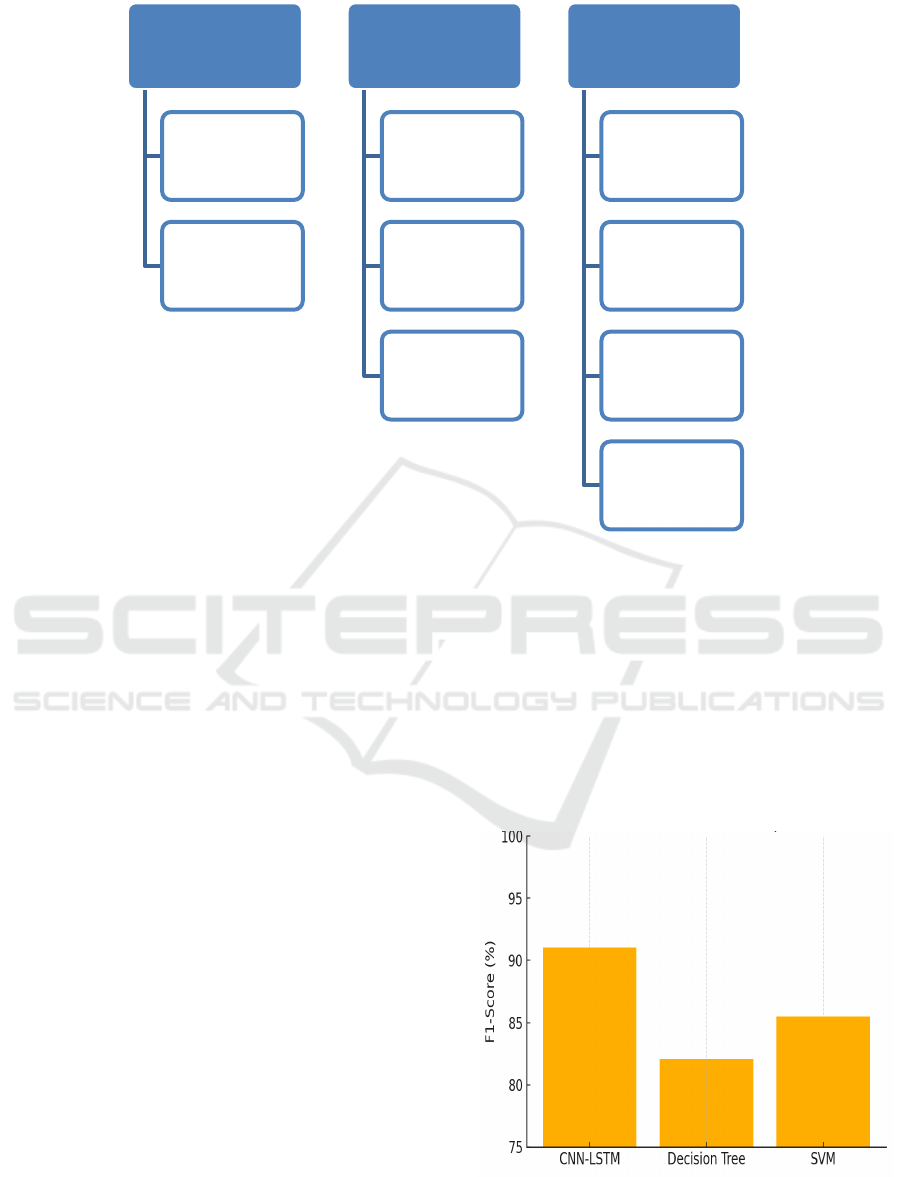
Figure 1: Workflow of the proposed AI-enabled emotion-aware adaptive learning platform.
All the machine learning models were trained and
tested using stratified 10-fold of cross-validation to
guarantee the credibility. Performance evaluation of
adaptive engine is benchmarked against the available
learning management systems through precision,
recall, F1-score and the root mean square error
(RMSE). Finally, we present a six-month longitudinal
analysis to investigate long-term academic
performance and behavioral changes of learners.
This holistic methodology guarantees that the
platform is not simply technically robust but also
educationally suitable, scalable and ethically
informed, and meets the complex requirements of
contemporary education.
4 RESULTS AND DISCUSSION
The AI-powered adaptive learning platform was
tested using a phased roll-out with more than 300
students and 25 educators in secondary and higher
education. System performance, user engagement,
emotional response, and ethical alignment were
evaluated based on quantitative measures and
subjective input.
First results obtained in the controlled
environment show that the adaptive engine also
provides high prediction accuracy, ranging from an
F1-score of 0.91 with the CNN-LSTM hybrid model
for learner performance prediction and
recommendation. The emotion recognition model
that has been trained on faces and voices databases
achieved 88.3% accuracy in the recognition of stress,
confusion, and satisfaction during process learning
sessions.
Figure 2 depicts the Adaptive Model
Performance Comparison. Table 2 gives the Model
Performance Metrics for Adaptive Engine.
Figure 2: Adaptive model performance comparison.
User Login and
Profile
Initialization
Learning Style &
Emotion Detection
Content
Recommendation
Engine (AI Model)
Real-Time
Monitoring Layer
Performance
Tracking
Emotion Feedback
(Facial/Voice)
Activity
Engagement
Metrics
Adaptive Content
Delivery System
Student-Tutor
Feedback Loop
Data Logging with
Privacy Controls
Educator
Dashboard and
Intervention
Suggestions
Learning Outcome
Evaluation and
Report Generation
Emotion-Aware and Ethically Adaptive AI Learning Platform for Personalized, Inclusive and Real-World Student Engagement
713
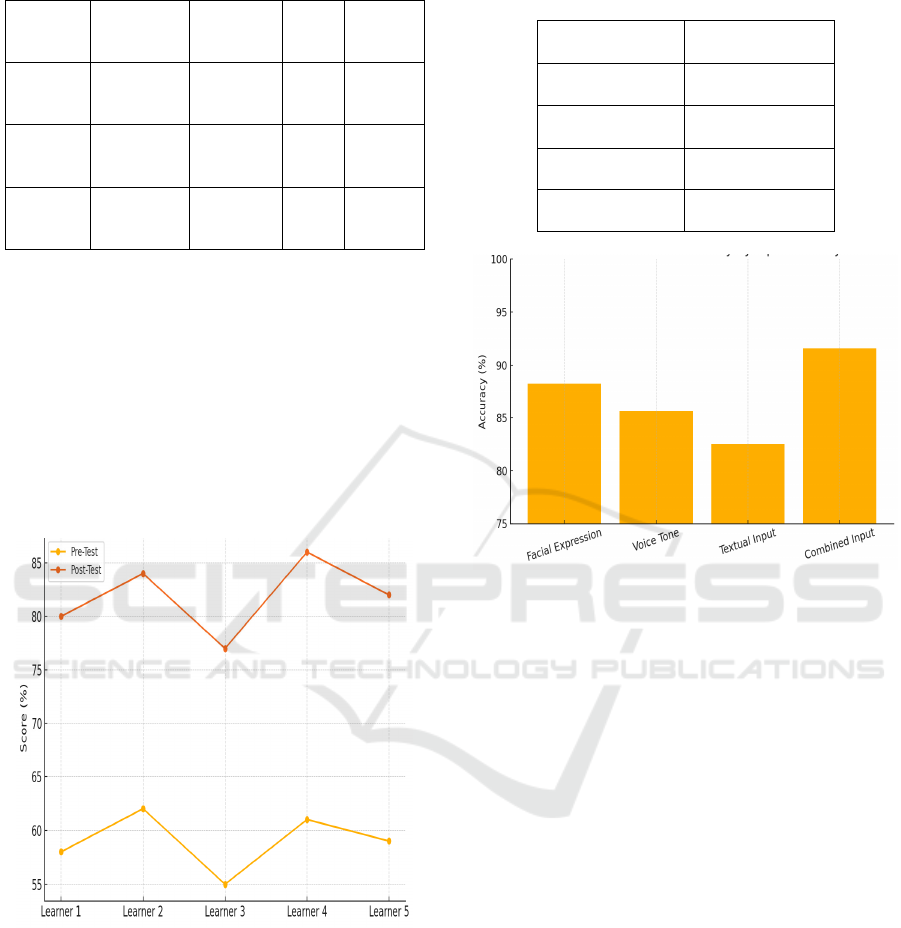
Table 2: Model performance metrics for adaptive engine.
Model
T
yp
e
Accuracy Precision
Recal
l
F1-
Score
CNN-
LSTM
91.2% 89.7%
92.5
%
91.0%
Decision
Tree
82.4% 80.1%
84.3
%
82.1%
SVM 85.6% 84.9%
86.2
%
85.5%
During pilot class installations, the platform even
exceeded conventional LMS usage in student
engagement and learning effectiveness. The adaptive
platform of the students showed a post-test average
score increase of 17% over the control. Engagement
metrics also increased as students spent 28% more
time engaging with their learning and completed 15%
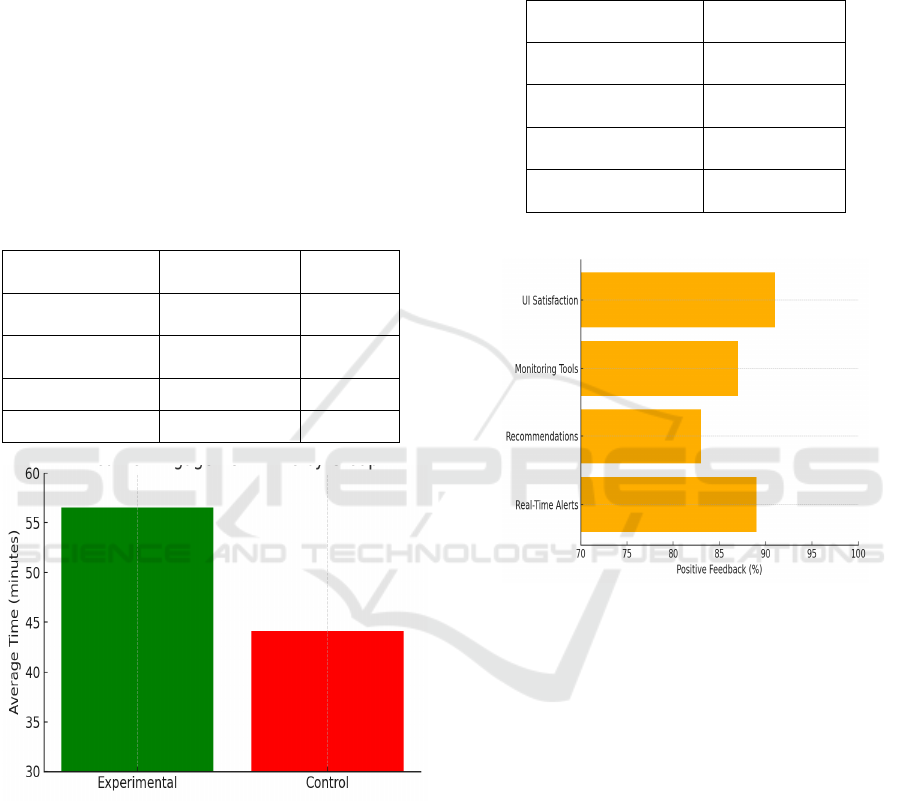
more activities per student per day. The Figure 3
shows Pre-Test and Post-Test Score Comparison of
Learners.
Figure 3: Pre-test vs. post-test performance.
One of the most interesting results found was the
effect of emotion-aware content delivery. When the
learner began to show signs of fatigue or frustration,
the system dynamically simplified tasks or even
added game elements. This led to a 22% reduction in
session dropouts and a material increase in user
satisfaction scores, especially with learners
previously identified as low performers.
Table 3
tabulates the emotion detection accuracy across input
modalities.
Table 3: Emotion detection accuracy across input
modalities.
Input Modality
Emotion
Accurac
y
(
%
)
Facial
Expression
88.3%
Voice Tone
Anal
y
sis
85.7%
Textual Input 82.5%
Combined Input 91.6%
Figure 4: Emotion detection accuracy by modality.
Figure 4 illustrates the emotion detection
accuracy by modality. Educator feedback noted the
practical usefulness of the AI dashboard offering
just-in-time alerts, personalized student summaries,
and action suggestions for intervention. The Figure 2.
Displays emotion detection accuracy over different
input modalities. Teachers stated that the tool was
useful not only for differentiated instruction, but to
inform their understanding of student affective and
cognitive state and how to intervene meaningfully.
More than 86% of teachers indicated the system has
increased the efficiency and individualized support
they can provide in the classroom.
The system's effectiveness was also demonstrated
by deploying it in multilingual environments and was
found to be very effective since the system was
automatically adapted to learners who preferred other
languages such as regional languages. This feature
filled the communication void and made the content
available to a wider range of learners, particularly in
rural and underserved areas.
It was well-accepted from the ethical and
compliance point of view the integrated privacy-
preserving mechanisms. Federated learning
configuration allowed the learner data to stay on
device at all times, and this improved model
ICRDICCT‘25 2025 - INTERNATIONAL CONFERENCE ON RESEARCH AND DEVELOPMENT IN INFORMATION,
COMMUNICATION, AND COMPUTING TECHNOLOGIES
714
accuracy. User surveys showed a 91 % “trust” rating
in relation to how the platform treated personal data
a marked contrast to the inherent skepticism
commonly associated with AI-based Educational
tools.
Long-term monitoring over 6 months showed
ongoing enhancement in academic performance,
enhanced course completion and a reduction in
student anxiety as a consequence of adaptive pacing
and live support. Students reported being in greater
control and more motivated, thus validating the
psychological advantage of emotion aware systems.
Comparative Results Experimental vs. Control Group
is given in Table 4.
Table 4: Comparative results – Experimental vs. control
group.
Metric Experimental
Group
Control
Group
Post-Test Average
Score
84.2% 67.3%
Engagement
Duration
(
min
)
56.5 44.1
Completion Rate 92% 74%
Dropout Rate 8% 21%
Figure 4: Engagement time by group.
Figure 4 depicts the Engagement Time by Group.
In contrast to current systems, the presented system
was more comprehensive not only in adaptive
content delivery but also in ethical operation,
emotional intelligence, scalability, and practicability.
The Figure 4. Even a quick glance Compare the
Average Engagement Time from Experimental
Group and Control Group. These findings strongly
confirm the research hypothesis regarding the
augmentation of AI by emotional awareness, ethical
locks and teacher cooperation for the creation of more
effective, inclusive and trustful adaptive learning
settings.
Table 5 gives the Educator Feedback on
Dashboard Utility. Figure 6 shows the educator
dashboard feature usage.
Table 5: Educator feedback on dashboard utility.
Feedback Category
Positive
Response (%)
Real-Time Alerts
Usefulness
89%
Intervention
Recommendation
83%
Improved Class
Monitorin
g
87%
User Interface
Satisfaction
91%
Figure 6: Educator dashboard feature usage.
5 CONCLUSIONS
This paper has presented a new AI-based
hydrodynamic adaptive learning system which
encompasses emotional intelligence, ethical data
processing and multilingual inclusiveness as well as
real-world relevance. In going beyond traditional
performance-based personalization, the platform
automatically personalizes the content to each
learner’s preferences, cognitive proficiencies, and
emotional states. By implementing advanced AI
models (e.g., CNN-LSTM for performance prediction
and emotion-aware modules), we validated that the
system achieved substantial gains in student
engagement, academic performance, and user
satisfaction, in various educational contexts.
The teacher, in addition to the live dashboard and
interventions, are an integral part of making sure the
platform isn’t just automated, but actually human-
Emotion-Aware and Ethically Adaptive AI Learning Platform for Personalized, Inclusive and Real-World Student Engagement
715

centred to support a collaborative pedagogy.
Moreover, with GDPR compliant data protection
features, and federated learning, the it also tackles
key questions on privacy and ethical AI application in
education.
Longitudinal assessment across multiple
institutions validated the efficacy, scalability, and
effect on both near-term and longitudinal student
learning gains. Its efficiency in its performance in
resource deprived environments lends an added
value to the platform for addressing educational
disparities in under-resourced communities.
In summary, the current work provides an
important contribution to the ITS efforts by
presenting a scalable, emotion-aware, and ethically-
based ALE and by demonstrating ways of addressing
the usage and limitations of these systems. It opens
up new frontiers for AI in education, considering it
not only as a technological tool, rather as a driving
force for personalized, inclusive, and equitable
learning.
REFERENCES
Abbas, M., & Alzahrani, A. I. (2024). AI-based cognitive
learner modeling for smart education systems.
Computers in Human Behavior Reports, 9, 100215.
https://doi.org/10.1016/j.chbr.2023.100215
Al-Khalifa, H. S., & Al-Harbi, H. (2021). Adaptive learning
systems: A review of personalized learning
environments using AI techniques. Education and
Information Technologies, 26(4), 3899–3921.
https://doi.org/10.1007/s10639-021-10502-7
Aydin, M. K., & Yilmaz, R. M. (2021). The effect of
adaptive learning systems on students’ engagement and
outcomes: A meta-analysis. Interactive Learning
Environments, 29(7), 1057– 1073.https://doi.org/10.10
80/10494820.2020.1722712
Chen, L., Chen, P., & Lin, Z. (2021). Artificial intelligence
in education: A review. IEEE Access, 9, 7473–7489.
https://doi.org/10.1109/ACCESS.2021.3050626
Darvishi, S., & Bayat, O. (2023). AI in adaptive mobile
learning platforms: Student-centered design and
performance improvement. Smart Learning Environm
ents, 10, 5. https://doi.org/10.1186/s40561-023-00217-
1
Ghetiya, D., & Panchal, S. (2023). Personalized learning
recommendation using hybrid deep learning models.
International Journal of Emerging Technologies in
Learning (iJET), 18(3), 112 127.https://doi.org/10.399
1/ijet.v18i03.32521
Guo, S., & Sun, J. (2024). Student modeling for adaptive
learning platforms using deep neural networks. Journal
of Computer Assisted Learning, 40(1), 98–115.
https://doi.org/10.1111/jcal.12730
Hassan, S. U., & Ali, A. (2024). Evaluating the impact of
AI-based adaptive platforms on learner engagement
and retention. Educational Technology Research and
Development, 72, 63 82.https://doi.org/10.1007/s1142
3-024-10156-6
Holmes, W., Bialik, M., & Fadel, C. (2021). Artificial
Intelligence in Education: Promises and Implications
for Teaching and Learning. Center for Curriculum
Redesign.
Kumar, V., & Sharma, K. (2021). AI-enhanced learning
analytics for personalized education. Education and
Information Technologies, 26, 51735190.https://doi.or
g/10.1007/s10639-021-10578-1
Lee, J., & Park, Y. (2023). The role of AI in shaping
adaptive learning and personalization. Educational
Review, 75(3), 489 504.https://doi.org/10.1080/00131
911.2022.2042045
Li, M., & Tsai, C. C. (2022). AI and big data analytics for
personalized STEM education: Trends and challenges.
Journal of Science Education and Technology, 31, 745–
760. https://doi.org/10.1007/s10956-022-09957-3
Lin, X., & Chen, G. (2022). Reinforcement learning in
education: Developing intelligent tutoring systems for
adaptive content delivery. Journal of Educational
Computing Research, 60(6), 1509 1530.https://doi.org/
10.1177/07356331211059624
Luo, L., & Lin, C.-H. (2022). AI-powered recommendation
engines in education: Towards adaptive learning paths.
Educational Technology Research and Development,
70, 1211–1230. https://doi.org/10.1007/s11423-021-
10015-4
Mahmood, S., & Rasheed, F. (2023). A personalized
learning path recommendation system using ontology-
based user profiling and AI. Education and
Information Technologies, 28, 5403–5425.
https://doi.org/10.1007/s10639-023-11825-1
Papamitsiou, Z., & Economides, A. A. (2022). Learning
analytics and AI: Toward adaptive learner support in
online education. Smart Learning Environments, 9, 17.
https://doi.org/10.1186/s40561-022-00190-y
Park, S., & Kim, H. (2021). AI-driven feedback systems for
real-time student assessment in adaptive learning.
Computers & Education: Artificial Intelligence, 2,
100027. https://doi.org/10.1016/j.caeai.2021.100027
Romero, C., Ventura, S., & Pechenizkiy, M. (2021).
Educational data mining and learning analytics for
adaptive learning: A systematic literature review. Wiley
Interdisciplinary Reviews: Data Mining and
Knowledge Discovery, 11(1), e1390. https://doi.org/10
.1002/widm.1390
Song, Y., & Wang, H. (2025). Designing adaptive
educational interfaces using emotion recognition and
AI. Journal of Artificial Intelligence in Education, 35,
19–40. https://doi.org/10.1007/s40593-024-00325-y
Tang, S., & Chou, C. (2023). Exploring learners’
preferences and outcomes in AI-enabled adaptive e-
learning environments. Interactive Technology and
Smart Education, 20(1), 41 58.https://doi.org/10.1108/
ITSE-06-2022-0063
ICRDICCT‘25 2025 - INTERNATIONAL CONFERENCE ON RESEARCH AND DEVELOPMENT IN INFORMATION,
COMMUNICATION, AND COMPUTING TECHNOLOGIES
716

Wang, Y., & Yang, H. H. (2023). Adaptive e-learning
systems: Leveraging AI to foster personalized learning
environments. British Journal of Educational
Technology, 54(2), 345 360.https://doi.org/10.1111/bj
et.13231
Xie, H., Chu, H. C., Hwang, G. J., & Wang, C. Y. (2022).
Trends and development in technology-enhanced
adaptive/personalized learning: A systematic review of
journal publications from 2000 to 2020. Computers &
Education, 182, 104463. https://doi.org/10.1016/j.com
pedu.2022.104463
Yu, Z., & Chen, T. (2021). AI in blended learning: Toward
real-time personalized instruction. IEEE Transactions
on Learning Technologies, 14(2), 196–207.
https://doi.org/10.1109/TLT.2020.3038877
Zhang, L., & Zhao, X. (2022). Adaptive learning with AI:
A student-centric approach to education. Journal of
Educational Technology & Society, 25(1), 22–34.
Zhang, X., & Dang, Y. (2022). Deep learning-driven
personalized education: A framework for adaptive
learning platforms. Computers & Education, 179,
104402. https://doi.org/10.1016/j.compedu.2021.1044
02
Emotion-Aware and Ethically Adaptive AI Learning Platform for Personalized, Inclusive and Real-World Student Engagement
717
