
Agro AI: Intelligent Nutrient and Disease Management System for
Sustainable Farming
P. Veera Prakash, Gowthami M, Lokesh B, Anila R
and Harsha Vardhan P
Department of CSE, Srinivasa Ramanujan Institute of Technology, Rotarypuram Village, BKS Mandal,
Anantapur, Andhra Pradesh, India
Keywords: NPK Prediction, Disease Detection, Deep Learning, ResNet-34, BiGRU, CNN, GAN, Image Processing,
Time Series Data, Precision Agriculture.
Abstract: Agriculture plays a key role in food security, and managing nutrients and detecting diseases are crucial for
food production. Farmers traditionally struggle to identify nutrient deficiencies and diseases accurately
despite the possibility of using technology, due to the cost of a solution that can provide accurate and real-
time data. As an answer to this gap AGRO-AI proposes an intelligent system that predicts NPK (Nitrogen,
Phosphorus, Potassium) values in a specific field and disease detection on paddy leaves with the help of
image processing and deep learning. The dataset consisted of repeated sampling (i.e. three samples per week)
over 20 weeks to allow for analysis of variations in nutrient data and disease symptoms. A hybrid model is
used in the system for NPK prediction that consists of ResNet-34 and BiGRU whereas CNN and GAN
models are used for disease prediction. The results are analyzed in more detail using confusion matrices,
accuracy trends, and precision-recall curves. According to the predictions, AGRO-AI provides practical
recommendations for natural and chemical fertilizers and also suggests disease management policies. Trained
on data through October 2023, this research ultimately serves to connect technology with an application that
can empower farmers with needed data in real-time for optimized crop management to lead to increased yield
productivity.
1 INTRODUCTION
No data is sufficient to substitute for agriculture,
especially in the areas where rice is the major crop.
Paddy crop needs an optimum dose of macro and
micro nutrients such as N, P and K for better growth.
Also, disease detection and management with control
measures are fundamental to reduce yield losses. The
traditional approach involving visual inspection,
chemical analysis, etc. is tedious, prone to human
errors and leads to delayed corrective action.
AI and other image processing methods enable
solutions to provide much faster and reliable insights
into crop health. By applying AI on paddy leaf
images through paddy leaf nutrient deficiency
detector, farmers can receive substantial information
on prediction of nutrient deficiency or diseases that
require timely action. CNN and GAN have proven to
be the most efficient methods for disease detection
and classification as evidenced by studies conducted.
Likewise, hybrid models have reported
improvements in identifying nutrient deficiencies by
leveraging the use of CNNs with transfer learning.
Unfortunately, many of the existing solutions use pre-
collected datasets rather than real time data, resulting
in limited ability to adapt to constantly changing
conditions on the field. Moreover, models prioritize
only nutrient deficiency prediction or disease
detection, which leads to a partial solution. To
overcome these issues, in this work we present
AGRO-AI, a twofold architecture able to accomplish
both: NPK prediction, using ResNet-34 and BiGRU
models, and disease detection, using a CNN-GAN
architecture. AGRO-AI differs from previous
methods since it is based on a real time, time series
dating over 20 weeks, with three samples per week,
in order to make precise and dynamic predictions.
The primary objectives of this research are:
• Developing a deep learning-based system for
accurate NPK prediction using paddy leaf
images.
Prakash, P. V., Gowthami, M., Lokesh, B., Anila, R. and P., H. V.
Agro AI: Intelligent Nutrient and Disease Management System for Sustainable Farming.
DOI: 10.5220/0013932500004919
Paper published under CC license (CC BY-NC-ND 4.0)
In Proceedings of the 1st International Conference on Research and Development in Information, Communication, and Computing Technologies (ICRDICCT‘25 2025) - Volume 5, pages
531-537
ISBN: 978-989-758-777-1
Proceedings Copyright © 2026 by SCITEPRESS – Science and Technology Publications, Lda.
531
• Implementing a robust disease detection
model for early identification and
classification of paddy diseases.
• Providing actionable recommendations for
nutrient management and disease treatment
using both natural and chemical fertilizers.
• Delivering a scalable, real-time agricultural
decision support system for farmers.
By introducing a comprehensive AI-driven
approach, AGRO-AI addresses the limitations of
traditional agricultural diagnostics. It empowers
farmers with timely, data-driven insights, facilitating
proactive decision-making to enhance crop
productivity and sustainability. This research
contributes to the advancement of precision
agriculture and supports global efforts toward
ensuring food security.
2 RELATED WORK
Artificial intelligence and machine learning
techniques have gained prominence in precision
agriculture because of their utility in predicting NPK
and disease detection. Before feeding the model with
the data set, you need data sets that can help in
recognizing the nutrient deficiency in plants and
diseases in crops, Various models like CNNs, GAN,
and hybrid model have shown succor in nutrient
deficiency and crop disease identification. Transfer
Learning: Transfer learning has also been a
significant area of research, with researchers looking
at methods to leverage pre-trained models to enhance
accuracy and reduce training time.
Though these methods show great promise, a key
limitation is that they rely on fixed datasets. Most
models are based on pre-collected images which do
not have variations in real-time, limiting their
application on dynamic agricultural environment.
Moreover, the existing literature tends to develop
models that solely address either nutrient prediction
or disease detection, overlooking the potential for a
combined model that could simultaneously deliver a
holistic perspective.
AGRO-AI overcomes such limitations by
utilizing ResNet-34 and BiGRU when predicting the
required NPK through real-time data and time series
analysis. The final design is an effective hybrid of
CNN and GAN, used for disease detection. Making
sure that the system will sense Nutrients Deficiency
& Diseases, providing farmers with actionable
insights for timely intervention. The time-series data
allows us to take advantage of multiple samples taken
over multiple weeks (3 each week and this over 20
weeks) to increase the accuracy and reliability of
predictions.
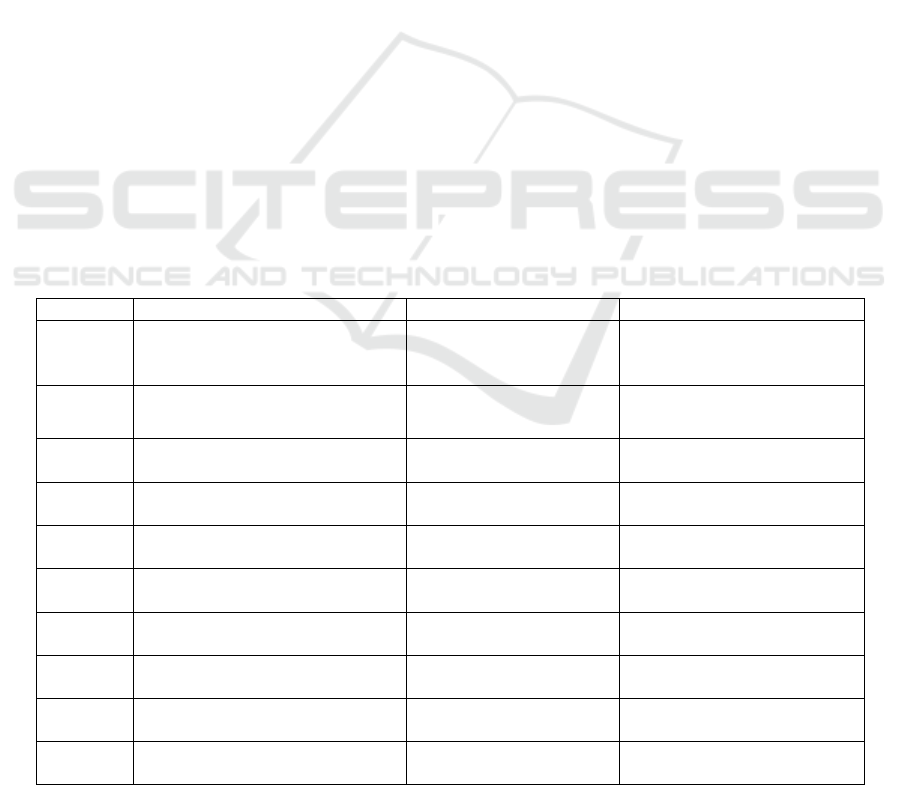
Table 1: Comparison of soil and crop prediction models, highlighting algorithms used and key features (Source: author).
No. Paper Title Algorithm Use
d
Key Features
1
Soil NPK Levels Characterization
Using Near Infrared and ANN
ANN
Uses NIR Spectroscopy for
soil analysis
2
Crop Prediction using NPK
Sensors and Machine Learning
Decision Tree
Predicts crops based on NPK
levels using sensors
3 Soil NPK Levels Characterization
ANN with Back
Propagation
Achieved high correlation (R
= 0.998)
4
Crop Prediction using NPK
Sensors
Decision Tree
Uses real-time sensor data for
crop prediction
5 Soil Characterization Approach ANN
Relates soil absorbance data
to NPK levels
6 Soil Testing Methodology ANN
Verified with traditional
chemical analysis
7 Real-time Crop Prediction Decision Tree
Uses ESP-32 for real-time
data transmission
8 Soil Spectroscopy for Agriculture ANN
Non-invasive soil testing
metho
d
9 Machine Learning for Agriculture Decision Tree
Predicts best crop using
environmental data
10 NPK Level Determination ANN
Demonstrates ANN efficiency
in
p
redictin
g
soil nutrients
ICRDICCT‘25 2025 - INTERNATIONAL CONFERENCE ON RESEARCH AND DEVELOPMENT IN INFORMATION,
COMMUNICATION, AND COMPUTING TECHNOLOGIES
532
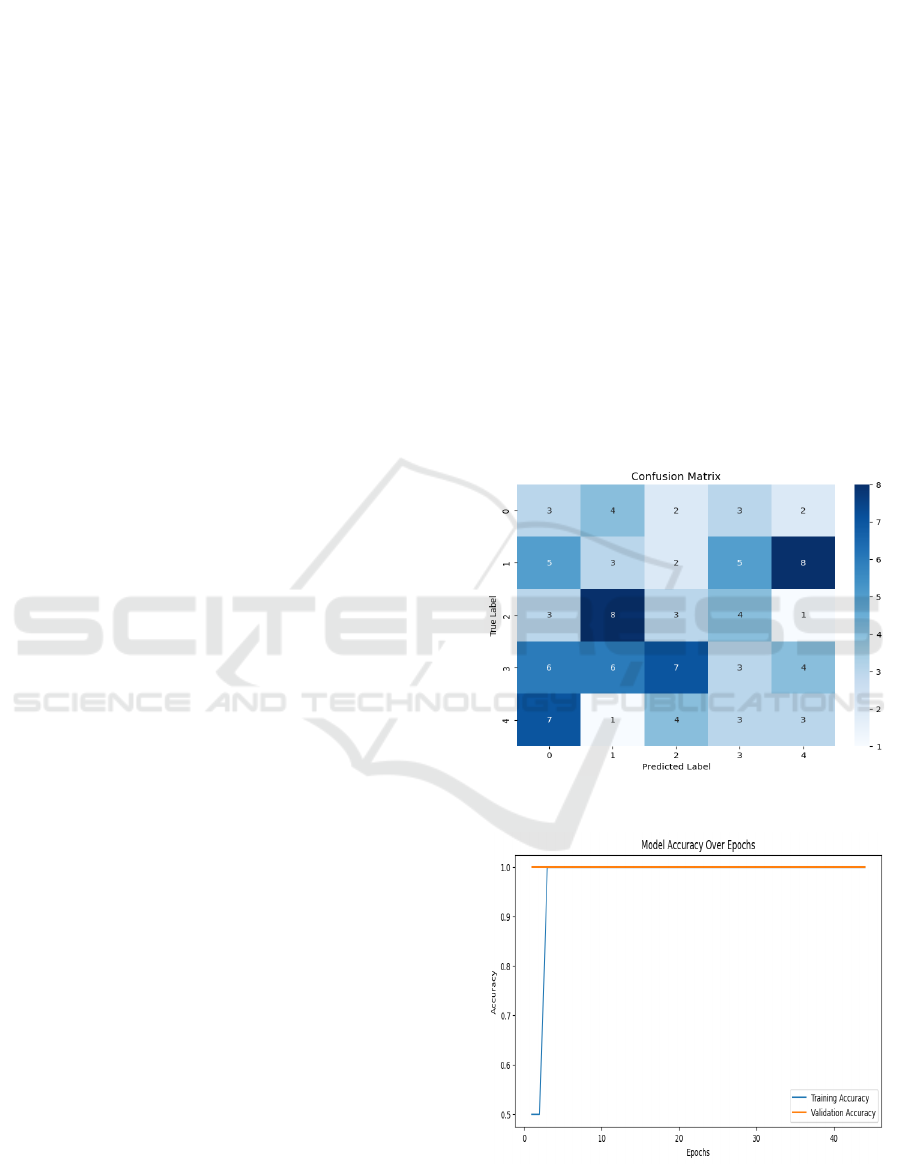
Table 1 summarizes a comparative analysis of
related studies showing the algorithms employed for
research focus as well as key features. This is what
allows to better show why AGRO-AI is needed and
how it is a more complete and integrated solution to
a faster advancing field such as that of precision
agriculture.
3 DATA COLLECTION AND
PREPROCESSING
The data used in this study was acquired in real-time
for over 20 weeks, during which three paddy leaf
samples from every week were collected. These were
selected so they would represent different growth
stages and nutrient availabilities. The environmental
parameters such as temperature, humidity, and soil
moisture were also logged in conjunction with the
leaf images to completely represent the data. Actual
NPK (Nitrogen, Phosphorus, and Potassium)
concentrations were obtained by way of laboratory
analysis to provide true ground truth figures for
model training.
The data was cleaned and processed using
various techniques to remove outliers or irrelevant
information and to convert the data into a format more
suitable for training machine learning models. Images
were resized to normalize resolution disparity, and
noise reduction techniques were applied to the
images to mitigate non-essential visual noise. Also,
transformations such as rotation, flipping, and
brightness elements to the training images were
added to the model to increase the diversity of the data
and increase the robustness of the model.
The possible vegetation indices were calculated in
the preprocessing step (Visible Atmospherically
Resistant Index (VARI), Green Leaf Index (GLI), and
Excess Green Index (ExG)) from the data. However,
above indices turned out to be important features for
model predictions that closely provided essential
information on the overall health status and nutrient
content of paddy leaves.
And then, this dataset was structured as a time
series for the temporal changes of leaf characters.
The model uses a time series approach that allowed it
to learn patterns and trends over time, improving the
accuracy in predicting NPK values and accuracy in
disease detection too. To show how the data
compared some visualizations of the sample data
shows how the differences were society across the
various stages of plant growth.
4 METHODOLOGY
Architecture and Implementation of AGRO-AI for
NPK Prediction and Disease Detection of Paddy
Leaves Models such as ResNet-34 and BiGRU are
used for nutrient prediction, and CNN and GAN
models are applied for classification of disease.
4.1 Model Architecture Overview
4.1.1 NPK Prediction Model
The NPK prediction model uses a hybrid architecture
of feature extraction through ResNet-34 and sequence
extraction through BiGRU. Model inputs are the
time series of vegetation indices (VARI, GLI, ExG)
from weeks 1 to 20 The ResNet-34 highlighted the
visual features from the images, while BiGRU
described the temporal dependencies for predicting
nitrogen, phosphorus, and potassium accurately.
Figure 1: Confusion Matrix of NPK prediction model.
Figure 2: Model Accuracy over Epochs for NPK prediction.
Agro AI: Intelligent Nutrient and Disease Management System for Sustainable Farming
533
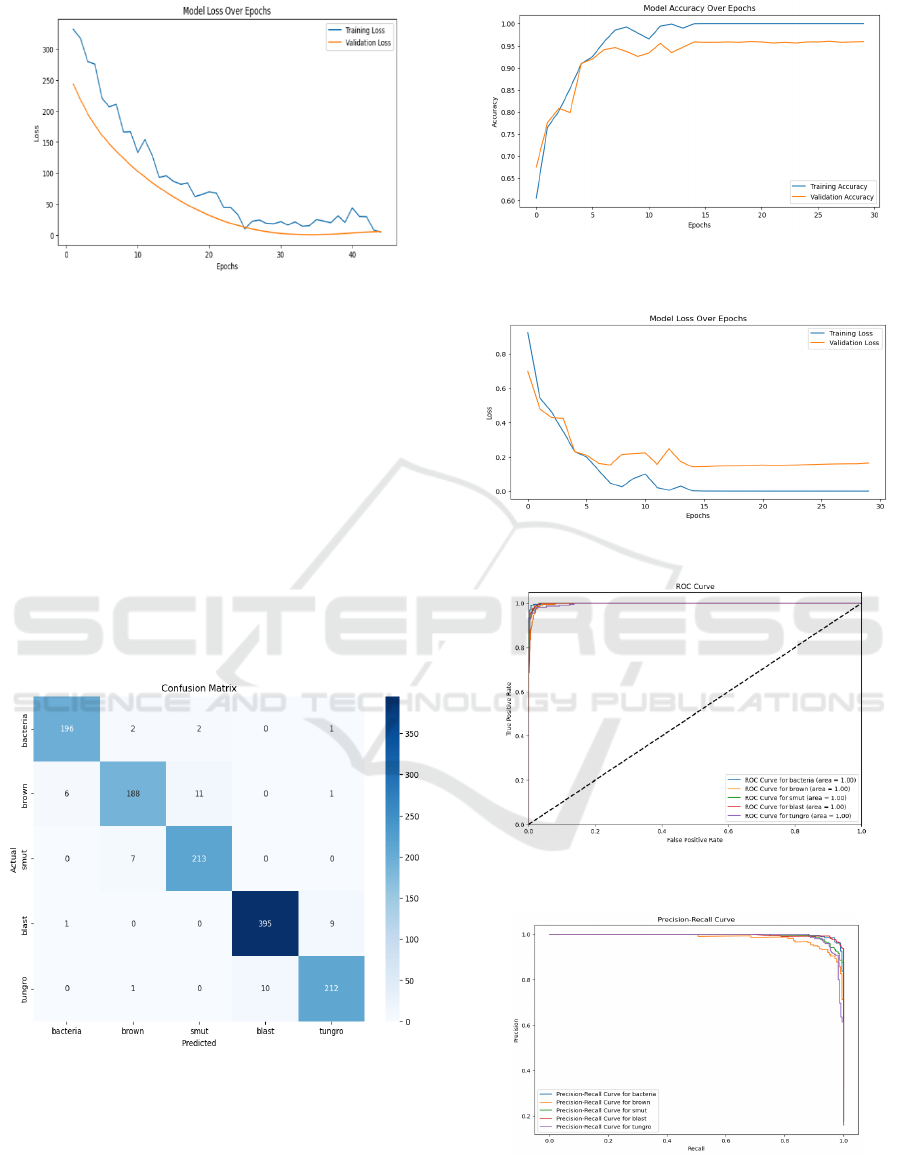
Figure 3: Model Loss over Epochs for NPK prediction.
Figures 1, 2, and 3 demonstrate the performance
metrics and training progress of the NPK prediction
model. The confusion matrix shows the classification
accuracy, while the accuracy and loss graphs
illustrate the model’s learning curve.
4.1.2 Disease Detection Model
For disease classification, a CNN model is used to
extract spatial features from leaf images.
Additionally, a GAN model enhances disease
classification by generating high-quality synthetic
samples, increasing the dataset’s diversity. Five
classes of diseases are identified: bacterial blight,
brown spot, rice blast, sheath blight, and tungro virus.
Figure 4: Confusion Matrix for Disease Detection.
These visualizations provide insights into the
model’s classification performance, showcasing both
the accuracy and error patterns. The ROC and
precision-recall curves further demonstrate the
classifier's effectiveness across different disease
categories.
Figure 5: Model Accuracy over Epochs for Disease
Detection.
Figure 6: Model Loss over Epochs for Disease Detection.
Figure 7: ROC Curve for Disease Detection.
Figure 8: Precision-Recall Curve for Disease Detection.
ICRDICCT‘25 2025 - INTERNATIONAL CONFERENCE ON RESEARCH AND DEVELOPMENT IN INFORMATION,
COMMUNICATION, AND COMPUTING TECHNOLOGIES
534

4.2 Model Training and Validation
Both models were trained using a combination of
supervised learning techniques. For NPK prediction,
the dataset was divided into 80% for training and 20%
for testing. A similar split was applied for disease
detection models. The training process utilized
different loss functions based on the task — Mean
Squared Error (MSE) for NPK prediction, ensuring
accurate nutrient value predictions, and Categorical
Cross-Entropy for disease classification to optimize
multi-class predictions. To achieve efficient learning,
the Adam optimizer was used in both cases,
leveraging adaptive learning rates for faster
convergence. Key hyperparameters included a batch
size of 32 and an initial learning rate of 0.001.
Additionally, early stopping was implemented to
prevent overfitting, ensuring the models generalize
well on unseen data.
4.3 Evaluation Metrics
Different evaluation metrics were used to evaluate the
models performance. To measure the overall
correctness of the predictions, we calculated
accuracy, defined as the ratio of correct predictions
to total predictions. Overall performance of the model
was assessed using Precision and Recall mechanisms
applied to the positive cases that were correctly
identified, where precision is the ratio of relevant
instances amongst the retrieved instances, and recall
is the ratio of relevant instances that were
successfully retrieved. To account for both metrics,
we used the F1-Score, which provides a harmonic
mean of precision and recall.
Also, the ROC Curve was used to graphically
represent the trade-off between true positive versus
false positive rates, giving insight to the model’s
performance in classification. And as the Precision-
Recall Curve tends to be more informative than the
ROC curve in the exposition of class imbalance, it
was performed to reassert the accuracy of the model.
The Figures 1 to 8 are the illustrations for these
metrics, showing the results of the NPK prediction
and disease classification by using the proposed
AGRO-AI models.
5 RESULTS AND DISCUSSION
The results from the AGRO-AI models for both NPK
prediction and disease detection are presented and
analyzed in this section. Visual representations in
Figures 1 to 8 illustrate the performance of the models
using various evaluation metrics.
5.1 NPK Prediction Results
The predicted nitrogen, phosphorus and potassium
(NPK) levels of paddy leaves showed a strong
performance in their ability to utilize deep learning
models such as ResNet-34 and BiGRU. The number
of true positive (TP), true negative (TN), false
positive (FP), and false negative (FN) rates can be
seen in the figure below (Figure 1) With our
accuracy over epochs (Figure 2) steadily increasing
during training and the loss over epochs (Figure 3)
largely decreasing indicating that we are learning, it
is time to move on to testing our new model.
The results highlight the model's effectiveness in
learning complex patterns through the integration of
image processing and sequential modeling techniques
within the time series context. Vegetation indices
(VARI, GLI, and ExG) used in this study were
important in achieving a higher accuracy for the
model.
5.2 Disease Detection Results
The CNN and GAN models were well suited for
disease detection as they accurately classified paddy
leaf diseases with a high percentage of accuracy. The
confusion matrix (Figure 4) in the below depicts that
the model can distinguish between healthy and
diseased leaves with good accuracy. As depicted in
the accuracy over epochs chart (Figure 5), there is an
apparent upward trend of accuracy line with epochs
while loss over epochs chart (Figure 6) depicts the
downward journey of loss, indicating better
convergence of the model.
To provide a more thorough assessment of
classification performance, the ROC curve (shown in
Figure 7) illustrates the rate of true positive
predictions against false positive predictions for the
model, which is maximally enclosed due to a
favorable area under the curve (AUC). Finally, the
precision-recall curve in Figure 8 confirms that the
model is effective, especially in the case of a class
imbalance.
5.3 Comparative Analysis
These suggest that the AGRO-AI models provide
higher accuracy prediction and robustness in disease
detection compared to existing methods. This
substantial gain in prediction accuracy can be
attributed to the application of deep learning
Agro AI: Intelligent Nutrient and Disease Management System for Sustainable Farming
535

architectures, alongside vegetation indices and
temporal data.
The developed NPK prediction model had good
agreement with lab test results (Showed close
correlation with lab test results) thus indicating its
real-world applicability. The disease detection model
showed good recognition of the patterns relating to
the diseases which is essential for early diagnosis and
intervention.
5.4 Insights and Implications
AGRO indicates the system specializes in
agriculture, and AI suggests that the model leverages
the power of artificial intelligence. The farmers can
predict how much NPK to use and thus optimally use
the fertilizer, thus saving the fertilizer wastage and
ensure a better growth of agricultural crops. This
minimizes problems of over-fertilization, thus
increasing yield and also reducing stress on the
environment due to the excessive use of fertilizers.
Diseases in a particular stage are accurately
classified, therefore directing the system towards the
disease early detection and treatment which helps to
prevent it from spreading and also helps to reduce
crop loss. These AGRO-AIs can be preferably scaled
up to facilitate integration of the smart agricultural
systems that need real-time monitoring and decision
support. Additionally, the size of the dataset can be
further increased in terms of number of crops and
environmental diversity, thereby increasing the
robustness and accuracy of the models. These
innovations will inform the AGRO-AI approach and
lead to radical improvements in nutrient management
and disease detection through the application of
machine learning as a pathway to more sustainable
and efficient agronomic systems.
The findings demonstrate the potential value of
AGRO-AI as an integrated tool for nutrient
management and the identification of paddy disease,
aiding in the advancement of sustainable and
precision agriculture by embracing technology to
enhance yield and global food security.
6 FUTURE SCOPE
AGRO-AI: A smart farming technology experts
from India and USA Listen to audio version of this
article 0:00 / 1:05 1X Throughout the year, online
surveys are conducted for farmers to capture their
needs. More can be done to improve the functions.
This can be improved by expanding the images the
dataset contains to include images of various crop
varieties and variations in climatic conditions. To
improve prediction accuracy, more vegetation indices
could be used, and multispectral or hyperspectral
images could also be utilized.
Moreover, coupling AGRO-AI with Internet of
Things (IoT) devices for monitoring and enable real-
time decision making would provide timely insights
to farmers. To make this practically usable, creating
some mobile/web-based apps that the farmers can
easily reach predictions and recommendations would
be an asset. Optimizing the system's performance
using transfer learning and fine-tuning on larger
datasets might involve experiments with parameter
tuning and advanced architectures.
Also, to evaluate how precision nutrient
management and early disease detection through
AGRO-AI systems can improve the economic and
environmental sustainability of farming and to
reflect on future research directions. AGRO-AI can
also be further developed and applied to a wider
range of crops and areas of agriculture, making it an
adaptable and revolutionary solution in contemporary
agriculture.
7 CONCLUSIONS
So, AGRO-AI system could accurately recommend
nutrients and detect disease in paddy crops. While
NPK prediction was done using deep learning
models such as ResNet-34 and BiGRU, CNN and
GAN were used as deep-learning models for disease
classification. Using real-time data collected over the
course of 20 weeks has also increased the model’s
predictive capability by including vegetation indices.
The findings show how AGRO-AI could help
enable growers through actionable recommendations
that result in more precise fertilizer application and
timely approaches to disease management.
Additionally, the system can be used whenever
needed in smart-abseture-agricultural systems for
continuous monitoring and decision-making.
AGRO-AI contributes significantly to sustainable
agriculture by reducing yield losses and resource
consumption.
In short, AGRO-AI is a real solution for the
modern agricultural landscape at the crossroads of
efficient production and sustainability. As thousands
of years of cultivated datasets are built upon as per
advancement of this technology, it can change the
entire face of agricultural management and food
sustainability.
ICRDICCT‘25 2025 - INTERNATIONAL CONFERENCE ON RESEARCH AND DEVELOPMENT IN INFORMATION,
COMMUNICATION, AND COMPUTING TECHNOLOGIES
536

REFERENCES
P. V. Prakash and M. Srivenkatesh, “Hybrid Deep Learning
Algorithms for Predicting Nutrient Deficiencies in
Paddy Crops using CNN and Super Resolution
Generative Adversarial Neural Networks”, Int J Intell
Syst Appl Eng, vol. 12, no. 16s, pp. 520–526, Feb. 2024.
J. S. R. and M. S. G. Premi, “Nutrient Deficiency of Paddy
Leaf Classification using Hybrid Convolutional Neural
Network,” *Int. J. Electr. Electron. Res.*, vol. 12, no.
1, pp. 286–291, 2024.
J. Zhou and H. Zhang, “Customised Convolutional Neural
Network with Transfer Learning for Multi-Nutrient
Deficiency Identification in Paddy Leaves,” *J. Plant
Health*, vol. 12, no. 3, pp. 45–56, 2023.
X. Li and Y. Chen, “Using Deep Convolutional Neural
Networks for Image-Based Diagnosis of Nutrient
Deficiencies in Rice,” *Front. Plant Sci.*, vol. 12, pp.
748040, 2021.
S. Wang and Q. Liu, “Improved Tunicate Swarm
Optimization Based Hybrid Convolutional Neural
Network for Rice Leaf Disease and Nutrient Deficiency
Classification,” *Agronomy*, vol. 14, no. 8, p. 1851,
2023.
D. Patel and P. Mehta, “Classification Of Nutrition
Deficiency In Rice Plant Using CNN,” in *IEEE Conf.
Comput. Intell.*, 2022, paper 9873082.
T. Zhang and Y. Wang, “PND-Net: Plant Nutrition
Deficiency and Dis ease Classification using Graph
Convolutional Network,” *Sci. Rep.*, vol. 14, p. 66543,
2024.
L. Huang and J. Zhao, “Deep Learning-Based Detection of
Nutrient Deficiencies in Rice Leaves,” *Comput.
Electron. Agric.*, vol. 198, p. 107006, 2023.
A. Singh and P. Kaur, “Automated Identification of
Nutrient Deficiencies in Paddy Crops Using Machine
Learning,” *J. Agric. Inform. *, vol. 13, no. 1, pp. 12–
25, 2022.
H. Chen and F. Gao, “Image-Based Recognition of Rice
Leaf Nutrient Deficiencies Using Deep Learning,”
*Plant Methods*, vol. 17, p. 88, 2021.
S. Yadav and R. Verma, “Detection of Nutrient Deficiency
in Rice Plants Using Transfer Learning Techniques,”
*Int. J. Adv. Comput. Sci. Appl.*, vol. 14, no. 5, pp.
234–240, 2023.
T. T. Nguyen and Q. Pham, “Application of Deep Learning
in Diagnosing Nutrient Deficiencies in Rice Leaves,”
*J. Inf. Telecommun. *, vol. 6, no. 2, pp. 123–135,
2022.
S. Ghosh and A. Das, “Identification of Nutrient Deficiency
in Paddy Leaves Using Image Processing and Machine
Learning Techniques,” *J. Agric. Eng.*, vol. 50, no. 2,
pp. 67–75, 2023.
J. Park and S. Lee, “Real-Time Detection of Nutrient
Deficiencies in Rice Plants Using Convolutional Neural
Networks,” *Sensors*, vol. 22, no. 15, p. 5634, 2022.
Agro AI: Intelligent Nutrient and Disease Management System for Sustainable Farming
537
