
The Power of Certification: How Awareness of Industry Standards
Influences Trust in Consumer Durables Within the Retail Sector
Ishika Singhal and Nagendra Sharma
Department of Management Studies, Graphic Era Deemed To Be University, Dehradun, Uttarakhand, India
Keywords: Industry Standards, Trust, Awareness, Consumer Durables.
Abstract: The research examines the crucial influence of industry standards on consumer trust, perceived product
quality, and purchasing intention. Certifications serve as indicators of confidence, guaranteeing quality,
sustainability, and safety, especially for consumer durables such as home appliances, electronics, and
automobiles. The study highlights deficiencies in consumer understanding, especially with certifications for
sustainability and ethical sourcing, and analyses their enduring effects on loyalty and trust. The study employs
a systematic literature review and bibliometric analysis to underscore significant issues, including
greenwashing, the abundance of certification marks, and financial obstacles for smaller merchants. Proposed
solutions encompass blockchain technology for verification, standardised labelling methods, and financial
incentives to enhance accessibility for small enterprises. The conceptual framework established connects
certification awareness to consumer behaviour, highlighting its impact on perceived product quality, faith in
certifying organisations, and purchasing decisions. This study highlights the necessity for transparent and
consumer-focused certification systems to enhance trust and reduce perceived risks. The conclusion offers
recommendations for future research on the development of certification systems that focus on sustainability,
ethical sourcing, and consumer education to improve trust and decision-making.
1 INTRODUCTION
When most of the consumer go for purchase decision
prefer to opting consumer durables, a word that may
not be that prominent but gains association with
consumer on daily basis. Consumer durables are
referred to those durable goods that are not frequently
bought and last up to at least three years. The
consumption of these goods is watched upon by the
economists as it is considered a positive indicator of
the economy’s strength. According to the US Bureau
of Economic Analysis, durable goods constitute the
core part of the retail sales data. The global market for
the consumer durables is increasing that relies on
certifications such as Energy Star and ISO
Certifications that act as hallmarks for quality, safety
and sustainability’s aim of these certifications is
assuring the consumer about product performance
and environmental concerns. With the increase in
demand for transparency, awareness of certifications
like ISO and Energy Star plays a crucial role in
shaping consumer behaviour in the context of durable
goods, such as home appliances, vehicles, electronics,
furniture, and power tools. Certifications act as trust
signals, influencing decision-making, perceived
product value, and purchase intention. Mitra, et al.,
1999; Delmas., et al., 2013, The importance of
certifications relating to the industry standards
represent mitigating risks relating to product quality
and performance and awareness of energy-efficient
certifications resonates with environmentally
conscious consumers, particularly for products like
HVAC systems, washing machines, and refrigerators
focusing towards sustainability ,also recognize the
cost savings associated with Energy Star-certified
products through reduced energy consumption. The
ISO certifications relevant to consumer durables
include ISO 9001, ISO 14001, ISO 15001 that
focuses on quality, environmental and energy
management respectively. While ISO 9001
guarantees uniform product quality and customer
contentment., ISO 14001 addresses environmental
management to meet the growing demands of eco-
conscious consumers, and ISO 50001 promotes
energy-efficient production processes, collectively
improving the reliability and environmental footprint
of products focusing towards the industry standards
and adhering to the security compliances. According
Singhal, I. and Sharma, N.
The Power of Certification: How Awareness of Industry Standards Influences Trust in Consumer Durables Within the Retail Sector.
DOI: 10.5220/0013919900004919
Paper published under CC license (CC BY-NC-ND 4.0)
In Proceedings of the 1st International Conference on Research and Development in Information, Communication, and Computing Technologies (ICRDICCT‘25 2025) - Volume 4, pages
725-732
ISBN: 978-989-758-777-1
Proceedings Copyright © 2025 by SCITEPRESS – Science and Technology Publications, Lda.
725
to a study by Gopal and Thakkar, consumer
awareness of ISO certificates is low unless it is made
clear through branding or marketing initiatives, but
industrial purchasers are very aware of them.
Grewal., et al., 2018 According to research, over 90%
of American households are aware of the Energy Star
label, demonstrating the product's high level of
consumer recognition in the country. Product labels
that are easily readable and government-sponsored
advertising efforts can raise awareness. Customers
are far more inclined to buy energy-efficient
appliances when they see the ENERGY STAR
certification. Furthermore, ENERGY STAR
certificates act as a heuristic for quality, streamlining
difficult decision-making procedures for expensive
products like air conditioners and washing machines.
Brach, S. et al., 2018 The factors influencing
awareness of the industry standards include consumer
demographics, retail influence, digital channels and
marketing and communication. Hoyle, D, et al., 2017;
Bamberg, S., & Möser, G. (2007). These influence
purchase decisions by aligning consumer preferences
for durability, reliability, and sustainability,
establishing a clear link between certified standards
and consumer trust in the retail sector.
1.1 Research Gap
Significant research gaps still exist in the retail
industry, especially with regard to consumer durables
and security, despite the fact that certifications like
ISO 9001, ISO 14001, and ENERGY STAR are
acknowledged for improving consumer trust and
purchase decisions. First, nothing is known about
how new certifications pertaining to sustainability,
ethical sourcing, and social responsibility affect
consumer confidence and perceived product security
Chen, Y. S., & Chang, C. H. (2013) Second, there are
gaps in our knowledge of the long-term impacts of
certification awareness on customer loyalty, trust, and
repeat business due to the paucity of longitudinal
studies.
1.2 Objectives
This paper's goal is to examine how industry
certifications, including ENERGY ST AR and ISO
standards, affect consumer perceptions of security
and trust in the retail sector for consumer durables.
By reducing perceived risks and uncertainties,
certifications serve as reliable indicators of
sustainability, safety, and quality that affect customer
behaviour. In particular, this study intends to examine
how perceptions of product security, authenticity, and
operational transparency all crucial for fostering
customer confidence in a cutthroat retail environment
are influenced by certification awareness.
Additionally, this study explores how adherence to
established standards fuels perceived product
reliability and environmental sustainability, which in
turn reinforce consumer trust and buying decisions.
RO1. To investigate the role of industry
certifications in enhancing product security and
consumer trust within the retail sector.
RO2. To assess the influence of certification
awareness on consumer purchasing choices for
certified durable goods.
RO3. To identify the underlying challenges in the
certification process and provide proposed solutions
for the same.
The study is divided into five sections: Section 2
gives the systematic literature review along
bibliometric analysis using Vos viewer; Section 3
talks of methodology; Section 4 examines the result;
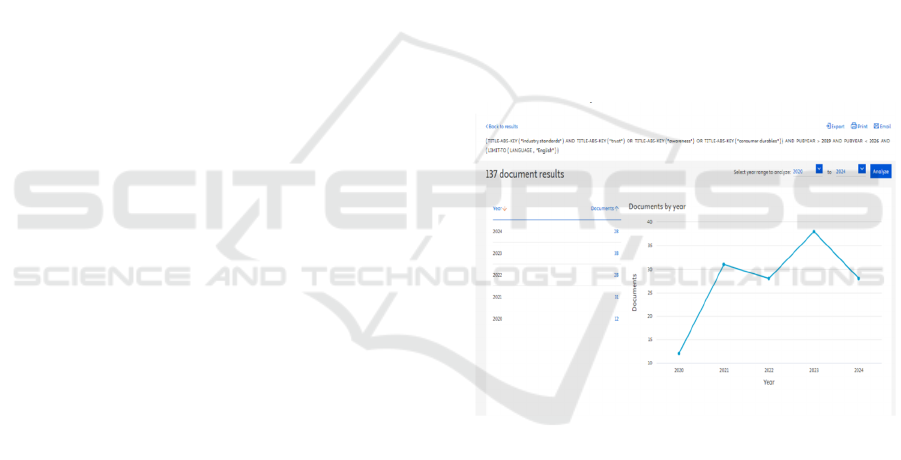
and Section 5 gives conclusion. The below figure 1
illustrates the importance of industry standards in
retail over the years.
Figure 1: Documents by year 2020–2024 (Source: Scopus.).
2 LITERTAUTE REVIEW
The previous research relating to the topic is done by
systematic literature review. In a systematic literature
review (SLR), a research topic is chosen, an analysis
strategy is developed, articles are chosen, data is
gathered, findings are synthesised, reports are written,
and cross-evaluation is done.
Choosing papers, creating inclusion and exclusion
criteria, establishing the goal of the study, gathering
data, and evaluating the results are all included.
Database and keyword combination are shown in
table 2 This study uses the "Scopus" database to
assess academic articles relating to the topic and area
ICRDICCT‘25 2025 - INTERNATIONAL CONFERENCE ON RESEARCH AND DEVELOPMENT IN INFORMATION,
COMMUNICATION, AND COMPUTING TECHNOLOGIES
726

of research. This examines emerging trends,
underlying challenges in the area creating future
scopes and proposing some new ideologies. The
keyword combination table 1 is as follows:
Table 1: Keyword combinations and search results for literature review.
Keywords and operators search Final result
“Product certifications” 179 179
“Industry standards” AND
“trust” OR “awareness” OR
“consumer durables”
345 137
Table 2: Summary of key literature on consumer trust, certification, and environmental behavior.
S.No.
Title Autho
r
Yea
r
Objective Metho
d
Findings
1.
“Twenty years
after Hines,
Hungerford, and
Tomera: A new
meta-analysis of
psycho-social
determinants of
pro-
environmental
b
ehaviour”
Bamberg
et al
2007
Expansion of analysis
and synthesis of
knowledge pertaining
to responsible
environmental
behaviour
Meta-analytic
SEM
The results further
affirm that, in addition
to attitude and
behavioural control,
personal moral norm
serves as a third
predictor of pro-
environmental
behavioural intention.
2.
“Greenwash and
green trust: The
mediation effects
of green
consumer
confusion and
green perceived
risk”
Chen et al 2013
This study examines
Taiwanese customers
with prior purchasing
experience of
information and
electronics items in
Taiwan.
Empirical study
– SEM
The results
demonstrate that
greenwash lowers
green trust. The study
advises that
companies should
limit their
greenwashing to
increase consumer
green trust. This study
also reveals that green
consumer uncertainty
and perceived risk
moderate the negative
association between
g
reenwash and trust.
3.
Against the
green: A multi-
method
examination of
the barriers to
green
consumption.
Gleim et al 2013
This research aims to
examine the specific
obstacles that influence
customers' assessments
of green products
available in retail
environments.
Critical
incident
qualitative
study and two
quantitative
studies
The study shows that
price and expertise
hinder green usage.
Consumer knowledge
through explicit
linguistic cues and
education can boost
green product
purchases.
4.
Sustainability:
Consumer
perceptions and
marketing
strategies.
McDonald
et al
2006
The study examines
consumer perceptions
of sustainability
activities, integrating
purchasing, disposal,
and broader domains
like transport, energy,
and ethics, addressing
limitations of prior
models to inform
Peattie’s and
McDonald’s
matrices,
collects
qualitative data
on
sustainability
perceptions
The study reveals
variability in
sustainability activity
perceptions, identifies
stable and paired
activities for targeted
marketing, uncovers
perception archetypes
(optimists,
p
essimists), and
The Power of Certification: How Awareness of Industry Standards Influences Trust in Consumer Durables Within the Retail Sector
727

holistic marketing
strategies and
sustainability policies.
highlights bias toward
low-effort, high-
difference activities
amon
g
p
artici
p
ants.
5.
The influence of
eco-label
knowledge and
trust on pro-
environmental
consumer
behaviour in an
emerging market
Taufique
et al
2016
This paper aims to
investigate the
interplay between
general environmental
knowledge, eco-label
knowledge, and trust in
eco-labels, examining
their influence on
environmental attitudes
and pro-environmental
consumer behaviour
(PECB) to reduce
environmental impact.
Qualitative
Study – In
Depth
Interviews
These results indicate
that both overall
knowledge of the
environment and
detailed understanding
of eco-labels
positively impact
consumer perspectives
on environmental
issues. Additionally,
the results reinforce
that attitudes towards
environmental matters
and confidence in eco-
labels significantly
affect pro-
environmental
consumer behaviour.
6.
Behaviour and
climate change:
Consumer
perceptions of
responsibility
Wells et al 2011
This paper aims to
explore how consumer
perceptions of
responsibility influence
domestic consumption
behaviours related to
climate change,
contributing to a
deeper understanding
of pro-environmental
actions for advancing
sustainable
consumption and
reducing carbon
emissions.
Qualitative and
Quantitative
methods
including
questionnaires,
interviews,
households’
deep dives, and
Delphi method.
The study concludes
that, albeit
inconsistently, pro-
environmental
behaviours are
influenced by
consumers'
environmental
responsibility. Age,
education, and gender
are sociodemographic
factors that influence
behaviour. There is a
disconnect between
accountability and
action, with a focus on
collaborations
between corporations,
NGOs, and
governments to
improve consumer
accountability.
7,
How consumers
respond to
product
certification and
the value of
energy
information
Houde et
al
2018
The study examines
how customers balance
coarse and intricate
information in
certification and
disclosure standards,
with an emphasis on
energy labels in the US
appliance industry. It
evaluates a choice
model to investigate
diverse consumer
reactions, welfare
consequences, and
Emprical Study
Customers' reactions
to ENERGY STAR
certification vary
widely, according to
the survey; some
overvalue it like a
brand, while others
ignore energy facts.
Detailed information
may be obscured by
the coarse
certification, which
would marginally
lower consumer
welfare, particularly
ICRDICCT‘25 2025 - INTERNATIONAL CONFERENCE ON RESEARCH AND DEVELOPMENT IN INFORMATION,
COMMUNICATION, AND COMPUTING TECHNOLOGIES
728
policy formulation
factors.
for knowledgeable
consumers.
8.
Psychological
Determinants of
Paying Attention
to Eco-Labels in
Purchase
Decisions: Model
Development and
Multinational
Validation
Thøgersen 2000
The study aims to
create and evaluate a
psychological model
that explains when and
why customers
consider eco-labels
when buying. It
predicts eco-label
attention across Europe
and addresses
consumer recognition,
knowledge, trust, and
valuation in the
purchase environment.
Survey Method
The study finds that
consumers’ attention
to eco-labels depends
on their trust in labels,
pro-environmental
attitudes, belief in
responsible
purchasing's
effectiveness, and
label availability.
Increasing eco-
labelled product
prevalence and
promoting credibility
are essential for
effectiveness.
3 METHODLOGY
Shah, J., et al., 2023, A systematic literature review
(SLR) identifies, selects, and critically evaluates
research to address a precisely articulated question. A
systematic literature review employed as a
methodology to conduct a comprehensive
examination of relevant research conducted in the
past and anticipated in the future. The aim of this is to
examine previous research and to investigate ongoing
studies related to the same subject. Taneja, S., &
Sharma, V. (2023), The systematic literature review
aids in identifying research gaps and framing future
guidelines on the research topic.
3.1 Bibliometric Analysis
The study "The Power of Certification: How
Awareness of Industry Standards Influences Trust in
Consumer Durables within the Retail Sector “uses
bibliometric analysis to identify highly cited
publications using the keywords combination in Table
1, which helps in identify gaps in existing literature,
and provide a comprehensive review, promoting
knowledge and helping in creating a clear view of the
previous works of the study as shown in table 1.The
analysis is done by utilizing the Scopus database and
the keyword combination 1 using Vos Viewer is
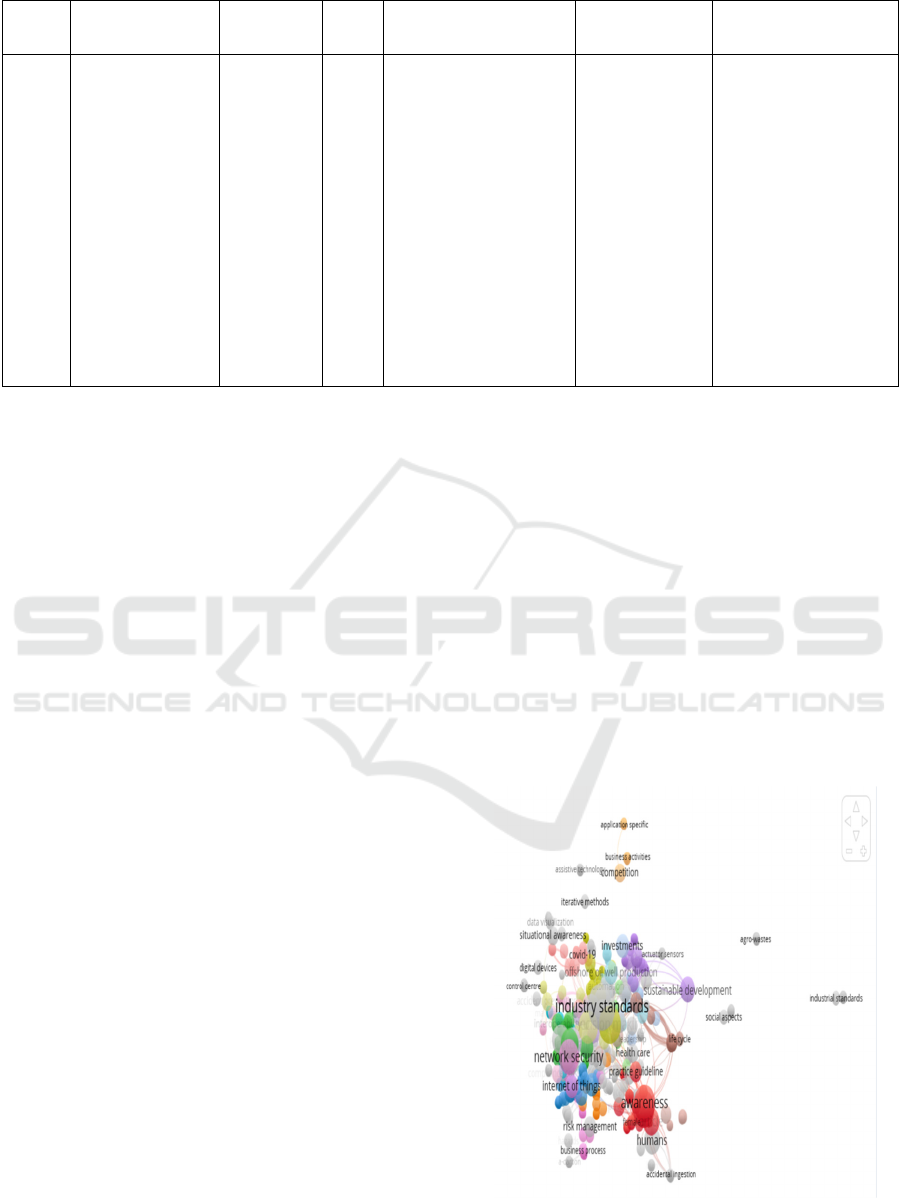
shown in figure 2 that highlighted the importance of
the study and networks and growth over the years.
This is the visual representation of the interconnected
themes created through topic modelling.
The connection to the clusters and keywords
emphasises "industry standards" that are prominently
placed within the network, thereby underscoring their
critical role in shaping related concepts. This is
consistent with the study focus, as understanding and
compliance with industry standards are crucial factors
in fostering consumer trust in certified consumer
durables. The clusters associated with “awareness”
and “security” indicate that understanding industry
standards is crucial in influencing consumer
perception and guiding purchase decisions. The term
“humans” highlights the need for consumer-centric
approaches that should be implemented to enhance
trust in certified consumer durables. This includes
initiatives like educational workshops aimed at
ensuring transparency and preventing unfair
practices.
Figure 2: Keyword clustering of industry standards and
awareness.
The Power of Certification: How Awareness of Industry Standards Influences Trust in Consumer Durables Within the Retail Sector
729
4 RESULT
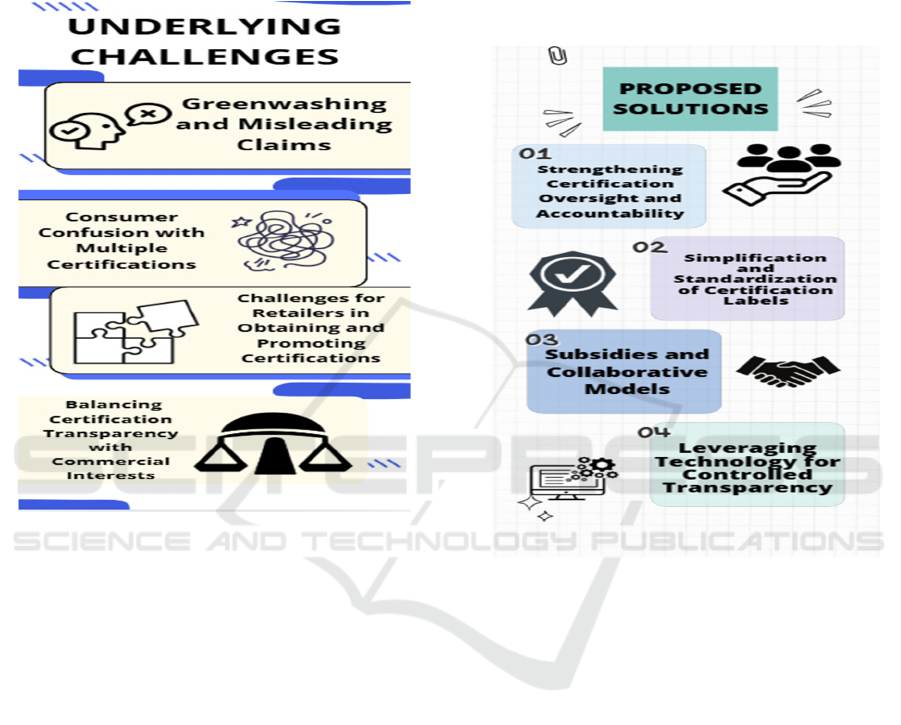
By analysing the table 2 And utilising the clusters in
figure 2 there are some underlying challenges relating
to the certifications in the retail sector. Shown in the
figure 3.
Figure 3: Key challenges in certification awareness and
implementation. (Source: Author).
The practice of miscommunicating or misleading
the consumer about a product’s safety or
environmentally friendly claims done by the
company can be termed as greenwashing. In this
practice company engages in two behaviours one
communicating the false claims and sharing of a
positive impression with the users. This scepticism
undermines faith in both the business and the
certification system, diminishing its intended efficacy
in shaping purchasing behaviour. Shah, J., et al.,
2023, In the retail sector the need for transparency
and accountability increases as in the case of high
profile cases the certifications were misinterpreted or
granted by dubious certifying bodies.
Thøgersen, J.
(2000), The escalation or spread of certifications
relating to consumer durables market makes it
difficult for the consumers to differentiate between
reliable or less reliable standards. This impacts the
decision making of the consumers when faced the
overabundance of certifications leading to go further
with the brand loyalty or price concepts in place of
giving importance to the standards. Taneja, S., &
Sharma, V. (2023), Also, the small or medium scale
retailers face operational and financial challenges in
obtaining and promoting these certifications. These
include cost implications involving audit fees,
compliance and operational barriers for those who are
functioning with diverse range of products and
investment in educating consumers that requires
additional resources.
Figure 4: Strategic solutions for enhancing certification
trust and transparency. (Source: Author).
By understanding the challenges discussed in
figure 3, here are some proposed solutions that, are
shown in figure 4.
By a thorough study of the previous research in
the area and utilising the network diagram, this study
also includes a conceptual framework shown in figure
5 that includes the awareness of the various
certifications relating to consumer durables and the
perceived product quality, trust in certifying agencies,
product authenticity impacting consumer trust and
purchase intent. The knowledge and alertness of the
certification such as energy star or ISO to the
consumer influences the perception and shaping the
purchase intent of the consumer. Hoyle, D. (2017);
Wells, V. K.et al., 2011, This drives a positive
influence on consumer buying decision thereby
fostering minimised risk. The awareness directly
effects price, perceived quality and sustainability
Shah, J. K. et al., 2023.
ICRDICCT‘25 2025 - INTERNATIONAL CONFERENCE ON RESEARCH AND DEVELOPMENT IN INFORMATION,
COMMUNICATION, AND COMPUTING TECHNOLOGIES
730
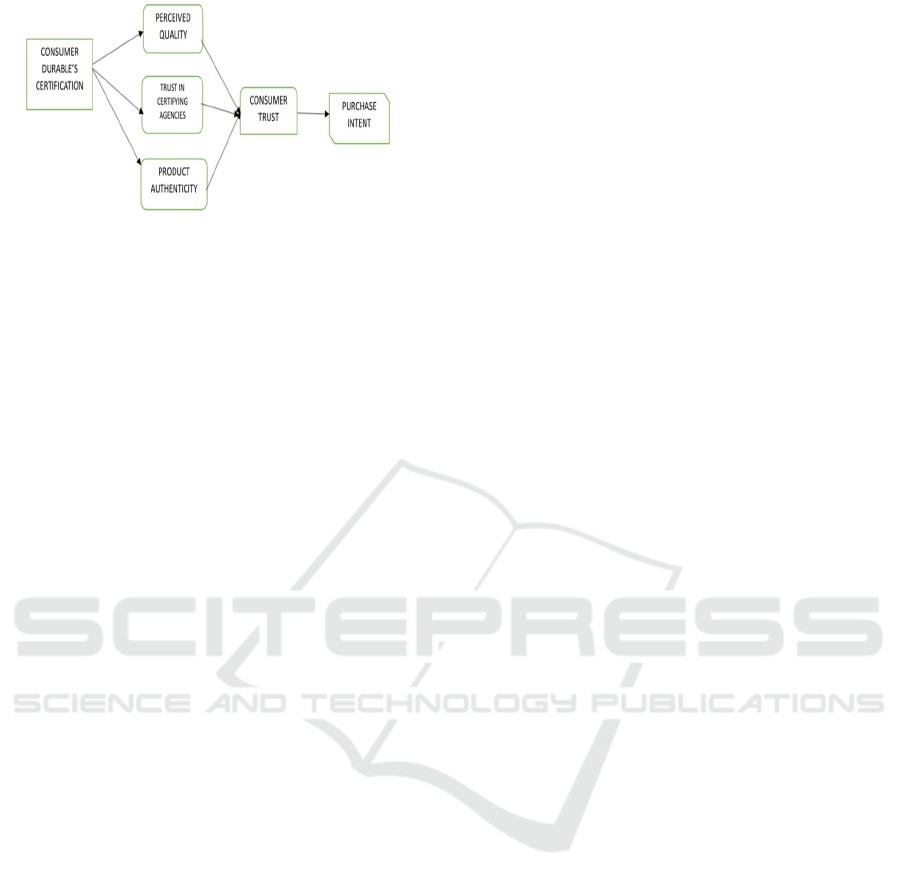
Figure 5: Conceptual framework linking certification
awareness to consumer trust and purchase intent. (Source:
Author).
5 DISCUSSION AND
CONCLUSION
This study highlights the crucial importance of
industry certifications in augmenting consumer trust,
perceived product quality, and buy intention within
the retail sector of consumer durables. Gopal, P. R.
C., & Thakkar, J. (2016) Certifications serve as
indicators of trust, facilitating decision-making by
guaranteeing quality, sustainability, and safety. This
highlights obstacles such as greenwashing, excessive
certification, and financial constraints for small
businesses hinder their efficacy. Greenwashing
methods erode trust in certificates, as seen by
McDonald, S., & Oates, C. J. (2006). while an
overabundance of certifications generates consumer
uncertainty, resulting in dependence on brand loyalty
or pricing rather than certification requirements.
Small retailers encounter compliance expenses and
resource constraints that impede the adoption and
promotion of certification. Proposed solutions
encompass utilising blockchain for certifying
authenticity, implementing standardised labelling
systems for clarity, and providing financial incentives
to mitigate expenses for smaller shops. Cooperative
initiatives among governments, NGOs, and vendors
can enhance trust and operational efficacy. The
conceptual framework of this study connects
certification awareness to consumer behaviour,
highlighting the necessity for future research on
certifications that prioritise sustainability and ethical
sourcing.
REFERENCES
Bamberg, S., & Möser, G. (2007). Twenty years after
Hines, Hungerford, and Tomera: A new meta-analysis
of psycho-social determinants of pro-environmental
behaviour. Journal of environmentalpsychology, 27(1),
14-25.
Black, J., & McKane, A. J. (2012). Stochastic formulation
of ecological models and their applications. Trends in
ecology & evolution, 27(6), 337-345.
Brach, S., Walsh, G., & Shaw, D. (2018). Sustainable
consumption and third-party certification labels:
Consumers’ perceptions and reactions. European
Management Journal, 36(2), 254-265.
Chen, Y. S., & Chang, C. H. (2013). Greenwash and green
trust: The mediation effects of green consumer
confusion and green perceived risk. Journal of business
ethics, 114, 489-500.
Delmas, M. A., & Burbano, V. C. (2011). The drivers of
greenwashing. California management review, 54(1),
64-87.
Delmas, M. A., Etzion, D., & Nairn-Birch, N. (2013).
Triangulating environmental performance: What do
corporate social responsibility ratings really
capture. Academy of Management Perspectives, 27(3),
255-267.EPA 2023
Gleim, M. R., Smith, J. S., Andrews, D., & Cronin Jr, J. J.
(2013). Against the green: A multi-method examination
of the barriers to green consumption. Journal of
retailing, 89(1), 44-61.
Gopal, P. R. C., & Thakkar, J. (2016). Sustainable supply
chain practices: an empirical investigation on Indian
automobile industry. Production Planning &
Control, 27(1), 49-64. EPA 2022
Grewal, D., Motyka, S., & Levy, M. (2018). The evolution
and future of retailing and retailing education. Journal
of Marketing Education, 40(1), 85-93.
Houde, S. (2018). How consumers respond to product
certification and the value of energy information. The
RAND Journal of Economics, 49(2), 453-477.
Hoyle, D. (2017). ISO 9000 Quality Systems Handbook-
updated for the ISO 9001: 2015 standard: Increasing the
Quality of an Organization’s Outputs. Routledge.\
McDonald, S., & Oates, C. J. (2006). Sustainability:
Consumer perceptions and marketing strategies. Busin
ess strategy and the environment, 15(3), 157-170.
Mitra, K., Reiss, M. C., & Capella, L. M. (1999). An
examination of perceived risk, information search and
behavioral intentions in search, experience and
credence services. Journal of Services Marketing.13(3)
, 208-228
Roe, R. M., Busemeyer, J. R., & Townsend, J. T. (2001).
Multialternative decision field theory: A dynamic
connectionst model of decision making. Psychological
review, 108(2), 370.
Sammer, K., & Wüstenhagen, R. (2006). The influence of
eco‐labelling on consumer behaviour–Results of a
discrete choice analysis for washing machines.
Business strategy and the environment, 15(3), 185-
199.
Shah, J. K., Sharma, M., Misra, A., Kaushal, D., & Joshi,
S. (2023, May). Impact of Digital Technologies to
Attain Sustainable Development Goals. In 2023 4th
International Conference on Intelligent Engineering
and Management (ICIEM) (pp. 1-6). IEEE.
The Power of Certification: How Awareness of Industry Standards Influences Trust in Consumer Durables Within the Retail Sector
731

Shah, J. K., Sharma, R., Misra, A., Sharma, M., & Joshi, S.
(2023, November). Blockchain-Enabled
Communication Network Transforms Information
Technologies: A Thematic Analysis. In 2023
International Conference on Advances in Computation,
Communication and Information Technology
(ICAICCIT) (pp. 1286-1291). IEEE.
Taneja, S., & Sharma, V. (2023). Role of beaconing
marketing in improving customer buying experience.
In Enhancing Customer Engagement Through
Location-Based Marketing (pp. 176-184). IGI Global.
Taufique, K. M. R., Vocino, A., & Polonsky, M. J. (2017).
The inflsuence of eco-label knowledge and trust on pro-
environmental consumer behaviour in an emerging
market. Journal of Strategic Marketing, 25(7), 511-529.
Thøgersen, J. (2000). Psychological determinants of paying
attention to eco-labels in purchase decisions:
Model development and multinational validation.
Journal of consumer policy, 23(3), 285-313.
Wells, V. K., Ponting, C. A., & Peattie, K. (2011).
Behaviour and climate change: Consumer perceptions
ofresponsibility. Journal of Marketing Management
27(7-8), 808-833.
Zutshi, A., & Sohal, A. S. (2004). Adoption and
maintenance of environmental management systems:
critical success factors. Management of Environmental
Quality: An International Journal, 15(4), 399-419.
ICRDICCT‘25 2025 - INTERNATIONAL CONFERENCE ON RESEARCH AND DEVELOPMENT IN INFORMATION,
COMMUNICATION, AND COMPUTING TECHNOLOGIES
732
