
The Role of Brand Love in Driving Consumer Engagement and
Purchasing Behavior in the Luxury Fashion Market
Gaurav Shukla
1
, Satish Kumar Sahu
2
and Niket Shukla
2
1
Department of Commerce and Management, Dr. C.V. Raman University, Khandwa, M. P, India
2
Department of Commerce and Management, Dr. C.V. Raman University, Kargi Road Kota, Bilaspur,
Chhattisgarh‑495004, India
Keywords: Brand Love, Luxury Fashion Marketing, Consumer Behavior, Impulse Buying, Willingness to Pay a
Premium, Positive Word‑of‑Mouth (WOM).
Abstract: The luxury fashion industry has experienced significant transformations driven by evolving consumer
preferences, digitalization, and emotional branding strategies. This study explores the influence of Brand Love
on key consumer behaviors, including willingness to pay a premium, impulse buying, emotional connection,
brand engagement, and positive word-of-mouth (WOM). Using a structured quantitative approach, data was
collected from 400 college students across four Indian states through a five-point Likert scale questionnaire.
The findings reveal a strong positive correlation between Brand Love and both willingness to pay a premium
(R² = 0.798, β = 0.792, p < 0.01) and impulse buying (R² = 0.727, β = 0.714, p < 0.01), reinforcing the idea
that emotional brand attachment significantly influences purchasing decisions. Interestingly, the study found
a negative correlation between Brand Love and both emotional connection (R² = 0.289, β = -0.277, p < 0.01)
and brand engagement (R² = 0.342, β = -0.308, p = 0.038), suggesting that strong brand affinity does not
always lead to increased interaction. However, the research reaffirms the role of Brand Love in driving
positive WOM (R² = 0.761, β = 0.7459, p < 0.01), indicating that emotionally invested consumers are more
likely to advocate for luxury brands. These insights offer valuable implications for brand managers looking
to refine emotional branding strategies to strengthen consumer loyalty, justify premium pricing, and enhance
engagement in the luxury fashion market.
1 INTRODUCTION
The luxury fashion industry has experienced
remarkable changes in recent years, influenced by
shifting consumer preferences, the rise of digital
technology, and the growing emphasis on emotional
branding. As high-end brands aim to preserve their
exclusivity while appealing to a wider audience, the
concept of psychological attachment particularly
brand love has become increasingly relevant. Brand
love represents a deep emotional bond consumer form
with a brand, shaping their level of engagement,
advocacy, spontaneous purchasing habits, and
willingness to pay a premium Given that luxury
fashion extends beyond just the physical product to
encompass status, identity, and aspiration,
understanding the power of brand love is crucial for
marketers and brand strategists.
Previous studies suggest that brand love nurtures
long-term consumer relationships, strengthens
loyalty, and encourages positive behaviors like
advocacy and repeat purchases. However, there is still
limited research exploring how brand love directly
influences consumer behavior in the luxury fashion
market. While luxury consumers often develop strong
emotional ties with their favorite brands, the extent to
which this emotional attachment drives engagement,
word-of-mouth recommendations, impulse buying,
and a willingness to pay higher prices remains an area
that requires further exploration.
The aim of this study was to find out how brand
love impacts on some consumer actions specific to
the luxury fashion sector. It tries to see if there is a
connection between brand love and consumer
engagement, brand advocacy, impulse buying
behavior for things they need emotionally as well as
rationally or even instant-gratification purchases
which are both reactionary and automatic responses
to soothing feelings in the form of material
possessions that they can give to others. Moreover, it
666
Shukla, G., Sahu, S. K. and Shukla, N.
The Role of Brand Love in Driving Consumer Engagement and Purchasing Behavior in the Luxury Fashion Market.
DOI: 10.5220/0013918500004919
Paper published under CC license (CC BY-NC-ND 4.0)
In Proceedings of the 1st International Conference on Research and Development in Information, Communication, and Computing Technologies (ICRDICCT‘25 2025) - Volume 4, pages
666-675
ISBN: 978-989-758-777-1
Proceedings Copyright © 2026 by SCITEPRESS – Science and Technology Publications, Lda.

will also explore spontaneous brand purchasing
tendencies, emotional attachment and perceived
value in premium pricing. Through this study, we
hope to shed light on these aspects of luxury branding
so to give brand strategists practical insight into
strategy. In turn consumer loyalty for luxury items
will be enhanced, consumer engagement further
deepened and greater profitability obtained.
2 RELATED REVIEW
2.1 Brand Love and Positive
Word-of-Mouth (WOM)
Research (Dahrouj, R., et al,2025) explored how
brand love plays a crucial role in enhancing customer
engagement within the framework of corporate social
responsibility (CSR) initiatives. Their research
revealed that when consumers feel a strong emotional
connection to a brand, they are more likely to identify
with and actively engage in its CSR efforts
Author (Duraes, E. M. 2025). examined the
influence of brand activism on brand love and its
subsequent effect on consumer engagement. The
study found that socially conscious brands tend to
build deeper emotional bonds with their customers,
which, in turn, drives stronger engagement.
This study highlighted how brand love encourages
active participation in brand-related discussions and
activities.
Study (Anwar, M. M. 2024) focused on brand love
in the Halal fashion industry and discovered that
emotional brand attachment plays a significant role in
driving consumer engagement. Brand love motivates
the active involvement of consumers in brand
conversation and interactions.
Articles (Mandal, M., & Dash, S. 2025) examined
the connection between brand love and customer
value with adolescent consumers. Their study shows
that brand love improves customer engagement
because the emotional and experiential customer-
brand relationships are both strengthened, and the
effects were particularly prominent in the food
industry.
Research (Bazi, S., Filieri, R., & Gorton, M. 2023)
investigated the impact of aesthetic quality of social
media content on brand love and loyalty in the luxury
fashion industry. Their study also found that visually
stimulating and visually high-quality content
augments customer engagement which, in turn, results
in an enhanced brand love and consumer loyalty.
Research (Burnasheva, et al,2019) focused on
online luxury brand communities and examined the
role of social identity and a sense of community in
brand love. They found that consumers who have a
strong sense of belonging to these communities were
more likely to experience brand love, which leads to
increased engagement.
Article (Nyadzayo, M. W., etal,2020) examined
that self-concept affects brand engagement in the
luxury fashion industry. The study noted that
consumers show greater engagement toward luxury
brands they feel reflected their personal self an effect
that is mediated by brand love.
2.2 Brand Love and Positive
Word-of-Mouth (WOM)
Study (Shindy, S., & Hariandja, E. S. 2021) explored
how brand credibility influences the word-of-mouth
and evaluations of luxury fashion. Analyzing Prada, it
determined that when consumers see a brand as both
trustworthy and emotionally relevant, they’re more
likely to recommend it. This enhances the brand’s
prestige and desirability, which making it even more
appealing in the competitive luxury market.
In article (Rodrigues, C., & Rodrigues, P. 2019)
the authors investigated the impact of brand mystique,
sensuality, and intimacy on generating brand love of
neo-luxury fashion brands. Their work shows that
these emotional factors lead to increased brand love,
which drives positive WOM.
Paper (Kashif, M., et al,2021) examined the
positive and negative impacts of brand love and brand
hate in the luxury fashion industry. They found that
deeply loyal consumers can promote a brand with
positive WOM, while consumers who experience a
perceived betrayal will engage in negative WOM.
This underscores the need for authenticity and
consistency in communicating brand values to ensure
consumer trust and advocacy.
Article (Song, S., & Kim, H. Y. 2022) investigated
how social media marketing strategies influence brand
love and subsequent WOM. Their findings indicated
that consumer satisfaction with a brand’s social media
presence strengthens emotional attachment, which, in
turn, boosts positive WOM and long-term loyalty.
This underscores the importance of high-quality
digital experiences in reinforcing brand love.
The study (Wahyadyatmika, I. B. P., et al, 2025)
investigates how perceived quality and brand
innovativeness is mediated by brand love with WOM
in the luxury fashion market. In their study, they found
that brand love plays a vital role in turning positive
perceptions of the brand into brand advocacy WOM is
more likely to be translated into real behaviours if the
The Role of Brand Love in Driving Consumer Engagement and Purchasing Behavior in the Luxury Fashion Market
667

product is considered excellent in quality and
innovative.
2.3 Brand Love and Emotional
Connection in Luxury Fashion
Brands
Study (Ortiz Pages, A., & Motsiopoulou, C. 2024)
examined the intersection of luxury and sustainable
consumption. Their article shed light on the
significance of emotional investment and affection
towards brands anew in nurturing consumer loyalty
specifically in the context of sustainable luxury
brands.
Author (Ali, F., Enaba, P., & Labib, H. M. 2024)
studied the impact of brand love and respect on
emotional attachment: A study in the context of the
Egyptian luxury market. They described how
consumers develop strong emotional bonds with
brands based on a combination of prestige, emotional
appeal and cultural relevance.
2.4 Brand Love as a Predictor of
Impulse Buying in Luxury Fashion
Research (Chen, M., etal,2024) investigated at how
internet personalities affect luxury fashion sector
impulse buying. Their research highlights how
emotional attachment might heighten impulse buying
behavior when brand love acts as a mediator between
influencer credibility and spontaneous purchases.
Author (Liapati, G.,et al ,2015) examined at how
hedonic consumption affected spontaneous fashion
purchase. Their studies verified that consumers are far
more inclined to make spontaneous purchases when
brand love is coupled with high fashion participation.
This emphasizes how emotional ties to luxury
companies influence impromptu purchase decisions.
Study (Rodrigues, P., & Brandão, A. 2018)
focused on how self-concept affects brand love and its
impact on consumer behavior. He found that having a
high self-brand integration meant people are
disruptive purchasers, especially so with luxury
goods. This indicates that if consumers view a brand
as part of their inner self, they are prone to impulse
purchases, regardless of the price.
In article (Mrad, M.,et al2020), more information
on how luxury brands feed addiction in consumers is
offered and the connection between this phenomenon
and unplanned buying behavior is examined. Their
study showed that emotional attachment to a brand can
lead into compulsive buying, and therefore brand love
plays an important role in guiding the shopping habits
of luxury consumers.
Research Djohan, (N. S., & Brahmana, R. K. M.
R. 2017) examined at how luxury market impulse
buying was impacted by brand personality alignment.
Driven by great emotional attachment and brand love,
their results revealed that consumers who sense a
strong link between their personal identity and a brand
are more likely to make impulsive purchases.
2.5 Brand Love and Willingness to Pay
a Premium in Luxury Fashion
Brands
Research (Shetty, K., & Fitzsimmons, J. R. 2022) on
consumer willingness to pay a premium for luxury
apparel labels in Indonesia revealed brand love as a
main determining factor. Strong emotional
attachment, according to their research, improves
perceived brand value and increases consumer
inclination to pay more for betterment.
Study Examining brand love in the Indian luxury
market, shown that consumers' desire to pay a
premium is influenced by emotional connection and
personal identification with a brand. Their studies
showed that brand love improves impressions of
distinctiveness and reputation, so supporting the
premium pricing approach used by luxury brands.
Author explored researched how buyers'
reasoning for paying a premium for Chinese luxury
fashion companies related to brand-self-identity.
Given the brand is fundamental to their identity, the
study found customers with a close connection to a
brand especially those who are actively involved on
social media are more likely to see premium pricing
as suitable.
Research lookd at the influence of brand jealousy,
materialism vs. emotion and consequential premium
pricing. The findings indicated that brand love and
exclusivity play a significant role in whether
consumers will pay premium prices, particularly true
for high-end handbags.
Paper appeared in Management World, the
authors tested how effective brand origin strength
(PSBO) was in pushing consumers towards premium
levels and above. According to their research Al and
Exbinrex serve as mediators between brand love and
consumers' perception of heritage and authenticity,
thus raising their willingness to pay a price for luxury
items.
Author did a study on the impact of brand
authenticity and consumer-brand identification
whether it is real (as opposed to counterfeit) or
counterfeit, on whether consumers are willing to pay
premium prices in the luxury fashion sector. Their
research found that the stronger people identify with
ICRDICCT‘25 2025 - INTERNATIONAL CONFERENCE ON RESEARCH AND DEVELOPMENT IN INFORMATION,
COMMUNICATION, AND COMPUTING TECHNOLOGIES
668
a luxury brand, and the more they see it as authentic,
then their emotional commitment and brand loyalty
make them more likely to tolerate higher prices.
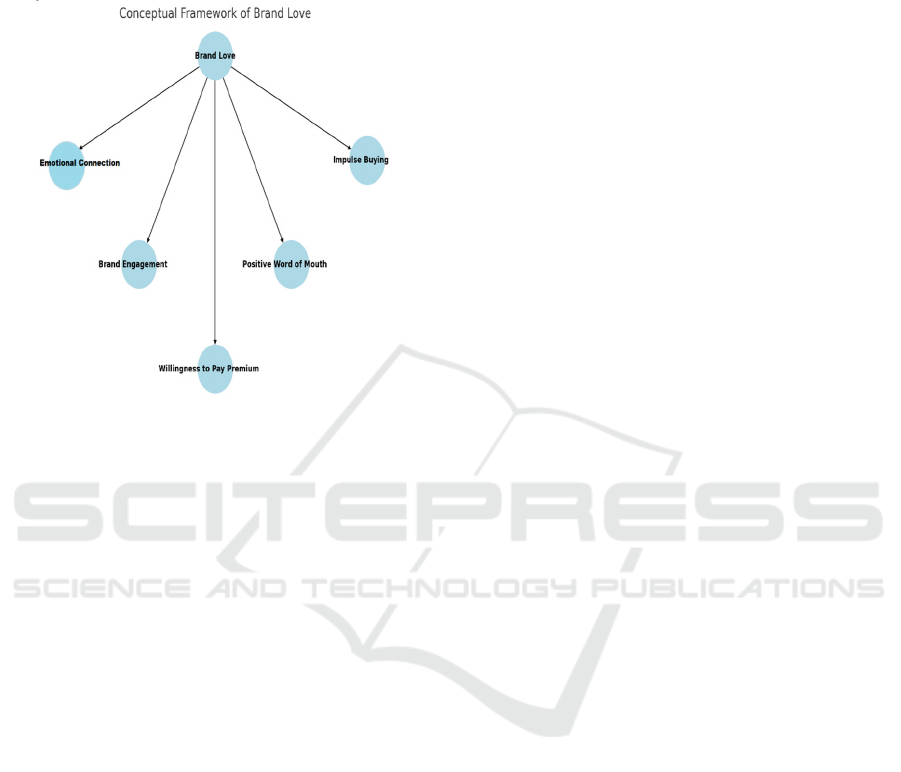
Figure 1 shows the Conceptual framework of the
study.
Figure 1: Conceptual framework of the study.
2.6 Objective and Hypothesis
Objective: To find the effect of brand love on brand
engagement, positive WOM, emotional connection,
impulse buying, and willing to pay premium.
Hypothesis: Brand love has a significant positive
relationship on brand engagement, positive WOM,
emotional connection, impulse buying, and willing to
pay premium.
3 RESEARCH METHODOLOGY
3.1 Research Design and Population
This study utilizes a blend of descriptive and
correlational research methods to explore consumer-
brand interactions within India's luxury fashion
market. The descriptive approach helps outline the
characteristics of the target population, while the
correlational analysis investigates the relationships
among key variables.
3.2 Sample Size
Selected for this study were 400 college students from
four Indian states Jharkhand, Chhattisgarh, Madhya
Pradesh, and Bihar ensuring a well-rounded
representation. Because of their increasing buying
power, more fashion awareness, and interaction with
internet branding, college students are a vital target
market for luxury fashion companies. To ensure
statistical accuracy in the quantitative research, the
sample size was calculated with Cochran's formula.
3.3 Instruments and Data Collection
Data was collected using a questionnaire developed
to measure key variables demonstrating consumer-
brand relationships in luxury fashion. A five-point
Likert scale (1 = strongly disagree, 5 = strongly
agree) was used in the questionnaire to systematically
analyze participant responses. In terms of credibility,
adapted questionnaire items were adopted from
known research scales.
3.4 Reliability and Validity Assessment
To ensure the reliability and validity of the research
instrument, a confirmatory study was conducted.
Cronbach’s alpha was used to assess the internal
consistency of the measurement tool and a score of
0.70 was considered acceptable. Construct validity
was established by means of a two-step approach:
exploratory factor analysis (EFA) was conducted to
reveal the underlying factor structure, followed by
confirmatory factor analysis (CFA) to validate the
measurement model. Composite reliability (CR) and
average variance extracted (AVE) metrics were also
used to analyze discriminant and convergent
validity.
3.5 Data Analysis Techniques
Data were analysed through the SPSS (Statistical
Package for the Social Sciences) and the Smart PLS
(Partial Least Squares Structural Equation Modeling
- PLS-SEM). Descriptive statistics, including
frequency distributions, means comparisons and
standard deviations were carried out using SPSS.
PLS-SEM modeling was conducted through Smart
PLS, a modeling technique well-suited for predictive
research involving complex relationships.
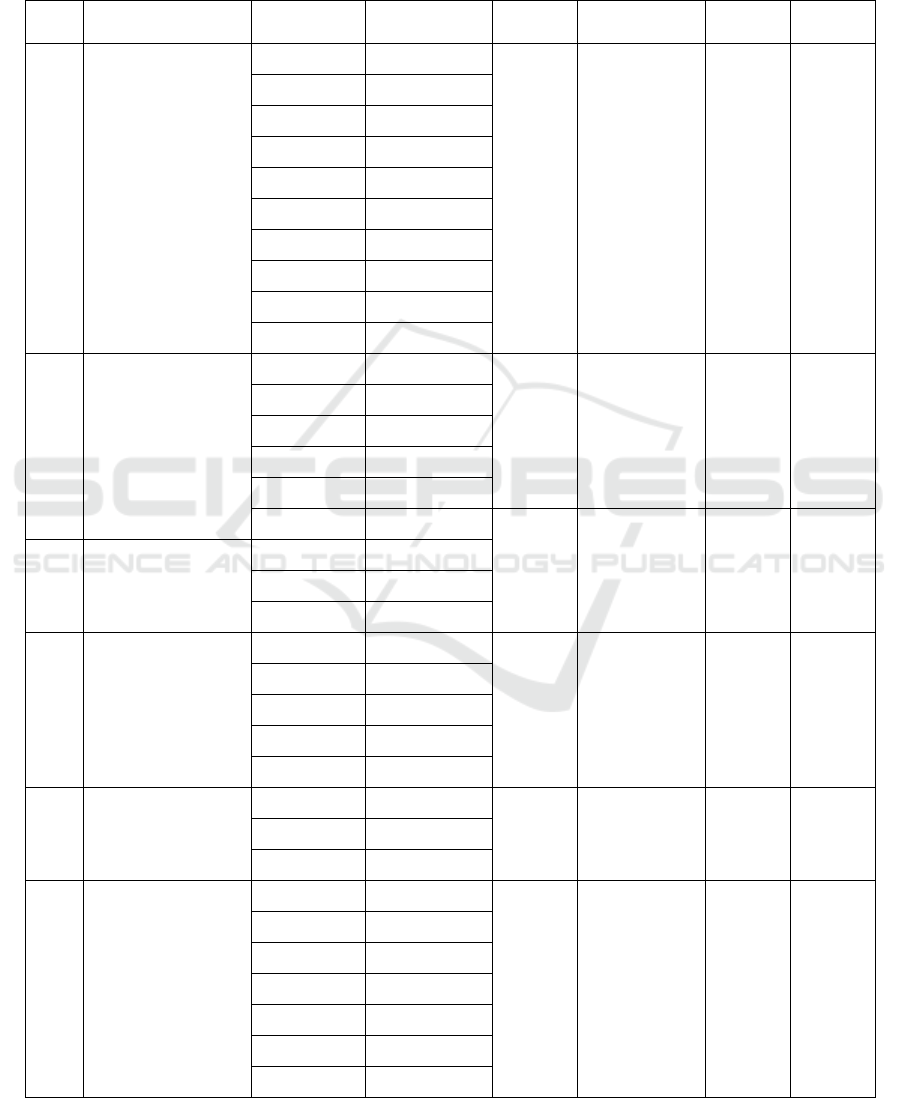
Table 1
shows the Item Loading and Reliability Statistics of
Brand Love, Brand Engagement, Emotional
Connection, Word of Mouth Impulse Buying, Willing
to Pay Premium.
The Role of Brand Love in Driving Consumer Engagement and Purchasing Behavior in the Luxury Fashion Market
669
4 DATA ANALYSIS AND
INTERPRETATION
Table 1: Item loading and reliability statistics of brand love, brand engagement, emotional connection, word of mouth impulse
buying, willing to pay premium.
S.
No
Variables Item Factor loading Average Cronbach CR AVE
1 Brand Love
BL-1 0.860
0.92 0.93 0.94 0.87
BL-2 0.740
BL-3 0.911
BL-4 0.860
BL-5 0.888
BL-6 0.796
BL-7 0.765
BL-8 0.796
BL-9 0.851
BL-10 0.731
2 Brand Engagement
BEng-1 0.779
0.89 0.96 0.97 0.79
BEng-2 0.760
BEng-3 0.821
BEng-4 0.850
BEng-5 0.792
WOM-1 0.810
0.76 0.74 0.76 0.71
3 Word of Mouth
WOM-2 0.730
WOM-3 0.780
WOM-4 0.821
4
Emotional
Connection
ECON-1 0.874
0.74 0.69 0.72 0.81
ECON-2 0.711
ECON-3 0.846
ECON-4 0.812
ECON-5 0.713
5 Impulse Buying
IB-1 0.801
0.81 0.78 0.73 0.77 IB-2 0.899
IB-3 0.746
6
Willing to Pay
Premium
WPP-1 0.786
0.79 0.72 0.81 0.86
WPP-2 0.812
WPP-3 0.765
WPP-4 0.744
WPP-5 0.723
WPP-6 0.716
WPP-7 0.832
ICRDICCT‘25 2025 - INTERNATIONAL CONFERENCE ON RESEARCH AND DEVELOPMENT IN INFORMATION,
COMMUNICATION, AND COMPUTING TECHNOLOGIES
670

4.1 Reliability and Validity Measures
4.1.1 Measures of Reliability
The values of Cronbach’s alpha for the constructs in
this study are as follows: Brand Love (0.93), Brand
Engagement (0.96), Positive Word of Mouth (0.74),
Emotional Connection (0.69), Impulse Buying (0.78),
and Willingness to Pay Premium (0.72). Study
indicate that a Cronbach’s alpha value of 0.7 or higher
is regarded as desirable. The values demonstrate that
all constructs show acceptable to excellent internal
consistency, thereby affirming the reliability of the
scales employed in this study. This approach is
considered more appropriate for the assessment of
reliability for SEM measures through Composite
Reliability (CR). These results assert that the
constructs' composite reliability values are Brand
Love (0.94), Brand Engagement (0.97), Positive
WOM (0.76), Emotional Connection (0.72), Impulse
Buying (0.73), and Willingness to Pay Premium
(0.81). According to the author CR ≥ 0.7 would
reflect an acceptable reliability. These results endorse
the reliability of the scales used in this study.
4.1.2 Convergent Validity
In this study reflective model approaches were
utilized to assess the CR and AVE that are
commonly assessed for establishing convergent
validity. Composite Reliability (CR) of ≥ 0.7 and
Average Variance Extracted (AVE) of ≥ 0.5 Table 1
were proved indicative of internal consistency
reliability and convergent validity
The Composite Reliability (CR) values of Brand
Love (0.94), Brand Engagement (0.97), Positive
Word of Mouth (0.76), Emotional Connection (0.72),
Impulse Buying (0.73), and Willingness to Pay
Premium (0.81) reflects a high level of internal
consistency and reliability of the scales.
Convergent validity is confirmed with Average
Variance Extracted (AVE) values exceeding 0.50,
such as AVE values for Brand Love (0.87), Brand
Engagement (0.79), Positive Word of Mouth (0.71),
Emotional Connection (0.81), Impulse Buying (0.77),
and Willingness to Pay Premium (0.86), that signify
sufficient variance explanation by items with each
construct.
Table 2: Direct effect, path coefficients (total effect) brand satisfaction as independent factor.
Variables Path coefficient (β)
Direct effect (R
Square)
T Value P Value
Brand Love-> Willing Pay
Premium
0.792 0.798** 79.442 0.000
Brand Love-> Impulse Buying 0.714 0.727** 72.132 0.000
Brand Love-> Emotional
Connection
-0.277 0.289** 25.270 0.006
Brand Love-> Brand
Engagement
0.308 0.342** -2.169 0.038
Brand Love-> Positive WOM 0.7459 0.761** 76.112 0.000
p < 0.05*, p < 0.01**
The Role of Brand Love in Driving Consumer Engagement and Purchasing Behavior in the Luxury Fashion Market
671
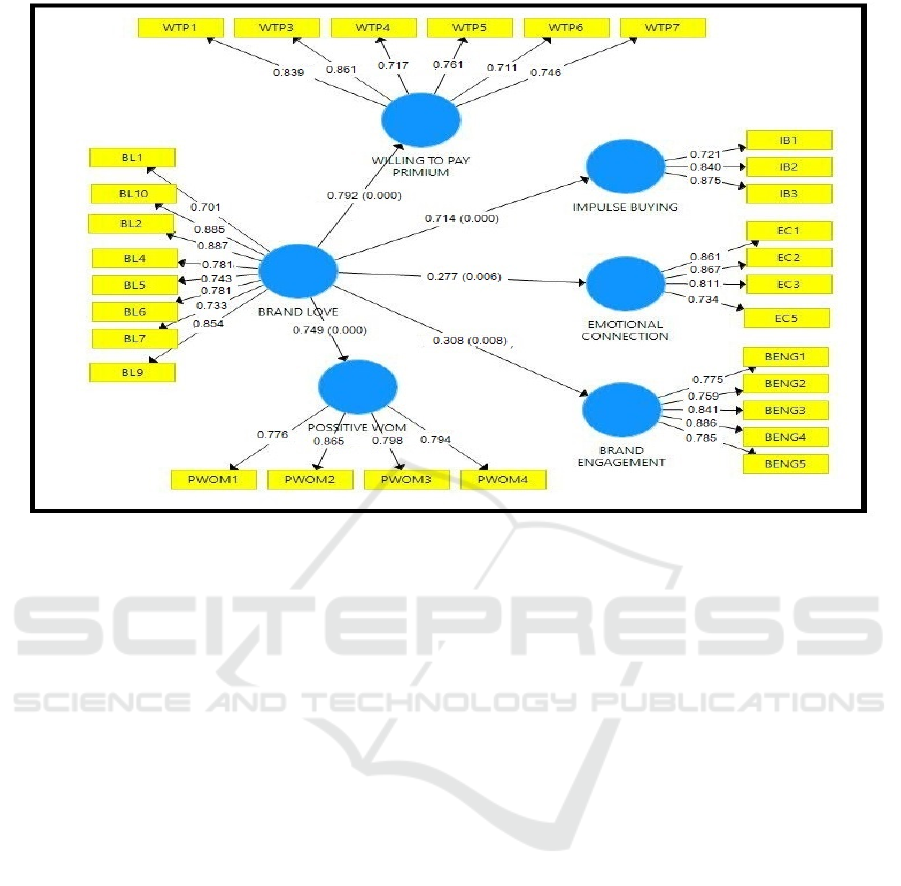
Figure 2: Structural equation model of all the variables (brand love on brand engagement, positive WOM, emotional
connection, impulse buying, and willing to pay premium).
Table 2 shows that all path coefficients in the
model are statistically significant, showing strong
relationships between the variables. The study
revealed a strong positive correlation between Brand
Love and Willingness to Pay a Premium (R² = 0.798,
β = 0.792, t = 79.442, p < 0.01), indicating that Brand
Love explains 79.8% of the variability in Willingness
to Pay a Premium. This emphasizes the crucial
significance of Brand Love in motivating clients to
pay premium rates for luxury fashion businesses.
Figure 2 shows the Structural equation model of all
the variables (brand love on brand engagement,
positive WOM, emotional connection, impulse
buying, and willing to pay premium).
The study found a significant and positive
correlation between Brand Love and Impulse Buying
(R² = 0.727, β = 0.714, t = 72.132, p < 0.01),
indicating that Brand Love explains 72.7% of the
variability in Impulse Buying. This suggests that
buyers who experience a profound emotional
connection with a brand are more inclined to engage
in spontaneous buying decisions.
Surprisingly, there was a negative relationship
between Brand Love and Emotional Connection. The
statistical analysis showed that Brand Love explained
28.9% of the variance in Emotional Connection, with
a coefficient of determination (R²) of 0.289, a beta
coefficient (β) of -0.277, a t-value of 25.270, and a p-
value less than 0.01. This implies a more intricate
correlation where a higher level of Brand Love may
not necessarily result in a more powerful emotional
bond, maybe due to contextual or situational
influences.
The study found that Brand Love had a significant
and negative effect on Brand Engagement. The
statistical analysis showed that Brand Love explained
34.2% of the variability in Brand Engagement, with a
coefficient of determination (R²) of 0.342. The beta
coefficient (β) was -0.308, indicating a negative
relationship between Brand Love and Brand
Engagement, where higher levels of Brand Love are
associated with lower levels of Brand Engagement.
The t-value was -2.169, indicating the significance of
the relationship, and the p-value was 0.038, further
confirming the significance of the findings. This
suggests that, contrary to expectations, customers
who have a strong affinity for a brand may be less
inclined to engage with it.
Brand Love was discovered to have a strong
correlation with Positive Word of Mouth (WOM) (R²
= 0.761, β = 0.7459, t = 76.112, p < 0.01), accounting
for 76.1% of the variation in Positive WOM. This
highlights the significance of Brand Love in
motivating customers to actively endorse the brand to
others.
ICRDICCT‘25 2025 - INTERNATIONAL CONFERENCE ON RESEARCH AND DEVELOPMENT IN INFORMATION,
COMMUNICATION, AND COMPUTING TECHNOLOGIES
672

5 DISCUSSION AND FINDINGS
This study examined the influence of brand love on
key consumer behaviors in the luxury fashion sector,
specifically focusing on willingness to pay a
premium, impulse buying, emotional connection,
brand engagement, and positive word-of-mouth
(WOM). The findings reinforce established theories
while also challenging some conventional
perspectives, offering fresh insights into the role of
emotional branding in the luxury industry.
5.1 Brand Love and Willingness to Pay
a Premium
The analysis identified a strong positive correlation
between brand love and willingness to pay a premium
showing that brand love accounts for nearly 79.8% of
the variation in premium price justification. This
aligns with prior studies suggesting that consumers
with strong emotional ties to a brand perceive it as
more exclusive and prestigious, making them more
inclined to accept higher pricing Furthermore, these
findings support study who emphasized the role of
brand authenticity in justifying premium pricing.
Similarly, Author highlighted how emotional
engagement enhances the perceived uniqueness of
luxury products, reinforcing the effectiveness of
premium pricing strategies. These insights
underscore the importance of emotional branding in
driving consumer value perception within the luxury
fashion industry.
5.2 Brand Love and Impulse Buying
A strong positive relationship was found between
brand love and impulse buying indicating that brand
love explains 72.7% of variations in spontaneous
purchasing behavior. These results align with the
findings of both of whom concluded that emotional
attachment significantly increases the likelihood of
unplanned purchases. Luxury consumers with deep
brand love are often driven by emotional gratification
and exclusivity when making impulse purchases
Additionally, Study noted that impulse buying
tendencies are amplified when brands use scarcity-
driven marketing tactics, such as limited-edition
releases. This suggests that luxury brands can
strategically leverage emotional branding and
exclusivity to encourage impulsive purchasing
behavior.
5.3 Brand Love and Emotional
Connection
The study surprisingly revealed a negative
association between brand love and emotional
connection, implying that more brand love does not
always translate into a closer emotional bond. The
present results contradict earlier research, including
which maintained that emotional connection and
brand love are naturally connected. This outcome
more fits who proposed that social identification can
affect brand love apart from personal emotional
connection. One theory is that some customers
establish brand love depending more on aspirational
value than on a strong emotional connection. Luxury
companies often inspire respect by distinction and
exclusiveness instead of by personal emotional
involvement. This realization implies that outside
views of status and desirability may rather generate
brand love than always transfer into emotional
dependency.
5.4 Brand Love and Brand
Engagement
The first surprise of the study is that a negative
relationship between brand love and brand
engagement was found, suggesting that increased
levels of brand love result in consumers being less
engaged. This is in contrast to some earlier research
which has generally found a positive association
between these two. One potential reason why
consumer do not search for brands they love is that
those who develop profound emotions for a brand
may not require brand contact if they are already
deeply attached to it, nor may they want to be exposed
to additional information. if that leads to
oversaturation with information and a passive form of
consumption. Article also emphasized the importance
of considering consumer engagement conducted by
brands, with the implication that consumer
engagement deteriorates over time when brands do
not adjust to ongoing dynamic and interactive
experiences, also leading to decreased interaction
even among the same consumer. Their findings
underscore the distinction and subsequent need by
luxury brands to differentiate between passive brand
admiration versus active consumer engagement, thus
preventing luxury brands from inadvertently
allowing, through marketing operations, for mere
admiration (albeit passive admiration) for their brand
to occur and perpetuate.
The Role of Brand Love in Driving Consumer Engagement and Purchasing Behavior in the Luxury Fashion Market
673

5.5 Brand Love and Positive Word-of-
Mouth (WOM)
The research found a robust positive association
between brand love and positive WOM, which
explained 76.1% of the variance in consumer
advocacy. This result corresponds well to previous
research showing that consumers that are strongly
emotionally attached to a brand actively promote and
endorse the brand. Even supported this conclusion
stating that Brand love increases WOM engagement,
particularly in digital spaces. Likewise,mentioned
that luxury consumers tend to share positive WOM of
high-end brands due to the status gained by
endorsing high-end brands. Insights from various
studies indicate that luxury brands must nurture brand
love in a strategic manner, so that they can enjoy
organic advocacy from consumers, something which
they can get via influencer engagements and social
media. The upgrades and utilization power of
positive WOM in luxury can be maximized through
strong emotional ties with potential customers.
6 CONCLUSIONS
This leads to the research implications of this study:
it provides the following contributions: The
contribution of this study is to understand the delicate
relationship between brand love and consumer
behavior in the context of luxury fashion. These
results confirm an important role of brand love in
consumers' decision processes such as justification of
premium price, impulse purchase, and word-of-
mouth advocacy. Consumers that show a strong
emotional connection with luxury brands tend to be
less price sensitive and also more impulsive, and so
emotional branding can be a persuasive marketing
decision for luxury products. Yet there may be not as
welcome surprise by observing that brand love is still
negatively correlated to both emotional connection
and brand engagement, which goes against the
traditional view of positive correlation. The love of a
brand makes people admire and affects their purchase
decisions, but love does not directly create emotional
awareness or human participation. This indicates that
luxury brands themselves need an optimization of
emotional branding on demand, consented by
personalized experiences and meaningful consumers
touchpoints. The findings of the study are of
particular relevance for luxury brand strategists
looking to adapt marketing approaches. Luxury
fashion brands can use it to tap into customer loyalty,
bolster organic brand advocacy, and fortify premium
pricing mechanisms. Future research should delve
further into relevant contexts (e.g., culture, social
identity and digital engagement mechanisms) to
better understand the complex dynamics governing
consumer-brand interactions in the luxurious garment
industry.
REFERENCES
Ali, F., Enaba, P., & Labib, H. M. (2024). Lovemarks
influence on luxury brands’ emotional attachment in
Egypt. Scientific Journal for Studies and Business
Research. https://masf.journals.ekb.eg/article_396261_
b986828d2b5c284edb404d2a6b2bbd4f.pdf
Anwar, M. M. (2024). Halal fashion insights: Understandi
ng brand dynamics in consumer perception. Journal of
Islamic Marketing. https://www.emerald.com /insight
/content/doi/10.1108/ jima-04-2024-0149/full/html
Batra, R., Ahuvia, A., & Bagozzi, R. P. (2012). Brand love.
Journal of Marketing, 76(2), 1- 16. https://doi.org/10.
1509/jm.09.0339
Bazi, S., Filieri, R., & Gorton, M. (2023). Social media
content aesthetic quality and customer engagement:
The mediating role of entertainment and impacts on
brand love and loyalty. Journal of Business Research.
https://www.sciencedirect.com/ science/article /pii/S0
148296323001364
Burnasheva, R., Suh, Y. G., & Villalobos- Moron, K. (201
9). Sense of community and social identity effect on
brand love: Based on the online communities of a
luxury fashion brands. Journal of Global Fashion
Marketing, 10(1), 50-65.
Carroll, B. A., & Ahuvia, A. C. (2006). Some antecedents
and outcomes of brand love. Marketing Letters, 17, 79-
89. https://doi.org/10.1007/s11002-006-4219-2
Chen, M., Xie, Z., Zhang, J., & Li, Y. (2021). Internet
celebrities' impact on luxury fashion impulse buying.
Journal of Theoretical and Applied Electronic Comme
rce Research, 16(6), 136.
Dahrouj, R., Itani, O. S., Hollebeek, L. D., Eslami, H., &
Kassar, A. N. (2025). Which corporate social responsi
bility (CSR) approach optimizes customer engagement
behavior? The role of customer-brand identification,
brand love, and social communication. Journal of
Retailing and Consumer Services, 84, 104230.
Dijkstra, T. K., & Henseler, J. (2015). Consistent and asy
mptotically normal PLS estimators for linear structural
equations. Computational statistics & data analysis, 81
, 10-23.
Djohan, N. S., & Brahmana, R. K. M. R. (2017). Willingn
ess to pay premium for luxurious fashion brands in
Indonesia: Is it love? International Journal of Business
and Economics, 5(1), 45-60.
Duraes, E. M. (2025). The influence of brand activism in
brand love to promote brand advocacy in the fashion
industry (Doctoral dissertation).
ICRDICCT‘25 2025 - INTERNATIONAL CONFERENCE ON RESEARCH AND DEVELOPMENT IN INFORMATION,
COMMUNICATION, AND COMPUTING TECHNOLOGIES
674

Hair Jr, J. F. (2006). Successful strategies for teaching
multivariate statistics. In Proceedings of the 7th Intern
ational Conference on (pp. 1-5).
Hasdiansa, I. W., & Balqiah, T. E. (2019). Understanding
the Influence of Brand Jealousy, Brand Love and
Materialism Towards Willingness to Pay Premium:
Study on Coach's Handbag. In 3rd Asia – Pacific Rese
arch in Social Sciences and Humanities Universitas
Indonesia Conference (APRISH 2018) 283- 289. Atla
ntis Press.
Henseler, J., Ringle, C. M., & Sarstedt, M. (2016). Testing
measurement invariance of composites using partial
least squares. International marketing review, 33(3),
405-431.
Hu, L., Bentler, P. M., & Kano, Y. (1992). Can test statistics
in covariance structure analysis be trusted? Psychologi
cal Bulletin, 112(2), 351–362.
Huang, R. (2017). The influence of brand love on word of
mouth communication. Marketing Intelligence &
Planning, 35(4), 499-512. https://doi.org/10.1108/MIP-
10-2016-0190
Japutra, A., Ekinci, Y., & Simkin, L. (2018). Tie the knot:
Building strong brand relationships. Journal of
Strategic Marketing, 26(3), 223- 240. https://doi.org/1
0.1080/0965254X.2016.1195862
Joshi, R., Garg, P., & Kamboj, S. (2023). Examining the
effects of brand authenticity and brand identification on
consumers' willingness to pay premium. International
Journal of Internet Marketing and Advertising, 19(2),
112-130.
Kapferer, J. N., & Bastien, V. (2012). The luxury strategy:
Break the rules of marketing to build luxury brands.
Kogan Page Publishers.
Kashif, M., Korkmaz Devrani, T., Rehman, A., & Samad,
S. (2021). Love is not blind: investigating a love-hate
transition among luxury fashion brand consumers. Jou
rnal of Fashion Marketing and Management: An
International Journal, 25(4), 625-643.
Ko, E., Costello, J. P., & Taylor, C. R. (2019). What is a
luxury brand? A new definition and review of the
literature. Journal of Business Research, 99, 405-413.
https://doi.org/10.1016/j.jbusres.2017.08.023
Kostritsa, M., Liebl, H., & Beinhauer, R. (2020). Consumer
brand love for luxury brands in India. Acta Universitatis
Agriculturae et Silviculturae Mendelianae Brunensis,
68(1), 221-238.
Liapati, G., Assiouras, I., & Decaudin, J. M. (2015). The
role of fashion involvement, brand love, and hedonic
consumption tendency in fashion impulse purchasing.
Journal of Global Fashion Marketing, 6(1), 55-68.
Mandal, M., & Dash, S. (2025). Indian adolescents' custo
mer relationship with food brands: Exploring the role
of brand love. South Asian Journal of Business Studies.
https://www.emerald.com/insight/content/doi/10.1108/
sajbs-05-2024-0174/full/html
Mrad, M., Majdalani, J., Cui, C. C., & El Khansa, Z. (2020).
Brand addiction in the contexts of luxury and fast-
fashion brands. Journal of Retailing and Consumer
Services, 54, 101949.
Ni, Y., Mu, Y., Lu, M., Wang, J., & Chen, Z. (2024). The
effects of brand-self connection on the willingness to
pay a price premium: A new look at the consumer–
brand relationship in the Chinese luxury fashion
industry. Advances in Economics, Management, and
Political Sciences, 2(3), 87-105.
Nunnally, J. C., & Bernstein, I. H. (1994). Psychometric
theory (3rd ed.). New York, NY: McGraw-Hill.
Nyadzayo, M. W., Johnson, L. W., & Rossi, M. (2020).
Drivers and outcomes of brand engagement in self-
concept for luxury fashion brands. Journal of Fashion
Marketing and Management.https://www.emerald.com
/insight/content/doi/10.1108/JFMM-05-2018-0070
/full/html
Ortiz Pages, A., & Motsiopoulou, C. (2024). A study on
luxury and sustainable consumption: Mixing and
matching. DiVA Portal. https://www.diva- portal.org/s
mash/record.jsf?pid=diva2:1880814
Rodrigues, C., & Rodrigues, P. (2019). Brand love matters
to Millennials: the relevance of mystery, sensuality and
intimacy to neo-luxury brands. Journal of Product &
Brand Management, 28(7), 830-848.
Rodrigues, P., & Brandão, A. (2018). The importance of
self in brand love in consumer- luxury brand relations
hips. Journal of Customer Behaviour, 17(3), 216-233.
Shetty, K., & Fitzsimmons, J. R. (2022). The effect of brand
personality congruence, brand attachment, and brand
love on loyalty among HENRY’s in the luxury
branding sector. Journal of Fashion Marketing and
Management, 26(2), 305-325.
Shindy, S., & Hariandja, E. S. (2021). The influence of
brand credibility towards words of mouth of fashion
brand. Journal of Economics, Business, & Accountancy
Ventura, 23(3), 2-4.
Siew, S. W., Minor, M. S., & Felix, R. (2018). The influen
ce of perceived strength of brand origin on willingness
to pay more for luxury goods. Journal of Brand
Management, 25(4), 304-319.
Song, S., & Kim, H. Y. (2022). Is social media marketing
worth it for luxury brands? The dual impact of brand
page satisfaction and brand love on word-of-mouth and
attitudinal loyalty intentions. Journal of Product &
Brand Management, 31(7), 1033- 1046.https://www.e
merald.com/insight/content/doi/10.1108/jpbm-06-
2020-2936/full/html
Wahyadyatmika, I. B. P., & Mahyuni, L. P. (2025). Brand
Love Mediates Fashion Innovativeness, Perceived
Quality, Value for Money, and Word of Mouth Effects
. Indonesian Interdisciplinary Journal of Sharia Econo
mics (IIJSE), 8(1), 2071- 2093.https://www.e- journal.
uac.ac.id/index.php/iijse/article/download/5768/2393
Werts, C. E., Linn, R. L., & Jöreskog, K. G. (1974).
Intraclass reliability estimates: Testing structural assu
mptions. Educational and Psychological measurement,
34(1), 25-33.
The Role of Brand Love in Driving Consumer Engagement and Purchasing Behavior in the Luxury Fashion Market
675
