
The Future Role of Influencing Customer Purchase Decisions
through Social Media Engagement
Jiji George and Ebenezer Paul Rajan T.Y
Department of Management, Karpagam Academy of Higher Education (KAHE), Coimbatore, Tamil Nadu, India
Keywords: Consumer behavior, Fashion products, Social media, Purchase decisions.
Abstract: This Instagram influences young consumers decisions to buy fashion items. A valid respondent was
obtained using the study's quantitative methodology, which used snowball sampling. Sellers must consider
and sustain interaction by producing individualized content, as the results show that it is important for
consumer satisfaction but not for purchase decisions. Customer satisfaction and purchasing decisions are
also greatly influenced by seller openness communications, which highlight the significance of precise and
comprehensive product information. The study also emphasizes how important brand familiarity and
proximity are in raising customer happiness, showing that engaging customers requires individualized care
and innovative, consistent message content. Additionally, the results show that continuing social media
interaction and after-sales support are critical to sustaining consumer satisfaction following a purchase.
1 INTRODUCTION
People may now readily communicate with one
another because to the rise of the Internet, using a
variety of platforms like social media, chat apps,
email, and mobile phones .These days, social media
has become quite popular, and many people use it not
just because it works well but also because it has
become a way of life, particularly among young
people like Generation Z. Instagram is currently one
of the most widely used social networking platforms
instagram was the most popular social media
network among Generation Z in 2025, according to
the social poll, with medium of Indians using it.
Instagram even performs better than other social
media sites like Facebook and WhatsApp in terms of
user preference. Due to its widespread use and large
user base among Generation Z, numerous companies
are now attempting to market their goods to this
demographic (W. Tissera et al. 2024) However, as
many businesses invest a significant amount of
money in social media advertising with the goal of
boosting sales, brand awareness, and relationship
development, other businesses are also targeting this
market in an effort to increase competition(Ahmed et
al.2024).The majority of people in developing
nations like India still conduct business directly
through social media users' financial accounts (S.
Ananda et al. 2024), despite the availability of safe
platforms like e-commerce for product purchases.
This is because, according to earlier research (Basuki
et al. 2024) customers have a high degree of trust in
social media users, and the total amount of
transactions on these platforms exceeds $1-4 billion.
However, certain empirical data also revealed that
since 2024, the number of digital transaction scams
has been steadily rising, exceeding $48 billion
globally (de Figueiredo Marcos and J. L. Brás,
2022). In light of this, the study's goal is to
investigate social media buying considerations
because, on the one hand, the shift in consumer
behavior brought about by COVID-19 has led to
consumers preferring to shop online over in-store,
and on the other hand, many businesses now view
social media as an effective medium for reaching
potential customers by fostering positive customer
engagement. This study is significant because social
media-using firms are greatly impacted by this
phenomena and must comprehend consumer
behavior in order to improve customer experience
and obtain a competitive edge.
588
George, J. and Y., E. P. R. T.
The Future Role of Influencing Customer Purchase Decisions through Social Media Engagement.
DOI: 10.5220/0013917300004919
Paper published under CC license (CC BY-NC-ND 4.0)
In Proceedings of the 1st International Conference on Research and Development in Information, Communication, and Computing Technologies (ICRDICCT‘25 2025) - Volume 4, pages
588-592
ISBN: 978-989-758-777-1
Proceedings Copyright © 2026 by SCITEPRESS – Science and Technology Publications, Lda.

2 RELATED WORK
The business environment of marketing and customer
behavior a radical change Fashion design developed
into a potent instrument that has a big influence on
corporate operations and is no longer just a medium
for interpersonal communication (M. Han and J.
Park, 2023). Social media, as opposed to traditional
print media, offers a dynamic and interactive setting
where businesses may communicate directly with
customers, influencing their opinions and intents to
buy through persuasive content and focused
messaging (M. R. Ndineyi and S. Theerakittikul et
al. 2022). The production and distribution of
distinctive and captivating material intended to grab
users' attention and pique their interest in the goods
or services being promoted is the foundation of social
media promotion .Businesses can successfully
convey their brand messages and value propositions
to a worldwide audience by combining aesthetically
pleasing imagery, compelling messaging, and
interactive features content, overcoming regional
limitations and conventional marketing restrictions
(J. Nk and R. Raman 2024). Numerous indicators for
gauging social media engagement have been
identified by earlier research, including both
qualitative and quantitative elements like the volume
and caliber of user-brand interactions as well as
quantitative metrics like the number of followers,
likes, and shares research has consistently
demonstrated that social media interaction and
consumer purchase intention are positively
correlated, with higher levels of participation being
associated with a higher likelihood of making a
purchase (J. Chen et al. 2023). This phenomenon can
be ascribed to the immersive nature of social media
interactions, which reduce perceived risks associated
with online transactions and facilitate decision-
making by enabling users to explore products, ask
other users for recommendations, and have real-time
conversations with brands (T. Lodkaew et al. 2018).
Furthermore, social media interaction influences
customer happiness and brand loyalty in addition to
direct purchase decisions. Additionally, studies show
that elements like relationship closeness, openness
(communication), and brand familiarity are crucial in
determining how consumers view brands and how
likely they are to buy or suggest the items to
others(S. Kumar et al. 2024) Businesses can increase
customer satisfaction and optimize the lifetime value
of their clientele by establishing trust and promoting
positive connections through genuine communication
and tailored experiences.
Suggest the following theories to be investigated
in this study based on the understanding obtained
from the evaluated literature that already explains
Social media interaction influences the purchase
decision influences customer satisfaction positively
influences the purchase decision positively influences
customer satisfaction has a helpful relationship with
the purchase decision positive relationship with the
customer satisfaction has a relationship closeness
influences the purchase decision has a positive
relationship with the purchase decision (PD)( M. S.
Arunkumar et al. 2024). customer satisfaction is
influenced by relationship closeness and customer
satisfaction is influenced by purchase decision .
3 PROPOSED METHODOLOGY
The snowball sampling, a quantitative research
strategy that starts with a small number of samples
and then grows larger, will be used in this study.
Researchers distribute the surveys both locally and
online in order to collect the data(K. M, G. Shrimal
et al. 2023). The Likert scale pertaining to the
respondents' thoughts and evaluations will be used to
measure the questions. An interval measuring
instrument called the Likert scale has five levels for
evaluating scores, the indicator from the prior study
to ascertain the relationship between the research
variables. Two indicators are used to measure social
media interactivity, two indicators are used to
measure familiarity, two indicators are used to
determine closeness, two indicators are used to
determine openness, two indicators are used to
determine satisfaction, and two indicators are used to
determine purchase intention. With a 10% margin of
error and a population of 2.5 million people living in
Bandung, the sample size for this study was
established using the Slovin algorithm (M. A.
Mohammed et al. 2024).
Therefore, the research yields 246 valid sample
sizes, with a minimum sample size of 99.99, rounded
to 100 respondents. Male and female respondents
must meet the following requirements in order to be
considered for this study city permanent residents be
active on social media or heavy users; and have prior
experience buying fashion items on social media(Y.
Liu and L. Wang 2024). SMART-PLS software tools
will be used to evaluate the acquired questionnaire
data in order to assess its validity and reliability and
carry out hypothesis testing.
The Future Role of Influencing Customer Purchase Decisions through Social Media Engagement
589
4 RESULT AND ANALYSIS
Demographic information and social media activity
are among the variables displayed of the respondent
profile. It is evident that the respondents' genders are
nearly evenly distributed respondents are men and
respondents are women. Regarding the respondents'
ages, the majority of our research between the ages
of 18 and 30. Our respondents' social media behavior
also demonstrates that they have experience making
purchases on social media, making purchases on
social media per month and completing 3-4
transactions.
Additionally, individuals spend more than
minutes a day on social media, indicating that this
platform has an impact on their life. This result is
consistent with We Are Social's statistics, which
indicates that a large number of young people utilize
social media to purchase goods or services.
4.1 Test of Validity and Reliability
The validity and dependability of our suggested
model. The construct of validity and reliability also
demonstrates that all thresholds values, including
indicating a suitable outcome for the outer loadings
components. This outcome shows how well the
constructs measure the desired ideas. Because all of
the validity and reliability values are less than 5, the
collinearity analysis result, suggests that our
indicators in this study do not exhibit problematic
levels of multicollinearity within the assessed
constructs .This result enhances our comprehension
of the connection between the study variables and the
analysis's dependability.
This could imply that although brand awareness
can increase sales, the quality of the product or
service, trust, and the post-purchase experience all
have a greater impact on consumer happiness. Being
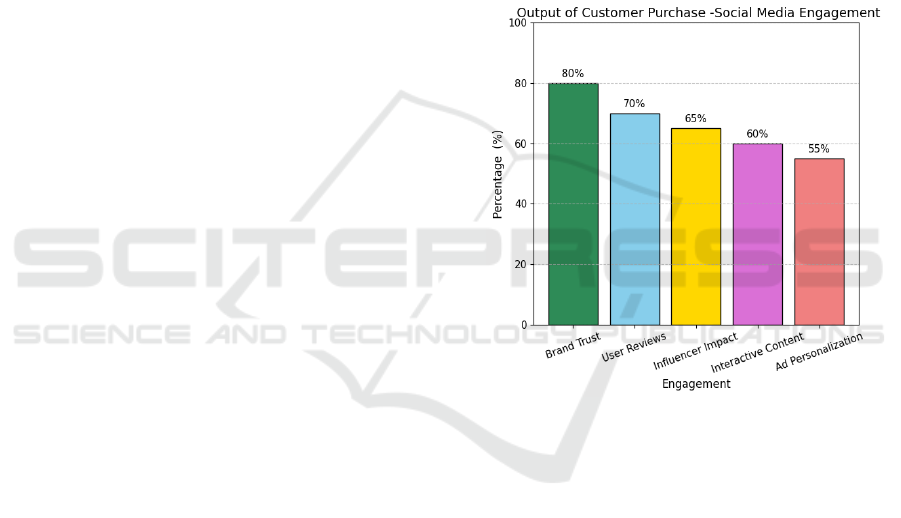
fig 1 transparent in communication as a social media
seller aids in both influencing a customer's decision
to buy .The results on openness and relationship
closeness support the idea that building great
relationships with customers and communicating
openly are crucial.
Given that open communication is positively
correlated with both purchase decisions and customer
happiness, it suggests that consumers like brands that
are transparent and communicative .Customers are
influenced by the intimacy of a relationship and
prefer to purchase from brands with which they have
a personal connection. However, the fact that it had
no discernible impact on customer happiness
suggests that other factors may be more crucial in
predicting post-purchase customer pleasure.
These Figure 1 indicate that social media sellers
should be transparent and unambiguous about the full
product specifications and materials they offer to
clients, particularly when doing so in a way that
prevents clients from touching or directly viewing the
details .Accordingly,
Our research also demonstrates that proximity
can affect consumers' decisions to buy by 0.17,
indicating that online sellers must also foster
intimacy and involvement with their clients. The
findings on relationship closeness and openness lend
credence to the notion that open communication and
fostering strong customer relationships are essential.
Figure 1: Output of Customer Purchase -Social Media
Engagement.
Customers prefer brands that are open and
communicative, as evidenced by the favorable
correlations found between open communication and
both purchase decisions and customer satisfaction
.Consumers are swayed by the closeness of a
relationship and favor brands that they are personally
associated with. Its lack of a noticeable effect on
customer satisfaction, however, raises the possibility
that other variables are more important in predicting
customer satisfaction after a purchase.
5 RESULTS & DISCUSSION
The association between Instagram social media and
fashion goods purchases has been examined in this
study. All of these findings suggest that social media
ICRDICCT‘25 2025 - INTERNATIONAL CONFERENCE ON RESEARCH AND DEVELOPMENT IN INFORMATION,
COMMUNICATION, AND COMPUTING TECHNOLOGIES
590

merchants should stress how customers' decisions to
buy are influenced by openness, familiarity, and
intimacy. Social media vendors promote open and
honest communication, fostering a sense of intimacy
and connection, boosting brand awareness, engaging
with clients in real time, and providing excellent
post-purchase assistance. Social media sellers can
build strong relationships with their customers by
encouraging open communication and customizing
their approaches to interact with them personally. For
instance, they can use social media tools like live
streams, interactive stories, and community groups to
foster a feeling of community and loyalty among
their clientele. Table 1 Shows the Purchase
Decisions.
Table 1: Purchase Decisions.
In Shopping and OFF Shopping Portals
S.
No
Branding Social Media
1
Increasing brand
awareness is crucial
for influencing
customer choices,
highlighting the
need of trustworthy
branding and
engaging stories
that appeal to the
target market.
The connection
between happiness and
purchase decisions,
particularly the
significance of after-
sales care,
demonstrates that the
customer journey goes
beyond the point of
sale.
2
The substantial
influence that
interaction has on
customer
satisfaction
emphasizes the
need for engaging
and personalized
experiences. Sellers
should focus on
understanding
customers'
preferences through
data analysis,
providing
individualized
items, and giving
recommendations
that are particularly
pertinent to the
customer in order to
maintain their
interest and
satisfaction.
To convert one-time
purchasers into devoted
clients, post-purchase
interaction and efficient
customer support are
essential. Social media
should be used by
sellers to stay in touch
with clients, get their
opinions, and aid in
order to enhance the
client experience in
general
6 CONCLUSIONS
Therefore, it is also advised that fashion companies
targeting Generation Z consumers concentrate more
on social media interaction and specific information.
In the interaction component, merchants might
concentrate on promptly and receptively answering
messages or inquiries from prospective customers,
since this can increase their perceived value. In the
Instagram social media comment box, sellers can
also invite purchasers to join in on discussions or
chats..Furthermore, we advise fashion vendors to
reply to reviews or give customers comments. To
interact with potential customers, sellers can also use
interactive Instagram social media features like polls
and Q&A sessions. Additionally, sellers need to give
prospective purchasers accurate and comprehensive
information in order to satisfy the information factor.
Since this is frequently overlooked in practice,
fashion goods vendors might publish the precise and
comprehensive sizes of their items on Instagram
social media. In addition, the information that is
presented to potential customers needs to be diverse,
which includes using a range of media, including
text, images, and videos, to improve their
comprehension and appeal. . It should be mentioned
that in order to avoid confusing potential customers,
the material should also be straightforward.
REFERENCES
P. A. P. S. S, H. A. B, G. P. G. A. I. P, J. H. L, W. Tissera
and S. Rathnayake, "Enhancing Fashion Intelligence
for Exceptional Customer Experience," 2024 8th
International Conference on Business and Information
Management (ICBIM), Pattaya, Thailand, 2024, pp.
23-28, doi: 10.1109/ICBIM63313.2024.10823442.
Ahmed, A. Raj, P. K. Goel and L. S. Mahur, "Social
Media Integration with E-Commerce Using AI &
Augmented Reality," 2024 OPJU International Techn
ology Conference (OTCON) on Smart Computing for
Innovation and Advancement in Industry 4.0, Raigarh,
India, 2024, pp. 15, doi: 10.1109/OTCON60325.2024
.10688233.
S. Ananda, M. Tanjung, S. W. Prasetyaningtyas, R. D.
Paramita and J. S. Meliala, "Achieving Customer
Engagement Through Exposing Brand Expertise on
Social Media Toward Online Visual Merchandising,"
2024 9th International Conference on Business and
Industrial Research (ICBIR), Bangkok, Thailand,
2024, pp. 04280433, doi: 10.1109/ICBIR61386.2024.
10875755.
Basuki, D. Hidayat and Victorianda, "Optimizing Digital
and Social Media Marketing Strategies Using
Advanced Technologies for Sustainable Growth in
The Future Role of Influencing Customer Purchase Decisions through Social Media Engagement
591

MSMEs," 2024 3rd International Conference on
Creative Communication and Innovative Technology
(ICCIT), Tangerang, Indonesia, 2024, pp. 1-6, doi:
10.1109/ICCIT62134.2024.10701101.
de Figueiredo Marcos and J. L. Brás, "The role of digital
influencers on the intention to purchase fashion
products," 2022 17
th
Iberian Conference on Informatio
n Systems and Technologies (CISTI), Madrid, Spain,
2022, pp. 17, doi: 10.23919/CISTI54924.2022.98203
00.
M. Han and J. Park, "A Study on the Effect of Fashion
Influencer Characteristics on World of Mouth Intentio
n," 2023 IEEE/ACIS 8th International Conference on
Big Data, Cloud Computing, and Data Science (BCD),
Hochimin City, Vietnam, 2023, pp. 388-391, doi:
10.1109/BCD57833.2023.10466349.
M. R. Ndineyi and S. Theerakittikul, "Drivers of Customer
Brand Loyalty to Luxury Brands: A Study of The
Fashion Retail Sector of Bangkok," 2022 7
th
Internati
onal Conference on Business and Industrial Research
(ICBIR), Bangkok, Thailand, 2022, pp. 171-176, doi:
10.1109/ICBIR54589.2022.9786408.
J. Nk and R. Raman, "Multilevel Marketing Empowers
Indian Youths in Fashion and Apparel Career Develop
ment," 2024 International Conference on Advances in
Modern Age Technologies for Health and Engineering
Science (AMATHE), Shivamogga, India, 2024, pp. 1-
6, doi: 10.1109/AMATHE61652.2024.10582169.
J. Chen, H. Yuan, F. Fang, T. Peng and X. Hu, "Unsupervi
sed Fashion Style Learning by Solving Fashion Jigsaw
Puzzles," 2023 IEEE International Conference on
Multimedia and Expo (ICME), Brisbane, Australia,
2023, pp. 18471852, doi: 10.1109/ICME55011.2023.0
0317.
T. Lodkaew, W. Supsohmboon, K. Pasupa and C. K. Loo,
"Fashion Finder: A System for Locating Online Stores
on Instagram from Product Images," 2018 10th
International Conference on Information Technology
and Electrical Engineering (ICITEE), Bali, Indonesia,
2018, pp. 500505, doi: 10.1109/ICITEED.2018.85348
71.
S. Kumar, M. P. Deeraj, K. N. Harsha Vardhan, K.
Amulya and K. Govardhan, "Fashionista a Personaliz
ed Fashion and Style Recommendation System with
Machine Learning Insights," 2024 10th International
Conference on Advanced Computing and Communicat
ion Systems (ICACCS), Coimbatore, India, 2024, pp.
18981904, doi: 10.1109/ICACCS60874.2024.107170
00.
M. S. Arunkumar, R. Gopinath, M. Chandru, R. Suguna,
S. Deepa and V. Omprasath, "Fashion Recommendatio
n System for E-Commerce using Deep Learning
Algorithms," 2024 15th International Conference on
Computing Communication and Networking Technolo
gies (ICCCNT), Kamand, India, 2024, pp. 1-7, doi:
10.1109/ICCCNT61001.2024.10724655.
K. M, G. Shrimal, A. P. Singh, S. Jebaraj, L. Dhingra and
R. R, "Developing Intelligent AI-Driven Systems for
Automated Data Science," 2023 International Confer
ence on Emerging Research in Computational Science
(ICERCS), Coimbatore, India, 2023, pp. 1-6, doi:
10.1109/ICERCS57948.2023.10434123.
M. A. Mohammed, V. A. Mohammed, A. Ganesh and T.
Kiruthiga, "Investigating the Advantages of AI-driven
Predictive Analysis in Healthcare," 2024 IEEE 3rd
World Conference on Applied Intelligence and Compu
ting (AIC), Gwalior, India, 2024, pp. 167-172, doi:
10.1109/AIC61668.2024.10731101.
Y. Liu and L. Wang, "MYCloth: Towards Intelligent and
Interactive Online T-Shirt Customization based on
User’s Preference," 2024 IEEE Conference on Artifici
al Intelligence (CAI), Singapore, Singapore, 2024, pp.
955-962, doi: 10.1109/CAI59869.2024.00175.
ICRDICCT‘25 2025 - INTERNATIONAL CONFERENCE ON RESEARCH AND DEVELOPMENT IN INFORMATION,
COMMUNICATION, AND COMPUTING TECHNOLOGIES
592
