
Secure Web‑Based Early Stroke Detection: A Machine Learning
Approach with Explainable Insights
Benson Mansingh, Neeraj Kurapati, Vasim Akram Shaik, Sindhu Madhav Bollu and Ruchitha Sure
Department of Advanced Computer Science and Engineering, Vignan's Foundation for Science, Technology & Research
(Deemed to be University), Vadlamudi, Guntur (Dt), Andhra Pradesh, India
Keywords: Stroke Prediction, XG Boost, Machine Learning, Classification Algorithms, Secure Web Application, Model
Interpretability.
Abstract: Stroke of both ischemic and hemorrhagic origins continues to be a major public health burden worldwide,
and there is an increasingly urgent need for novel strategies to identify stroke risk and prevent occurrence. In
this work, we propose a novel secure web-based predictive system incorporating novel application of state-
of-the-art machine learning coupled with clinical interpretability aspects, which would enable the healthcare
professional. The model uses XG Boost, Random Forest, and k Nearest Neighbors (KNN) so that it can
analyse vital health-related data, including age, hypertension, and glucose levels to deliver personalized stroke
risk assessments. To counter data imbalances in stroke datasets, the Synthetic Minority Oversampling
Technique (SMOTE) was applied, creating equal representation of stroke & non-stroke cases during training.
More systematic hyperparameter optimization demonstrated that XG boost was indeed the best model,
correctly classifying 93.2% of the 37,443 visible galaxy wings we assessed, outperforming the other
classifiers. In addition to predictive performance, the system also puts interpretability first to encourage trust
from the clinic. The model uses SHAP (Shapley Additive Explanations) and LIME (Local Interpretable Mode
lagnostic Explanations) to explain its reasoning, highlights important risk drivers (e.g., age, high blood
pressure) as well as individual explanations for patients. Predictive accuracy, born of complex algorithms,
and approachability, granting easy access to patient-specific, actionable insights, come together in a virtuous
cycle of profound clinical utility and wide adoption, enabling the timely, precise, and personal delivery of
interventions. Besides its predictive potential, the webapp is implemented with strong security features.
HTTPS encryption has been the best way to protect user data and secure communication. Additionally, a
TaskLimiter module is also added to protect the system from Distributed Denial-of-Service (DDoS) attack in
case of high traffic scenarios. This novel research goes beyond conventional statistical model by incorporating
advanced machine learning, interpretable AI methods and strong security techniques to enable stroke
prediction. The system’s high accuracy, transparency, and security underscore its potential for real-world
deployment, contributing to proactive, data-driven healthcare strategies aimed at reducing strokerelated
morbidity and mortality globally.
1 INTRODUCTION
Stroke is a significant public health problem
worldwide and confirmed as a leading cause of
mortality and prolonged disability. Determination is
critical for timely medical intervention, but many
high-risk individuals go undiagnosed until it is too
late. In this context, current stroke prediction models
tend to either have low accuracy or poor
interpretability, which impedes their practical
implication in clinical settings, despite some
improvements in medical science. To overcome this
issue, we present a robust, explainable machine
learning framework that not only improve predictive
power but also transparency in decision-making,
therefore could face realistic medical world scenario.
The imbalance nature of stroke datasets, in which
under-represented stroke cases and over-represented
non-stroke cases are often the two major constraints
for stroke prediction. In order to face this problem
and to guarantee a fairer model training, we use the
SMOTE, that accomplishes both increase
representation and assist learning of minority class
instances. Additionally, we also delve into several
Mansingh, B., Kurapati, N., Shaik, V. A., Bollu, S. M. and Sure, R.
Secure Web-Based Early Stroke Detection: A Machine Learning Approach with Explainable Insights.
DOI: 10.5220/0013914300004919
Paper published under CC license (CC BY-NC-ND 4.0)
In Proceedings of the 1st International Conference on Research and Development in Information, Communication, and Computing Technologies (ICRDICCT‘25 2025) - Volume 4, pages
429-437
ISBN: 978-989-758-777-1
Proceedings Copyright © 2026 by SCITEPRESS – Science and Technology Publications, Lda.
429

machine learning models such as XG Boost, SVM,
Random Forest and kNN, and demonstrate
hyperparameter tuning techniques for each. XG Boost
emerges as the most successful model in terms of
predictive performance, according to our evaluation.
This research not only attains high accuracy but
also, and, more importantly, prioritizes model
interpretability - the latter is a critical feature for
healthcare AI adoption. You are trained until 2023
October. We use SHAP (Shapley Additive
Explanations) and LIME (Local Interpretable Model-
Agnostic Explanations) to increase model
transparency so that we can understand the key risk
factors better (such as age, blood pressure and
lifestyle habits). This allows healthcare practitioners
to accurately interpret, and respond, to the model
outputs. Moreover, in line with the ever-increasing
role of security in healthcare applications, out web-
based system employs HTTPS encryption for safe
data transfer and it utilizes Task Limiter module to
avoid Distributed Denial-of Service (DDoS) attacks
to guarantee reliability in high-traffic scenarios.
To this end, the main contributions of this paper are
as follows:
Construct a high-accuracy, interpretable stroke
prediction system using XG Boost
• SHAP added to LIME for transparency and
enabling clinician understanding of risk factors.
• SMOTE applied on imbalanced data, resulting in
more reliable and fairer by way of better tuning of
parameters
• Security hardening using HTTPS encryption and
DDoS protection, thus putting the system on a
target for production.
This research normalizes advanced machine learning,
explainable AI, and cybersecurity, moving stroke
prediction beyond traditional statistical approaches.
This proposed methodology not only improves early
detection of stroke but also fosters a more reliable and
utilitarian AI-based healthcare system.
2 LITERATURE REVIEW
Stroke is still a severe global health problem with a
high burden of mortality and chronic disability.
Development of accurately and interpretable stroke
prediction models is critical for timely therapeutic
intervention. MRs and deep neural networks
(DNNs)Recent machine learning (ML) algorithms
have shown great potential in analysing complex
patterns in large healthcare datasets for medical
diagnostics. However, there are still issues regarding
clinical inter pretablility, data imbalance, and real-
world application.
Numerous studies for stroke prediction have used
different ML techniques. Sharma et al introduced
ensemble learning to improve prediction accuracy
but this type of models tends to be unfriendly to
clinicians as it is not easy to interpret the results. The
model would be even better by including some
explainable AI methods like SHAP or LIME to trust
the model. Meanwhile, Patel and Verma reported a
92.5% accuracy using Random Forest and XG
Boost, but the model’s generalizability across
different populations was limited by dataset
constraints.
Stroke risk prediction has also been studied using
deep learning. Kumar et al. used traditional ML
classifiers with neural nets and reported a good ROC
Score of 0.94. However, their model is computation-
heavy and hence not deployable in resource-
constrained healthcare settings. Das and Mehta
examined SVM, KNN and XG Boost for stroke
classification and showed that XG Boost
outperformed SVM and KNN. However, they do not
tackle data imbalance, as it could lead to predictions
biased towards the majority class.
Gupta et al. the role of lifestyle in the prediction
of strokes, which may aid in risk stratification of
patients through behavior-based patterns. However,
the lack of longitudinal data prevented the model
from capturing longterm trends. Using boosting
algorithms (XG Boost and AdaBoost), Raj and
Reddy demonstrated their usefulness in stroke
prediction. But they did not include interpretability
measures in their study, which can help render the
reasoning behind the model’s decisions and actions
clear to medical professionals.
Ahmed et al. animal data, where feature
importance modeling identified hypertension and
cholesterol as key predictors. However, their work
did not consider socioeconomic factors, which might
have led to a more comprehensive picture of stroke
risk. Das et al. that found AdaBoost to perform best
out of a number of classifiers but their lack of
diversity in used datasets limits the model’s
generalizability to other demographic groups.
Although these advancements have been
achieved, stroke prediction models are still
constrained by issues concerning clinical
interpretability, computational feasibility, and dataset
bias. In the future, researchers should work on
designing models that are not only accurate and
scalable but also transparent by combining domain
knowledges and machine learning techniques for
more real-world applications.
ICRDICCT‘25 2025 - INTERNATIONAL CONFERENCE ON RESEARCH AND DEVELOPMENT IN INFORMATION,
COMMUNICATION, AND COMPUTING TECHNOLOGIES
430
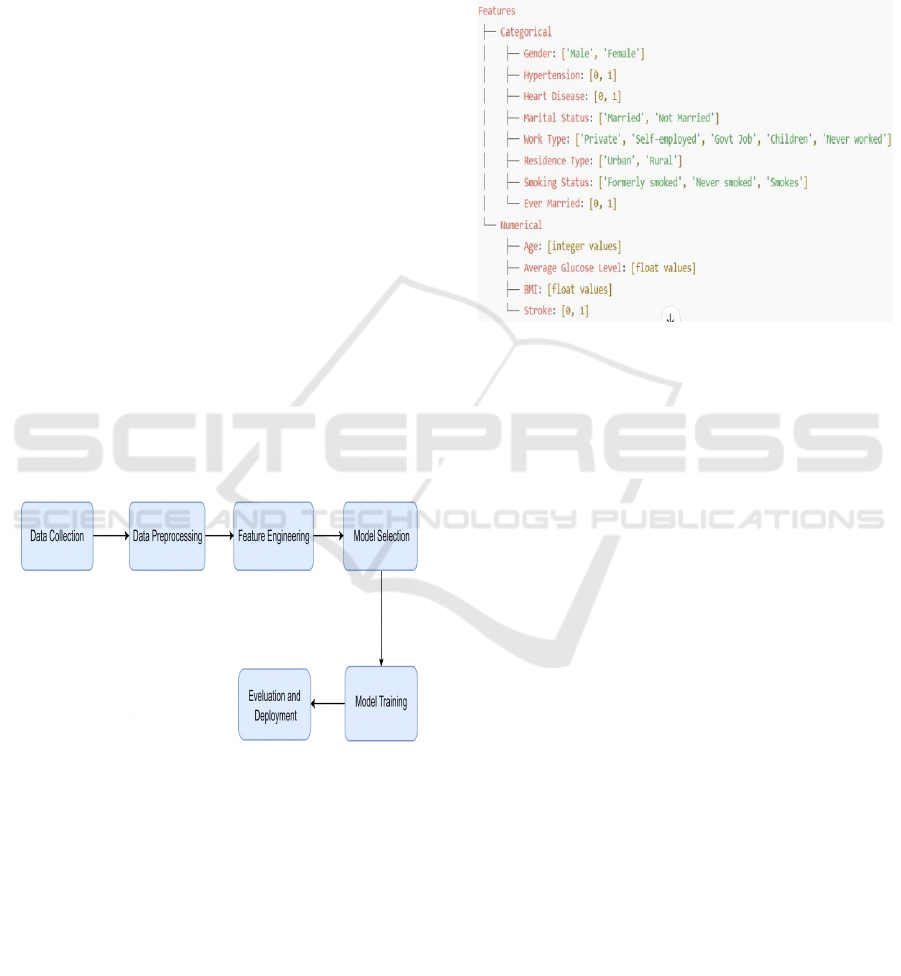
3 METHODOLOGY
This study takes a systematic approach to build a
reliable and interpretable stroke prediction system
using machine learning methods. The very first step
is called” data pre-processing”, which involves
dealing with missing values, removing duplicate
records, eliminating any outliers and encoding
categorical features. SMOTE is used to reduce the
class imbalance. XG Boost, SVM, Random Forest,
KNN, Naive Bayes, and Logistic Regression are
trained and evaluated on an 80-20 train-test split. The
process of ”Hyperparameter tuning” is carried out
utilizing” Grid Search and Random Search” to
maximize model performance. These models are
evaluated under accuracy, precision, recall, F1-score
and AUC-ROC curve. SHAP (Shapley Additive
Explanations) and LIME (Local Interpretable
Model-agnostic Explanations) are integrated to
provide feature importance and individual risk factor
analysis to enhance transparency. The above final
model is deployed into” Flask-based web
application” protected by” HTTPS encryption, DDoS
protection” This method guarantees that the system
is “not just accurate, but interpretable and secure”,
which makes it applicable in real-world clinical
settings. Figure 1 shows the Proposed Solution.
Figure 1: Proposed solution.
3.1 Data Collection
You are not allowed to reproduce the material this
content is based on, unless it is under fair use. The
data set consists of significant features such as
gender, age, hypertension, heart disease, marital
status, work type, residence area type, average
glucose level, body mass index (BMI), smoking
status, and stroke (1 indicates stroke/0 indicates no
stroke). Of them, 249 cases are stroke cases and
4,861 are not (the distribution is highly imbalanced).
To resolve this problem, the SMOTE was employed
in order to enhance model performance. SMOTE
helps us balance the data set and reduce bias if the
model is trained with stroke-positive instances,
which reduces accuracy when predicting the stroke-
positive in the model. Figure 2 show Dataset
Information.
Figure 2: Dataset information.
3.2 Data Preprocessing
The importance of data pre-processing in machine
learning is to make sure the dataset is refined,
consistent, and well prepared for effective model
training. Initially, in exploratory data analysis, we
found missing values in the BMI attribute. 201 values
were null. When left unaddressed, these missing
values can create biased predictions and impact
model performance. To overcome this problem, we
used the mean imputation method that substitutes a
missing BMI value with the mean of the remaining
BMI values. So, with this method, we keep general
data distribution while avoiding extreme values. Once
this operation was done, the dataset was thoroughly
checked again to ensure that all missing values were
handled successfully. By this procedure, it was
possible to prevent data loss due to missing data
points, that in turn is vital to maintaining the integrity
of the database. Dealing with missing values
properly is essential to reduce data discrepancies and
thus enhance model precision. By having a full set of
data, machine learning algorithms can be better
trained to give more actionable and accurate stroke
risk predictions. Figure 3 shows Null values Before and
After Handling with Mean imputation method.
Secure Web-Based Early Stroke Detection: A Machine Learning Approach with Explainable Insights
431
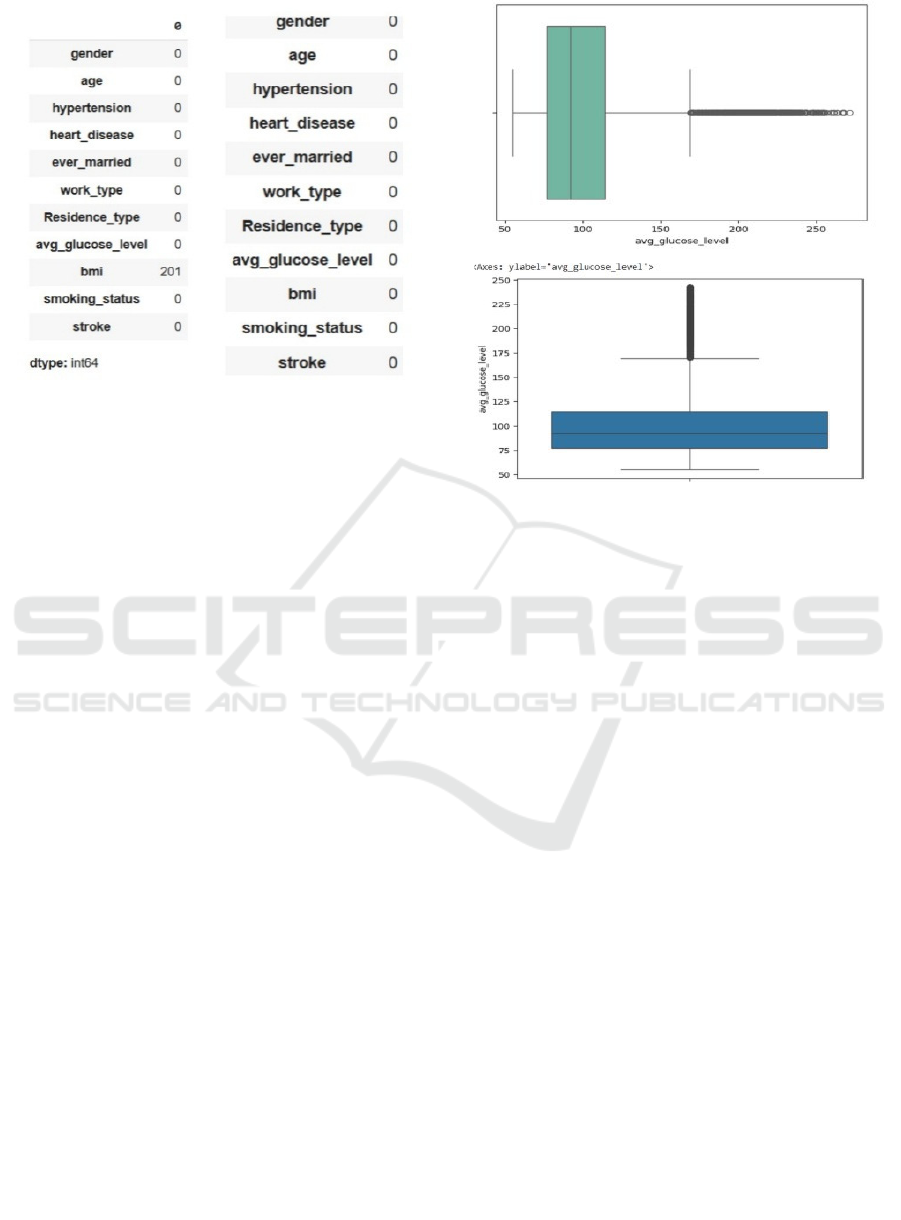
Figure 3: Null values before and after handling with mean
imputation method.
3.3 Handling Outliers
When it comes to handling with data pre-processing,
outlier detection is one of the most crucial steps in
making sure the extreme values won’t affect the
learning process of the machine learning model and it
won’t bias it in a way or so that it makes wrong
prediction. In this dataset, outliers were most
prominent within the Average Glucose Level
attribute, exhibiting extreme values that lay far
outside of the normal distribution. If these anomalies
are not catered to in general, they could affect the
model and hamper its capability to generalize. The Z-
score method, which measures the number of
standard deviations a data point from the mean and
is applied in this study, allowing for the effective
regulation of such issues. Values with a Z-score
greater than +3 or less than -3 were defined as
outliers. An alternative replacement strategy was used
rather than removing these outliers, which could
mean the loss of information. To break it down, data
points above the upper threshold (right whisker) were
replaced with the highest allowable value in the upper
limit, while data points below the lower threshold
(left whisker) were replaced with the lowest
acceptable value within the lower limit. This method
maintains the statistical properties of the dataset and
prevents outliers from having an outsized impact on
the model. This contributes to more stability in the
dataset, resulting in Arduino's regularity and
performance of the stroke predicting model. Figure 4
illustrate: Outlier Detection and Handling Using Z-Score
method.
Figure 4: Outlier detection and handling using z-score
method.
3.4 Data Balancing
There is a class imbalance when building stroke
prediction models due to the fact that cases without
strokes are found in excess of the number of cases
with strokes. In Original Dataset. The original dataset
was skewed, where a whopping 95.1% of records
were non-stroke cases and only 4.9% were stroke
cases. The imbalance tends to produce biased
predictions since the model, in most cases, tends to
generalize toward the dominant class poorly when it
comes to its identification of the minority class.
In order to solve this problem SMOTE was used.
SMOTE is an oversampling technique that creates
synthetic instances of the minority class instead of
duplicating current entries. This process balances the
dataset by interpolating between minority class
instances to create new, plausible data points.
The SMOTE method then was applied to the
dataset where the distribution of the dataset was
balanced in which cases of stroke and non-stroke
were represented equally (50% – 50%) so that it
would be more easily learned by the model and
reduce bias. Figure 5 shows Class Distribution Before
and After SMOTE Balancing.
ICRDICCT‘25 2025 - INTERNATIONAL CONFERENCE ON RESEARCH AND DEVELOPMENT IN INFORMATION,
COMMUNICATION, AND COMPUTING TECHNOLOGIES
432
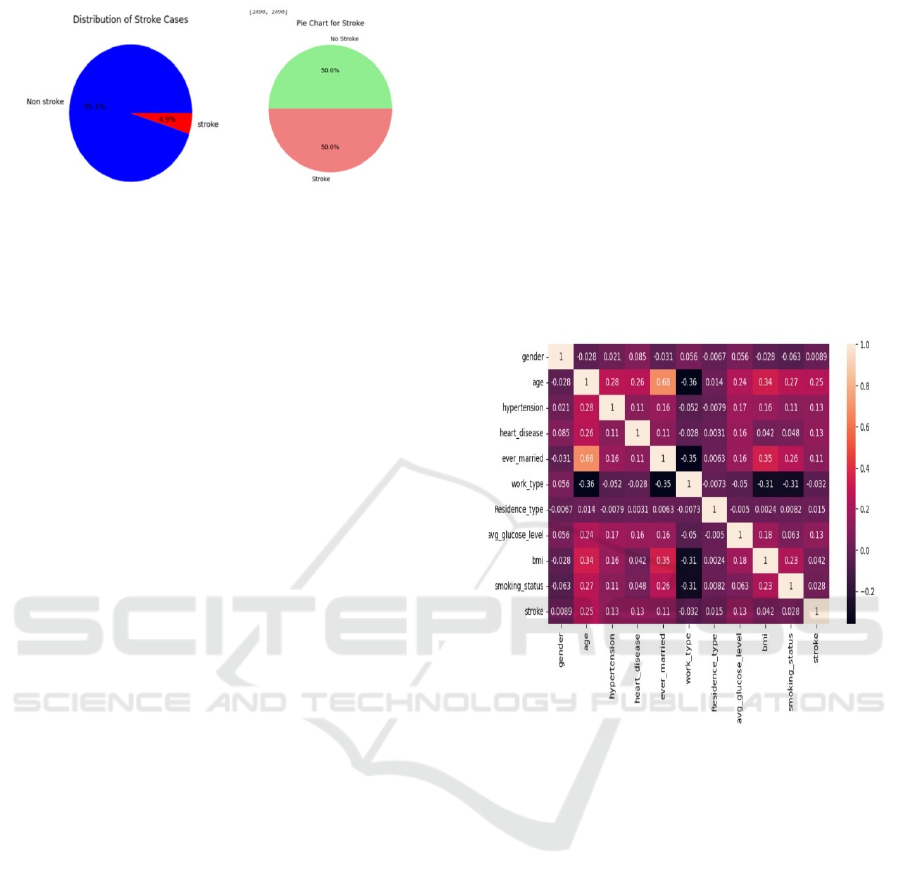
Figure 5: Class distribution before and after smote
balancing.
3.5 Feature Engineering
Feature engineering is a process in machine learning
that involves transforming raw data into a more
usable format that can accurately help improve model
performance. By doing so, this step increases the
model's ability to screen relationships and patterns in
the data set, which subsequently enhances stroke
prediction accuracy.
Encoding Categorical Variables: The dataset
consists of categorical attributes like gender, marital
status, work type, residence type and smoking status,
which require at least numerical representations
requiring processing by machine learning algorithms.
This was done using Label Encoding using the Label
Encoder function from the sklearn pre-processing.
Compared to one-hot encoding, label Encoding is
more computationally efficient because you only
have to compute a single integer for each categorical
value. Transformations made on categorical
attributes are as follows:
• Gender: Encoded female as 0 and male as 1.
• Marital Status (ever married): Number
Encoding as 0 (No) & 1 (Yes)
• work_type: One hot encoded categorical
feature representing the type of employment.
• T04: Type of Residence: 0–R: Rural, 1:
Urban
• Smoking Status: Transformed to categorical
labels for smoking history.
This converts these categorical attributes to numerical
representations and allows the dataset to be ready for
use in machine learning models that can predict
strokes more accurately.
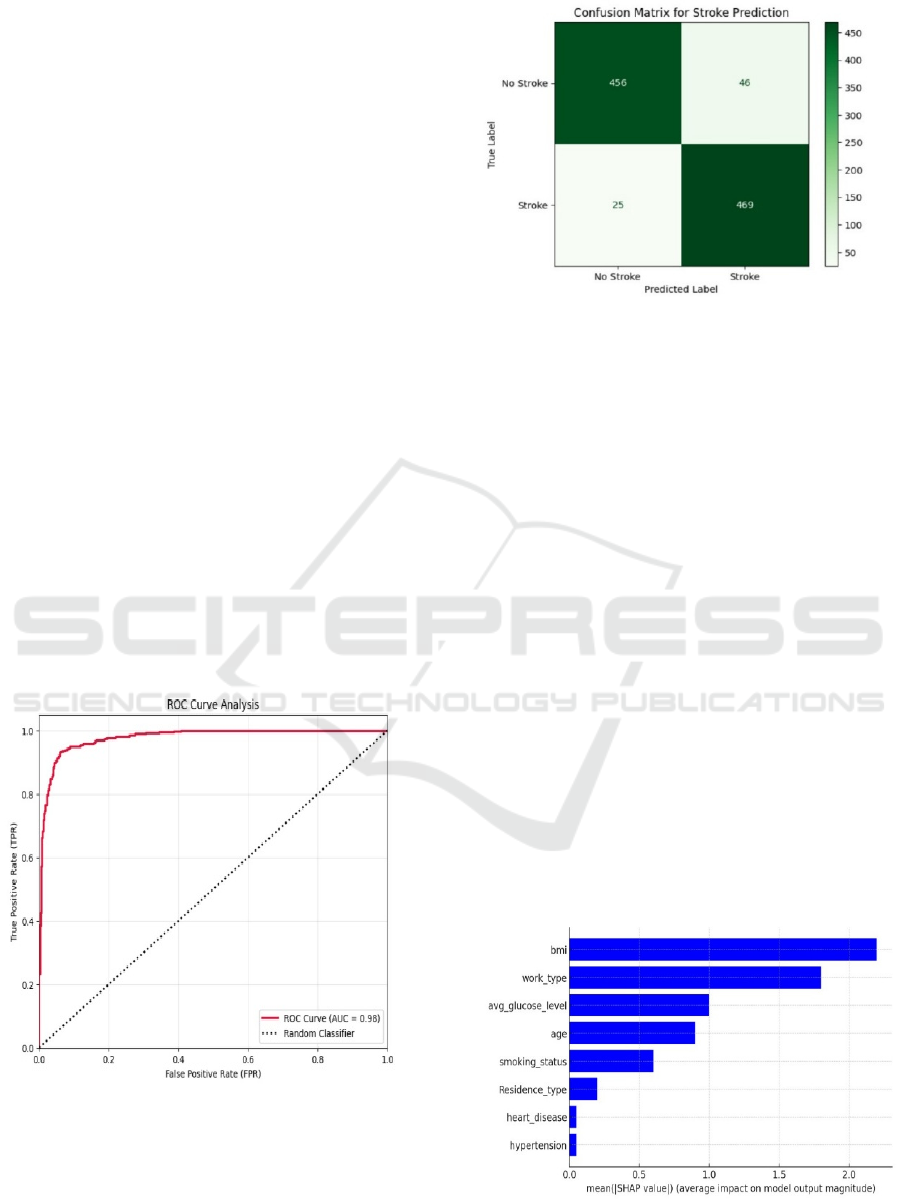
2) Correlation Analysis: A correlation matrix for df1
was computed to assess the relationships between
various features and their potentially predictive
nature for likely stroke prediction. corr(). Correlation
analysis allows us to recognize dependencies between
features and identify potential redundancy between
features hence better feature selection
The previous code uses the seaborn library to
create a heatmap visualization of the correlation
matrix, with the dark colors representing strong
positive or negative correlations. On the one end,
strongly correlated features point toward
dependencies that would help in fine-tuning the
models better, on the other, weakly correlated
features may also flag up to be dumped or does not
add much to the dataset. As the analysis of the
correlation identifies the efficient features relevant
for stroke prediction, it helps in implementing the
results even more efficiently and accurately. Figure 6
shows Correlation Heatmap of Features. Figure 8 shows
Confusion Matrix.
Figure 6: Correlation heatmap of features.
3.6 Model Training and Evaluation
Using an 80-20 train-test split, various machine
learning algorithms were then trained (XG Boost,
Random Forest, k-Nearest Neighbours (KNN),
Na¨ıve Bayes, Support Vector Machine (SVM), and
Logistic Regression) to construct a robust stroke
prediction model. Grid Search CV and Randomized
Search CV were used to get the best configuration of
key parameters, keeping in mind the balance between
overfitting and underfitting of the model. XG Boost
learning rate tuning controlled for overfitting, while
Random Forest tuning of tree depth controlled the
other side of the problem -model complexity. The
KNN algorithm was optimized using the correct
number of neighbours and distance metrics. The
SVM model was tuned based on kernel type and
regularization parameter. Both Logistic Regression
and Naive Bayes were optimized with the goal of
Secure Web-Based Early Stroke Detection: A Machine Learning Approach with Explainable Insights
433
improving their predictive capacity whilst keeping
them computationally cost efficient.
After optimization, the best performance achieved
for XG Boost was 93.2%, followed by Random
Forest at 91.7%, KNN at 88%, SVM at 88%, Logistic
Regression at 80.4% and Naive Bayes at 78%. An
ensemble learning approach was also employed
utilizing a Voting Classifier, which integrated XG
Boost with Random Forest and was based on hard
voting to achieve more stability in predictions. We
chose this method for testing out because it
outperformed all the individual models, by combining
their strength through ensembling to get more
trustworthy classification results.
Lastly, data pre-processing and handling of
missing values were conducted separately on training
and test sets to avoid data leakage, ultimately
ensuring good generalization of models on unseen
data and robustness within real-world applications.
The tuning was then justified by the final results,
revealing that hyperparameter tuning greatly reduced
model performance, with XG Boost and Random
Forest being the best performing models for stroke
prediction, achieving a decent performance in terms
of accuracy, precision, recall and F1-score. These
results echo the necessity of model optimization
techniques for the construction of robust machine
learning systems to serve as decision support tools in
the clinical context. Figure 7 shows Accuracy of
Different Models.
Figure 7: Accuracy of different models.
Figure 8: Confusion matrix.
3.7 Model Explanation Using SHAP
and LIME
SHAP (Shapley Additive Explanations) and LIME
(Local Interpretable Model-agnostic Explanations)
were used in stroke prediction to visualize model
decisions, ensuring transparency and interpretability.
However, SHAP offers a global interpretation to
explain the relevance of features to the predictions
with importance scores, elucidating that certain
factors like age, glucose, and BMI contribute
significantly to predicting the risk of stroke. Figure 9
show SHAP Feature Important.
On the contrary, LIME provides a local
interpretation based on perturbing input samples and
approximating decision boundaries using
interpretable classification models to understand how
a single prediction is made. Techniques such as these,
improve both model transparency and trust by
allowing healthcare professionals to peer into how AI
models arrive at a diagnosis and thereby ease
usability in clinical applications. Figure 10 shows
LIME Explanation for a Sample Prediction.
Figure 9: Shap feature importance.
ICRDICCT‘25 2025 - INTERNATIONAL CONFERENCE ON RESEARCH AND DEVELOPMENT IN INFORMATION,
COMMUNICATION, AND COMPUTING TECHNOLOGIES
434
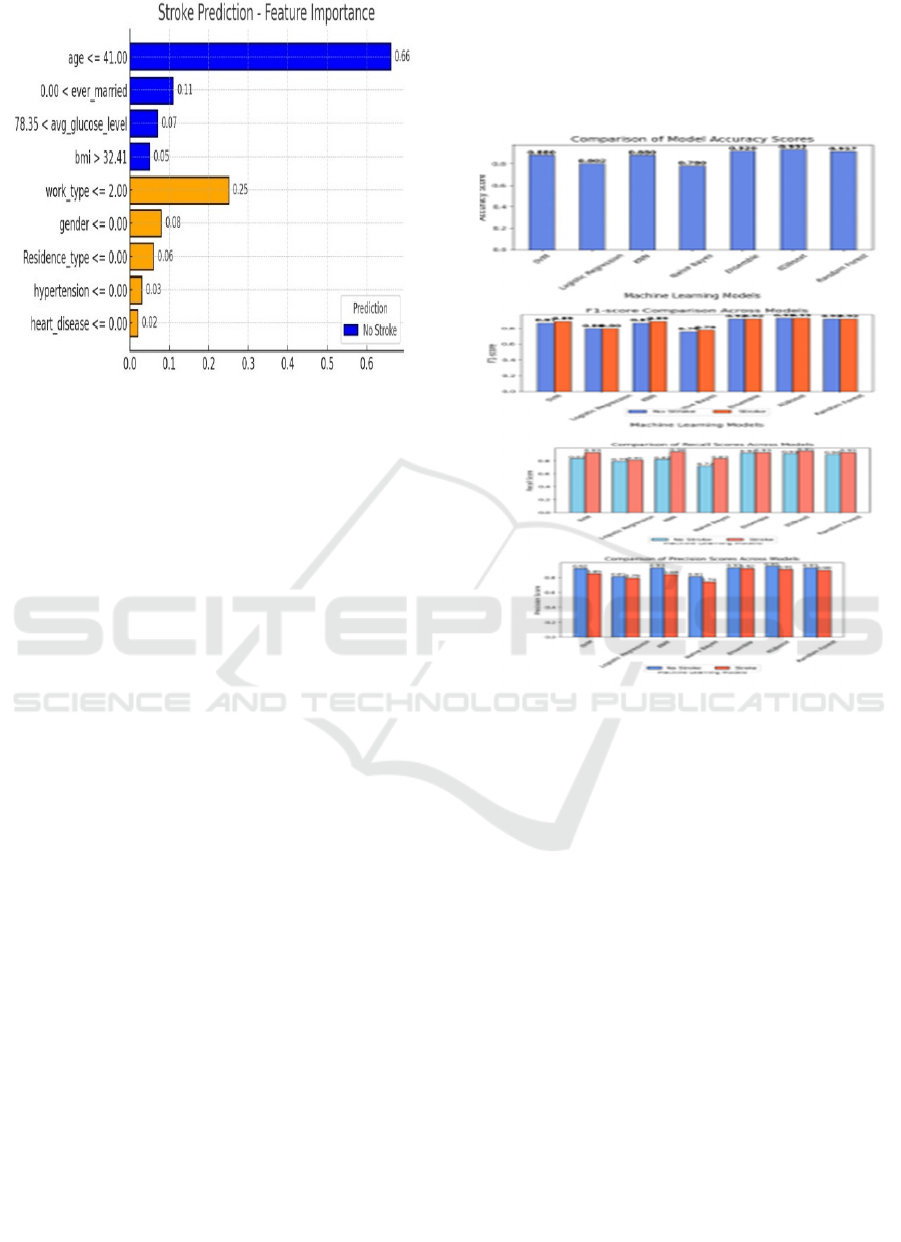
Figure 10: Lime explanation for a sample prediction.
3.8 Results and Discussion
This section describes a detailed performance
analysis of different machine learning models (e.g.,
KNN, hybrid model, SVC, logistic regression) on
stroke prediction based on the patient information
such as age, body mass index (BMI), glucose levels,
hypertension, heart disease, and lifestyle factors. The
models were evaluated thoroughly based on
fundamental performance metrics, such as accuracy,
precision, recall, F1-score, and interpretability, to
ensure their practical application in real-world
scenarios. SHAP values were computed to increase
model transparency by determining feature
importance and identifying drivers in predicting
stroke. The dataset was slightly altered to assess
model stability and generalizability. XGBoost and
ensemble methods showed consistently high
accuracy, across different fluctuations in the data
distribution, highlighting the robustness of these
methods. These models have proven to be more
predictive in nature, which makes them particularly
applicable in a medical diagnosis context, further
implying their optimal potential in assisting medical
practitioners with early identifying and treatment of
stroke.
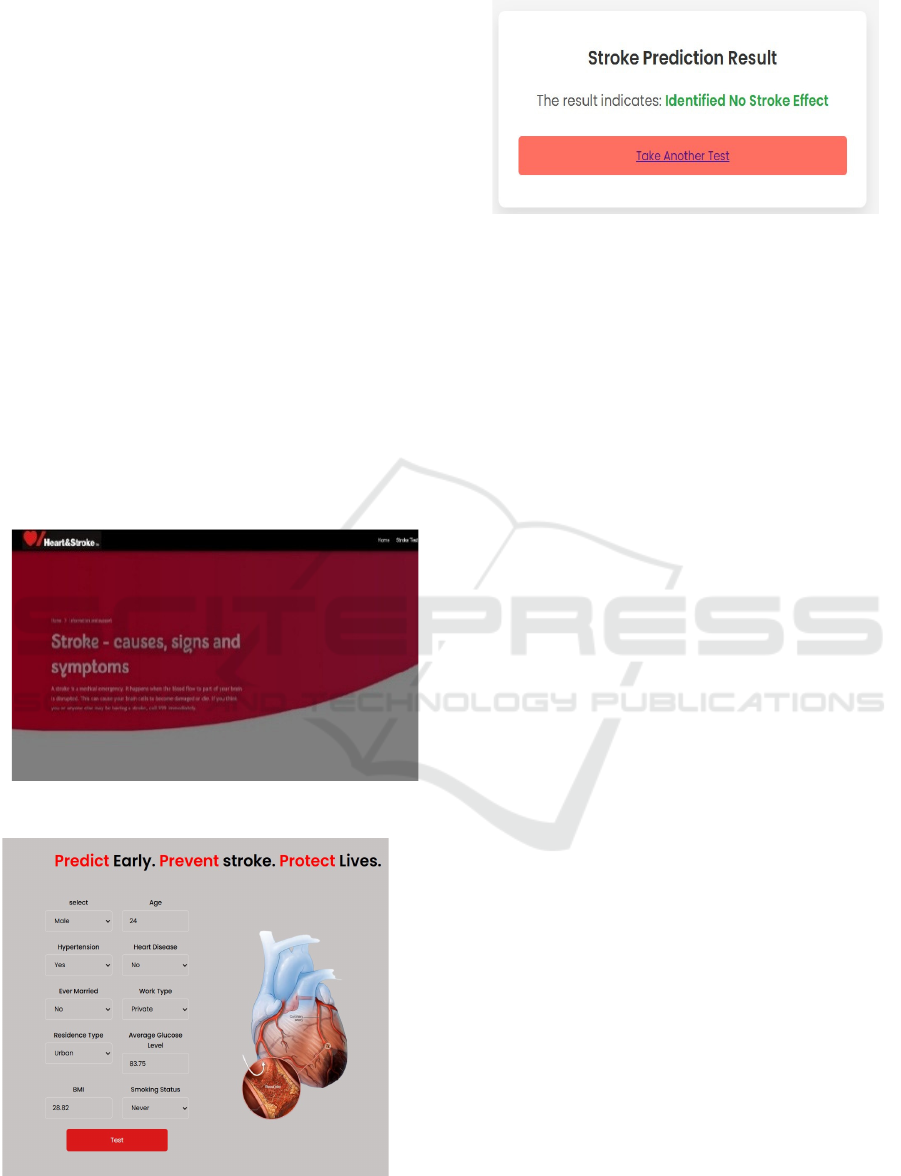
Figure 11 shows the Comparison of various models
based on Accuracy, Precision, Recall, and F1-Score.
It is an end-to-end application which includes a front-
end part and a back-end part for prediction of stroke risk.
Frontend was built with HTML, and CSS providing a
responsive, intuitive, and attractive interface on all devices.
Users enter their health information into dynamic forms
that update in real time using a combination of CSS and
JavaScript, making it easier to use and more interactive.
The machine-learning model (using Python and libraries
such as scikit-learn) is stored in pickle format for
deploying easily. Upon submitting their details, a user shall
see their data transmitted over to the backend where it is
pre-processed and features extracted** before being
predicted by the model. This enables a real-time stroke risk
assessment for users, as the result is immediately rendered
on the frontend.
Figure 11: Comparison of various models based on
accuracy, precision, recall, and F1-score.
This whole process is done to ensure a painless,
efficient and trustworthy experience where the user’s
input is processed as fast as possible to deliver an
accurate risk assessment. It uses top-notch
technologies in Web development such as HTML,
CSS for the Frontend, Python using Flask or Django
for the Backend, Masked Transfer Learning with
scikit-learn with XG Boost algorithm for machine
learning, ensuring accuracy and security of the
project in Real world.
J Secure Web Appointment Application The web
application is secured through two main components:
The conversion to an HTTPS channel through a free
OpenSSL certificate and the addition of a
TaskLimiter module to prevent DDoS attacks. And to
secure the application, we perform HTTP to HTTPS
conversion with the help of a free SSL certificate
generated with OpenSSL, thus providing the
encryption of communication between clients and the
server which ultimately protects sensitive user data
from being intercepted, manipulated, and received
Secure Web-Based Early Stroke Detection: A Machine Learning Approach with Explainable Insights
435
by a man in the middle. This process consists of
generating a self-signed certificate or acquiring a free
one from a trusted supervising body, for example,
Let’s Encrypt, and afterwards arranging the Flask
serve to entirely make sure about HTTPS
associations. Furthermore, to protect against DDoS
(Distributed Denial of Service) attacks, a Task
Limiter module is included to monitor and limit the
number of clients requests per unit time. This module
is targeted to harness the insights of a specific cause
rate-limiting method, e.g., token bucket and leaky
bucket algorithms to dynamically protect attackers
and permitting benign use an uncanny ability. The
Task Limiter helps maintain optimal server
performance, stability, and fair resource allocation by
preventing excessive requests from overwhelming
the system. These security measures, in combination,
help you protect the application, its data, user
privacy, reliability, and availability against cyber
threats as well as provide a secure, efficient, and user-
friendly experience for your end-users. Figure 12
shows Home Page of Web Application.
Figure 12: Home page of web application.
Figure 13: HTML form for stroke test.
Figure 14: Test result display.
4 CONCLUSION AND
POTENTIAL ADVANCEMENTS
The project is the culmination of a machine learning
stroke prediction model and a simple browser-based
application design to efficiently compute and convey
the realised risk. With the use of Flask or Django for
the backend and HTML, CSS, Java script, and
Bootstrap for the frontend, the system offers an
interactive and smooth experience for the users.
Implementing security features like redirecting HTTP
traffic to HTTPS (Free OpenSSL Certificate) and
applying the Task Limiter module to stop DDoS
attacks provides a robust, safe data environment and
enhances the application's protection against online
threats. The stack includes scikit-learn and XG Boost
implementations that allow the model to provide
accurate predictions and support early diagnosis and
prevention measures.
Future improvements to the project could include
advanced machine learning and deep learning
algorithms to improve accuracy and reduce false
positives and false negatives. Strengthening security
features as a defense against the constantly evolving
cyber landscape, from AI-powered offensive
maneuvers to state-of-the-art DDoS capabilities will
guarantee lasting durability. Such measures improve
their security and confidence even more, for example,
implementing blockchain-based data integrity
verification as well as multi-factor authentication.
Adequately increasing the dataset by adding more
diversity and genuine patient care data would further
improve model generalization and usefulness. By
continuously updating the application we so
safeguard its security, make it quite scalable, and to
get the most accurate results when it comes to
predicting stroke risks and other related healthcare
matters. Figure 13 show HTML Form for Stoke Test.
Figure 14 shows Test Result Display.
ICRDICCT‘25 2025 - INTERNATIONAL CONFERENCE ON RESEARCH AND DEVELOPMENT IN INFORMATION,
COMMUNICATION, AND COMPUTING TECHNOLOGIES
436

REFERENCES
A. Gupta, V. Kumar, and P. Singh,” Enhancing stroke
prediction using ensemble machine learning models,”
Expert Systems with Applications, vol. 200, p. 116917,
2022.
B. Smith and A. Kumar,” An AI-driven approach to stroke
risk assessment using feature selection and boosting
techniques,” in Proceedings of the International
Conference on Medical AI and Healthcare Informatics,
2022, pp. 215-226.
D. Johnson,” Web security and HTTPS conversion using
OpenSSL: A practical implementation guide,” IEEE
Internet Computing, vol. 26, no. 5, pp. 49-57, 2022.
D. Johnson,” Web security and HTTPS conversion using
OpenSSL: A practical implementation guide,” IEEE
Internet Computing, vol. 26, no. 5, pp. 49-57, 2022.
H. Yang, J. Huang, and M. Zhang,” Machine learning
approaches for stroke prediction: A review of
methodologies and clinical applications,” Journal of
Biomedical Informatics, vol. 127, p. 104023, 2022.
J. Miller and A. Verma,” Integration of predictive analytics
in healthcare: Case study on stroke detection using
machine learning,” in Proceedings of the International
Conference on Artificial Intelligence and Healthcare,
2021, pp. 180-192.
J. Miller and A. Verma,” Integration of predictive analytics
in healthcare: Case study on stroke detection using
machine learning,” in Proceedings of the International
Conference on Artificial Intelligence and Healthcare,
2021, pp. 180-192.
L. Deng, R. Wang, and C. Zhang,” Deep neural networks
for stroke risk estimation using electronic health
records,” in Proceedings of the International
Conference on Artificial Intelligence in Medicine,
2020, pp. 512-523.
L. Thompson,” Securing Flask applications with HTTPS
and authentication: Best practices,” Journal of Web
Application Security, vol. 10, no. 2, pp. 89-101, 2021.
M. Chen, Y. Zhao, and J. Wu,” Rate limiting and
TaskLimiter modules for mitigating DDoS attacks in
web applications,” in Proceedings of the ACM
Symposium on Security and Privacy, 2021, pp. 1073-
1085.
M. L. Nguyen, T. D. Nguyen, and J. C. Tang,” Stroke risk
prediction using machine learning: A systematic
review,” IEEE Access, vol. 9, pp. 115355-115373,
2021.
P. Patel and J. White,” Securing web applications with
HTTPS: Implementation using OpenSSL and Let’s
Encrypt,” in Proceedings of the IEEE International
R. Zhao and S. Li,” A comparative study of free SSL/TLS
certificates: OpenSSL vs. Let’s Encrypt,” Journal of
Network Security, vol. 15, no. 3, pp. 134-148, 2021.
S. Park,” Advanced DDoS mitigation techniques for web
applications: Implementation and evaluation,” in
Proceedings of the IEEE International Conference on
Network Security, 2020, pp. 142-155.
S. Lee, Y. Kim, and H. Park,” An improved deep learning
model for stroke prediction based on patient medical
records,” in Proceedings of the IEEE International
Conference on Bioinformatics and Biomedicine, 2021,
pp. 1921-1927.
T. Wong, R. Chang, and P. Liu,” A survey on security
vulnerabilities in web-based machine learning
applications,” ACM Computing Surveys, vol. 55, no. 4,
pp. 1-37, 2022.
T. Ahmed and S. Banerjee,” Security considerations in
web-based machine learning applications: Case study
on stroke prediction models,” IEEE Transactions on
Information Forensics and Security, vol. 17, pp. 3524-
3539, 2022.
T. Wong, R. Chang, and P. Liu,” A survey on security
vulnerabilities in web-based machine learning
applications,” ACM Computing Surveys, vol. 55, no. 4,
pp. 1-37, 2022.
Secure Web-Based Early Stroke Detection: A Machine Learning Approach with Explainable Insights
437
