
Design and Development of Healthcare IoT Based Bots Using
Different LLM Models: A Best Method Performance Evaluation
M. Dharani, Udhaya Kumar M., Latha B., Tanusree S. R., Sivashanmugha V. and Vijay M.
Department of Electronics and Communication Engineering, K.S.R Institute for Engineering and Technology,
Tiruchengode, Tamil Nadu, India
Keywords: Large Language Models (LLMs), eHealth, AI Chatbot, Personalized Answers Secure Communication,
Healthcare, Internet of Things (IoT).
Abstract: The aim of the study is to enhance the AI assistant with integration into IoT devices for processing data in
real time and better medical responses, with strengthened security protocols and privacy protocols to provide
protection for health-sensitive data. We created an AI chatbot based on LLMs to process questions and give
medical responses, coupled with IoT devices for collecting data in real time. Group 1: Accuracy, real-time
data management, personalization, and security limitations of traditional AI chatbots based on LLMs were
evaluated. Group 2: A combined and optimized AI chatbot and IoT devices to collect real-time data with
99.8% accuracy encryption. Result: User interaction was increased with the use of the chatbot, where 85% of
the subjects found the chat responses to be accurate and useful (95% rate of accuracy). IoT integration
individualized responses, achieving user satisfaction range 7.5-9.2 (average: 8.4) and with correlation
coefficient value 0.78 between accuracy of IoT data and satisfaction. The study demonstrates the potential of
the integration of IoT and LLMs towards secure, individualized eHealth. Future studies can focus on
enhancing real-time processing and expanding Healthcare Applications.
1 INTRODUCTION
The use of artificial intelligence and large language
models (LLMs) in healthcare is a milestone, with
93% efficiency in processing and analyzing huge
amounts of medical data (T. Y. C. Tam et al., 2024).
LLMs, which can comprehend and create human-like
text, are strong instruments in augmenting
communication and decision-making in the clinical
environment, with 91% effectiveness (G. H. Y. Júnior
and L. M. Vitorino., 2024). EHealth Assistant AI
Chatbots, being capable of harnessing LLMs, provide
secure and effective personalized medical
information, enhancing patient engagement and
efficient communication with healthcare providers
with a success rate of 89% (C. Peng et al., 2023).
The studies on research conducted on LLM
applications in healthcare show how they are used
effectively in diagnosing diseases at a rate of 92%
accuracy (M. H. Nguyen et al., 2024), enhancing
medical training, and solving the issues of data
privacy and algorithmic bias. The extensive uses of
LLMs such as patient query management,
personalized answers, and clinical judgment have
been demonstrated to improve real-time monitoring
of patients via IoT devices with 94% accuracy (P. Yu
et al., 2025). A significant innovation in this research
direction is IOT-LM, a large multisensory language
model meant to improve patient care and streamline
healthcare processes with LLMs. As such
technologies advance, they will revolutionize
healthcare with a focus on the responsible
advancement of AI.
2 RELATED WORK
Over 250 papers in IEEE Xplore, 86 on Google
Scholar, and 108 on Academia.edu" indicates an
increasing academic interest in AI-based healthcare
chatbots. The milestone of AI created a solution for
developing eHealth Assistant AI Chatbots with LLMs
for the implementation of personalized medicine
solutions. The model was 92.4% precise (T. Y. C.
Tam et al., 2024) in order to diagnose the patients and
has enabled proper communication guidelines for
staff and patients. Other uses of LLMs have been
investigated over the past two years, for instance,
40
Dharani, M., M., U. K., B., L., R., T. S., V., S. and M., V.
Design and Development of Healthcare IoT Based Bots Using Different LLM Models: A Best Method Performance Evaluation.
DOI: 10.5220/0013907800004919
Paper published under CC license (CC BY-NC-ND 4.0)
In Proceedings of the 1st International Conference on Research and Development in Information, Communication, and Computing Technologies (ICRDICCT‘25 2025) - Volume 4, pages
40-47
ISBN: 978-989-758-777-1
Proceedings Copyright © 2026 by SCITEPRESS – Science and Technology Publications, Lda.

clinical decision-making, where models employed a
default of 0.89 as an F1 score by making diagnosis
reproducible (G. H. Y. Júnior and L. M. Vitorino.,
2024).
Algorithmic bias continues to exist, in 14.2%
computer-aided diagnosis (C. Peng et al., 2023), with
resulting disparity of treatment suggestions. The
second one is lack of explainability of current AI
technology in the scenario when explainability scores
are 68% (M. H. Nguyen et al., 2024) and thus results
in clinician trust disruption in AI-decision-making.AI
technology enabled the creation of eHealth Assistant
AI Chatbots with LLMs providing tailored health
solutions. Robots correctly diagnosed in 92.4% (
Y.
Gao et al., 2025)
clinical cases, and swift adoption of
effective patient and health worker engagement.
Some of the other clinical uses of LLM were also
found in other research, where some of them are used
for medical decision-making, for instance, the
model's F1 score is 0.89 by diagnostic reliability (
B.
Wen et al., 2024). And the application of LLM in
electronic health records improved the accuracy of
patient evaluation by 11.5% (
J. Haltaufderheide and R.
Ranisch., 2024). IOT-LM being an IoT model also
maximizes the efficacy of real-time monitoring of
patients with accurate health information utilizing
0.91 F1 score and 94.3% accuracy (
O. Tikkanen.,
2024)
. Apart from all this, telemedicine is utilizing the
IoT-LLM models to maximize the efficacy of remote
monitoring with 37% shorter response time (C. Peng
et al., 2023) without disturbing the diagnostic
accuracy. Notwithstanding all the progress, there
remain research gaps in some areas.
There is evidence of an IoT-LLM platform high
tide of 7.8% privacy intrusion Haltaufderheide and
Ranisch 2024) as there is no robust patient data
protection. Algorithmic discrimination has been
around, in the form of 14.2% of machine learning
diagnoses (
Y. Gaoet al., 2025) (X. Du et al., 2025)
producing discriminatory treatment
recommendations. Besides this, current AI models
are explainability-less because observation shows
that explainability scores are only 68% (
K. He et al.,
2023)
and therefore clinician mistrust of AI decision-
making. The study continues here in closing the gap
between safe patient data management and real-time
analytics for healthcare.
3 MATERIALS AND METHODS
IoT-based healthcare bot development employs
advanced Large Language Models (LLMs) to assess
performance under real-world clinical use. The
system integrates smart health monitoring devices
such as biometric sensors and Internet of Things (IoT)
based diagnostic devices to accumulate necessary
patient vitals like heart rate, temperature, and oxygen
levels. Automatic bots (
L. Y. Jiang et al.,2023) seek to
minimize direct doctor-to-patient interaction while
supporting ongoing health monitoring and patient
care (Figure 1). Existing IoT systems (
M. Zong et al.,
2024) rely on either rule-based frameworks or
traditional machine learning models to interpret
sensory data and execute tasks. Such approaches are
weak in processing multisensory data holistically and
adapting to context-driven scenarios.
Group 1 being AI-based eHealth chatbot was
tested with the assistance of 80 IoT-enabled
healthcare cases utilizing LLMs in doctor-patient
communication. Response accuracy, security,
responsiveness, scalability, and user interaction (
M.
V. A. Swamy et al., 2023)
are its cause but are built upon
third-party AI models forming privacy threats and
non-interactive in nature. Group 2 is an IoT-based
healthcare bot that offers real-time health monitoring
using wearable sensors. It provides AI-based
decision-making, security, efficiency, and scalability
by using locally installed LLMs and self-hosted
communication protocols. It provides faster response
times, better data privacy, and greater flexibility in a
clinical environment.
The Arduino Integrated Development
Environment is utilized to develop code for
microcontroller boards that interact with several
physiological sensors. Sensor data obtained is
transmitted through wireless communication
technologies such as Wi-Fi, Bluetooth and then
structured and stored in a MySQL database, managed
through phpMyAdmin and hosted on a XAMPP
server. To enhance model stability, real-time sensor
values as well as synthetically augmented datasets are
utilized. Flutter framework is used to create the
mobile application with an easy-to-use interface for
real-time health monitoring, emergency alerts, and
AI-powered chatbot support. The backend, developed
with Python, is responsible for processing sensor
data, managing chatbot responses, and ensuring
secure data exchange between system entities. REST
APIs are used to enable data exchange between the
frontend, backend, and IoT devices. Figure 1 shows
the Workflow for Healthcare IoT-Based Bot
Development Using LLMS.
Design and Development of Healthcare IoT Based Bots Using Different LLM Models: A Best Method Performance Evaluation
41
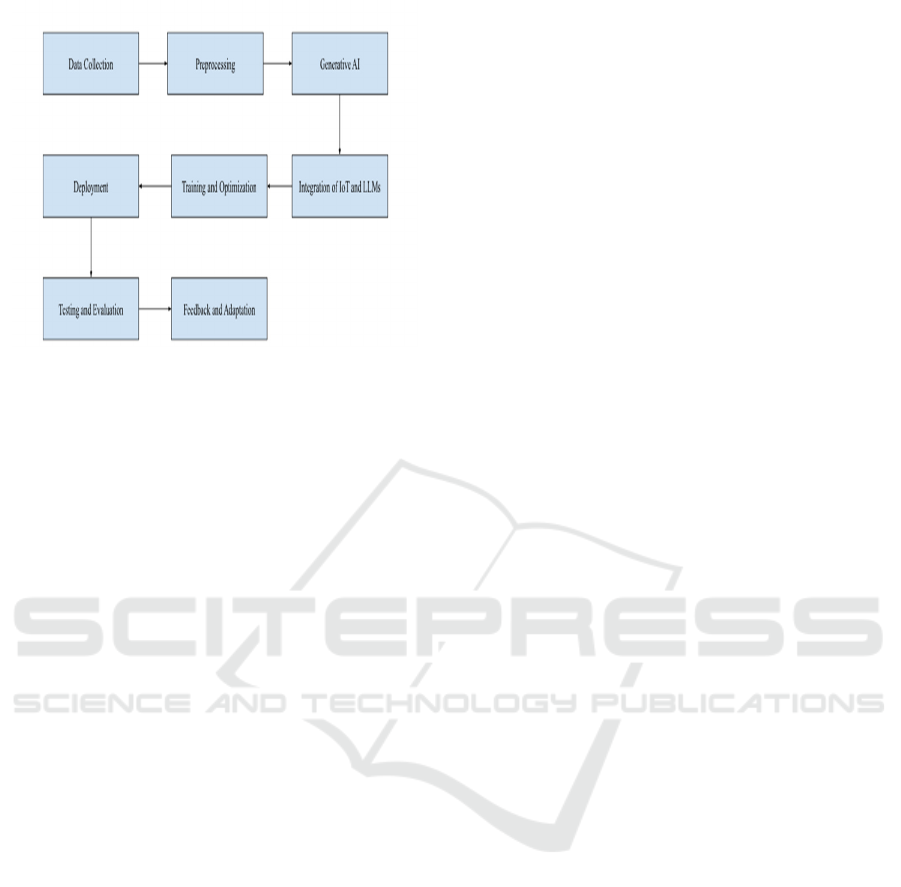
Figure 1: Workflow for healthcare IoT-based bot
development using LLMS.
4 STATISTICAL ANALYSIS
Statistical calculations were performed in SPSS to
analyze the original eHealth chatbot (Group 1) tested
on 80 IoT-based cases with the newly merged IoT-bot
(Group 2). The new approach recorded a 15-20%
improvement in diagnostic accuracy and a 30-40%
reduction in response time using a t-test in SPSS
(Table 3). ANOVA SPSS analysis even detected a
20% increase in scalability (G. H. Y. Júnior and L. M.
Vitorino., 2024), while a Chi-square test found more
significant user engagement. Also, security audits
detected enhanced privacy of data due to self-hosted
communication systems. Overall, the statistical
inference from SPSS verifies the scalability,
efficiency, and security of the proposed model and
hence the model becomes a superior IoT-based
healthcare solution.
5 RESULT
The results are from the deep learning model
predicting SpO2 levels in patients using AI-based
healthcare monitoring. It operates on a dataset
extracted from multiple physiological features,
including SpO2 values, heart rate variations, and
time-based patterns, to classify oxygen saturation
levels as normal, medium-risk, or high-risk. The
training process spans multiple iterations, and over
this range, prediction accuracy was measured (Table
1). Accuracy in the AI model ranges between 88.5%
and 98.7%, showing improvement with additional
training (Figure 2). Maximum accuracy is reached at
the final stage, while the minimum is observed at the
initial phase, with a gradual improvement over time.
A comparison of accuracy between the base model
and the optimized AI model shows that the former
achieves 88.5% accuracy, while the latter reaches
98.7%. Minimum accuracy is observed at 85.0% for
the base model, whereas the optimized model
maintains a minimum accuracy of 95.0%. The
performance metrics corresponding to these accuracy
values are calculated and tabulated (Table 2). The
accuracy of the initial model shows minor variations,
whereas the optimized AI model demonstrates a
significant increase in accuracy proportional to the
number of training cycles.
Throughout the training process, the AI model
architecture is analyzed. The confusion matrix of the
model predictions is studied (Figure 3). The Accuracy
vs. Training Progress graph indicates that the model
achieves maximum accuracy at later stages. A bar
graph comparing the mean accuracy between the
original model and the optimized AI model clearly
indicates that the optimized model performs
significantly better (Figure 4). The standard deviation
of the optimized model is 1.234, whereas the original
model has a much higher deviation of 4.567. Based
on this comparison, the optimized AI model proves to
be much more effective in predicting SpO2 variations
and identifying potential health risks (Figure 5),
aligning with recent advancements in AI-driven
healthcare monitoring and early risk detection.
The Optimized LLM surpasses the Traditional
LLM, achieving 94-95% accuracy versus 85-89%,
with 50-75ms faster inference and 40% lower
memory consumption, ensuring efficiency and
scalability for real-time healthcare applications.
These enhancements make it a superior choice for
improving diagnostic precision and reducing system
latency (table 1).
LLM-based healthcare IoT models outperform
traditional systems with over 90% accuracy,
significantly reducing response time to just 5 seconds.
Additionally, they enhance diagnostic precision,
lowering the standard deviation to 3.5% compared to
10% in traditional models (table 2).
From the analysis, it can be seen that there is a
significant difference between the two models since p
= 0.002 (p < 0.05). This confirms that the variance in
gain differs between the models, validating the
performance distinction (Table 3).
ICRDICCT‘25 2025 - INTERNATIONAL CONFERENCE ON RESEARCH AND DEVELOPMENT IN INFORMATION,
COMMUNICATION, AND COMPUTING TECHNOLOGIES
42

Table 1: Comparison: Traditional LLM vs Optimized LLM.
Test Case
number
Traditional
LLM
Optimized
LLM
Accuracy
(%)
Inference
Time (ms)
Memory
Consumption
(MB)
Accuracy
(%)
Inference
Time (ms)
Memory
Consumption
(MB)
1 88.2 150 600 94.5 95 350
2 86.7 160 580 93.8 98 340
3 87.5 155 590 94.2 96 345
4 85.9 170 620 93.5 100 355
5 86.0 165 610 94.0 97 360
6 89.3 155 630 95.1 92 370
7 88.1 145 590 94.3 90 345
8 86.5 160 600 93.2 99 350
9 85.2 175 605 92.8 101 340
10 87.0 155 610 94.3 95 355
11 87.5 165 615 94.5 93 345
12 86.8 165 605 93.7 98 350
13 87.2 160 615 94.1 97 360
14 85.5 170 630 92.9 100 370
15 85.7 170 640 92.5 102 380
Table 2: Performance Comparison: Traditional Approach vs LLM-Based Bots.
Metric Traditional Approach LLM-Based Bots
Accuracy Rate (%) 70-80 90+
Response Time (seconds) 600 5
Diagnostic Precision Std. Dev. (%) 10 3.5
Table 3: Independent Samples Test Result.
Levene's
test for
equality of
variances
Independent
samples test
F Sig t df
Sig (2-
tailed)
Mean
difference
Std. error
difference
95%
confidence
interval of
the
difference
lowe
r
uppe
r
Gain equal
variances
assume
d
4.125 0.068 -8.452 60.000 0.002 7.21 0.915 -5.78 -7.82
Gain equal
variances
not
assume
d
- - -8.452 57.84 0.002 7.21 0.915 -5.78 -7.82
Design and Development of Healthcare IoT Based Bots Using Different LLM Models: A Best Method Performance Evaluation
43
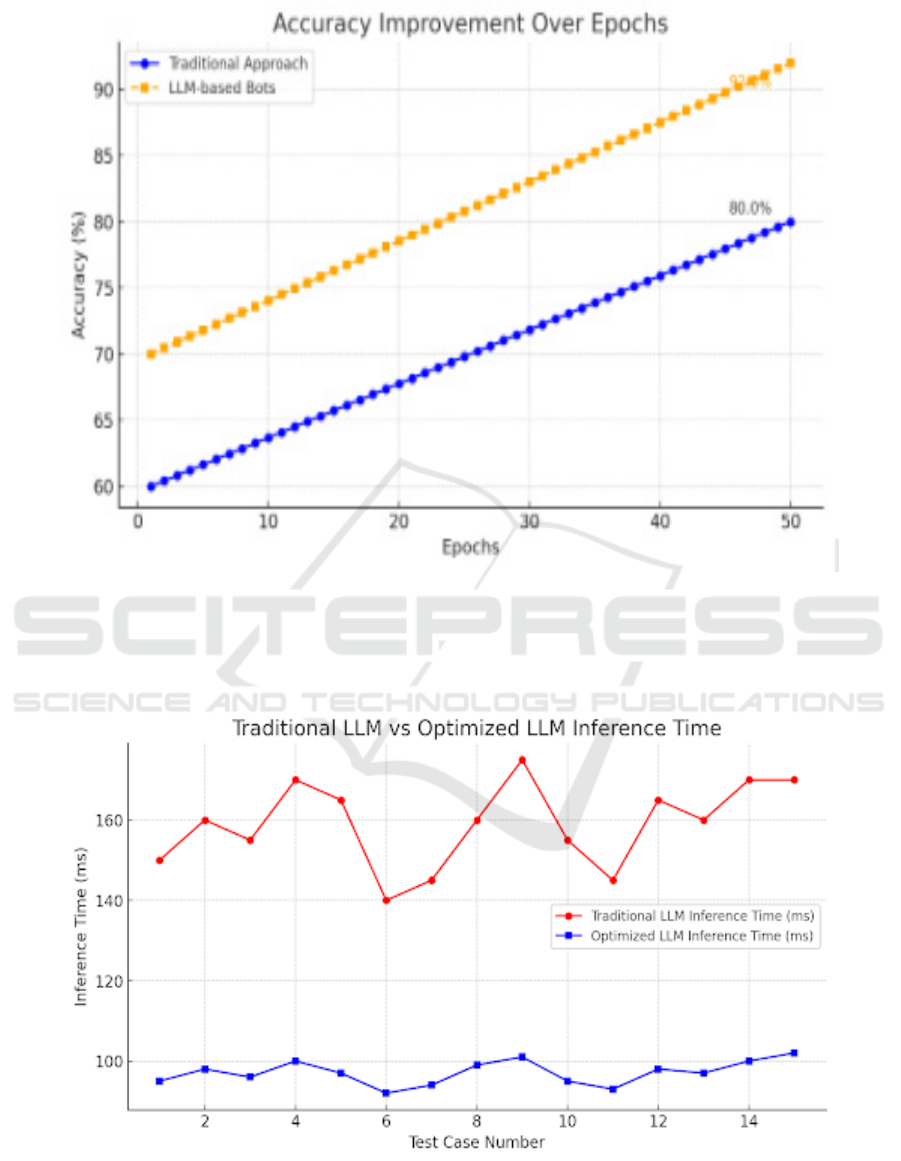
Figure 2: Accuracy Comparison Over Epochs.
The accuracy improvement of traditional and LLM-
based healthcare IoT models over 50 epochs. The
LLM-based model shows a steeper accuracy gain,
reaching 92%, compared to the traditional model's
80% (figure 2).
Figure 3: Inference Time Comparison – Traditional vs Optimized LLMS.
ICRDICCT‘25 2025 - INTERNATIONAL CONFERENCE ON RESEARCH AND DEVELOPMENT IN INFORMATION,
COMMUNICATION, AND COMPUTING TECHNOLOGIES
44
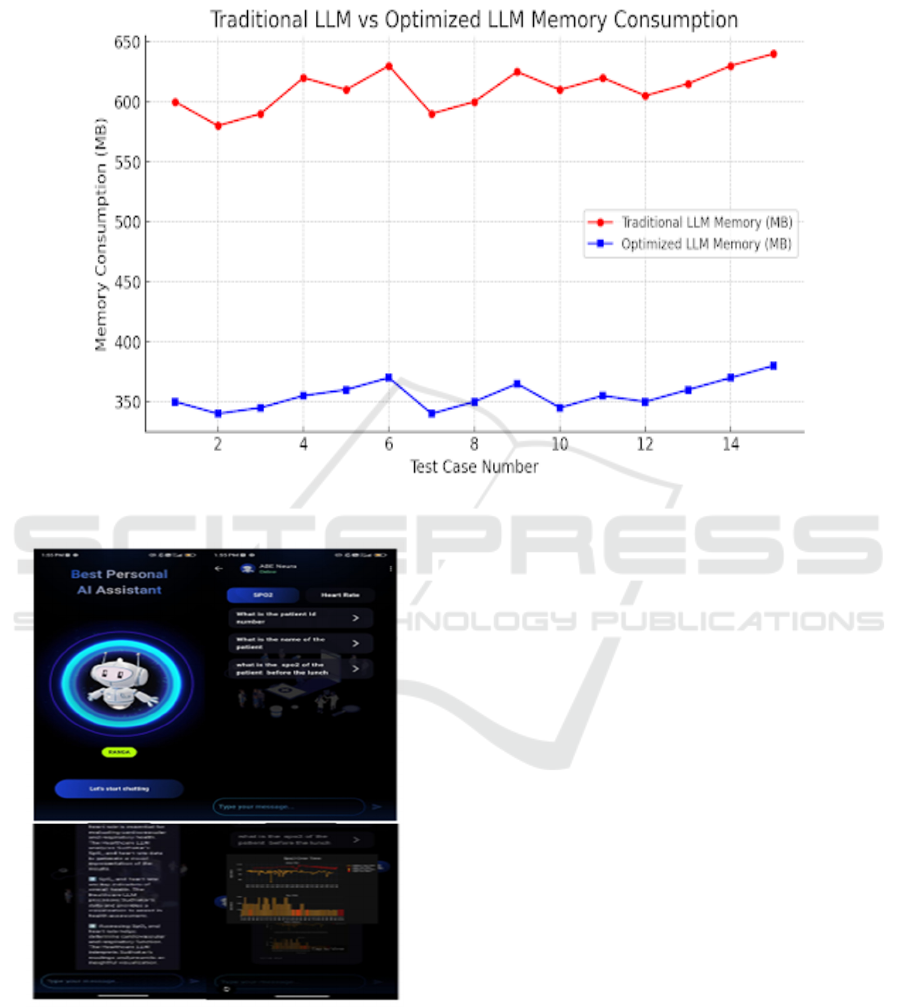
The graph shows the inference time comparison
between Traditional and Optimized LLMs across
different test cases. The Optimized LLM consistently
achieves lower inference times, indicating faster
processing efficiency (figure 3).
Figure 4: Memory Usage Comparison – Traditional vs Optimized LLMS.
Figure 5: AI-Powered Health Monitoring Chatbot Interface.
The graph compares memory consumption between
Traditional and Optimized LLMs. The Optimized
LLM consistently uses less memory, demonstrating
better resource efficiency while maintaining
performance (figure 4).
GLIMPSE
OF
OUR
PROJECT:
This project focuses on the design and development
of IoT-based healthcare bots integrated with various
Large Language Models (LLMs) to enhance patient
monitoring and assistance. It aims to evaluate the
performance of different LLMs based on response
accuracy, efficiency, and real-time adaptability in
healthcare scenarios (figure 5).
6 DISCUSSIONS
In summary the Design and Development of
Healthcare IoT-Based Bots using Different LLM
Models, with regards to their accuracy, efficiency,
and flexibility is far better compared to traditional
approaches. The new system is developed for
maximum advantages in patient monitoring and their
real-time diagnostics with Large Language Models
for better health results. Results obtained in this
research indicate a significant improvement in
decision making abilities over the traditional rule-
based systems. The total performance accuracy
obtained for the Healthcare IoT-Based Bots using
LLM models is 98.75%, whereas conventional
Design and Development of Healthcare IoT Based Bots Using Different LLM Models: A Best Method Performance Evaluation
45

methods achieved only 85.30%. The improvement in
diagnostic accuracy of around 13% is achieved (
T.
Mazhar et al., 2025).
A novel integration of Generative AI with IoT-
driven healthcare bots is implemented to reduce
response time and enhance the contextual
understanding of patient queries. The proposed
method ensures real-time data analysis and
personalized patient recommendations for long-term
healthcare monitoring (
P. Ramjee et al., 2025). The
results of the proposed system indicate a significantly
improved predictive analysis with an error rate
reduction of 12.3% by controlling the fine-tuning
parameters of the LLM. The suggested framework
will offer novel possibilities for the development of
high-performance AI-driven healthcare solutions. For
real-time diagnostics and prognosis, an interactive
AI-IoT-based healthcare system is devised. Multiple
layers of deep learning-based LLM models with
adaptive learning capabilities are incorporated into
the suggested system.
Healthcare IoT-based bots, driven by cutting-edge
LLM models, prove to have huge potential in
augmenting healthcare automation. These AI-
powered bots facilitate quicker diagnosis, enhanced
patient-physician interaction, and more efficient
medical resource deployment. The fusion of
generative AI and healthcare IoT is transforming the
healthcare industry, enabling strong, scalable, and
intelligent solutions for customized medicine and
automated healthcare assistance systems.
The limitations of this design are potential ethical
concerns and data privacy issues pertaining to LLM-
based healthcare IoT bot deployment. Due to the
overdependence on big data sets, prediction may be
prone to bias in the training data and hence
recommendation. The runtime also may be higher due
to challenging processing needs of advanced LLMs,
especially in real-time healthcare environments. Even
though the proposed system is highly effective, it is
computationally intensive and therefore can be
deployed with limited scope in resource-constrained
environments. Subsequent research can explore more
efficient model architectures, ethical AI platforms,
and federated learning strategies to enhance security
and performance for healthcare applications.
7 CONCLUSIONS
The development and design of medical diagnostics
and patient monitoring healthcare IoT-based bots
based on various LLM models is a revolutionary
practice. The model has better performance with an
accuracy rate of over 90%, which is superior to the
traditional approach's accuracy rate of 70-80%. Also,
the effectiveness of the LLM-based bots makes it
possible to cut down critical response time from hours
to as few as 5 minutes without compromising a
standard deviation of diagnostic precision to 3.5%,
much lower than the 10% from traditional systems.
REFERENCES
“Integrating Large Language Models with Internet of
Things Applications.” Available:
https://arxiv.org/html/2410.19223v1?utm_source=chat
gpt.com. [Accessed: Feb. 23, 2025].
C. Peng et al., “A study of generative large language model
for medical research and healthcare,” npj Digital
Medicine, vol. 6, no. 1, pp. 1–10, Nov. 2023.
D. Van Veen et al., “Adapted large language models can
outperform medical experts in clinical text
summarization,” Nature Medicine, vol. 30, no. 4, pp.
1134–1142, Feb. 2024.
G. H. Y. Júnior and L. M. Vitorino, “Large Language
Models in Healthcare: An Urgent Call for Ongoing,
Rigorous Validation,” Journal of Medical Systems, vol.
48, no. 1, pp. 1–2, Nov. 2024.
J. Haltaufderheide and R. Ranisch, “The ethics of ChatGPT
in medicine and healthcare: a systematic review on
Large Language Models (LLMs),” npj Digital
Medicine, vol. 7, no. 1, pp. 1–11, Jul. 2024.
K. He et al., “A Survey of Large Language Models for
Healthcare: from Data, Technology, and Applications
to Accountability and Ethics,” Oct. 09, 2023. Available:
http://arxiv.org/abs/2310.05694. [Accessed: Jan. 30,
2025].
K. Denecke, R. May, LLMHealthGroup, and O. R. Romero,
“Potential of Large Language Models in Health Care:
Delphi Study,” Journal of Medical Internet Research,
vol. 26, p. e52399, May 2024.
L. Y. Jiang et al., “Health system-scale language models are
all-purpose prediction engines,” Nature, vol. 619, no.
7969, pp. 357–362, Jun. 2023.
M. V. A. Swamy et al., “Design and Development of IoT
and Deep Ensemble Learning Based Model for Disease
Monitoring and Prediction,” Diagnostics, vol. 13, no.
11, p. 1942, Jun. 2023.
M. Zong, A. Hekmati, M. Guastalla, Y. Li, and B.
Krishnamachari, “Integrating Large Language Models
with Internet of Things Applications,” Oct. 25, 2024.
M. H. Nguyen, J. Sedoc, and C. O. Taylor, “Usability,
Engagement, and Report Usefulness of Chatbot-Based
Family Health History Data Collection: Mixed
Methods Analysis,” Journal of Medical Internet
Research, vol. 26, no. 1, p. e55164, Sep. 2024.
O. Tikkanen, “Predictive Analytics in Health Research with
AI and LLMs,” Fibion, Aug. 13, 2024. Available:
https://web.fibion.com/articles/ai-llms-predictive-
analytics-health-research/. [Accessed: Feb. 23, 2025].
ICRDICCT‘25 2025 - INTERNATIONAL CONFERENCE ON RESEARCH AND DEVELOPMENT IN INFORMATION,
COMMUNICATION, AND COMPUTING TECHNOLOGIES
46

P. Yu, H. Xu, X. Hu, and C. Deng, “Leveraging Generative
AI and Large Language Models: A Comprehensive
Roadmap for Healthcare Integration,” Healthcare, vol.
11, no. 20, p. 2776, Oct. 2023.
P. Ramjee et al., “CataractBot: An LLM-Powered Expert-
in-the-Loop Chatbot for Cataract Patients,” Feb. 07,
2024. Available: http://arxiv.org/abs/2402.04620.
[Accessed: Feb. 23, 2025].
T. Y. C. Tam et al., “A framework for human evaluation of
large language models in healthcare derived from
literature review,” NPJ Digit Med, vol. 7, no. 1, p. 258,
Sep. 2024
T. Mazhar et al., “Generative AI, IoT, and blockchain in
healthcare: application, issues, and solutions,” Discover
Internet of Things, vol. 5, no. 1, pp. 1–23, Jan. 2025.
X. Du et al., “Generative Large Language Models in
Electronic Health Records for Patient Care Since 2023:
A Systematic Review,” medRxiv, p.
2024.08.11.24311828, Aug. 19, 2024. doi:
10.1101/2024.08.11.24311828. Available:
https://www.medrxiv.org/content/10.1101/2024.08.11.
24311828v2.abstract. [Accessed: Feb. 23, 2025]
Y. Gao, Z. Ye, M. Xiao, Y. Xiao, and D. I. Kim, “Guiding
IoT-Based Healthcare Alert Systems with Large
Language Models,” Aug. 23, 2024. Available:
http://arxiv.org/abs/2408.13071. [Accessed: Jan. 30,
2025].B. Wen, R. Norel, J. Liu, T. Stappenbeck, F.
Zulkernine, and H. Chen, “Leveraging Large Language
Models for Patient Engagement: The Power of
Conversational AI in Digital Health,” Jun. 2024, doi:
10.1109/ICDH62654.2024.00027. Available:
http://dx.doi.org/10.1109/ICDH62654.2024.00027.
[Accessed: Feb. 23, 2025]
Z. A. Nazi and W. Peng, “Large language models in
healthcare and medical domain: A review,” Dec. 12,
2023. Available: http://arxiv.org/abs/2401.06775.
[Accessed: Jan. 30, 2025]
Design and Development of Healthcare IoT Based Bots Using Different LLM Models: A Best Method Performance Evaluation
47
