
Artificial Intelligence of Leadership Resource Management and
Talent System
N. Vinodh and A. K. Subramani
Saveetha School of Management, Saveetha Institute of Medical and Technical Sciences, Saveetha University, Chennai,
Tamil Nadu, India
Keywords: Artificial Intelligence, Cloud Platform, Human Resource Development, Talent System.
Abstract: The first thing the paper does is use the Java EE or Python programming language to develop and implement
a human resources management system with a solid human-computer interface. The goal of human resource
management is to remove obstacles that stand in the way of business expansion. By doing this, the company's
human resource development may operate in an environment that is conducive to growth. The coupling issue
between multiple levels can be effectively resolved by it. The system's benefits include an easy-to-use
interface, secure functioning, and effective human-computer interaction. It fulfils numerous purposes. This
paper then suggests a method for estimating the cost of human resources. The research employs the chaos
principle to gather the enterprise's data for human resource cost estimation, restructure it, and bring back its
evolving features. The "extreme learning machine" was employed to assess the performance of the
organization and the expenses related to its human resources. The study's findings demonstrate that this
approach can enhance the effectiveness of enterprise performance evaluation and more accurately reflect the
cost-changing characteristics of enterprise personnel.
1 INTRODUCTION
Human resource management has grown in
importance and necessity as a crucial component of
enterprise management as a result of the economy's
rapid development and the rising level of management
(
Uriarte,S.,et al., 2025). However, a lot of conventional
HRM techniques still rely heavily on experience and
subjective assessment rather than statistical or data
analytic support, which can easily result in poor
decisions and resource waste. The goal of this article
is to provide a decision support system for human
resource management that can lessen related
issues.Advanced technologies, organizational
strategy, and sustainable human resource [HR]
practices are coming together to change the field of
human resource management (
Köchling, A., 2024). By
highlighting the importance of managing crucial data,
ethical issues, and responsible AI governance all of
which would develop a means to enhance and attain
HR excellence the study provides the foundation for
successful HR analytics. It also examines how cutting-
edge analytical techniques and artificial intelligence
(AI) technology might raise the efficacy and
sustainability of HR management procedures.
Investigating these technologies' revolutionary
potential is its goal. By streamlining decision-making
procedures, boosting employee productivity, and
creating long-lasting HR practices, the research seeks
to advance HR excellence. In order to foster
excellence in the field of HR management as a whole
and aid in the development of sustainable HR
practices, this article aims to offer important insights
and theoretical underpinnings. It offers a theoretical,
integrated paradigm to aid in the comprehension of the
aforementioned viewpoint.
1.1 Integration of Human-AI Teams
with Human Systems
These days, given that artificial intelligence (AI) is
included into the majority of vital systems, human
systems integration (HSI) needs to be expanded.
Block Diagram Shown in Figure 1.
Vinodh, N. and Subramani, A. K.
Artificial Intelligence of Leadership Resource Management and Talent System.
DOI: 10.5220/0013900800004919
Paper published under CC license (CC BY-NC-ND 4.0)
In Proceedings of the 1st International Conference on Research and Development in Information, Communication, and Computing Technologies (ICRDICCT‘25 2025) - Volume 3, pages
511-515
ISBN: 978-989-758-777-1
Proceedings Copyright © 2025 by SCITEPRESS – Science and Technology Publications, Lda.
511
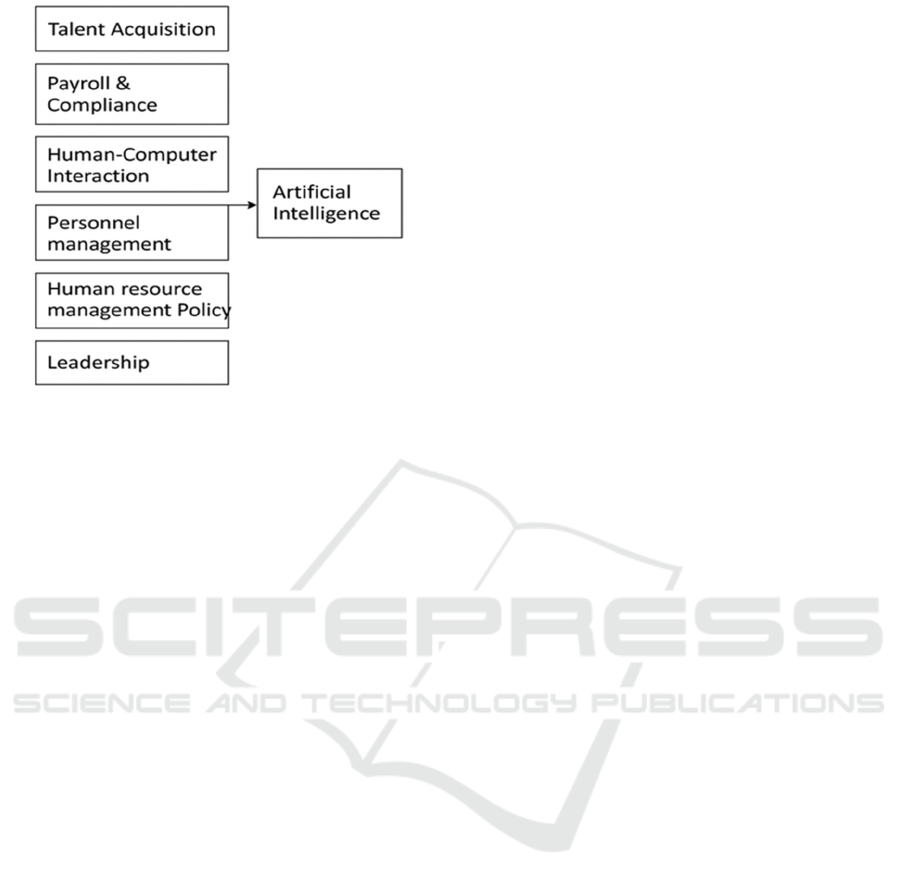
Figure 1: Block diagram.
As a result, the new viewpoint of human-AI
teaming (HAT) must guide the development of
systems engineering and AI. In order to tackle this
task, this essay takes into account human aspects like
situation awareness, risk-taking, and decision-making
(
Halid, H.,2024)
. It brings up questions about the
division of labor, the flexibility of design and
operations, and the incremental design of
organizations, technology, and human capital. More
precisely, it raises the significant problem of AI
systems' need for qualification and the impossibility of
certification, turning them from partners into tools.
Consequently, research on human resource
management and predictive models is evaluated, and
a Neural Network Algorithm-based study on these
topics is presented. In order to reduce interference
factors in the management and prediction models, the
influencing aspects are first found using the gradient
descent theory, and the indicators are then divided
accordingly. Then, a neural network algorithm
management and prediction model scheme is
developed using the gradient descent theory, and the
results of the management and prediction models are
carefully scrutinized (
Jonczyk, N.,. et al., 2025)
. The
MATLAB simulation results show that the neural
network algorithm performs better than the typical
neural network algorithms in specific assessment
conditions with respect to time of influencing
variables, accuracy of prediction models, and
management (
Ribeiro, M.F,. et al., 2024)
. The rules of
the enterprise's employment demand provide a more
informative basis for the enterprise to present the
correct strategy, which has greater practical value. The
human resource demand prediction model is
established based on the RBF neural network, and a
significant amount of disordered data are trained,
learned, and tested.
1.2 Computer-Based Network
Management System for University
Human Resources
The business process of the university's personnel
information management system is examined in this
essay. The university personnel management system
was then created using the university cloud platform,
big data, business services, and diversified business
services (
Kanade A,., 2024)
. This system creates a new
kind of university human resource management
system based on Microsoft Biztalk server. A service
mode based on Microsoft Biztalk Server is suggested
as a solution to the issues with the way university
people are currently working. A genetic algorithm-
based optimization technique is suggested as a
solution to this issue. A novel intelligent sorting
algorithm is suggested based on this foundation.
A novel intelligent sorting algorithm is suggested
based on this foundation. This approach reduces the
operating time by 7.261 seconds when compared to
the current algorithm. The algorithm is put into
practice on the Biztalk server, and its applicability is
confirmed (
Schlichte., 2024)
. Through experimental
testing, the suggested optimization technique can
reduce the inference time when compared to the
current algorithms. The Biztalk server is optimized in
this study using an optimization technique based on
genetic algorithms. The algorithm runs faster,
according to experimental results. This has some
reference value to the BizTalk server design. In a
situation with large data, this technique can
significantly lessen the manual allocation burden
(
Wang, et al., 2025)
. The thesis holds some reference
value in advancing the process of informatizing school
personnel work. Task distribution, system maturity,
and human expectations for flexible Human Liberty
Collaboration (
Muss, C.,, 2025)
. The propose to
investigate, in turn, the consideration of Human
cognition, System maturity, and Task allocation in
order to achieve adaptable Human Autonomy
Teaming. We suggest current, real study projects done
by our research team for each of these three courses.
2 TALENT ACQUISITION
The improving HRM through ai-driven talent
acquisition approach employing deep ResNet
Artificial intelligence (AI) is gaining popularity as a
ICRDICCT‘25 2025 - INTERNATIONAL CONFERENCE ON RESEARCH AND DEVELOPMENT IN INFORMATION,
COMMUNICATION, AND COMPUTING TECHNOLOGIES
512
technology in human resource management (HRM) to
help businesses expedite and enhance their talent
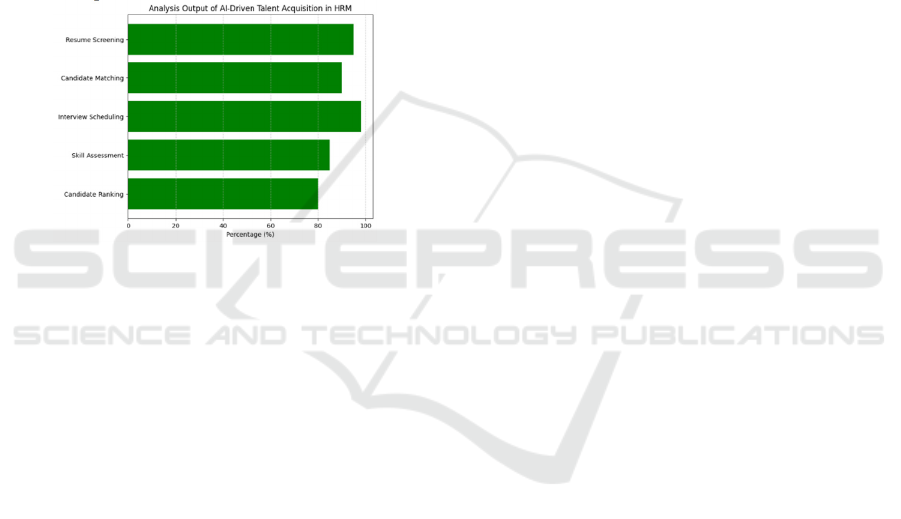
acquisition procedures. Analysis Output of AI-Driven
Talent Acquisition in HRM S Shown in Figure 2.
It is challenging to swiftly and efficiently find and
hire excellent people when using the traditional HRM
approach. The suggest that the existing systems be
integrated with Deep ResNet, a state-of-the-art deep
learning architecture with remarkable feature
extraction capabilities, as a solution to this issue. The
application of artificial intelligence to human resource
management is gaining popularity, however research
into how Deep ResNet might be utilized to the talent
acquisition process is trailing behind. This study uses
Deep Residual Networks (ResNet) to offer a fresh way
to talent acquisition in HRM.
Figure 2: Analysis output of AI-driven talent acquisition in
HRM.
The study uses a rigorous methodology that
combines real-world case studies, machine learning
approaches, and data analysis. This methodology's
goal is to determine the viability of the suggested AI-
powered talent acquisition plan. To improve its search
and grading capabilities, Deep ResNet will be trained
on many datasets. This directly leads to a considerable
improvement in the accuracy and efficiency of the
process of acquiring new talent.The aim of this
research is to present empirical data that validates
Deep ResNet's effectiveness in enhancing HRM
procedures.
3 HRM EFFECTIVENESS IN THE
CONTEMPORARY
WORKPLACE
This study, "Strategic Leadership: A Driver for
Enhancing Human Resource Performance in the
Contemporary Workplace," explores the complex
relationship that exists between HR performance and
strategic leadership. Through a thorough assessment
of pertinent academic literature and the use of
comparative analysis, this research illuminates the
significant influence of strategic leadership on worker
engagement, HR innovation, and the overall health of
companies. The study's main findings show that
strategic leadership generally has a positive impact on
HR performance. It is imperative to acknowledge that
the effectiveness of strategic leadership in this context
varies between organizational environments and
cultures. The study also highlights the challenges
faced by strategic leaders, specifically when it comes
to balancing organizational objectives with the diverse
needs of workers in a global business environment. A
comparative analysis of leadership styles highlights
the importance of adaptation and context-specific
techniques. By providing fresh insights on the
expanding role that strategic leadership plays in
enhancing the performance of human resources in
modern work settings, the study contributes to the
ongoing scholarly discussion on the topic. The article
offers helpful advice on how to improve leadership
abilities and highlights the necessity of constant
adaptation and academic research in this field that is
always changing. Academics and experts in the
domains of organizational leadership and human
resource management will find great value in this
research.
4 ARTIFICIAL INTELLIGENCE
BASED HUMAN-COMPUTER
INTERACTION
It is challenging to accomplish effective task
allocation and resource scheduling with traditional
scheduling algorithms when dealing with complicated
workloads and dynamically changing resource
settings. This study describes the research methods
used in the development of an artificial intelligence-
based data scheduling algorithm for human-computer
interaction. By analyzing historical and real-time data,
the algorithm learns and optimizes resource allocation
tactics, increasing resource utilization and scheduling
accuracy. This is accomplished through the use of
intelligent optimization technology and machine
learning. The algorithm can dynamically adapt to task
characteristics and resource status to determine the
best scheduling approach. It also possesses the
features of adaptive adjustment and decision-making
optimization. Figure 3 Shows the Artificial
Intelligence HRM Management System.
Artificial Intelligence of Leadership Resource Management and Talent System
513
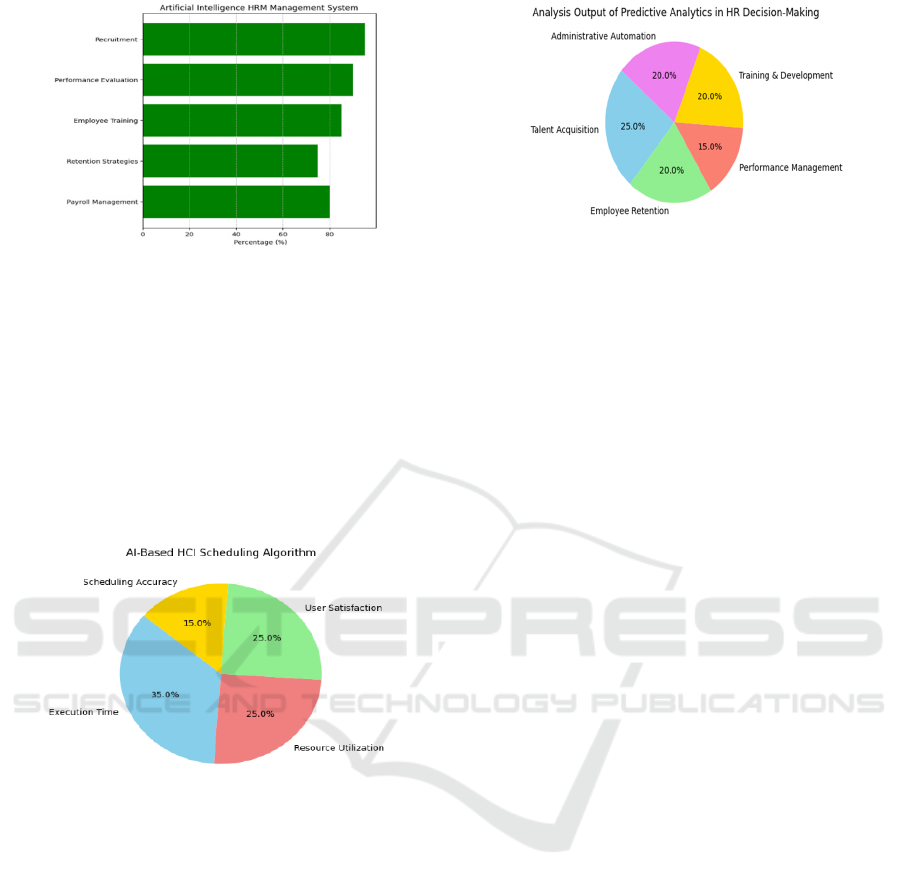
Figure 3: Artificial intelligence HRM management system.
5 RESULT AND DISCUSSION
This paper obtains research results by comparing and
experimentally evaluating the traditional scheduling
algorithm and the artificial intelligence-based human-
computer interaction data scheduling algorithm. AI-
Based HCI Scheduling Algorithm Shown in Figure 4.
Figure 4: AI-based HCI scheduling algorithm.
The algorithm's mean square error is maintained
within the range of. The algorithm presented in this
research has clear advantages in terms of resource
usage. It can forecast job resource requirements
precisely and prevent idleness and waste of resources.
Figure 5 Shows the Analysis Output of Predictive
Analytics in HR Decision-Making.
This approach can better match jobs and resources,
increase task execution efficiency, and enhance
reaction time in terms of scheduling accuracy. By
defining task requirements and resource allocation
models, the algorithm in this research enhances
system stability and performance while reducing
prediction mistakes in terms of mean square error.
Figure 5: Analysis output of predictive analytics in HR
decision-making.
6 CONCLUSIONS
This is accomplished by utilizing data-driven
methodologies and predictive analytics, which enable
well-informed decision-making processes. The report
highlights how these technological tools can improve
operational efficacy and help HR professionals move
from handling administrative tasks to taking on
strategic roles in talent management, workforce
planning, and organizational expansion. This study
examines how technological innovations affect both
employers and employees, with a particular emphasis
on the benefits and drawbacks of integrating
technology into human resource management. This
research attempts to build a link between theoretical
ideas and their practical application through an
extensive review of current scholarly literature and
empirical investigations. Researchers, organizational
leaders, and human resource professionals can all
benefit greatly from this resource. It supports them in
successfully navigating and handling the complex
difficulties of contemporary HRM in a high-tech
setting.
REFERENCES
Aversa, P., Bettinelli, C., Levanti, G. et al. Leveraging
intersections in management. J Manag Gov 28, 687–
705 (2024). https://doi.org/10.1007/s10997-024-
09710-2
Bevilacqua,. et al. “Enhancing top managers' leadership
with artificial intelligence: insights from a systematic
literature review. Rev Manag Sci (2025).
https://doi.org/10.1007/s11846-025-00836-7
Block, J., Kuckertz, “A. What is the future of human-
generated systematic literature reviews in an age of
artificial intelligence?. Manag Rev Q 74, 1975–1980
(2024). https://doi.org/10.1007/s11301-024-00471-8
ICRDICCT‘25 2025 - INTERNATIONAL CONFERENCE ON RESEARCH AND DEVELOPMENT IN INFORMATION,
COMMUNICATION, AND COMPUTING TECHNOLOGIES
514

Halid, H., “Artificial Intelligence (AI) in Human Resource
Management (HRM). In: Machado, C. (eds) Building
the Future with Human Resource Management.
Management and Industrial Engineering. Springer,
Cham. , (2024). https://doi.org/10.1007/978-3-031-
52811-8_2
Jonczyk, N.,. et al. The relationship between robotisation
and work characteristics: a systematic literature
review. Manag Rev Q (2025). https://doi.org/10.100
7/s11301-025-00488-7
Kanade A, “Analysis of wireless network security in
internet of things and its applications” Indian Journal of
Engineering, 2024, 21, e1ije1675 doi:
https://doi.org/10.54905/disssi.v21i55.e1ije167
Kanade A, “Analysis of wireless network security in
internet of things and its applications” Indian Journal of
Engineering, 2024, 21, e1ije1675 doi:
https://doi.org/10.54905/disssi.v21i55.e1ije1675
Köchling, A., “This (AI)n’t fair? Employee reactions to
artificial intelligence (AI) in career development
systems. Rev Manag
Sci (2024).https://doi.org/10.1007/s11846-024-00789-
3
Muss, C.,. “Empathy in leadership: a systematic literature
review on the effects of empathetic leaders in
organizations. Manag Rev Q (2025).
https://doi.org/10.1007/s11301-024-00472-7
Revellino, S., Mouritsen, J. Intellectual capital, innovation
and the bushy form of knowledge capitalisation. J
ManagGov 28,957 984 (2024).https://doi.org/10.1007
/s10997-023-09691
Ribeiro, M.F.,. et al. Exploring research trends and patterns
in leadership research: a machine learning, co-word,
and network analysis. Manag Rev Q (2024).
https://doi.org/10.1007/s11301-024-00479-0
Ribeiro, M.F., et al. “Exploring research trends and patterns
in leadership research: a machine learning, co-word,
and network analysis. Manag Rev Q (2024).
https://doi.org/10.1007/s11301-024-00479-0
Schlichte,“The concept of entrepreneurial opportunities: a
review and directions for future research. Manag Rev
Q (2024). https://doi.org/10.1007/s11301-024-00466-5
Uriarte,S.,et al. “Artificial intelligence technologies and
entrepreneurship: a hybrid literature review. Rev
Manag Sci (2025.https://doi.org/10.1007/s11846-025-
00839-4
Wang, et al. “A soft prompt learning method for medical
text classification with simulated human cognitive
capabilities. Artif Intell Rev 58, 118 (2025).
https://doi.org/10.1007/s10462-025-11121-0
Artificial Intelligence of Leadership Resource Management and Talent System
515
