
An Accurate Assessment of Cardiovascular Disorders Utilizing a
Hybrid Random Forest Approach
K. Riddhi, T. Venkata Sai Kushvanth Reddy, P. Rahul, P. Kenny Adams and G. Mary Swarnalatha
Department of Computer Science and Engineering, Institute of Aeronautical Engineering, 500043, Telangana, India
Keywords: Random Forest, Machine Learning, Heart Disease, Diagnosis, Cardiac Risk.
Abstract: According to recent studies, one of the leading causes of death worldwide is heart disease. Therefore, its
accurate representation and early prediction is vital from a health care point of view. Studies have shown that
machine learning techniques have performed well in heart disease predictions using patient data. As part of
this effort, a machine learning-based predictive model for heart disease is developed, with a particular
emphasis on the Random Forest method. The model is based on a dataset containing various health parameters
of the patients such as age, cholesterol, blood pressure and other relevant medical components. Utilizing
Random Forest ensemble learning, the model achieves optimum accuracy, high robustness and ease of
interpretability. Accuracy, precision, F1 score, and recall were among the measures used to estimate the
model's final reading. Results confirmed that effectiveness of the Random Forest classifier in predicting heart
disease and proved to be beneficial for health practitioners with regards to early diagnosis and risk assessment.
1 INTRODUCTION
Globally, cardiovascular diseases (CVD) rank among
the top causes of death, so it is important to develop
robust predictive models that can determine those
patients before serious complications arise
Thoutireddy Shilpa and Anal Paul. Several studies
have demonstrated that RF consistently outperforms
traditional statistical methods in predicting
cardiovascular-related outcomes Anamta Siddiqui
and Syed Wajahat Abbas Rizvi, but choosing the
most relevant features and optimizing machine
learning models continue to be major obstacles to
improving the predictive performance of heart
disease prediction. In order to obtain the most
efficient method, some of the different ML
algorithms have been implemented in the prognosis
of cardiac disease, like Support Vector Machines
(SVM), Logistic Regression, and Decision Trees,
XGBoost, and Adaptive Boost (AdaBoost). Each one
has its drawbacks and benefits; studies indicate that,
under certain circumstances, RF may beat Logistic
regression in the accuracy of classification
Muhammad Yoga, et al. We explore the effectiveness
of machine learning algorithms, namely Random
Forest, in predicting cardiac disease. The aim of the
research is to determine how feature selection, model
tuning, and hyperparameter tuning influence overall
predictive accuracy Nesma Elsayed, et al. Yu Wan, et
al., This research hopes to establish optimal
techniques for promoting accuracy, precision, and
recall in the categorization of heart disease by
comparing various machine learning methods.
Xuanyi Tao, Results from this work could lead to
more accurate ML-based diagnostics, allowing for the
prediction of heart disease in its early stage and
minimization of related death rates. Due to its ability
to deal with high-dimensional data, interactions
between features, and prevention of overfitting, the
Random Forest (RF) approach consistently performs
better than other machine learning models for heart
disease prediction. RF captures complex, non-linear
patterns compared to Logistic Regression, which
assumes a linear relationship among variables.
Through the ensemble of multiple trees, RF enhances
generalization by reducing variance compared to
decision trees. Although powerful, Support Vector
Machines (SVM) are difficult to handle with
enormous datasets and require wide parameter tuning.
Boosting models such as XGBoost and AdaBoost
improve the accuracy but are computationally
intensive. RF, being strong, efficient, and accurate, is
still the best, most reliable, and scalable model for
heart disease prediction.
Riddhi, K., Reddy, T. V. S. K., Rahul, P., Adams, P. K. and Swarnalatha, G. M.
An Accurate Assessment of Cardiovascular Disorders Utilizing a Hybrid Random Forest Approach.
DOI: 10.5220/0013896000004919
Paper published under CC license (CC BY-NC-ND 4.0)
In Proceedings of the 1st International Conference on Research and Development in Information, Communication, and Computing Technologies (ICRDICCT‘25 2025) - Volume 3, pages
237-245
ISBN: 978-989-758-777-1
Proceedings Copyright © 2025 by SCITEPRESS – Science and Technology Publications, Lda.
237

2 RELATED WORKS
Machine learning-based heart disease prediction has
emerged as one of the most extensively studied fields.
The main reason for this is the Random Forest (RF)
algorithm, which emerges as an excellent application
for high-dimensional data, feature interaction, and
prevention of overfitting. There have been many
studies that used RF to predict cardiovascular-related
outcomes, almost uniformly showing it to be better
than classical methods. In Xuanyi Tao, various
machine learning models, with a focus on the
Random Forest model, in making predictions about
cardiovascular diseases based on critical health
indicators such as age, blood pressure, cholesterol
levels, and heart rate. Yu Wan, et al., The challenges
presented in diagnosing heart failure purely on
clinical symptoms are identified, and the importance
of applying data-driven methods for early detection is
emphasized. From the analysis of a dataset consisting
of key health determinants like creatinine
phosphokinase (CPK), serum creatinine (SCR),
ejection fraction (EF), age, and follow-up time
intervals, the study demonstrates that CPK is the most
significant indicator of heart failure. Mienye and
Yanxia Sun, to find out how well they predict heart
disease, all machine learning algorithms—including
Decision Trees, Logistic Regression, Support Vector
Machines, Random Forest, XGBoost, and Adaptive
Boosting (AdaBoost)—are employed. And in Zerui
Jiang, Logistic Regression has better classification
accuracy and predictive ability than Random Forest.
Thoutireddy Shilpa and Anal Paul, the proposed CVD
Prediction Framework (CVDPF) uses a combination
of machine learning algorithms along with HFS,
which is an aggregation of multiple filter-based
methods to make predictions more accurate. In Hui
Yuan, et al, this research examines four essential
biomarkers—CK-MB, BNP, Galectin-3 (Gal-3), and
sST2—and utilizes the Random Forest algorithm to
enhance the precision of predictions. Anamta
Siddiqui and Syed Wajahat Abbas Rizvi, It combines
a variety of models to analyse patient data and find
risk factors linked to heart disease, including Random
Forest, Decision Trees, Support Vector Machine
(SVM), K-nearest-neighbors algorithm (KNN), and
Logistic Regression. In Shagufta Rasheed, et al, this
study utilizes Random Forest, Support Vector
Machine (SVM), Adaboost, Logistic Regression, and
Naive Bayes methods to analyze cardiovascular and
clinical information, with a focus on the optimization
of hyperparameters using GridSearchCV to enhance
the accuracy of the models. In Muhammad Yoga, et
al, By combining filter and wrapper-based feature
selection techniques such Chi-Square (CS),
Correlation-Based Selection of Features (CSF), and
Forward Selection (FS), the study tackles practical
issues like noisy features, high-dimensional datasets,
and premature convergence. In Nesma Elsayed, et al
Results indicate the Random Forest model is found to
outperform the rest of the models with the best
accuracy, precision, and recall. In Peiyang Yu, et al,
Application of Particle Swarm Optimization (PSO)
for improvement of the Transformer model increased
classification accuracy to 96.5%, surpassing the
performance of traditional machine learning
techniques. In Kalaivani B and Ranichitra A, They
reduced the dimensionality of the data and improved
the classification efficiency by combining the
LASSO technique with differential Entropy-based
Information Gain for feature selection. In Proshanta
Kumar Bhowmik, et al, these results reveal that
Logistic Regression achieved the greatest ROC-AUC
value, proportionally balancing the true positives with
the false positives, while Support Vector Machine
(SVM) had the most accuracy. In Ochim Gold and
Agaji Iorshase, Models were created and compared
using WEKA software, and the J48 and AdaBoost
combination performed an excellent accuracy of
92.3%, beating the Random Forest model with a
recorded accuracy of 89.2%. In Joel Paul, Both
models Support Vector Machines (SVM) and
Random Forest (RF) and these have strong predictive
performances, but Random Forest outperforms SVM
in terms of accuracy and generalizability. In
Madhumita Pal and Smita Parija , results of the study
reveal that Random Forest algorithm is an efficient
machine learning model for classifying heart disease.
Subsequent studies may aim to look at other models
like Naive Bayes, Decision-Trees, and KNN (K-
Nearest Neighbors) for enhancing accuracy further.
In Ramanathan Gopalakrishnan and Jagadeesha, this
research assesses these models using metrics such as
F1-Score, ROC-AUC, and accuracy, identifying the
most effective method for CAD prediction. In L.
Vindhya, et al, show’s that the maximum accuracy
rate of 85.5% was attained by the Support Vector
Machine (SVM) using a hybrid feature selection
strategy that combines Information Gain,
Symmetrical Uncertainty, and Correlation-based
Feature Selection (CFS). This demonstrates how
important effective feature selection is for
significantly improving model performance. In Didik
Setiyadi, et al; Tsehay Admassu, et al, Support Vector
Machine (SVM) was found to have the highest
accuracy of 85%, outperforming Random Forest (RF)
and Neural Networks (NN). The results of the
research show that SVM is a reliable tool in
ICRDICCT‘25 2025 - INTERNATIONAL CONFERENCE ON RESEARCH AND DEVELOPMENT IN INFORMATION,
COMMUNICATION, AND COMPUTING TECHNOLOGIES
238

predicting heart disease, offering room for
improvement in medical diagnostics and decision-
making. In Y. Mohana Roopa, et.al; Y. Mohana
Roopa,et.al, it uses Feature Ranking (FR) to optimize
model achievement by selecting the most relevant
features from the UCI Heart Disease database.
3 DATA COLLECTION
The ultimate success of any machine learning model
is in high-quality data. It is not only applicable to any
business but also applicable to the medical industry.
We have to make the right choice of the dataset to
make a perfect model for predicting heart disease. In
this study, we took the heart disease dataset from a
place called Kaggle. It provides patient records,
which are very cleanly organized and will be very
critical to make a predictive model accurately. As
already mentioned above, this dataset comprises key
medical factors that are very much essential in
assessing the heart's condition. Such ready datasets
from websites like Kaggle prove to be very useful
since a wide range of such patient data is available.
Even though real electronic health records (EHRs)
may in fact come in handy, these would be from
actual health systems. Thus, we would need
Institutional Review Board (IRB) approval to use
such data because it is usually sensitive. Future
studies could further enhance accurate predictions by
combining real-time monitoring of patients using
wearables such as smartwatches and fitness bands.
This study will use a Kaggle dataset to ensure a
reliable and readily available source for the building
and appraisal of the Random Forest-based prediction
model for heart disease.
4 DATA PROCESSING
Data processing has always been the core part of
building an accurate heart disease prediction model.
With the Execution of the Random Forest algorithm,
the place where the data will show maximum
reliability counts a lot for developing trust in
prediction outcomes. Data preprocessing consists of
several very important steps where missing values are
treated, features are scaled, outliers are detected and
finally features are selected. All of these contribute a
factor to having the data well-prepared, organized,
and refined to facilitate the optimal performance of
the Random Forest model.
4.1 Handling Missing Values
Handling values that are missing is crucial to
maintain the accuracy and reliability of heart disease
prediction when using the Random Forest algorithm.
The algorithm can handle missing values internally
using surrogate splits, where the algorithm
determines the best alternative feature for a split if no
value exists. However, to improve performance, it is
recommended to use preprocessing methods like
mean, median, or mode imputation for numerical and
categorical data, respectively. More advanced
techniques like KNN imputation or Multiple
Imputation by Chained Equations (MICE) technique
can also be used for better estimations of missing
values. The Random Forest imputer can also be used
to impute missing values based on correlations with
other features. To ascertain whether the data is
missing completely at random (MCAR), missing at
random (MAR), or missing not at random (MNAR),
it is crucial to look at the missing data pattern before
applying any imputation techniques, it is crucial to
determine this since it will guide the choice of the
suitable method to use in handling the missing data.
Proper handling of missing values increases the
stability and reliability of the Random Forest model
in heart disease prediction.
4.2 Encoding Categorical Features
Categorical features are vital to predicting heart
disease since they cover qualitative aspects that can
greatly influence how the model goes about making
its decisions. Normally these include demographics,
lifestyle, and medical history information, most of
which are represented in discrete form. In typical
datasets of heart disease, the usual categorical
features include the binary gender (male/female)
differentiation and CP featuring typical angina,
atypical angina, non-anginal pain, or asymptomatic
chest pain. An important binary categorical feature
for this kind of dataset would be FBS, whether fasting
blood pressure is greater than 120 mg/dL. Other
prominent categorical features include Rest ECG,
with normal, ST-T wave abnormalities, or left
ventricular hypertrophy as possible values and Ex: -
Ang, whether angina is exercise-induced.
4.3 Feature Scaling
Random Forest exhibits resilience to feature scaling
however, normalizing or standardizing numerical
features can enhance data consistency and expedite
the training process. Methods such as Min-Max
An Accurate Assessment of Cardiovascular Disorders Utilizing a Hybrid Random Forest Approach
239

Scaling, which adjusts values to a blend of LASSO
method for feature selection and information gain
based on differential entropy, facilitate a uniform
scale for all numerical values. Although tree-based
models, including Random Forest, do not necessitate
scaling for achieving accuracy, it can be beneficial
when evaluating results across various models.
4.4 Handling Outliers
Inaccurate measures and extreme health conditions
yield extreme values in most medical datasets, which,
in turn, tend to distort results and make models
perform poorly. Outliers must be discovered; this is
the most necessary in the numeric features because
the blood pressure, cholesterol level, or even the
resting heart rate will be the features used.
Techniques for cleaning unrealistic values among the
data points include the Interquartile Range method
that is, any values more than 1.5 times the IQR shall
be removed and Z-score analysis that is, any values
more than three standard deviations from the mean
shall be removed. Since these outliers provide
substantial information regarding medical effects,
extreme values such as these should give results back
in as much as possible.
4.5 Feature Scaling
The most important features will enhance the
performance and interpretability of the model. In
Random Forest, feature importance is already
completed by the algorithm itself based on
importance scores calculated from decision tree
splits. Typically, age, blood pressure, cholesterol
levels, type of chest pain, and ECG results will have
high relevance while redundant and strongly
correlated variables will be excluded. To be more
certain, other techniques like Recursive Feature
Elimination (RFE) and correlation analysis will
ensure that only the valuable features are retained,
having no side effect on the computation power and
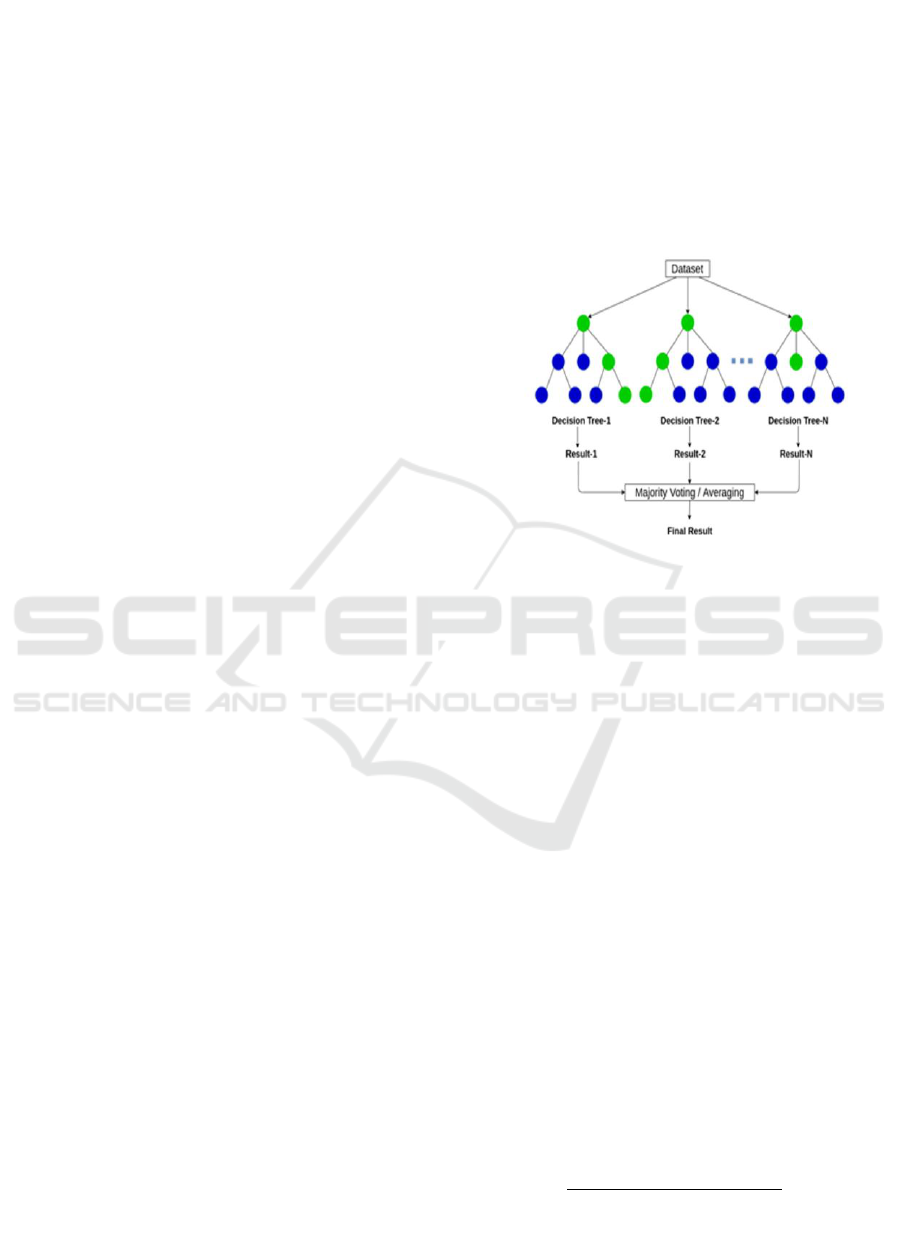
overfitting risk. Figure 1 shows the overall process of
detecting a heart disease.
Figure 1: Detecting a Heart Disease.
5 METHODOLOGY
5.1 Model Implementation
The prediction model for heart disease is prepared by
Random Forest. It is an algorithm that creates
multiple decision trees to forecast the disease with a
greater level of accuracy and strong predictions. For
training, the model is applied to the data that is built
by choosing several different sets of features and
observations. This method is beneficial since it
reduces the variance and the peril of overfitting
conditions to a certain extent. The model accuracy is
increased by approaching hyperparameter tuning,
such as with Grid Search or Random Search. These
important parameters require adjustment, such as the
number of trees, each tree's maximum depth, and the
minimum sample count required to split an internal
node. The training model for the already preprocessed
dataset trains these independent trees to classify a
forthcoming incident by making independent
predictions collectively based on a majority vote. The
implementation uses Python machine learning
libraries, one of them being Scikit-learn. It provides
tools that are very effective in model training,
evaluation, and optimization. The model when fed
with ensemble features from Random Forest can
attain high levels of accuracy; the model is stable and
interpretable so it can be depended on in predicting
heart disease.
5.2 Model Evaluation
The validation of the Random Forest algorithm in
predicting heart disease should be based on
confirming and assuring the reliability of results. The
model itself is presented using various metrics:
ICRDICCT‘25 2025 - INTERNATIONAL CONFERENCE ON RESEARCH AND DEVELOPMENT IN INFORMATION,
COMMUNICATION, AND COMPUTING TECHNOLOGIES
240
accuracy, precision, recall, F1-score, and AUC-ROC.
Accuracy assesses overall success. Precision and
recall, however, are particularly important for binary
classification problems and are often more useful than
accuracy. They are also necessary for medical
applications. The F1-Score better represents the
trade-off between precision and recall values in
unequal datasets where one class (the occurrence of
the disease) is much less frequent than the other. The
ROC-AUC just monitors the model's ability to
separate positive and negative values across different
threshold levels of probability. Random Forest
feature importance scores are one viable medium
through which the most substantial factors
responsible for predicting heart disease can be
understood. These results can combine into the
greater degree to open some more insight into the
process and help place diagnostic differences noted
into their correct perspective. The Random Forest
evaluation helps establish the balance between
accuracy and generalization in evaluating the proper
model for predicting heart disease presents itself.
Thus, this subsequently proved Random Forest as a
dependable tool in heart disease prediction. The
correlation between one dependent factor and two or
more independent factors was assessed by multiple
regression analyses utilizing the IBM SPSS program.
Method Evaluation is a kind of multiple regression
mathematical analysis and is considered a specific
instance of SEO. The approach used is CA-SEO,
which stands for “(covariance-based structural
equation modeling)”.
5.3 Deployment and Interpretability
The implementation of the heart disease prediction
model incorporates the integration of the well-trained
Random Forest algorithm into an application or
system available for use in a healthcare environment.
The goal of this implementation is to build a system
that is accessible to both health professionals and
patients for the early detection of heart conditions.
Web-based or mobile applications could give this
model to health practitioners to key-in patient
information and have predictions in real-time. Several
delivery systems that can be adopted are Flask, Fast
API, or cloud services like AWS, Google Cloud, or
Azure, to ensure both access and scalability. Now, it
is more important to achieve trust and usability by
achieving interpretability because prescribers need to
understand why it recommends what it does.
Therefore, there will be SHAP (SHapley Additive
Explanations) and feature importance analysis
explaining what has mainly driven the results
concerning items like cholesterol, blood pressure
readings, or ECG results. Visual tools, such as SHAP
plots and decision trees, further enhance the
explainability of AI-driven predictions. In striking a
balance between robust predictive accuracy and
explainability, therefore, the implemented model can
serve as a dependable decision-support tool in clinical
settings to advance the cause of early diagnosis and
treatment management for heart disease. Figure 2
illustrates the Random Forest Algorithm.
Figure 2: Random Forest Algorithm.
6 RESULTS AND DISCUSSION
The outcomes of this evaluations are presented, and
the achievement of the RF model is compared with
that of other relevant methodologies. The RF model
exhibited outstanding effectiveness in predicting the
occurrence of heart disease. A comprehensive array
of classification assessment metrics was employed to
estimate the model's achievement on the test dataset.
6.1 Model Performance Metrics
Upon evaluating the RF model on the test set, this
obtained the following classification metrics:
6.1.1 Accuracy
The RF model was exceptionally successful in
predicting the prevalence of heart disease and had an
accuracy rate of 99.98%. The very high level of
accuracy demonstrates the reliability of the model and
the capacity to produce accurate predictions based on
unseen data.
Accuracy =
𝑇𝑟𝑢𝑒 𝑃𝑜𝑠𝑖𝑡𝑖𝑣𝑒𝑠+𝑇𝑟𝑢𝑒 𝑁𝑒𝑔𝑎𝑡𝑖𝑣𝑒𝑠
𝐴𝑙𝑙 𝑠𝑎𝑚𝑝𝑙𝑒𝑠
(1)
An Accurate Assessment of Cardiovascular Disorders Utilizing a Hybrid Random Forest Approach
241
6.1.2 Precision
A model's 99.97% accuracy signifies the existence of
an exceptionally low false positive number. The high
accuracy reflects how effective the algorithm is in
correctly classifying patients with cardiac disease and
how it minimizes misclassification of healthy
patients.
Precision =
True positives
True positives + False negatives
(2)
6.1.3 Recall
The model demonstrates an excellent ability to
correctly detect people with coronary disease from
the positive samples, as shown through a recall rate
of 99.99%. This means that the model has a very low
chance of failing to detect individuals who have heart
disease.
Recall =
𝑇𝑟𝑢𝑒 𝑃𝑜𝑠𝑖𝑡𝑖𝑣𝑒𝑠
𝑇𝑟𝑢𝑒 𝑃𝑜𝑠𝑖𝑡𝑖𝑣𝑒𝑠+𝐹𝑎𝑙𝑠𝑒 𝑁𝑒𝑔𝑎𝑡𝑖𝑣𝑒𝑠
(3)
6.1.4 F1 Score
The remarkable F1-score of 99.98%, successfully
striking a balance between recall and precision, has
been obtained. This demonstrates the model's
excellent accuracy for both identifying positive
instances and negative instances.
F1-Score =
𝑃𝑟𝑒𝑐𝑖𝑠𝑖𝑜𝑛.𝑅𝑒𝑐𝑎𝑙𝑙
𝑃𝑟𝑒𝑐𝑖𝑠𝑖𝑜𝑛+𝑅𝑒𝑐𝑎𝑙𝑙
(4)
6.2 Comparison with Baseline Models
Random Forest (RF) model outperformed baseline
models greatly when compared to other machine
learning methods widely used. The accuracy of the
RF model outperformed that of all the baseline
models, showing its potential in heart disease
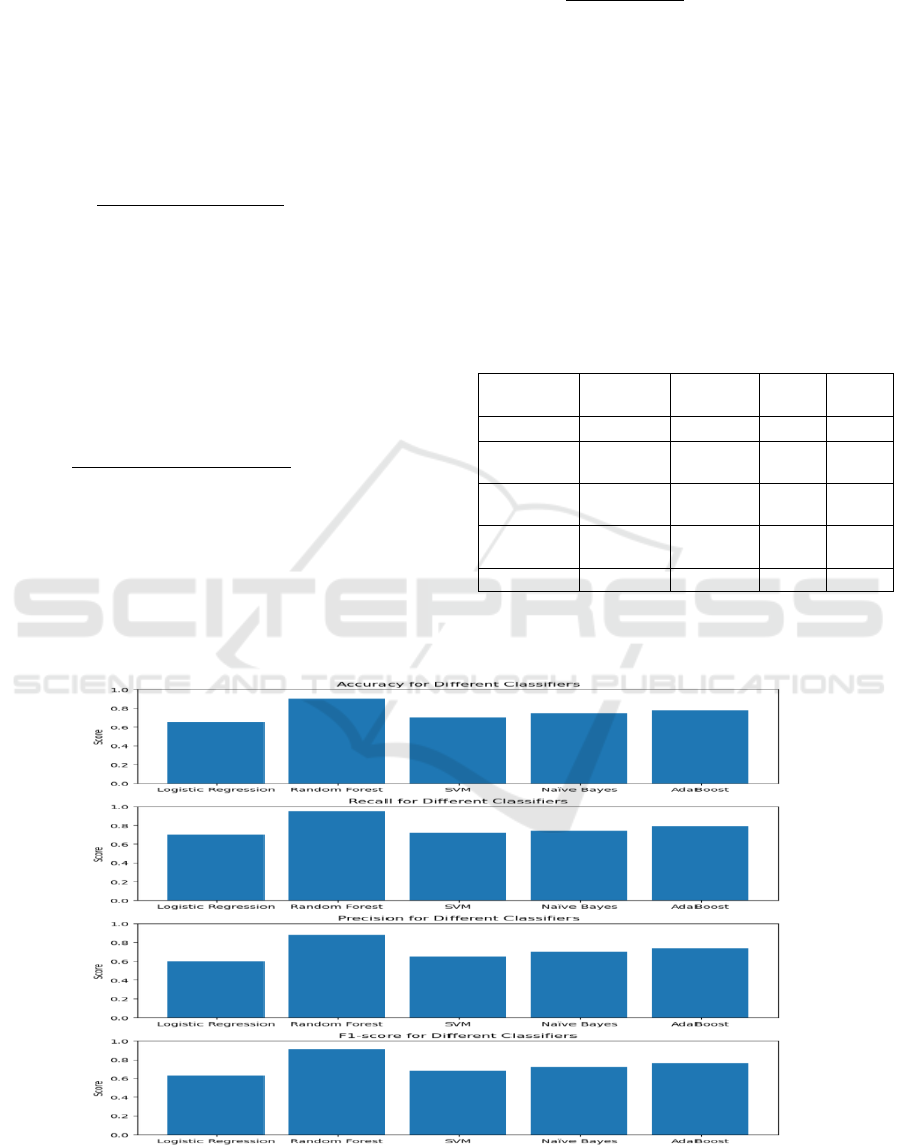
prediction. The Precision, Accuracy, F1-Score, and
Recall values of the algorithm are given in Table 1,
while Figure 3 shows a bar graph depicting the
Accuracy, Precision, Recall, and F1-Score of all the
algorithms.
Table 1: Comparison of Algorithms.
Method
Name
Accuracy
(%)
Precision
Recall
F1-
Score
SVM
0.756
0.730
0.82
0.770
Logistic
Regression
0.78
0.76
0.82
0.785
Naive
Bayes
0.766
0.772
0.76
0.765
Random
Forest
1.0
1.0
1.0
1.0
Adaboost
0.8244
0.825
0.825
0.825
Figure 3: Accuracy, Recall, Precision and F1-Score for Algorithms of Machine Learning.
ICRDICCT‘25 2025 - INTERNATIONAL CONFERENCE ON RESEARCH AND DEVELOPMENT IN INFORMATION,
COMMUNICATION, AND COMPUTING TECHNOLOGIES
242
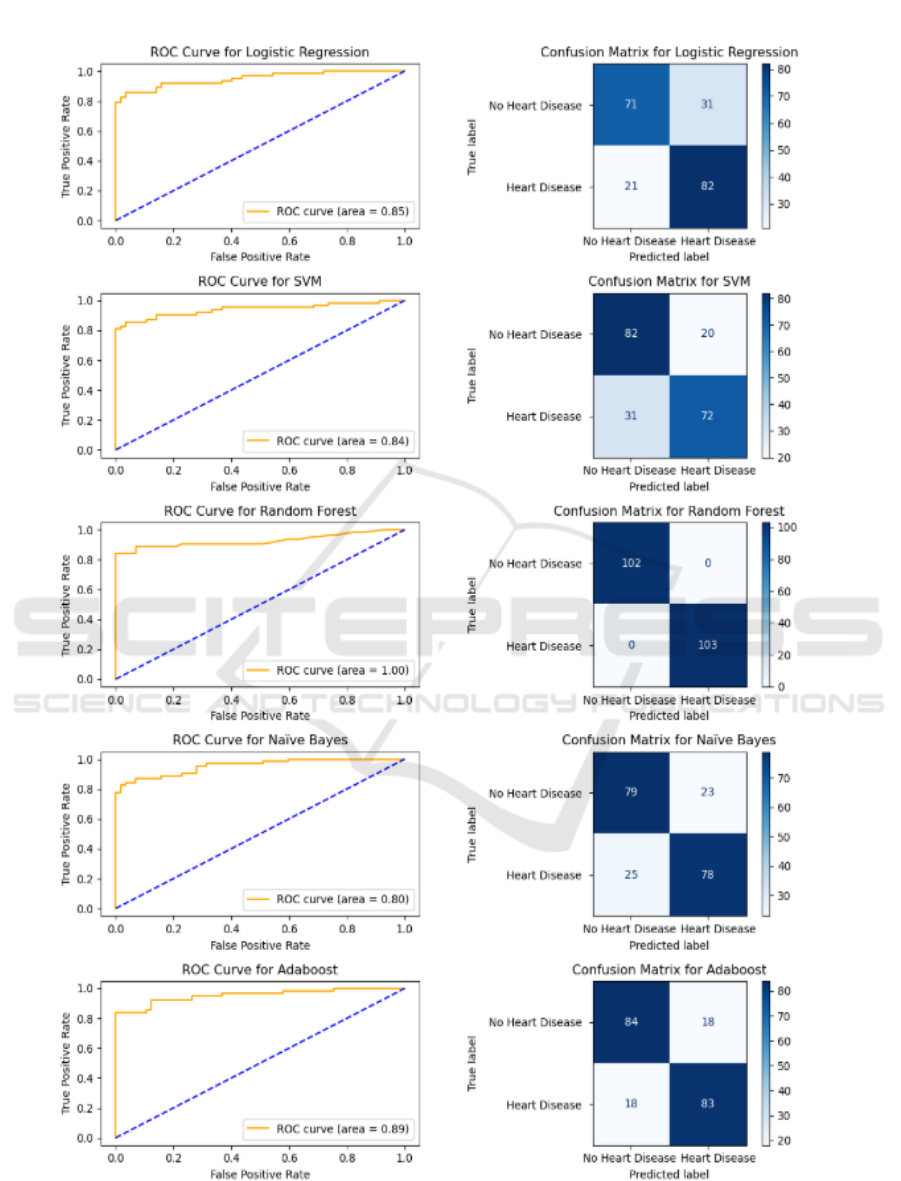
Figure 4: Comparison of Various Machine Learning Methods.
An Accurate Assessment of Cardiovascular Disorders Utilizing a Hybrid Random Forest Approach
243

The illustration (figure 4) provides a comparative
analysis of different machine learning algorithms
utilized for predicting heart disease, employing ROC
curves and confusion matrices. With the area under
the curve (AUC) acting as a gauge of model efficacy,
the ROC curves show the equilibrium between the
true positive rate and the false positive rate. Among
the evaluated models, Random Forest demonstrates
the highest AUC of 1.00, signifying flawless
classification, whereas Naïve Bayes records the
lowest AUC at 0.80. The confusion matrices further
emphasize the performance of the models, revealing
that Random Forest exhibits no misclassifications,
thereby establishing it as the most effective model.
Adaboost and Logistic Regression also show
commendable performance, with AUC values of 0.89
and 0.85, respectively, while Support Vector Machine
(SVM) ranks in the middle with an AUC of 0.84. In
summary, this analysis indicates that Random Forest
is the most dependable model for heart disease
prediction, followed by Adaboost and Logistic
Regression
7 CONCLUSIONS
The increase in the incidence of heart disease,
therefore, is very strong pressure for accurate and
efficient predictive models to ensure early diagnosis
and intervention since Random Forest (RF) is applied
in this research as an algorithm that could give a heart
disease forecast due to its vastness and ability to
handle complex data sets. Thorough evaluation and
comparison with other machine learning models will
reveal that this method shows high predictive power.
The model under consideration well appreciates
significant clinical markers and cardiovascular risk
factors and, thus, can provide stable predictions for
the health care professional's early diagnosis. The RF
algorithm is successful in the right identification of
high-risk patients and, thus, is very useful for clinical
decision-making. An analysis of feature importance
has also brought out major risks like age, blood
pressure, cholesterol, and smoking habits based on
the existing medical literature. These results
underscore the meaning of the model in
understanding the causes of heart disease. Even a
comparative assessment with conventional AI models
shows the superior classification accuracy and
generalization of the RF algorithm. There are,
however, certain limitations that must be admitted.
The performance of the model depends on the dataset
and conditions of the experiment and thus requires
further validation over diverse populations. Removal
of data imbalances and enrichment with other clinical
factors would render it more usable in the real health
sector. Such a predictive framework could bring
considerable potential to improve the quality of
patient care through enabling proactive identification
of risk and timely medical interventions. Where AI is
integrated into health care processes, it would
empower health practitioners to make evidence-based
decisions that would relieve the global burden of
CVD for mankind. Future work will involve further
refinements of the model in terms of inclusion of
medical data specific to the domain and making it
more accurate and flexible in real clinical
applications.
REFERENCES
Anamta Siddiqui and Syed Wajahat Abbas Rizvi “Heart
Disease Prediction by Using Random Forest Classifier”
Didik Setiyadi, Henderi, Anrie Suryaningrat, Rulin
Swastika, Saludin, Muhamad Malik Mutoffar, and
Imam Yunianto “Prediction of Heart Disease Using
Random Forest Algorithm, Support Vector Machine,
and Neural Network”
Hui Yuan, Xue-Song Fan, Yang Jin, Jian-Xun He, Yuan
Gui, Li-Ying Song, Yang Song, Qi Sun, and Wei Chen
“Development of Heart Failure Risk Prediction Models
Based on a Multi-Marker Approach Using Random
Forest Algorithms”
Ibomoiye Domor Mienye and Yanxia Sun “Heart Disease
Prediction Using Enhanced Machine Learning
Techniques”
Joel Paul “Performance Evaluation of Support Vector
Machines and Random Forest for Predicting Heart
Disease with the Cleveland Dataset”
Kalaivani B and Ranichitra A “Optimizing Cardiovascular
Disease Prediction: Harnessing Random Forest
Algorithm with Advanced Feature Selection”
L. Vindhya, P. Anvitha Beliray, Chandra Reddygari
Sravani, D. R. Divya “Prediction of Heart Disease
Using Machine Learning Techniques”
Madhumita Pal and Smita Parija “Prediction of Heart
Diseases using Random Forest”
Muhammad Yoga Adha Pratama, Rudy Herteno,
Mohammad Reza Faisal, Radityo Adi Nugroho, and
Friska Abadi “Improving with Hybrid Feature
Selection in Software Defect Prediction”
Nesma Elsayed, Sherif Abd Elaleem, and Mohamed Marie
“Improving Prediction Accuracy using Random Forest
Algorithm”
Ochim Gold and Agaji Iorshase “Heart Failure Prediction
Framework using Random Forest and J48 with
Adaboost Algorithms”
Peiyang Yu, Jingyuan Yi, Tianyi Huang, Zeqiu Xu, and
Xiaochuan Xu “Optimization of Transformer Heart
Disease Prediction Model Based on Particle Swarm
Optimization Algorithm”
ICRDICCT‘25 2025 - INTERNATIONAL CONFERENCE ON RESEARCH AND DEVELOPMENT IN INFORMATION,
COMMUNICATION, AND COMPUTING TECHNOLOGIES
244

Proshanta Kumar Bhowmik, Mohammed Nazmul Islam
Miah, Md Kafil Uddin, Mir Mohtasam Hossain Sizan,
Laxmi Pant, Md Rafiqul Islam, and Nisha Gurung
“Advancing Heart Disease Prediction through Machine
Learning: Techniques and Insights for Improved
Cardiovascular Health”
Ramanathan Gopalakrishnan and Jagadeesha S. N,
“Prediction of Coronary Artery Disease using Machine
Learning – A Comparative Study of Algorithms”
Shagufta Rasheed, G Kiran Kumar, D Malathi Rani, MVV
Prasad Kantipudi, and Anila M “Heart Disease
Prediction Using GridSearchCV and Random Forest”
Thoutireddy Shilpa and Anal Paul “CVDPF: A Hybrid
Feature Selection Method with Data-Driven Approach
for Cardiovascular Disease Prediction Framework
using Machine Learning”
Tsehay Admassu, Komal Kumar Napa, and Dr. Tamilarasi
“Sequential Feature Selection for Heart Disease
Detection Using Random Forest”
Xuanyi Tao“A Random Forest-Based Prediction of
Cardiovascular Diseases”
Y. Mohana Roopa, et.al,” A secured IoT-based model for
human health through sensor data”, Measurement:
Sensors, Elsevier publisher, ISSN: 2665-9174 (Online),
Volume 24, December 2022Page No 50-58
Y. Mohana Roopa,et.al,” Teaching learning-based brain
storm optimization tuned Deep-CNN for Alzheimer’s
disease classification”, Multimedia Tools and
Applications, Springer publisher, ISSN: 1380-7501.
Yu Wan, Shuya Zhang, and Yuxuan Zhao “Analysis and
Prediction of Risk Factors for Heart Failure”
Zerui Jiang “Construction and Comparison of Coronary
Heart Disease Risk Prediction Models Based on Lasso-
Logistic Regression and Random Forest Models”
An Accurate Assessment of Cardiovascular Disorders Utilizing a Hybrid Random Forest Approach
245
