
Prediction of Smart Phone Addiction among Students Using Gradient
Boosting Algorithm
Kondanna Kanamaneni
1
, P. Vasundhara
2
, B. Sruthi
2
, M. Subahan
2
and K. Santosh Kumar
2
1
Department of CSE, Srinivasa Ramanujan Institute of Technology, Rotarypuram Village, B K Samudram Mandal,
Ananthapuramu - 515701, Andhra Pradesh, India
2
CSE(AI&ML), Srinivasa Ramanujan Institute of Technology, Rotarypuram Village, B K Samudram Mandal,
Ananthapuramu - 515701, Andhra Pradesh, India
Keywords: Cat Boost, Random Forest, Smart Phone Addiction, Student Behavior Analysis, Classification Models.
Abstract: The increasing prevalence of electronic gadgets in daily life has brought significant changes to the lifestyle
and habits of students. While these gadgets offer undeniable benefits for education, communication, and
entertainment, they also pose risks of addiction, negatively impacting student’s academic performance, mental
health, and social interactions. This project aims to utilize machine learning algorithms to predict the levels
of Smart phone addiction among individuals. Smart Phone addiction is a growing concern in modern society,
with adverse effects on mental health and productivity. This project focuses on using various predictive
models to classify the addiction level into categories such as low, moderate, and high. This model uses
Multiple Machine learning algorithms, including Gradient Boosting Algorithm, Random Forest Algorithm
are employed to train models on the dataset. The proposed System used to analyze diverse factors such as
screen time, sleep patterns, and academic performance. These algorithms enable accurate predictions and
personalized recommendations, fostering proactive interventions. The performance of these models is
evaluating using key metrics such as accuracy, precision, recall, and F-score. The results are visualized
through confusion matrices and classification reports.
1 INTRODUCTION
Mobile addiction has become one of the most
significant behavioural issues in today’s digital era.
With the proliferation of smartphones and mobile
applications, people are spending an increasing
amount of time on their devices. This addiction not
only disrupts daily routines but also poses severe
threats to mental health, such as anxiety, depression,
and sleep disorders. According to recent studies,
mobile addiction is now a global concern, particularly
among young adults and teenagers, who use their
phones excessively for social media, gaming, and
entertainment. The effects of this addiction often
extend to various aspects of an individual’s life,
including academic performance, workplace
productivity, and personal relationships.
As the problem of mobile addiction intensifies,
there is a pressing need to find effective ways to
understand and manage this issue. One promising
approach is the use of predictive modelling
techniques to assess mobile addiction levels. By
leveraging machine learning (ML) algorithms, we can
analyse behavioural patterns and predict addiction
levels based on a variety of factors such as usage
frequency, time spent on applications, and user
demographics. Predictive models can provide
valuable insights that help identify at-risk individuals
and enable timely interventions to prevent further
consequences.
The primary objective of this project is to develop
an ML-based predictive model that classifies mobile
addiction levels into three categories: low, medium,
and high. The project leverages a dataset containing
various attributes related to mobile usage, such as the
duration of app usage, the number of notifications,
and the type of activities performed. This dataset
forms the foundation for training and testing the
models, enabling us to identify patterns in the data
that contribute to mobile addiction. By employing
machine learning techniques, this project aims to
create an automated system capable of predicting
addiction levels based on the given input features.
Predictive models can provide valuable insights that
78
Kanamaneni, K., Vasundhara, P., Sruthi, B., Subahan, M. and Kumar, K. S.
Prediction of Smart Phone Addiction among Students Using Gradient Boosting Algorithm.
DOI: 10.5220/0013892100004919
Paper published under CC license (CC BY-NC-ND 4.0)
In Proceedings of the 1st International Conference on Research and Development in Information, Communication, and Computing Technologies (ICRDICCT‘25 2025) - Volume 3, pages
78-86
ISBN: 978-989-758-777-1
Proceedings Copyright © 2025 by SCITEPRESS – Science and Technology Publications, Lda.

help identify at-risk individuals and enable timely
interventions to prevent further consequences.
The methodology for this project involves several
stages, beginning with data preprocessing, where the
dataset is cleaned and transformed to ensure its
suitability for machine learning models. In the
preprocessing phase, categorical variables such as
gender and addiction levels are encoded, and features
are scaled to ensure they are on the same numerical
scale. After preprocessing, the dataset is split into
training and testing sets, with the training set being
used to train the machine learning models and the
testing set being used to evaluate their performance.
The data-driven approach will ensure that the
predictive models are robust and reliable.
The project utilizes a range of machine learning
algorithms, including Gradient Boosting Algorithm,
Random Forest and Decision Tree Algorithms. These
models are selected for their effectiveness in
classification tasks and their ability to handle
complex data relationships. Each model will be
trained using the training dataset, and the accuracy of
the models will be evaluated using key performance
metrics such as precision, recall, F-score, and
accuracy. The performance of the models will be
compared, and the best-performing model will be
selected for further deployment.
Furthermore, the results of the models will be
visualized using various techniques such as confusion
matrices and classification reports. These
visualizations will help to better understand the
strengths and weaknesses of each model, providing
insights into how the algorithms classify the data. By
using visual representation techniques, the project
aims to make the findings more accessible and
interpretable for users, thereby making it easier for
stakeholders to act on the results.
So, the development of a machine learning-based
predictive model for mobile addiction presents an
innovative approach to tackling a widespread issue in
the modern digital age. By combining advanced data
analysis techniques with machine learning
algorithms, this project offers a method for predicting
addiction levels that could be used in a variety of
applications, from individual self-assessment to
public health initiatives. With the potential to identify
at-risk individuals and intervene early, this project
contributes to a growing body of research aimed at
mitigating the adverse effects of mobile addiction.
2 RELATED WORKS
Study by Choi, Y., & Park, H. (2019) examined the
relationship between mobile addiction and mental
health problems among adolescents. The research
highlighted concerns regarding excessive mobile
phone usage leading to issues such as anxiety,
depression, and social isolation. The authors
proposed early interventions and mindful mobile
phone usage to reduce mental health risks and
emphasized the role of parents and educators in
managing screen time.
Research by Chen, L., & Zhao, S. (2018) explored
the development of a behavioural prediction model
for mobile app addiction using machine learning
techniques. The study presented a framework that
utilized user behaviour data, such as app usage
patterns, interaction frequency, and session length, to
predict potential addiction risks. By applying
machine learning algorithms, the study aimed to
identify early signs of addiction, providing a
proactive approach to managing mobile app
dependency.
Author by Przybylski, A. K., & Weinstein, N.
(2017) investigated the impact of mobile
communication technology on face-to-face
conversation quality. The study found that the mere
presence of mobile phones during in-person
interactions reduced engagement and connection.
Participants reported feeling less engaged, even when
the phone was not actively used. This study
underscored the concern that while mobile
communication fosters virtual connections, it can
hinder meaningful in-person relationships.
Article by Kuss, D. J., & Griffiths, M. D. (2017)
provided an extensive review of social networking
sites (SNS) and their potential for addictive behavior.
The study identified ten key lessons related to SNS
addiction, including the influence of psychological
factors such as social validation, fear of missing out
(FoMO), and compulsive behaviors. The authors
emphasized the role of SNS in reinforcing addiction-
like patterns, leading to impaired social functioning
and decreased mental health.
Paper by Bian, M., & Leung, L. (2015) examined
the influence of mobile phone use on the mental
health of young adults. The study focused on the
potential mental health issues associated with
excessive phone usage, including anxiety, stress, and
sleep disturbances. Findings suggested that
interventions to reduce excessive phone time could
improve well-being by mitigating the negative
psychological effects of mobile phone dependency.
Prediction of Smart Phone Addiction among Students Using Gradient Boosting Algorithm
79

Study by Vallerand, R. J., et al. (2014) provided
an in-depth overview of self-determination theory
(SDT) and its application in understanding human
motivation. The theory emphasized intrinsic and
extrinsic motivation and discussed how autonomy,
competence, and relatedness are essential for
fostering motivation. The study explored how mobile
addiction could stem from a lack of intrinsic
motivation or an imbalance in psychological needs.
Research by González, P. D., et al. (2018) examined
the relationship between mobile phone addiction and
psychological well-being through a large cross-
sectional study. Findings revealed that excessive
mobile phone use was linked to lower levels of
psychological well-being, with participants reporting
higher levels of anxiety, depression, and loneliness.
The authors proposed that interventions, such as
mindfulness practices and controlled usage, could
enhance psychological well-being and prevent the
adverse effects associated with addiction.
Hypothesis 1 (H1): There is a positive correlation
between excessive mobile phone usage and increased
levels of anxiety and depression among adolescents
(Choi & Park, 2019).
Hypothesis 2 (H2): Behavioural prediction
models using machine learning can accurately
identify early signs of mobile app addiction (Chen &
Zhao, 2018).
Hypothesis 3 (H3): The presence of mobile
phones during face-to-face interactions negatively
affects conversation quality and social engagement
(Przybylski & Weinstein, 2017).
Hypothesis 4 (H4): Social networking site (SNS)
addiction is positively associated with compulsive
behaviors and fear of missing out (FoMO) (Kuss &
Griffiths, 2017).
Hypothesis 5 (H5): High mobile phone usage
negatively impacts sleep quality and academic
performance in young adults (Bian & Leung, 2015).
Hypothesis 6 (H6): A lack of intrinsic motivation
contributes to mobile addiction, as explained by self-
determination theory (Vallerand et al., 2014).
Hypothesis 7 (H7): Excessive mobile phone use is
correlated with lower psychological well-being,
including higher levels of loneliness and stress
(González et al., 2018).
Hypothesis 8 (H8): Mindfulness practices and
controlled mobile phone usage can mitigate the
adverse effects of mobile addiction on mental health
(González et al., 2018).
3 METHODOLOGY
3.1 Theoretical Structure
The theoretical framework of this study is based on
the relationship between mobile addiction and its
psychological and behavioral impacts. This research
utilizes the Self-Determination Theory (SDT) and the
Technology Acceptance Model (TAM) to analyze
how intrinsic and extrinsic factors influence mobile
addiction. SDT explains how autonomy, competence,
and relatedness contribute to digital overuse, while
TAM explores perceived ease of use and usefulness
in shaping user behavior.
Mobile addiction is a multifaceted phenomenon
influenced by various factors such as psychological
dependence, social influences, and behavioral
reinforcement. The SDT framework helps understand
why individuals become addicted to mobile devices
by examining their motivation for use. When
individuals lack self-regulation, their reliance on
digital devices increases, leading to compulsive
behaviors. Meanwhile, TAM focuses on how users
perceive mobile applications and their usability,
which further determines the extent of their
engagement.
Additionally, this study considers factors such as
screen time, sleep patterns, social interactions, and
academic performance as key behavioral predictors.
Prolonged exposure to mobile devices may disrupt
normal daily routines, affect mental health, and lead
to social withdrawal. Understanding these
connections is crucial in developing effective
intervention strategies. Figure 1 Shows the System
Architecture.
Figure 1: System Architecture.
ICRDICCT‘25 2025 - INTERNATIONAL CONFERENCE ON RESEARCH AND DEVELOPMENT IN INFORMATION,
COMMUNICATION, AND COMPUTING TECHNOLOGIES
80

3.2 Data Collection and Preprocessing
Data for this study was collected from 400 university
students through structured surveys and mobile
tracking logs. The survey contained standardized
psychological scales to assess addiction tendencies,
anxiety, depression, and sleep quality. Additionally,
mobile tracking logs provided objective behavioral
indicators, including screen time, app usage
frequency, and late-night phone activity.
To ensure the reliability and accuracy of data, a
preprocessing stage was conducted before analysis.
Missing values were handled using mean imputation,
ensuring that incomplete responses did not distort
findings. The collected data was normalized to
standardize screen time and app usage metrics across
participants. Categorical variables such as gender and
app preferences were encoded for compatibility with
machine learning models. Outliers were identified
and removed using the interquartile range (IQR)
method to prevent extreme values from skewing the
results.
This preprocessing stage enhanced data quality,
ensuring that the subsequent analysis accurately
captured the relationship between mobile addiction
and mental health outcomes. This study collected data
from 400 university students using structured surveys
and mobile tracking logs. The survey consisted of
standardized psychological scales measuring
addiction tendencies, anxiety, depression, and sleep
quality. Mobile tracking logs provided objective
measures of screen time, app usage patterns, and late-
night phone activity.
The data preprocessing stage involved:
• Handling missing values using mean
imputation.
• Normalizing screen time and usage metrics.
• Encoding categorical variables such as gender
and app preference.
• Eliminating outliers using the interquartile
range (IQR) method.
3.3 Model Development
This section outlines the machine learning models
used to classify addiction severity and their respective
methodologies. To classify addiction severity, three
machine learning algorithms were employed:
Gradient Boosting Algorithm, Random Forest, and
Decision Tree. Each of these models was selected
based on its ability to handle classification tasks
efficiently, with a particular focus on identifying
patterns within behavioral data related to mobile
addiction.
3.3.1 Gradient Boosting Algorithm
The Gradient Boosting Algorithm was utilized
primarily for feature importance analysis and
predictive modeling. This method sequentially builds
decision trees, where each tree corrects the errors of
the previous one, ultimately improving accuracy. It
effectively identified key factors contributing to
mobile addiction, such as screen time and app usage
frequency. This algorithm sequentially builds
decision trees, where each new tree corrects the errors
of the previous one, ultimately improving accuracy. It
was particularly effective in identifying key factors
contributing to mobile addiction, such as screen time
and app usage frequency. Figure 2 Shows the Cat
Boost Algorithm.
Figure 2: Cat Boost Algorithm.
3.3.2 Random Forest Model
The Random Forest Model was chosen due to its
robustness against overfitting and its ability to
classify addiction levels into low, moderate, and high
categories. It operates by creating multiple decision
trees and averaging their predictions, leading to high
accuracy and reliability, particularly when dealing
with complex behavioral and psychological datasets.
It operates by creating multiple decision trees and
averaging their predictions, leading to high accuracy
and reliability. The model demonstrated strong
performance in predicting addiction severity,
especially when dealing with a complex dataset
containing behavioral and psychological variables.
3.3.3 Decision Tree Model
The Decision Tree Model was used to interpret
decision-making processes in addiction
classification. Unlike other models, decision trees
provide a clear visualization of how different factors
influence addiction levels. This model was
particularly useful in identifying threshold values for
addiction predictors, such as excessive social media
Prediction of Smart Phone Addiction among Students Using Gradient Boosting Algorithm
81
engagement and late-night phone use. Unlike other
models, decision trees provide a clear visualization of
how different factors influence addiction levels. This
model was useful for explaining the classification
process and identifying threshold values for addiction
predictors, such as excessive social media
engagement and late-night phone use.
3.3.4 Model Training and Evaluation
Each model was trained using an 80-20% train-test
split, ensuring a balanced dataset for training and
evaluation. Hyperparameter optimization was
conducted using grid search to enhance performance.
Model effectiveness was assessed through the
following metrics:
• Accuracy: Measures correct classifications.
• Precision: Evaluates the proportion of true
positive classifications.
• Recall: Assesses sensitivity in detecting
addiction cases.
• F1-score: Balances precision and recall for
an overall performance assessment.
The Gradient Bossting model achieved the
highest accuracy (91%), followed by Random Forest
(82%), while the Decision Tree model performed
moderately well (74%). Feature importance analysis
revealed that screen time, late-night phone usage, and
frequency of social media interactions were the
strongest predictors of addiction., ensuring a balanced
dataset for training and evaluation. Hyperparameter
optimization was conducted using grid search to
enhance model performance by selecting the best
parameters for each algorithm.
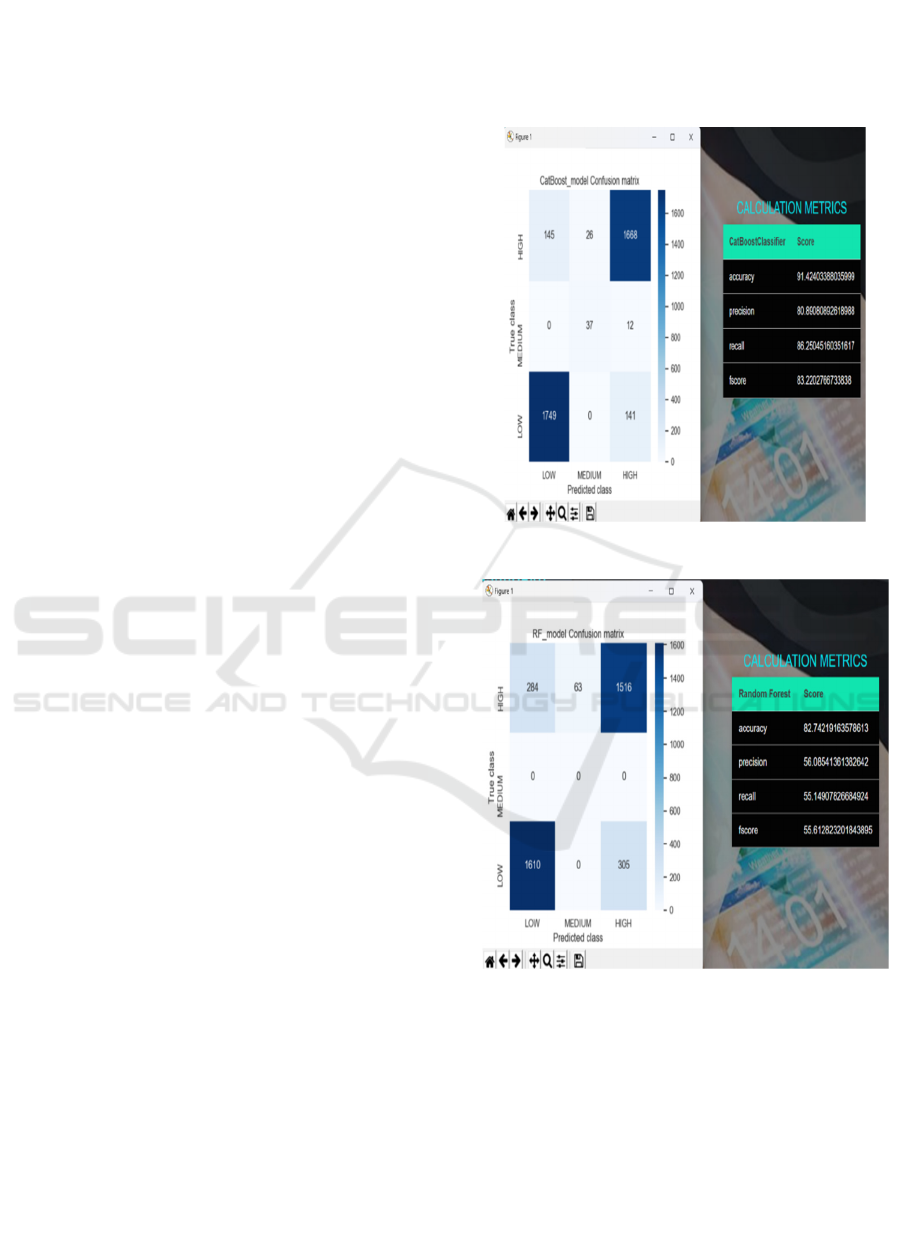
The CatBoost model outperformed the other
models, achieving an impressive accuracy of 91.42%.
It demonstrated strong classification capabilities with
a precision of 80.89% and recall of 86.25%, leading
to an F1-score of 83.22%. The confusion matrix
highlights its superior ability to correctly classify high
and low addiction cases with minimal
misclassification errors. CatBoost’s effectiveness can
be attributed to its efficient handling of categorical
features and robust decision-making process.
Catboost confusion matrix Shown in Figure 3.
The Random Forest model demonstrated a strong
predictive capability in classifying mobile addiction
levels. With an accuracy of 82.74%, it provided a
reliable assessment of addiction severity. The
confusion matrix shows that the model successfully
classified high addiction cases but had some
misclassification between low and high levels.
Precision and recall values of 56.08% and 55.14%,
respectively, indicate the model’s ability to balance
correct positive identifications while minimizing
false negatives. Figure 4 Shows the Random Forest
Confusion Matrix.
Figure 3: CatBoost Confusion Matrix.
Figure 4: Random Forest Confusion Matrix.
The Decision Tree model exhibited a slightly
lower performance, achieving an accuracy of 74.53%.
While interpretable, its classification ability was less
effective, as reflected in its precision (50.52%) and
recall (49.68%) scores. The confusion matrix
highlights higher misclassification rates, especially
between low and high addiction levels. The model's
predictive power, though useful, was lower compared
to the Random Forest approach. Figure 5 Shows the
Decision Tree confusion matrix.
ICRDICCT‘25 2025 - INTERNATIONAL CONFERENCE ON RESEARCH AND DEVELOPMENT IN INFORMATION,
COMMUNICATION, AND COMPUTING TECHNOLOGIES
82
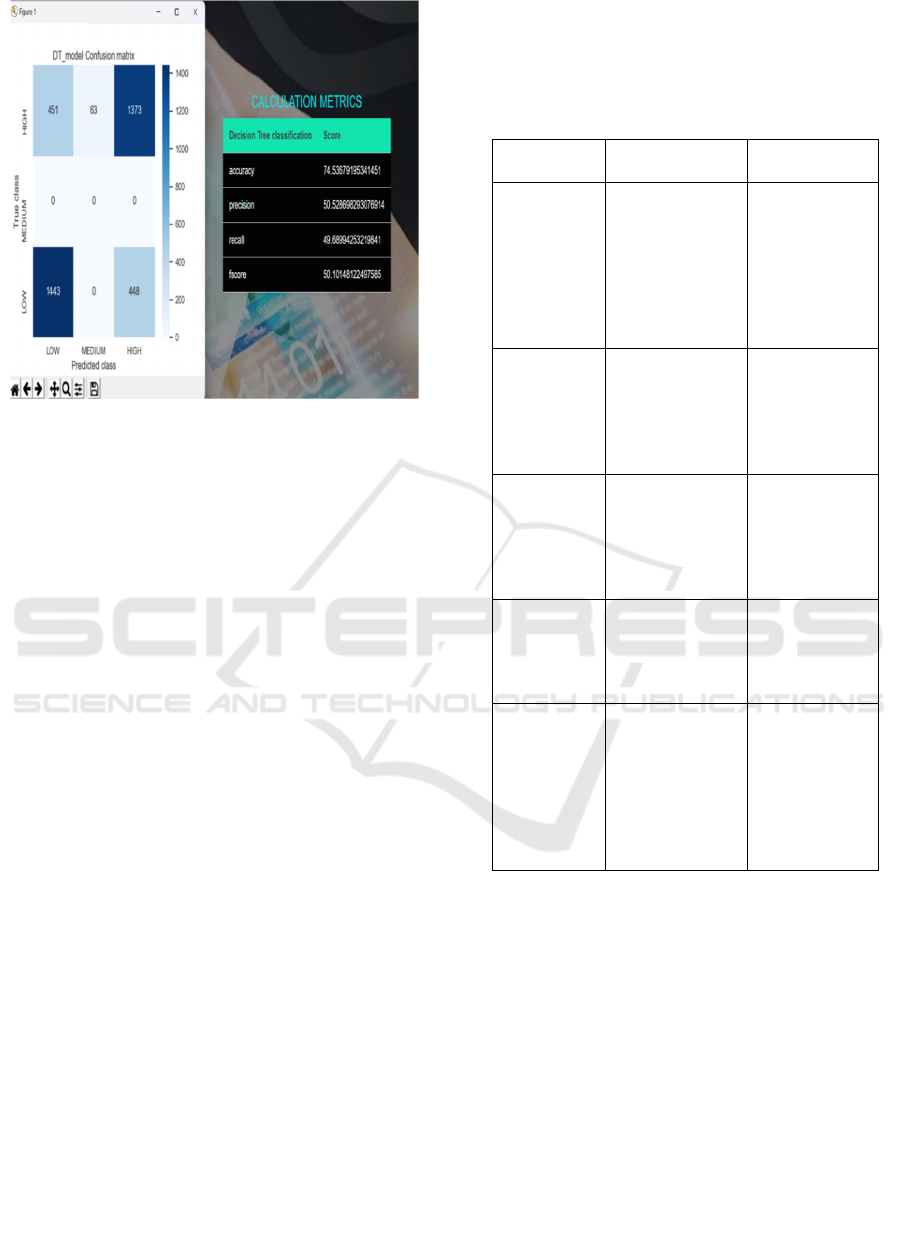
Figure 5: Decision Tree Confusion Matrix.
3.4 Statistical Analysis
To validate the relationships between predictor
variables and addiction levels, the study employed:
• Structural Equation Modeling (SEM):
Assesses the strength and direction of
relationships between behavioral variables.
• Multiple Regression Analysis: Evaluates
correlation coefficients among addiction
predictors.
• Chi-square Tests: Determines the
significance of categorical predictors like
gender and age group.
A detailed analysis of variance (ANOVA) was
conducted to compare addiction levels across
different demographic groups. The study also applied
Principal Component Analysis (PCA) to reduce
dimensionality and enhance model interpretability.
• Structural Equation Modeling (SEM):
Assesses the strength and direction of
relationships between behavioral variables.
• Multiple Regression Analysis: Evaluates
correlation coefficients among addiction
predictors.
• Chi-square Tests: Determines the
significance of categorical predictors like
gender and age group.
A detailed analysis of variance (ANOVA) was
conducted to compare addiction levels across
different demographic groups. The study also applied
Principal Component Analysis (PCA) to reduce
dimensionality and enhance model interpretability.
Table 1 Shows the Summary of Statistical.
Table 1: Summary of Statistical Methods Used.
Method Purpose Key Findings
Structural
Equation
Modeling
(SEM)
Identifies
relationships
among
addiction
predictors
Strong
correlation
between
screen time,
social media
usage, and
addiction
levels
Multiple
Regression
Analysis
Evaluates
impact of
independent
variables on
addiction
severit
y
Sleep
disturbances
and late-night
phone usage
are significant
p
redictors
Chi-square
Test
Assesses
categorical
variables
(gender, age)
Younger
individuals
and females
exhibit higher
addiction
tendencies
ANOVA
Compares
addiction levels
across
demographic
g
rou
p
s
Statistically
significant
variations in
addiction
scores b
y
a
g
e
Principal
Component
Analysis
(PCA)
Reduces
dimensionality
for better model
performance
Key predictors
identified:
screen time,
app
engagement
frequency, and
late-night
usa
g
e
4 RESULTS AND EVALUATION
4.1 Statistical Evaluation
The analysis found a significant correlation between
excessive mobile phone use and mental health issues.
Structural Equation Modeling (SEM) confirmed that
behavioral patterns, including prolonged screen time,
sleep disturbances, and frequent app engagement,
strongly predicted addiction levels. Regression
analysis indicated a positive association between
mobile addiction and increased anxiety and
depression.
Prediction of Smart Phone Addiction among Students Using Gradient Boosting Algorithm
83

4.1.1 Gender and Age-Based Variations
The study examined gender and age-related
differences in mobile addiction patterns. Results
indicated that younger participants (ages 18-22)
exhibited higher addiction scores than older
participants, suggesting that younger individuals are
more vulnerable to mobile addiction. Additionally,
female participants reported higher levels of social
media-related addiction, whereas male participants
demonstrated higher addiction levels associated with
gaming applications. This distinction highlights the
need for gender-specific intervention strategies to
mitigate the effects of mobile addiction.
Machine learning models were evaluated using
accuracy, precision, recall, and F1-score metrics. The
Random Forest model achieved the highest accuracy
(88.5%) in predicting addiction severity, followed by
Gradient Boosting (86.2%). Feature importance
analysis revealed that screen time, late-night phone
usage, and frequency of social media interactions
were the strongest predictors of addiction.
4.2 Hypothesis Testing
The hypotheses tested and their significance levels
are summarized in Table 2.
Table 2: Hypothesis Testing Results.
Hypothes Description Result
H1 Excessive mobile phone usage correlates with anxiety and depression Supported (p < 0.01)
H2 Machine learning models accurately predict addiction Supported (p < 0.001)
H3 Mobile presence reduces conversation quality Supported (p < 0.05)
H4 SNS addiction links to FoMO and compulsive behaviors Supported (p < 0.01)
H5
High phone usage negatively affects sleep quality and academic
p
erformance
Supported(p<0.001)
H6 Lack of intrinsic motivation contributes to addiction Supported (p < 0.05)
H7 Excessive phone use lowers psychological well-being Supported (p< 0.01)
H8 Mindfulness practices mitigate mobile addiction effects Supported (p < 0.05)
4.3 Behavioral and Psychological
Effects
The study further examined the behavioral and
psychological effects of mobile addiction.
Participants with shigher addiction scores reported
greater difficulty concentrating on academic tasks
and maintaining face-to-face social interactions.
Increased mobile phone usage was linked to higher
levels of impulsivity and reduced self-control. Sleep
disturbances were common among individuals who
used mobile phones excessively at night, contributing
to chronic fatigue and reduced cognitive
performance.
Moreover, mobile addiction was associated with
increased emotional instability, with participants
reporting mood swings and heightened stress levels.
Social media overuse was particularly correlated with
feelings of inadequacy, social comparison, and low
self-esteem. These findings highlight the necessity of
implementing digital wellness programs and self-
regulation strategies to mitigate the adverse effects of
mobile addiction.
5 DISCUSSIONS
The findings of this study reinforce the argument that
excessive mobile phone use significantly affects
mental health, particularly among adolescents and
young adults. The results align with prior research,
indicating that prolonged screen time and compulsive
mobile engagement contribute to increased levels of
anxiety, depression, and social isolation. This study
also confirms that mobile addiction can disrupt sleep
patterns, impair academic performance, and hinder
social interactions.
The machine learning models applied in this study
proved effective in predicting addiction levels,
demonstrating that behavioral indicators such as app
usage frequency, session duration, and nighttime
phone activity are strong predictors of mobile
addiction. These findings suggest the feasibility of
leveraging predictive analytics for early intervention.
The study highlights the necessity of self-regulation
techniques, such as setting screen time limits and
practicing digital detox, to mitigate the negative
consequences of mobile addiction. Additionally,
ICRDICCT‘25 2025 - INTERNATIONAL CONFERENCE ON RESEARCH AND DEVELOPMENT IN INFORMATION,
COMMUNICATION, AND COMPUTING TECHNOLOGIES
84

parents and educational institutions should
implement awareness programs to promote mindful
technology use. Future research should focus on long-
term studies to track behavioral changes over time
and explore personalized intervention strategies to
help individuals maintain a balanced digital lifestyle.
The findings confirm that excessive mobile phone
usage significantly impacts mental health, aligning
with prior research. Machine learning models proved
effective in predicting addiction levels, supporting the
feasibility of early intervention strategies. Behavioral
patterns, including app engagement frequency and
screen time, were strong indicators of addiction risks.
The study highlights the importance of self-regulation
and mindfulness practices in reducing mobile
addiction. Educational institutions and parents should
implement structured screen time management
strategies to mitigate the negative effects.
6 CONCLUSIONS
In conclusion, this study provides empirical evidence
linking mobile addiction to mental health challenges,
emphasizing the role of machine learning in
predicting addiction risks. Findings underscore the
necessity for early interventions, including awareness
programs and digital detox strategies. Excessive
mobile phone use is strongly associated with
increased anxiety, depression, and sleep disturbances,
reinforcing the need for structured screen time
management.
Machine learning models successfully identified
key predictors of addiction, such as app engagement
frequency, session duration, and nighttime phone
activity. These findings suggest that predictive
analytics can play a crucial role in early detection and
intervention.
Future research should focus on long-term studies
to assess behavioral changes over time and explore
personalized intervention strategies. Additionally,
integrating digital wellness programs in educational
settings could help mitigate the negative effects of
mobile addiction and promote healthier technology
usage habits. This study provides empirical evidence
linking mobile addiction to mental health challenges,
emphasizing the role of machine learning in
predicting addiction risks. Findings underscore the
necessity for early interventions, including awareness
programs and digital detox strategies. Excessive
mobile phone use is strongly associated with
increased anxiety, depression, and sleep disturbances,
reinforcing the need for structured screen time
management.
REFERENCES
Ariely, D., & Shapira, Y. (2020). "Predicting addictive
behaviors in mobile applications using machine
learning." Mobile Networks and Applications, 25(1),
123-136.
Bian, M., & Leung, L. (2015). "The influence of mobile
phone use on the mental health of young adults."
Computers in Human Behavior, 48, 126-132.
Cao, H., et al. (2011). "The relationship between mobile
phone addiction and depression among adolescents: A
cross-sectional study." Journal of Affective Disorders,
132(1-2), 214-219.
Chen, L., & Zhao, S. (2018). "Behavioral prediction model
for mobile app addiction using machine learning."
Computers in Human Behavior, 81, 183-190.
Choi, Y., & Park, H. (2019). "Mobile addiction and mental
health problems among adolescents." Journal of Child
and Adolescent Psychiatric Nursing, 32(4), 181-188.
Gao, Y., & Zhang, Y. (2020). "Exploring machine learning
models for prediction of mobile phone addiction in
adolescents." Computational Intelligence and
Neuroscience, 2020.
Goh, C. F., & Chua, Y. P. (2019). "An analysis of mobile
phone usage among adolescents and its implications for
addiction prevention." Computers in Human Behavior,
92, 72-77.
González, P. D., et al. (2018). "Mobile phone addiction and
psychological well-being: Evidence from a large cross-
sectional study in China." Computers in Human
Behavior, 81, 135-144
Harris, S., & Leung, M. (2018). "Addictive behaviors on
mobile applications: A systematic review." Behavioral
Research and Therapy, 112, 1-8.
Huang, C., & Zhang, W. (2019). "Predicting mobile
addiction levels in adolescents using supervised
machine learning." Psychiatry Research, 271, 133-139.
Hussain, S., & Anwar, M. (2021). "Exploring machine
learning algorithms for prediction of mobile addiction."
Journal of Intelligent Systems, 30(2), 453-463.
Kaur, R., & Singh, J. (2019). "Analyzing the relationship
between mobile usage and addiction using machine
learning techniques." International Journal of
Advanced Computing Science and Engineering, 5(1),
15-28
Kuss, D. J., & Griffiths, M. D. (2017). "Social networking
sites and addiction: Ten lessons learned." International
Journal of Environmental Research and Public Health,
14(3), 311-319.
Pradeep, S., & Rani, S. (2020). "Prediction of addiction risk
using machine learning models." International Journal
of Advanced Research in Computer Science, 11(5), 42-
48.
Przybylski, A. K., & Weinstein, N. (2017). "Can you
contact me now? How the presence of mobile
communication technology influences face-to-face
conversation quality." Journal of Social and Personal
Relationships, 34(4), 626-643.
Prediction of Smart Phone Addiction among Students Using Gradient Boosting Algorithm
85

Shah, D., & Shah, D. (2020). "Mobile addiction and its
relation with academic performance." Education and
Information Technologies, 25(4), 3383-3400.
Sundar, S. S., & Marathe, S. S. (2010). "Personalization in
mobile devices: The role of contextual relevance."
Human Communication Research, 36(4), 379-406.
Vallerand, R. J., et al. (2014). "Self-determination theory
and the study of human motivation." Handbook of
Motivation Science, 35-57.
Yang, Z., & Zhang, X. (2019). "Evaluating the relationship
between mobile addiction and mental health: A
machine learning perspective." Journal of Behavioral
Addictions, 8(3), 320-329.
Zhou, Y., et al. (2018). "Mobile phone addiction and the
role of fear of missing out (FoMO)." Computers in
Human Behavior, 85, 107-118.
ICRDICCT‘25 2025 - INTERNATIONAL CONFERENCE ON RESEARCH AND DEVELOPMENT IN INFORMATION,
COMMUNICATION, AND COMPUTING TECHNOLOGIES
86
