
Real‑Time Smart Health Alert System
G. Hemanth Kumar Yadav
1
, Greeshma Kanama
2
, Namitha Tamidala
2
,
Asma Anjum Shaik
2
and Hari Prakash Mangala
2
1
Department of CSE (AI & ML), Srinivasa Ramanujan Institute of Technology, Anantapur, India
2
Computer Science and Engineering (Data Science), Srinivasa Ramanujan Institute of Technology, Anantapur, India
Keywords: Security, Notification, Microcontroller, Intelligent Processing, Smart Connectivity.
Abstract: This Health Tracking System is designed to perform continuous real-time tracking of some critical health
parameters using various sensors and cutting-edge technology. It features a Heartbeat Sensor to measure heart
rate, a Pulse Oximeter to assess blood oxygen levels, and a MEMS sensor intended to detect falls. The
obtained data is processed by the sensors, linked to an Arduino UNO for clear and efficient monitoring. A
NodeMCU module is used for remote accessibility and transferring the recorded information to the
ThingSpeak platform, enabling both users and healthcare members to check health indicators from anywhere
in the world. In addition to basic monitoring, this system adds critical safety features for fault-tolerance. If
the readings are unusual, such as showing an irregular heart rate or low levels of oxygen, an alert system
activates. Automatic messages are sent through a GSM module to numbers that have already been saved.
There’s also a buzzer that provides audio feedback when it’s needed, and a manual emergency button that
allows the user to request assistance. This system aims to provide timely health tracking, and response to
critical situations, thereby ensuring user safety and good health.
1 INTRODUCTION
The Health Tracking System is a futuristic solution
to track significant health parameters in real-time
which helps in early intervention, especially in
conditions that demand immediate medical
intervention (Azimi, et al. 2017). It uses different
sensors Heartbeat, Mems sensor, Pulse oximeter and
so on and it can monitor heart rate, oxygen and body
movements all the time (Parekh, et al.2017).
Development of immersive experiences and enabling
technology-driven methodologies for early health
condition screening, useful in early diagnosis and
helping to mitigate critical health risks (Azimi, et al.
2017)(Pardeshi, et al. 2017)(Lavanya G, et al. 2017).
An Arduino UNO lies at the heart of the system,
which processes the data collected, ensuring
necessary and efficient management. To expand its
features, a Node MCU module is added which helps
to send the data to Thing Speak platform so that
doctors or family members can access it remotely
(Lokeswari, et al. )(Abdul, et al. ).
The Health Tacking System is designed for
monitoring important health parameters, while being
able to enable a fast response in an emergency. This
allows for real-time health data reading coupled with
remote access to this information, facilitating
continuous monitoring of the patient’s health (Abdul,
et al. ). The system is powered by intelligent sensors
including the Pulse Oximeter and Heartbeat Sensor
that measure vital parameters accurately, every time,
enabling you to detect any anomaly in the earliest
stage (Parekh, et al.2017 ). Additionally, the MEMS
sensor also improves safety, as it can detect falls,
making it particularly advantageous for older women
or those with a higher risk. With GSM-based alert
notifications and a manual emergency button, the
system is designed to improve its emergency
response capabilities, enabling users to get help
rapidly whenever possible (Hu Y, et al.). The
amalgamation of predictive observation and instant
treatment helps in not only ensuring safety but also
preventive healthcare (Azimi, et al. 2017)(Pardeshi,
et al. 2017).
2 RELATED WORKS
The Health Tracking System is an concept created to
facilitate an easy and simpler way of tracking human
Yadav, G. H. K., Kanama, G., Tamidala, N., Shaik, A. A. and Mangala, H. P.
Real-Time Smart Health Alert System.
DOI: 10.5220/0013891800004919
Paper published under CC license (CC BY-NC-ND 4.0)
In Proceedings of the 1st International Conference on Research and Development in Information, Communication, and Computing Technologies (ICRDICCT‘25 2025) - Volume 3, pages
67-71
ISBN: 978-989-758-777-1
Proceedings Copyright © 2025 by SCITEPRESS – Science and Technology Publications, Lda.
67
health for people living in the remote corners of the
globe where finding a medical professional is not
possible. Recent developments in Machine Learning
and Internet of Things (IoT) technologies have the
potential to open up new opportunities for continuous
health monitoring and real-time analysis. The LCD
used is a 16x2 LCD which shows the measure values.
It is also containing a pulse oximeter for pulse rate
and blood pressure measurement. In order to access
the data remotely, an ESP8266 Wi-Fi module is used
to send the captured data towards IoT platforms such
as Thing Speak or All Things Talk, where it is logged
and provides us with the analysis. It is a very simple
system to use and does not require much technical
knowledge. Because it can host multiple people under
one account, doctors, specialists or family can track
a person’s health status over time without having to
schedule each individual’s visits. It brings medical
assistance as close as possible and opens up medical
facilities to really residents of these very remote
industries.
Healthcare has become a global problem because,
for one reason or another, many remote and rural
underdeveloped areas of the world still do not have
access to these resources (including medical). The use
of Internet of Things (IoT) in our system makes the
patient health tracking mechanism continuous just by
adding the appropriate medical data collection
wearable sensors. The system prioritizes relevant
information for prompt notification of physicians by
monitoring which patients suffer from urgent need for
treatment and only writing summaries of relevant
patient records, which are stored in the cloud for in-
depth review when necessary. These systems allow
health workers to monitor and treat patient illnesses
remotely without needing to see patients in person, all
while improving the quality of care in resource-poor
settings.
3 PROPOSED METHOD
Health Tracking System can be described as
constant monitoring of health parameters using
sensors and modern technology. It has a MEMS
sensor to detect fell, Pulse Oximeter for monitoring
oxygen saturation level, and Heartbeat Sensor for
measuring heart rate. The microcontroller obtains the
data from all the sensors via Arduino and takes care
of the data for the proper and timely monitoring. A
Node MCU module sends the collected data to the
Thing Speak to allow a people, who can observer the
real time data from any place through Internet. The
system ensures the continuous monitoring of the
physical condition and also provides instant alerts by
employing the technology of IoT, thus improving the
responsiveness of the critical health condition. The
system is packed with extra safety mechanisms to
alert the user and their contacts if there’s a problem.
Now what if he encountered any abnormal parameter
then with the help of GSM module system
automatically send a notification to pre-registered
contacts. This helps to set off timely alerts for
medical professionals which can speed up
emergency treatments and secure the safety of
patients. It also has a manual emergency button to
summon help, and a buzzer to tell you when thathelp
is needed. So, it combines real- time health tracking
with an effective alert system, ensuring safety and
improves the quality of life.
3.1 Block Diagram
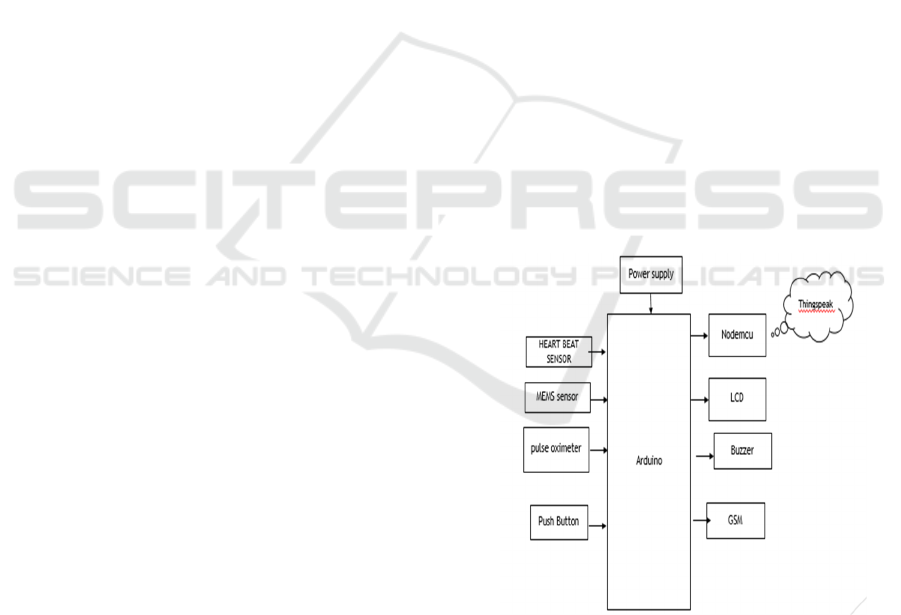
Figure 1 shows the block diagram of an Arduino-
based health monitoring system integrated with IoT.
The system consists of various sensors such as a
heartbeat sensor, MEMS sensor, pulse oximeter, and
a push button, all connected to the Arduino. The
Arduino communicates with external modules
including a NodeMCU (for ThingSpeak cloud
connectivity), an LCD for display, a buzzer for alerts,
and a GSM module for messaging. The entire system
is powered by a power supply.
Figure 1: Block Diagram of Arduino-Based Health
Monitoring System with IoT Integration.
4 METHODOLOGY
Hardware Requirements for the project:
ICRDICCT‘25 2025 - INTERNATIONAL CONFERENCE ON RESEARCH AND DEVELOPMENT IN INFORMATION,
COMMUNICATION, AND COMPUTING TECHNOLOGIES
68

4.1 Arduino Mega
The data collected from two or more tracking sensors
is processed by the primary microcontroller, which is
an Arduino UNO. The Arduino UNO is the data-
filtering and conversion center that really made the
project effective due to its versatility in managing
digital and analog inputs and outputs converting
sensor readings into meaningful information and
controlling additional components. The real-time data
local output is displayed using an LCD, and an
emergency GSM module is added. The Arduino UNO
is used to integrate and manage all physical
components effectively and is compatible with
different types of sensors so it is designed to work
smoothly as well. The Arduino UNO not only collects
data and processes it but also plays an important role
in communication between components of your
system, too. Finally, a small processing device make
it a fluid operate health tracking system with real
time’s tracking, and reliable communication.
4.2 Heartbeat Sensor
The Heartbeat Sensor is prominent and tracks the
heart rate continuously, providing continuous values
for heart data and useful health information with
respect to heart. It works by sensing changes in blood
frequency with every stroke volume of the heart,
usually at the fingertip or earlobe. The sensor works
by using infrared light to detect changes in light
absorption due to blood flow; these are then
converted into electrical signals, which are processed
with the help of Arduino UNO.
The sensor does more than simply track heart rate;
it is also integral to tracking potential health
concerns. If the heart rate is detected to be not normal
(too high or too low), the system can automatically
trigger the GSM module and send the alerts to the
predefined contacts like healthcaring unit or family.
The Heartbeat sensors increases the system's
capability to sense early warning signs and enable
timely medical assistance by providing real time
monitoring and alerts.
4.3 MEMS Sensor
Such a sensor is an integral part of this health
tracking system in detecting falls and improving
safety. This measures dynamic acceleration along
three axes, an indication of changes in movement and
orientation. Something into sudden acceleration, a
shift like, a fall, then the sensor stores the data and
tells the system to react appropriately. It accurately
tracks standing, walking, exercise and movements
enabling timely notifications when required.
The ADXL345 sensor, on the other hand,
constantly analyzes the user's movements and plays
a vital role in fall detection. Communicates with the
Arduino UNO and processes incoming data,
constantly checking to see if a fall has occurred. In
case a fall is detected, it raises an alarm and sends a
notification to a pre-registered contact via GSM.
This can be a great help for users with medical
conditions or for high- risk environments, where help
is needed sooner rather than later.
4.4 SPO2 Sensor
This sensor is a vital part of this health tracking
system, designed to measure blood oxygen saturation
(SpO2), a crucial role for health management. This
real-time monitoring helps assess oxygen circulation
in the body, enabling early detection of potential
respiratory concerns.
In the event that the oxygen saturation falls below
an acceptable level, the GSM module alerts the
nominated contact or medical service. This is
especially helpful for those who have respiratory
issues, to ensure they are immediately attended to in
the event their oxygen levels fluctuate. The Pulse
Oximeter sensor's capability to offer continuous and
reliable SpO2 data complements the system's ability
to facilitate proactive healthcare and timely
interventions.
4.5 Push Button
The push button is an important emergency tool that
allows users to call for help when needed. When the
user becomes sick or faces a health-related crisis, the
push of a button, is a simple and quick method to
summon assistance. Built with user- friendly in mind,
it is easy to use, even for those with little technical
experience. When activated, the system immediately
sends an alert to contacts previously entered into the
system, including family members, healthcare
providers, or caregivers. This allows users to take
charge in emergencies where talking is not an option,
thereby improving safety.
Along with the automatic sensing of abnormal
health parameters, having a push button is an
essential combo of the system that never fails to
detect if the automated system fails to send an alert.
Overall, the inclusion of such emergency features
serves to bolster the system's potential, offering
prompt medical intervention and improved security
for users.
Real-Time Smart Health Alert System
69

4.6 GSM
The GSM module is vital to the communication
between health tracking system and emergency
contacts. If an abnormal HR or SpO2 is detected, the
module will automatically send warning messages to
the predefined phone numbers to notify the caregivers
and medical specialists in real time. This means that
users can get medical attention in a timely manner,
and without needing to make a phone call
themselves, in cases where they might not be able to
do so. Although the system uses IoT to send health
data to Thing Speak, the GSM ensures that the
required information will still be sent through text
messages. This becomes a vital module for health
tracking and emergency reciprocation, as it improves
the reliability of the health systems, be it used for
emergency notifications or routine updates.
4.7 Nodemcu (ESP8266)
Node MCU, especially in obtain to health data is an
essential part of this health tracking system. It is an
intermediary link between Arduino UNO which
sends the sensor readings to Thing Speak based on
cloud where the users and health-care professionals
can monitor health parameters in real time. An
internal Wi-Fi module (Node MCU) allows the
system to connect to the internet and forward key
health information (heart rate, oxygen levels and fall
detection results,) for remote analysis. This allows for
constantly monitoring the patients, even if there are
no doctors around. Apart from data transmission,
Node MCU also help increase system efficiency
through remote monitoring and control features. With
IoT integration, users can securely access their health
records from anywhere, enabling timely intervention
when needed. The module is capable of interfacing
with multiple sensors simultaneously, making it an
ideal choice for applications that involve real-time
sensor data processing. The versatility and simplicity
of wireless technology and influencers on project
contributions comes to setup the system in more
operational and feasible machine as this can improve
and enhance the health data which is useful to patients
through continuous, real-time information.
4.8 LCD
In this project, LCD screen is used as display
interface to visualise the health parameters to the
user in real-time. The system's screen uses LCD
technology, which only displays accurate health
readings, enabling users to track their health
effortlessly without any need to rely on other devices
or different software. This becomes especially useful
for someone who lives in a home care setting or who
stays far away from medical professionals. More than
just using the screen, by constantly providing the user
updates, the LCD greatly makes the system easier to
use as a whole. It also decreases users’ reliance on
alerts or other communications sound by external
devices, allowing them to check their health as
needed. When LCD headlights indicate the system is
working or when potentially hazardous LCDs
indicate a health issue detected by the system.
4.9 Buzzer
Here comes the buzzer, which in this project is the
alarm that plays a significant role in alerting users
with sound notifications whenever there is any health
risk or system interaction. It Buzzer emits loud sound
when it finds Irregular Heart rate, Low SpO2 or any
abnormal body condition. This is particularly helpful
in high- stress or emergency situations where the user
may be unable to even glance at the LCD screen or
misses a mobile notification.
These reassuring sounds confirm that the distress
signal has been triggered, and that assistance is on
the way. The addition of a buzzer elevates the
project’s effectiveness in emergencies, assuring that
critical alerts stand out and lead to quick action being
taken.
4.9.1 Advantages and Applications
Advantages
• Real-time
• Affordability
• Performance
• Cost-Effectiveness
• Ease of Access
• User-Friendliness
• Expandability
• Smart Automation
• Mobility
• Live Tracking
Applications
• Virtual Healthcare
• Connected Health
• Wellness Monitoring
• Smart Wearables
ICRDICCT‘25 2025 - INTERNATIONAL CONFERENCE ON RESEARCH AND DEVELOPMENT IN INFORMATION,
COMMUNICATION, AND COMPUTING TECHNOLOGIES
70
• Distant Patient Care
• Health Status Tracking
• Accident Detection
• Urgent Medical Alert
• Life Sign Monitoring
• Rapid Emergency Assistance
5 RESULTS
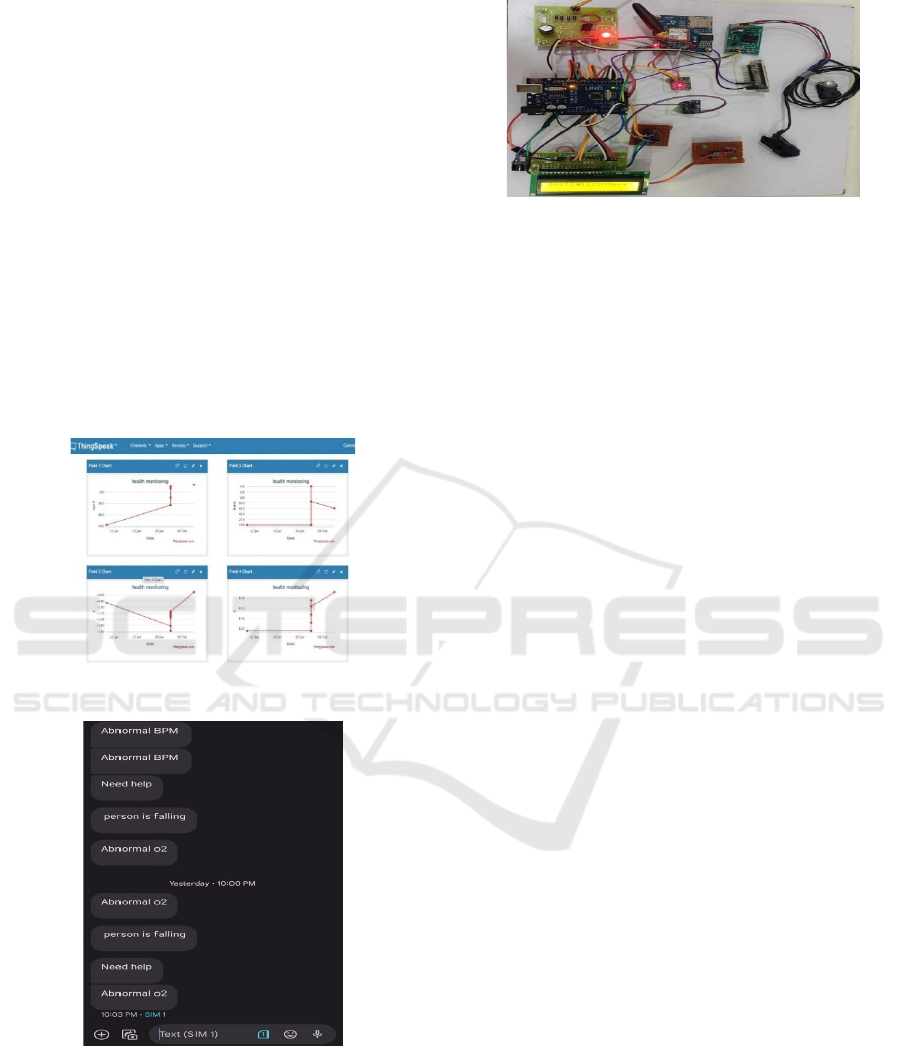
Figure 2 illustrates the Thing Speak Health
Monitoring Dashboard where real-time sensor data is
displayed. Figure 3 shows the emergency alerts
received from the user in critical situations. Figure 4
presents the complete view of the assembled health
monitoring kit.
Figure 2: ThingSpeak Health Monitoring Dashboard.
Figure 3: Emergency Alerts Received from User.
Figure 4: Total Kit.
6 CONCLUSIONS
The system proposed so far in this paper is an
effective Health tracking System which makes use of
the high-end sensing and communication
technologies to monitor and display the certain
important health parameters continuously. The
system includes several components as integrated so
that physiological data (e.g., cardiovascular activity)
and motion-related events can be monitored with
precision. The microcontroller processes the data
acquired from the sensors and the accessed data is
sent to the computer server through an internet-
enabled module; enabling the users and the medical
practitioners to gain access to real-time health data at
any moment and from anywhere via an associated
online portal. It encourages preventive care,
requiring early medical treatment
REFERENCES
Abdul Aziz Nur Shima, Kassim Murizah, Yusof Mat Ikram,
and Ruhani Ab Rahman. "A Personal Health Care
Monitoring System for Diabetic Patients Using IoT
Technology."
Azimi, I., Anzanpour, A., Rahmani, A. M., Liljeberg, P., &
Salakoski, T. (2017). A medical warning system based
on Internet of Things using fog computing.
Hu Y., Development of a Wireless Sensor Acquisition
System for Remote Nursing Applications.
Lavanya G., Divyabharathi J., and Lavanya S., (2017) "IoT-
Based Remote Prescription and Smart Home
Healthcare System."
Lokeswari, Y.V., & Kirtana, R.N. "An IoT based remote
HRV Monitoring System for Hypertensive Patients."
Pardeshi, V., Sagar, S., Murmurwar, S., & Hage, P. (2017).
A Healthcare system for IoT Application: Machine
Learning approach. International Conference on
Innovative Mechanisms for Industry Applications
(ICIMIA).
Parekh, Dhvani. (2017) "Development of Sensors for
Monitoring Heart Rate, Blood Pressure, and Body
Temperature in On-Call Systems."
Real-Time Smart Health Alert System
71
