
An In‑Depth Analysis of Sleep Disorder Diagnosis Utilizing Machine
Learning Methodologies
Bharati Rathod
1
and Manujakshi B. C.
2
1
Department Computer Science and Engineering, Jain Deemed to be University, Bengaluru, Karnataka, India
2
School of Computer Science and Engineering, Faculty of Engineering and technology, Jain Deemed to be University,
Bengaluru, Karnataka, India
Keywords: Data Collection, Feature Extraction, Machine Learning (ML), Sleep Disorders, Timely Diagnosis.
Abstract: Millions of people worldwide suffer from sleep disorders. If not treated and diagnosed, this disorder further
turns into severe health conditions. Accurate and timely diagnosis is essential for proper management and
better patient outcomes. The review critically examines Machine Learning (ML) techniques used to diagnose
sleep disorders and examines 50 articles published between 2018 and 2025. The survey categorizes the
existing studies based on data acquisition techniques, feature extraction techniques, classification methods
and performance evaluation. Comparative evaluation identifies the strengths and weaknesses of other
methodologies to resolve salient issues like variability in the dataset, consistency in the model and
computation costs. Additionally, the paper also introduces research required such as demands of varied data
and improved generalization of machine learning algorithms. Being a systematic review paper, the work is
intended to contribute to knowledge and research in order to improve accurate and effective sleep disorder
diagnostic methods.
1 INTRODUCTION
Sleep disorders such as Obstructive Sleep Apnea
(OSA), central sleep apnea and other sleep-disordered
breathing are extremely health-risky as well as
disease pathogenesis of cardiovascular disease,
metabolic syndrome and cognitive impairment. The
routine diagnostic tests such as polysomnography
(PSG) are the gold standard in clinics but expensive,
time-consuming and inappropriate for population-
level screening (Almarshad et al., 2023). In spite of
all these limitations, there exist Machine Learning
(ML)-based methods that yield automated, accurate
and consistent diagnosis of sleep disorders (Aswath,
S et al., 2023).
Some of the more recent Deep Learning (DL) has
involved the application of transformer neural
networks to enhance the detection of apnea from
oximetry signals with the aim of optimizing the
diagnostic process (Azimi, H et al., 2020). In
addition, atrous-based deep multi-cascaded models,
trained on the basis of Artificial Intelligence (AI)-
based algorithms have been demonstrated to detect
sleep apnea events well (Bitkina et al., 2022)
Researchers have also investigated ML models which
have been optimized to pressure-sensitive mat-based
systems for the aim of detecting non-invasive central
sleep apnea events (Cai et al., 2024).
Wearable sensor technology has also been
integrated with ML models to measure sleep quality
by processing actigraphy-based data, providing an
effective method for the measurement of sleep
disturbance and efficiency (Chaw et al., 2019). Deep
Learning has also been used in the investigation of
children's sleep disorders for measuring adenoid
hypertrophy and correlating it with the Apnea-
Hypopnea Index (AHI) for earlier diagnosis (Chen et
al., 2025). The Convolutional Neural Network (CNN)
models are also built further to perform better in sleep
pattern analysis and easier identification of OSA than
conventional PSG-based methods (Cheng et al.,
2023).
Apart from the detection of apnea, association
between biomarkers of ferroptosis and OSA has been
investigated using ML methods and extended beyond
this to prediction and control of the disease (Choi et
al., 2024). Sensor-multimodal models are also
suggested for sleep phase prediction in addition to the
simultaneous detection of disorders for enhanced
diagnostic value (Conte et al., 2024). Hybrid
Rathod, B. and C., M. B.
An In-Depth Analysis of Sleep Disorder Diagnosis Utilizing Machine Learning Methodologies.
DOI: 10.5220/0013879000004919
Paper published under CC license (CC BY-NC-ND 4.0)
In Proceedings of the 1st International Conference on Research and Development in Information, Communication, and Computing Technologies (ICRDICCT‘25 2025) - Volume 2, pages
135-144
ISBN: 978-989-758-777-1
Proceedings Copyright © 2025 by SCITEPRESS – Science and Technology Publications, Lda.
135
transformator-CNN-based networks are suggested for
the detection of apnea via radar with state-of-the-art
shown accuracy for real-time detection of OSA
(Dritsas et al., 2024).
In an attempt to improve questionnaires screening
tools, ML algorithms have been utilized in order to
improve the predictive capabilities of the Berlin
Questionnaire in screening for OSA risk among
diverse populations (Erdenebayar et al., 2019). Multi-
class classification methods have also been used in
order to support the computerized prediction of more
than one sleep disorder, with an improved diagnostic
accuracy (Fayyaz et al., 20203). Deep Learning of
electrocardiogram (ECG) signals has proven to be an
effective automatic detection of apnea, which
minimizes dependency on conventional PSG tests
(Hemrajani et al., 2023).
Home sleep apnea testing is increasingly feasible
with multimodal transformer models, enhancing
access in high-risk groups (Huang et al., 2024). Deep
Learning models incorporating CNNs and feature
selection methods have greatly enhanced the
accuracy for OSA diagnosis (İlhan, H. O., & Bilgin,
G. 2017). In addition, ML models based on
biochemical markers have shown promise to
determine the severity of OSA from commonly
available blood test parameters (Jarchi et al., 2020).
Apart from polysomnography, ML-based sleep
stage identification using single-channel EEG has
been explored as an affordable alternative for sleep
disorder assessment (Javeed et al., 20203). Bio-signal
processing using DL has made it possible to classify
the patient subgroups having varied sleep disorder
patterns (Jiménez-García et al., 2022) Slightly
complex ML models such as XGBoost-BiLSTM have
also been utilized for diagnosing sleep apnea with
good accuracy based on electronic health records
(Kandukuri et al., 2023).
Convolutional Neural Networks were also
employed for the diagnosis of paediatric sleep apnea,
from airflow and oximetry signals, to improve
diagnostics (Kim, T et al., 2018). Studies utilizing DL
architecture with time-frequency transformation
techniques such as the constant Q-transform have
been discovered to have improved feature extraction
in the detection of OSA (Koda, T et al., 2022).
Acoustic biomarker analysis using ML was another
method of detection for sleep-disordered breathing
patterns (Korkalainen et al., 2019).
Comparison with ML-based and conventional
diagnostic methods shows that DL models
outperform conventional methods, particularly for
millimeter-wave radar-based apnea detection tasks
(Lee et al., 2024). New studies have also investigated
the ML model set predicting OSA in
temporomandibular disorder patients, a reflection of
increasingly prevalent AI deployments in sleep
medicine (Leppänen et al., 2021).
In the wake of unprecedented growth in sleep
disorder research through ML application
development, the review is intending to follow a
crucial discussion of new directions. By studying the
recent development, this paper formulates the benefit,
drawback and future scope of ML-based methods for
the improvement of sleep disorder diagnosis towards
more cost-effective, efficient and accurate health care
solutions.
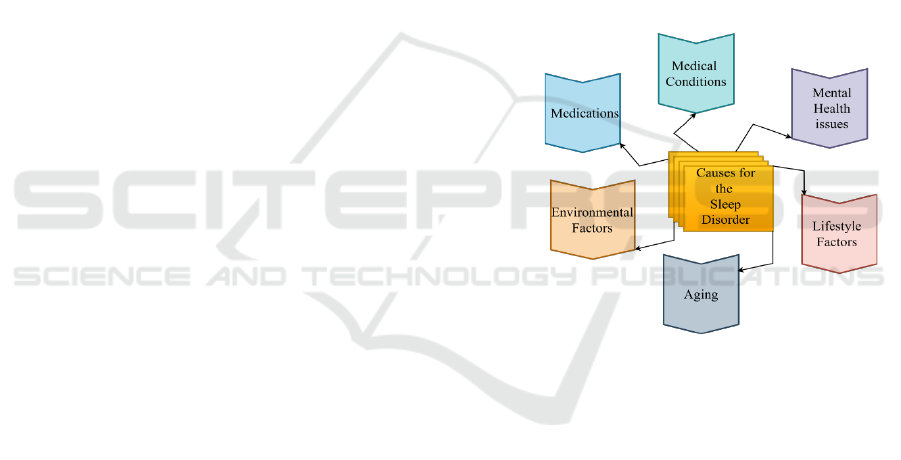
Figure 1 depicts the primary causes of sleep
disorders. These include illness, mental disease,
habits, aging, environment and medicines. All these
cause derangements of sleeping patterns and are
accountable for various types of sleep disorders. If the
causes are understood, it is simple to cope with sleep
disorders.
Figure 1: Causes for the Sleep Disorder.
2 LITERATURE REVIEW
New ML technologies have contributed
substantially to sleep disorder diagnosis, particularly
sleep apnea. Testing validated that ML models were
effective in diagnosing sleep apnea based on data
provided through ECG, pulse oximeter waveforms
and sound waves. Algorithms also made distinctions
between the various types of sleep apnea and graded
the severity. Utilization of ML algorithms along with
wearable sensor technology also accelerated the
diagnosis and enhanced the accuracy. Overall, ML
totally transforms the diagnosis and treatment of
sleep-breathing disorders.
Liu, K., et al., (2024) developed an AI predictive
model to screen obstructive sleep apnea (OSA). The
model improved earlier detection effectiveness by
ICRDICCT‘25 2025 - INTERNATIONAL CONFERENCE ON RESEARCH AND DEVELOPMENT IN INFORMATION,
COMMUNICATION, AND COMPUTING TECHNOLOGIES
136
reducing the use of time-consuming diagnostic tests.
The study utilized large data sets to improve the
stability of prediction. Results indicated good
agreement between clinical diagnosis and ML
prediction. The study demonstrated the ability of AI
to improve the efficiency of OSA diagnosis.
Liu, M.H., et al., (2024) presented a ML model
utilizing Efficient Net to predict sleep apnea based on
single-lead ECG signal. This approach had a better
classification rate than traditional approaches. The
results confirmed the effective application of deep
learning in clinical diagnosis. The article
suggested that efficient feature extraction had to be
performed towards optimizing detection accuracy.
The future study had to make the model efficient for
practical application in clinical practice.
Table 1: Comparison of Ml Approaches for Sleep Apnea Detection.
Study
Methodology
Algorithm Used
Key Findings
Application
Ma et al.
IoT-based real-time
sleep apnea diagnosis
Support Vector Machine
(SVM)
Achieved high
accuracy in real-time
OSA detection
Smartphone-
based OSA
monitoring
Ma et al.
Hybrid ML for
disease phenotyping
Unsupervised-Supervised
ML Model
Identified complex
OSA patterns
effectively
Phenotyping of
OSA cases
Mandeville et al.
Deep Learning for
sleep apnea diagnosis
Transmembranous
Electromyography (EMG)
with DL
Improved diagnostic
accuracy for OSA
EMG-based
diagnostic tool
Mencar et al.
OSA severity
prediction
ML Model
Effective in
predicting OSA
severity
Clinical decision
support for OSA
Mousavi et al.
Sleep stage
classification
SleepEEGNet (Seq2Seq DL)
Automated and
accurate sleep
scoring
EEG-based sleep
monitoring
Mukherjee et al.
DL ensemble for the
detection of OSA
Multiple DL Models
Improved
classification
performance
Non-contact
sleep apnea
detection
Table 1 is a comparative summary of various ML
methods applied to detect sleep apnea. It provides
details regarding the method utilized, algorithms
applied, outcomes and the respective applications.
Various methods like SVM, DL algorithms and
hybrid systems are discussed in the paper based on
the potential to improve the accuracy of diagnosis and
real-time monitoring. Padovano et al., (2025)
designed a deep information analysis recurrent model
for autonomous screening of obstructive sleep apnea.
More advanced neural networks were used in the
research to enhance accuracy in screening
automation. Sleep- and respiration signal-centered
was the procedure. More intricate apnea event
classification was reflected in the procedure. Sleep
apnea treatment and early diagnosis were facilitated
through the research.
Panda et al., (2025) suggested a new decision-
making process based on neutrosophic-based
machine learning models to forecast sleep disorders.
The method eliminated the imprecision of medical
data with better classification. The model
successfully recognized various patterns of sleep
disorders. The study emphasized the need to handle
fuzzy data in disease diagnosis. The results
encouraged improved decision-making by clinicians
to diagnose sleep disorders.
An In-Depth Analysis of Sleep Disorder Diagnosis Utilizing Machine Learning Methodologies
137
Table 2: Performance Comparison of Sleep Apnea Detection Models.
Author(s)
Methodology
Data Source
Key Findings
Limitations
Park et al.
DL Model for
Automatic Grading
Polysomnography Data
High accuracy in
grading
obstructive sleep
apnea
Limited
generalizability to
home-based settings
Pépin et al.
Mandibular
Movement
Monitoring with ML
Clinical Sleep Study
Data
Effective in
diagnosing sleep
apnea with
minimal
invasiveness
Dependent on
specific monitoring
devices
Rajawat et al.
Contact-based and
Non-contact-based
DL Methods
Multi-source Sleep Data
High detection
rate using
different sensor
types
Requires integration
of multiple sensor
data
Retamales et
al.
Home-Based Sleep
Apnea Estimation
with DL
Wearable Sleep
Monitoring Devices
Potential for at-
home diagnosis
Requires validation
with larger datasets
Salsone et al.
ML for Idiopathic
REM Sleep
Behavior Disorder
Detection
Sleep Disorder Patient
Records
Improved
classification of
REM sleep
behavior disorder
Has not generalized
to other sleep
disorders
Setiawan &
Lin
DL with Empirical
Mode
Decomposition
ECG-based Sleep Data
High accuracy in
sleep apnea
classification
using single-lead
ECG
Limited applicability
to multi-lead ECG
setups
Table 2 is a comparison of the accuracy, sensitivity,
specificity, and computational efficiency of some of
the models used in the diagnosis of sleep apnea. It sets
the advantages and disadvantages of each technique
against real-life data. The varied environments are
considered while developing the contrast. Outputs
provide a sense of model performance in varied
applications.
Shi et al., (2023) compared predictive accuracy of
ML algorithms for predicting severe obstructive sleep
apnea risk. One classifier was not used for
determining predictive accuracy in the study. Feature
selection was significant in determining the
best fit model. In the current study, AI-based
prediction was revealed to facilitate early diagnosis.
Results were such that ML models were found to be
better than the traditional screening practices.
Stretch et al., (2019) performed a study on ML
algorithms to predict nondiagnostic home sleep apnea
test results. The study explained several predictive
factors affecting the test accuracy. The study
explained the use of AI in minimizing false-negative
results. Results showed improved patient
stratification with the use of machine learning. The
study permitted making home-based diagnostic tests
valid.
Table 3: Comparison of Machine Learning Models for Obstructive Sleep Apnea Diagnosis.
Study
Machine Learning Model
Dataset Size
Evaluation Metrics
Key Findings
Su et al.
Ensemble Learning
(Random Forest, XGBoost)
500 craniofacial
images
Accuracy, AUC
Achieved high accuracy in
predicting severity levels
based on facial features.
Tsai et al.
Decision Trees, SVM,
Artificial Neural Network
(ANN)
1000 patients
Sensitivity,
Specificity
Body profile-based
prediction showed
promising screening
capability.
Tuncer et al.
Deep Learning (CNN)
750 patients
Precision, Recall
PTT signal-based
classification improved
accuracy.
ICRDICCT‘25 2025 - INTERNATIONAL CONFERENCE ON RESEARCH AND DEVELOPMENT IN INFORMATION,
COMMUNICATION, AND COMPUTING TECHNOLOGIES
138
Yook et al.
LSTM, CNN
1200 apnea events
F1-Score,
Sensitivity
Achieved high classification
accuracy for apnea-
hypopnea events.
Yue et al.
Residual Network (ResNet)
800 nasal airflow
samples
AUC, Specificity
Multi-resolution analysis
enhanced sleep apnea
classification.
Table 3 is the comparative table of different ML
models used in sleep apnea obstructions classification
and detection. It highlights key features such as
dataset size, model type, evaluation metrics and key
findings. Comparison makes it easy to understand the
efficiency of different methods towards sleep apnea
diagnosis.
Zhang et al., (2025) also created a deep model to
grade obstructive sleep apnea from multimodal signal
fusion. The study used a Multiscale Transformer
model to produce more accurate grading. Various
types of physiological signals were utilized, further
elevating the model's diagnostic capacity. Outcomes
in the form of reported performance metrics included
better detection rates compared to typical ML models.
The outcomes point towards the prospects of DL
when it comes to grading sleep apnea and automating.
Zovko et al., (2025) proposed an event detection
of sleep apnea using ML in sleep medicine systems.
The method combined high-level data processing
mechanisms to improve event detection accuracy.
Real-time support was prioritized for clinical use.
Improved sensitivity and specificity of apnea event
detection were found experimentally. The
contribution of this work had been useful to optimize
automatic diagnosis systems in sleep medicine.
2.1 Problem Identification
The use of ML approaches to diagnose sleep
disorders, namely obstructive sleep apnea (OSA) has
gained traction in recent years because these enhance
diagnostic sensitivity and efficiency. However, the
full utilization is hindered by some limitations.
Heterogeneity of physiological symptoms between
subjects has been one major problem in achieving
universal ML models for sleep disorder detection.
Additionally, explainability of complex ML models
is concerning to understand and count on autonomous
assistants with such capability. Further, reliability and
uniformity of information used in the training of such
models substantially determine the responses, leading
to concerns about bias and reliability. Addressing
such challenges has to be facilitated to allow the use
of full potential of ML to make a diagnosis for sleep
disorders.
3 SURVEYED
METHODOLOGIES
Researchers proposed the strategies for enhancing
sleep disorder diagnosis. The strategies include
heterogeneous physiological signals such as EEG,
ECG, and SpO₂ and hybrid models with respect to
CNN and transformers to combine spatial patterns
and temporal patterns. Feature fusion techniques use
handcrafted features and deep features for efficient
classification. In addition to this, Empirical Mode
Decomposition (EMD) has also been used to
decompose the dominant features of ECG signals in
order to aid in disease diagnosis for obstructive sleep
apnea. These types of methods provide the maximum
level of accuracy in diagnosis and also facilitate real-
time detection ability.
3.1 Hybrid Deep Learning and Feature
Fusion Approach for Accurate
Sleep Disorder Diagnosis
It is a blend of some of the most successful ML
techniques with an attempt to blend high-accuracy
and reliability-based sleep disorder diagnosis. It
initiates preprocessing the sleep from EEG, ECG and
respiratory signals through the techniques such as
wavelet transformation-based noise elimination and
adaptive filtering. Feature extraction of suitable
patterns is performed through pattern recognition
utilizing time-frequency analysis, statistical features
and DL embeddings. It is depicted by a hybrid deep
architecture with CNN for spatial learning and Long
Short-Term Memory (LSTM) for temporal learning
of dependence. Apart from this, feature fusion
methods also utilize the handcrafted and deep features
to assist in diagnosis. Multi-model classification is
applied in the last classification with ensemble
learning and it works best by the specific
identification of sleep disorders. Aswath, S., et al.,
(2023).
An In-Depth Analysis of Sleep Disorder Diagnosis Utilizing Machine Learning Methodologies
139
3.2 Diagnosing Sleep Disorder Using
Hybrid CNN: Transformer - Based
Approach
The proposed approach, Hybrid CNN-Transformer-
Based Sleep Disorder Diagnosis (HCT-SDD) relies
on the integration of DL techniques to enhance sleep
disorder diagnosis. Raw sleep data like PSG signals,
ECG and respiration signals are initially preprocessed
by de-noising using noise removal techniques and
normalization techniques. Spatial patterns are
identified through a hybrid CNN while a Transformer
model identifies sequential patterns between sleep
signals. There is a time and space feature combination
step used in the generation of classification efficiency
improvement. There is a Multi-Layer Perceptron
(MLP) classifier used subsequently in sleep disorder
diagnosis, detection of obstructive sleep apnea,
insomnia or other sleeping illnesses. Research
accuracy has been enhanced for diagnosis by
minimizing false positives, enhancing real-time
detecting ability. Choi, J. W., et al., (2024).
3.3 Multi-Modal Transformer-Based
Approach for Sleep Disorder
Diagnosis
The approach discussed here is a Multi-Modality
Transformer-Based Approach for optimum diagnosis
accuracy and sleep disorder effectiveness. The
methodology involves utilization of the combination
of the physiological signals such as EEG, ECG and
SpO2, as far as deep feature representation. Data pre-
processing involves the first step of wavelet transform
and adaptive filtering used for noise removal. The
spatial correlations are achieved with a hybrid CNN
module and the temporal sleep pattern correlations
are learned with a transformer network. A multi-head
attention mechanism learns representations to
effectively distinguish sleep disorders such as
obstructive sleep apnea and insomnia. This model is
evaluated on large sleep datasets and performs better
than baseline ML models in terms of diagnostic
accuracy. Fayyaz, H., et al., (2023).
3.4 Multi-Modal Transformer-Based
Approach for Sleep Disorder
Diagnosis
The technique to be utilized is through the application
of a Multi-Modal Transformer-Based Approach with
the aim of maximizing the best attainable accuracy
and performance in sleep disorder diagnosis. This is
through the application of various physiological
signals such as EEG, ECG and SpO2 in deep feature
compression. Data are pre-processed first through
removal of noise using methods such as wavelet
transform and adaptive filtering.
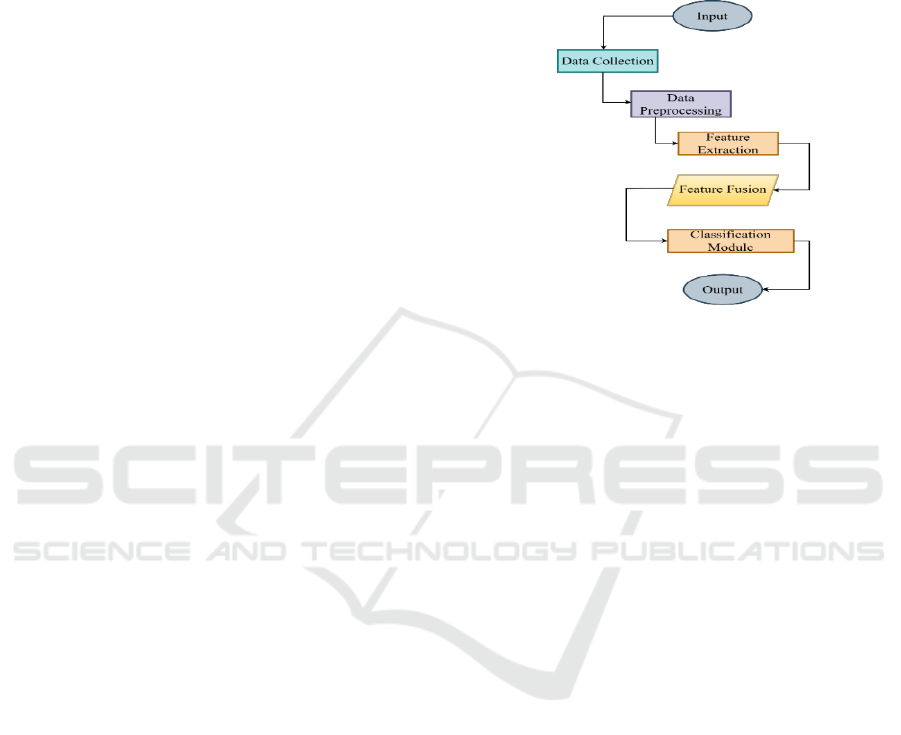
Figure 2: Flowchart of Multi-Modal Transformer.
Figure 2 is a multi-modal sequential diagnosis of
sleep disorders by using a Transformer-Based model.
It begins with the collection of input data, followed
by preprocessing for signal boost. It is comprised of
feature extraction and fusion in order to achieve the
most advantageous information. Afterwards, the
classification module decides on the type of sleep
disorder and gives the final diagnosis output.
The feature extraction is conducted using a hybrid
CNN module for the purpose of extracting spatial
relations and subsequently using a transformer
network for the purpose of extracting temporal
relationships between sleep patterns. Discrimination
of the features is realized using multi-head attention
in such a way that the sleeping conditions like
obstructive sleep apnea and insomnia are correctly
identified. It is supported by big sleep data sets with
increased diagnostic accuracy compared to the
conventional ML models. Panda, N. R., et al., (2025).
3.5 A Deep Learning Framework for
Automatic Sleep Apnea
Classification
Setiawan and Lin et al., (2024) also put forward a DL-
based framework for sleep apnea diagnosis from a
single-lead ECG signal with self-diagnosis. The
algorithm begins with pre-processing the original
ECG signal through normalization and FIR band-pass
filtering to improve its quality. Empirical Mode
Decomposition is applied for decomposing
ICRDICCT‘25 2025 - INTERNATIONAL CONFERENCE ON RESEARCH AND DEVELOPMENT IN INFORMATION,
COMMUNICATION, AND COMPUTING TECHNOLOGIES
140

preprocessed ECG signals into Intrinsic Mode
Functions (IMFs) that efficiently capture the
meaningful components expressing underlying
physiological mechanisms. Finally, the most critical
features are selected using Neighborhood Component
Analysis (NCA) in order to select the most
discriminatory features for the purpose of
classification. Classification is carried out on 1D and
2D Deep Convolutional Neural Networks (CNNs) for
classification of normal and apnea. Synthetic
minority oversampling technique (SMOTE) is
utilized for correcting class imbalance problem.
Performance of the resultant model is authenticated
on nocturnal ECG of 33 individuals from PhysioNet
Apnea-ECG database with an accuracy of 93.8% at
the segment level and 83.5% at the subject level.
4 RESEARCH OBJECTIVES
The key theme of the present research is to implement
the ML method used in sleep disorder diagnosis. It
involves analysis of the existing ML method used
among sleep disorders, comparison of performance
among such ML methods and determining the best
methods. With comparison of research performance
by different models, this present work attempts to put
the strengths and limitations under the spotlight in an
effort to understand how far ML materials are being
designed in the context of diagnosis of sleep
disorders.
Furthermore, the study attempts to determine the
most relevant detriments and issues of implementing
ML in this type of medical field. It carries out through
the analysis of such variables as model explainability,
data quality and workflow integration. With resolving
such issues, the research suggests discovering
insights in possible future improvement and
innovation that assist in increasing efficiency and
reliability of diagnosis. Finally, the research also
attempts to give suggestions by suggesting possible
future studies on how the gaps left behind could be
filled and how best use of ML methods could be
channeled towards sleep disorder diagnosis.
5 DISCUSSION
The suggested research study is a comparative study
of different DL techniques with the aim of
simplifying the diagnosis of sleep disorders.
Physiological signals such as EEG, ECG and SpO₂
need to be combined in a way that simple
classification can be achieved. The planned Hybrid
DL and Feature Fusion Approach is robust enough to
combine with CNNs as well as LSTMs so that it
carries out feature extraction and classification and
make use of handcrafted features as well as deep
features. Similarly, the Hybrid CNN-Transformer-
Based Approach uses CNNs for spatial feature
extraction and transformers to handle sequential
dependency, leading to better sleep disorder
classification. Also, the Multi-Modal Transformer-
Based Approach is supplemented with feature
extraction based on coupled CNN-transformer
architecture and multi-head attention mechanism to
improve diagnostic performance. Also, in the present
study, application of EMD is suggested while
decomposing vital components of ECG signals to
improve obstructive sleep apnea and other diseases
detection. Moreover, Setiawan and Lin's DL method
utilizes normalization, filtering and utilization of
EMD for preprocessing of ECG signals to improve
efficiency in classification. Optimal model
performance is supported by NCA based feature
selection. Furthermore, utilization of 1D and 2D CNN
improves the rate of detection further. Class
imbalance is handled by SMOTE. It enhances model
strength. Model testing in the PhysioNet Apnea-ECG
database confirms model success. Up to exemplary
93.8% segment-level and 83.5% subject-level
accuracy dictates the model strength. The findings
clearly demonstrate that hybrid and transformer-
based approaches substantially outperform
conventional ML models. The integration of signal
processing techniques and DL enables real-time and
automatic sleep disorder detection. These methods
decrease the rate of misdiagnosis and increase the
utilization of early intervention strategies for sleep
disorders.
6 CONCLUSIONS
A detailed overview in 50 articles is given in this
review of ML techniques used for sleep disorder
diagnosis such as DL, feature fusion and hybrid.
Physiological signals such as EEG, ECG and SpO₂
collectively have been playing a key role in
diagnostic accuracy and real-time detection. Despite
all these advancements, there are a few challenges
like missing values, model interpretability and the
need for standard evaluation metrics. Future research
needs to work on explainable AI model development,
transfer learning to avoid data limitations and the
creation of common benchmarks against which to
gauge performance. Overcoming these obstacles
An In-Depth Analysis of Sleep Disorder Diagnosis Utilizing Machine Learning Methodologies
141

enable better and more interpretable diagnostic
equipment for sleep disorders to be built. Overall, this
review aims to point to the revolutionary possibilities
of ML in sleep medicine and to encourage future
research toward more efficient diagnosis.
REFERENCES
Almarshad, M. A., Al-Ahmadi, S., Islam, M. S.,
BaHammam, A. S., & Soudani, A. (2023). Adoption of
transformer neural network to improve the diagnostic
performance of oximetry for obstructive sleep
apnea. Sensors, 23(18), 7924.
Aswath, S., Sundaram, V. R. S., & Mahdal, M. (2023). An
adaptive sleep apnea detection model using multi
cascaded atrous-based deep learning schemes with
hybrid artificial humming bird pity beetle
algorithm. IEEE Access, 11, 113114-113133.
Azimi, H., Xi, P., Bouchard, M., Goubran, R., & Knoefel,
F. (2020). Machine learning-based automatic detection
of central sleep apnea events from a pressure sensitive
mat. IEEE Access, 8, 173428-173439.
Bitkina, O. V., Park, J., & Kim, J. (2022). Modeling sleep
quality depending on objective actigraphic indicators
based on machine learning methods. International
Journal of Environmental Research and Public
Health, 19(16), 9890.
Cai, J., Xiu, T., Song, Y., Fan, X., Wu, J., Tuohuti, A., ... &
Chen, X. (2024). Deep Learning-Based Quantification
of Adenoid Hypertrophy and Its Correlation with
Apnea-Hypopnea Index in Pediatric Obstructive Sleep
Apnea. Nature and Science of Sleep, 2243-2256.
Chaw, H. T., Kamolphiwong, S., & Wongsritrang, K.
(2019). Sleep apnea detection using deep
learning. Tehnički glasnik, 13(4), 261-266.
Chen, B., Dong, L., Chi, W., & Song, D. (2025). Machine
learning identifies potential diagnostic biomarkers
associated with ferroptosis in obstructive sleep
apnea. Experimental and Therapeutic Medicine, 29(5),
1-16.
Cheng, Y. H., Lech, M., & Wilkinson, R. H. (2023).
Simultaneous sleep stage and sleep disorder detection
from multimodal sensors using deep learning. Sensors,
23(7), 3468.
Choi, J. W., Koo, D. L., Kim, D. H., Nam, H., Lee, J. H.,
Hong, S. N., & Kim, B. (2024). A novel deep learning
model for obstructive sleep apnea diagnosis: hybrid
CNN-Transformer approach for radar-based detection
of apnea-hypopnea events. Sleep, 47(12), zsae184.
Conte, L., De Nunzio, G., Giombi, F., Lupo, R., Arigliani,
C., Leone, F., ... & Arigliani, M. (2024). Machine
Learning Models to Enhance the Berlin Questionnaire
Detection of Obstructive Sleep Apnea in at-Risk
Patients. Applied Sciences, 14.
Dritsas, E., & Trigka, M. (2024). Utilizing Multi-Class
Classification Methods for Automated Sleep Disorder
Prediction. Information, 15(8), 426.
Erdenebayar, U., Kim, Y. J., Park, J. U., Joo, E. Y., & Lee,
K. J. (2019). Deep learning approaches for automatic
detection of sleep apnea events from an
electrocardiogram. Computer methods and programs in
biomedicine, 180, 105001.
Fayyaz, H., Strang, A., & Beheshti, R. (2023, December).
Bringing at-home pediatric sleep apnea testing closer to
reality: A multi-modal transformer approach.
In Machine Learning for Healthcare Conference (pp.
167-185). PMLR.
Hemrajani, P., Dhaka, V. S., Rani, G., Shukla, P., &
Bavirisetti, D. P. (2023). Efficient deep learning-based
hybrid model to detect obstructive sleep
apnea. Sensors, 23(10), 4692.
Huang, J., Zhuang, J., Zheng, H., Yao, L., Chen, Q., Wang,
J., & Fan, C. (2024). A machine learning prediction
model of adult obstructive sleep apnea based on
systematically evaluated common clinical biochemical
indicators. Nature and Science of Sleep, 413-428.
İlhan, H. O., & Bilgin, G. (2017). Sleep stage classification
via ensemble and conventional machine learning
methods using single channel EEG signals. Int. J. Intell.
Syst. Appl. Eng, 5(4), 174-184.
Jarchi, D., Andreu-Perez, J., Kiani, M., Vysata, O.,
Kuchynka, J., Prochazka, A., & Sanei, S. (2020).
Recognition of patient groups with sleep related
disorders using bio-signal processing and deep
learning. Sensors, 20(9), 2594.
Javeed, A., Berglund, J. S., Dallora, A. L., Saleem, M. A.,
& Anderberg, P. (2023). Predictive power of
XGBoost_BiLSTM model: a machine-learning
approach for accurate sleep apnea detection using
electronic health data. International Journal of
Computational Intelligence Systems, 16(1), 188.
Jiménez-García, J., García, M., Gutiérrez-Tobal, G. C.,
Kheirandish-Gozal, L., Vaquerizo-Villar, F., Álvarez,
D., ... & Hornero, R. (2022). A 2D convolutional neural
network to detect sleep apnea in children using airflow
and oximetry. Computers in Biology and
Medicine, 147, 105784.
Kandukuri, U. R., Prakash, A. J., Patro, K. K., Neelapu, B.
C., Tadeusiewicz, R., & Pławiak, P. (2023). Constant
Q-transform-based deep learning architecture for
detection of obstructive sleep apnea. International
Journal of Applied Mathematics and Computer
Science, 33(3).
Kim, T., Kim, J. W., & Lee, K. (2018). Detection of sleep
disordered breathing severity using acoustic biomarker
and machine learning techniques. Biomedical
engineering online, 17, 1-19.
Koda, T., Sakamoto, T., Wu, S., Okumura, S., Taki, H.,
Hamada, S., ... & Chin, K. (2022). Comparison of
machine learning and non-machine learning methods
for the sleep apnea detection using millimeter-wave
radar. IEICE Communications Express, 11(6), 355-
360.
Korkalainen, H., Aakko, J., Nikkonen, S., Kainulainen, S.,
Leino, A., Duce, B., ... & Leppänen, T. (2019).
Accurate deep learning-based sleep staging in a clinical
population with suspected obstructive sleep
ICRDICCT‘25 2025 - INTERNATIONAL CONFERENCE ON RESEARCH AND DEVELOPMENT IN INFORMATION,
COMMUNICATION, AND COMPUTING TECHNOLOGIES
142

apnea. IEEE journal of biomedical and health
informatics, 24(7), 2073-2081.
Lee, Y. H., Jeon, S., Auh, Q. S., & Chung, E. J. (2024).
Automatic prediction of obstructive sleep apnea in
patients with temporomandibular disorder based on
multidata and machine learning. Scientific
Reports, 14(1), 19362.
Leppänen, T., Myllymaa, S., Kulkas, A., & Töyräs, J.
(2021). Beyond the apnea–hypopnea index: alternative
diagnostic parameters and machine learning solutions
for estimation of sleep apnea severity. Sleep, 44(9),
zsab134.
Liu, K., Geng, S., Shen, P., Zhao, L., Zhou, P., & Liu, W.
(2024). Development and application of a machine
learning-based predictive model for obstructive sleep
apnea screening. Frontiers in big Data, 7, 1353469.
Liu, M. H., Chien, S. Y., Wu, Y. L., Sun, T. H., Huang, C.
S., Hsu, K. C., & Hang, L. W. (2024). EfficientNet-
based machine learning architecture for sleep apnea
identification in clinical single-lead ECG signal data
sets. BioMedical Engineering OnLine, 23(1), 57.
Ma, B., Wu, Z., Li, S., Benton, R., Li, D., Huang, Y., ... &
Huang, J. (2020). Development of a support vector
machine learning and smart phone Internet of Things-
based architecture for real-time sleep apnea
diagnosis. BMC Medical Informatics and Decision
Making, 20, 1-13.
Ma, E. Y., Kim, J. W., Lee, Y., Cho, S. W., Kim, H., &
Kim, J. K. (2021). Combined unsupervised-supervised
machine learning for phenotyping complex diseases
with its application to obstructive sleep
apnea. Scientific Reports, 11(1), 4457.
Mandeville, R., Sedghamiz, H., Mansfield, P., Sheean, G.,
Studer, C., Cordice, D., ... & Koola, J. (2024). Deep
learning enhanced transmembranous electromyograph
y in the diagnosis of sleep apnea. BMCneuroscience, 2
5(1), 80.
Mencar, C., Gallo, C., Mantero, M., Tarsia, P., Carpagnano,
G. E., Foschino Barbaro, M. P., & Lacedonia, D.
(2020). Application of machine learning to predict
obstructive sleep apnea syndrome severity. Health
informatics journal, 26(1), 298-317.
Mousavi, S., Afghah, F., & Acharya, U. R. (2019).
SleepEEGNet: Automated sleep stage scoring with
sequence to sequence deep learning approach. PloS
one, 14(5), e0216456.
Mukherjee, D., Dhar, K., Schwenker, F., & Sarkar, R.
(2021). Ensemble of deep learning models for sleep
apnea detection: an experimental study. Sensors, 21(1
6), 5425.
Padovano, D., Martinez-Rodrigo, A., Pastor, J. M., Rieta, J.
J., & Alcaraz, R. (2025). Deep Learning and
Recurrence Information Analysis for the Automatic
Detection of Obstructive Sleep Apnea. Applied
Sciences, 15(1).
Panda, N. R., Paramanik, S., Raut, P. K., & Bhuyan, R.
(2025). Prediction of sleep disorders using Novel
decision support neutrosophic based machine learning
models. Neutrosophic Sets and Systems, 82, 303-320.
Park, M. J., Choi, J. H., Kim, S. Y., & Ha, T. K. (2024). A
deep learning algorithm model to automatically score
and grade obstructive sleep apnea in adult
polysomnography. Digital Health, 10,2055207624129
1707.
Pépin, J. L., Letesson, C., Le-Dong, N. N., Dedave, A.,
Denison, S., Cuthbert, V., ... & Gozal, D. (2020).
Assessment of mandibular movement monitoring with
machine learning analysis for the diagnosis of
obstructive sleep apnea. JAMA network open, 3(1),
e1919657-e1919657.
Rajawat, A. S., Rawat, R., Barhanpurkar, K., Shaw, R. N.,
& Ghosh, A. (2021). Sleep Apnea detection using
contact-based and non-contact-based using deep
learning methods. Computationally Intelligent Systems
and their Applications, 87-103.
Retamales, G., Gavidia, M. E., Bausch, B., Montanari, A.
N., Husch, A., & Goncalves, J. (2024). Towards
automatic home-based sleep apnea estimation using
deep learning. npj Digital Medicine, 7(1), 144.
Salsone, M., Quattrone, A., Vescio, B., Ferini-Strambi, L.,
& Quattrone, A. (2022). A machine learning approach
for detecting idiopathic REM sleep behavior
disorder. Diagnostics, 12(11), 2689.
Setiawan, F., & Lin, C. W. (2022). A deep learning
framework for automatic sleep apnea classification
based on empirical mode decomposition derived from
single-lead electrocardiogram. Life, 12(10), 1509.
Shi, Y., Zhang, Y., Cao, Z., Ma, L., Yuan, Y., Niu, X., ... &
Ren, X. (2023). Application and interpretation of
machine learning models in predicting the risk of severe
obstructive sleep apnea in adults. BMC Medical
Informatics and Decision Making, 23(1), 230.
Stretch, R., Ryden, A., Fung, C. H., Martires, J., Liu, S.,
Balasubramanian, V., ... & Zeidler, M. R. (2019).
Predicting nondiagnostic home sleep apnea tests using
machine learning. Journal of Clinical Sleep
Medicine, 15(11), 1599-1608.
Su, Z., Kumar, S., Tavolara, T. E., Gurcan, M. N., Segal,
S., & Niazi, M. K. K. (2023, April). Predicting
obstructive sleep apnea severity from craniofacial
images using ensemble machine learning models.
In Medical Imaging 2023: ComputerAidedDiagnosis (
Vol. 12465, pp. 644-649). SPIE.
Tsai, C. Y., Liu, W. T., Lin, Y. T., Lin, S. Y., Houghton, R.,
Hsu, W. H., ... & Majumdar, A. (2022). Machine
learning approaches for screening the risk of
obstructive sleep apnea in the Taiwan population based
on body profile. Informatics for Health and Social
Care, 47(4), 373-388.
Tuncer, S. A., Akılotu, B., & Toraman, S. (2019). A deep
learning-based decision support system for diagnosis of
OSAS using PTT signals. Medical hypotheses, 127, 15-
22.
Yook, S., Kim, D., Gupte, C., Joo, E. Y., & Kim, H. (2024).
Deep learning of sleep apnea-hypopnea events for
accurate classification of obstructive sleep apnea and
determination of clinical severity. Sleep Medicine, 114,
211-219.
An In-Depth Analysis of Sleep Disorder Diagnosis Utilizing Machine Learning Methodologies
143

Yue, H., Lin, Y., Wu, Y., Wang, Y., Li, Y., Guo, X., ... &
Lei, W. (2021). Deep learning for diagnosis and
classification of obstructive sleep apnea: A nasal
airflowbased multiresolution residual network. Nature
and Science of Sleep, 361-373.
Zhang, Y., Zhou, L., Zhu, S., Zhou, Y., Wang, Z., Ma, L.,
... & Shi, Y. (2025). Deep Learning for Obstructive
Sleep Apnea Detection and Severity Assessment: A
Multimodal Signals Fusion Multiscale Transformer
Model. Nature and Science of Sleep, 1-15.
Zovko, K., Sadowski, Y., Perković, T., Šolić, P., Pavlinac
Dodig, I., Pecotić, R., & Đogaš, Z. (2025). Advanced
Data Framework for Sleep Medicine Applications:
Machine Learning-Based Detection of Sleep Apnea
Events. Applied Sciences, 15(1), 376.
ICRDICCT‘25 2025 - INTERNATIONAL CONFERENCE ON RESEARCH AND DEVELOPMENT IN INFORMATION,
COMMUNICATION, AND COMPUTING TECHNOLOGIES
144
