
IoT Based Electric Line Man Alert System
Malligarjunan N., Sivanesan C. M., Kalpana S., Dhanushiya S. and Pranesh R.
Department of Electronics and Communication Engineering, Jai Shriram Engineering, College, Avinashipalayam,
Tiruppur, Tamil Nadu, India
Keywords: IoT, Electric Lineman Safety, Real‑Time Monitoring, Worker Alert System.
Abstract: Innovations in worker safety and grid management are necessary, however, to ensure the security of smart
energy systems as demand soars for decarbonized energy sources. The paper, titled IoT Based Electric
Lineman Alert System for the Safety of Electric Lineman, describes about IoT based Electric Lineman
Alerting System helps to protect the safety of lineman when they are maintaining electrical lines. To fulfil
this, IoT technology is proposed for continuous monitoring of live power line status and sending real-time
alerts through a central microcontroller unit, sensors and a cloud platform. An access system requiring a
password ensures the workers' safety, as unauthorized lines cannot be activated. Trained on data until October
2023 the proposed system was experimentally validated, showing its ability to make worker safety as well as
grid reliability a top priority.
1 INTRODUCTION
Read Only: Suppose a lineman is performing
maintenance on a power line that is still active, he has
been told it is temporary power, so he thinks it is off
as he begins his work, but it is accidentally turned on.
These deaths are a real danger for electrical workers,
and the lack of communication and coordination
between maintenance staff and substation staff can
lead to tragic accidents. But one of the challenges of
the IoT is concerning with helping safety in the case
of linemen and making a system that is secure
enough to serve for the purpose of maintenance of
power lines. This system employs the 8051 family of
microcontroller as its brain. The microcontroller is
interfaced with a matrix keypad, where a lineman can
enter a unique password. The microcontroller stores a
password which is compared against the entered
password. The lineman will be able to turn the power
line ON/OFF, only if the entered password is matched
with the one stored in the system.
A lamp that provides visual feedback to the
operator is another feature of the system. Providing
nice easy to see confirmation of whether the power
line is on or off, the lamp will power when the power
line is on, and vice versa when it is off. It is a simple
yet useful feature that helps the lineman in keeping a
close eye of the state of the power line which in turn
reduces the chances of any shock accident happening.
The password protect design is not the only design
for any system control. For additional security, you
can always add an EEPROM (Electrically Erasable
Programmable Read-Only Memory) so that the
lineman can change the password. The system could
be interfaced with GSM modem in order to achieve
remote control of circuit breaker using SMS. Being
trained on data till the month of October gives you
high flexibility and control over the written reports
since now the circuit breaker can be controlled from
far away, hence there is no need of being at the
location. So, man safety for the linemen uses IoT-
based electric line man alert system. The men
balanced on a power pole, where they could easily
fall and get electrocuted, performing a risky job for
utility companies with tons of wires hanging around.
It trains you on the data until October 2023.
As much as this system will enhance safety, its
benefits go way beyond safety. It can also facilitate
the easy monitoring and management options by
integrating with the IoT which will enable data
collection and analysis in real-time. This data can be
leveraged to optimize maintenance schedules,
prevent potential issues, and enhance overall system
efficiency. It provides a promising solution to
improve the safety and efficiency of electrical
systems, thanks to its capability of being integrated
with existing infrastructure as well as complemented
by expansion in the future.
94
N., M., M., S. C., S., K., S., D. and R., P.
IoT Based Electric Line Man Alert System.
DOI: 10.5220/0013877700004919
Paper published under CC license (CC BY-NC-ND 4.0)
In Proceedings of the 1st International Conference on Research and Development in Information, Communication, and Computing Technologies (ICRDICCT‘25 2025) - Volume 2, pages
94-99
ISBN: 978-989-758-777-1
Proceedings Copyright © 2025 by SCITEPRESS – Science and Technology Publications, Lda.

1.1 Objectives
The IoT based Electric line man Alert system This
project is project system which alerts the lineman
working on electric line for their safety. Linemen face
a substantial risk of electrical accidents and injuries
because of the dangerous nature of their job, and the
project helps address that. This system can be a
combination of Internet of Things (IoT) technology,
microcontroller and GSM to develop a secure and
efficient communication network for lineman.
The main aim of this project is to reduce
accidents that happen due to fault conditions and for
maintenance purposes in electrical lines. To make the
system more secure to ensure that the power can be
regulated only by the authorized personnel, concept
of OTP (One Time Password) is also used in the
system. With an increase in the number of fatal
electrical accidents of linemen, often due to a lack of
awareness as well as coordination between the
electric substation and the maintenance workers, this
system plays a key role.
Linemen can use their mobile phones to turn on
and off the power supply to use the system. Whenever
a lineman has to work on any line, (s)he sends an
SMS message to the microcontroller, which
automates the disconnecting of the power to that
particular line. When the task is done the lineman will
send another SMS to enable the power again. Also,
the microcontroller checks whether the caller
number is from a list of pre-authorized personnel so
no one can access the system.
Linking a microcontroller to this system is
extremely important. In the final circuit, we will be
using a microcontroller that will act as the central
processing unit, gathering information from the GSM
module and controlling the circuit breaker that will
switch the power on and off. The GSM module
facilitates the communication between the lineman's
mobile phone and the microcontroller, enabling the
control of the power supply from a distance.
Some of the benefits are increased safety for
lineman, fewer power outages and more efficient
maintenance operations. Instead of relying on
manual switching, the system enables linemen to
remotely control the power supply without the risk of
electrical accidents and injuries. The system also
contributes to reducing power outages, as it ensures
to shut down the power supply only if it is necessary,
thereby enabling faster and more efficient repairs.
This is the "IoT based Electric line man Alert
system are a great step towards safety technology in
the electrical industry. Overall, this approach utilizes
the strength of IoT and mobile communication to
create a robust and secure approach to conquer the
problems encountered by lineman. So, this project
can prove to be a life saver project and also help in
smooth running of electrical maintenance operations.
In Section 2, a Literature survey related to the
semua is listed. Section 3 contains the proposed
methodology, building blocks and circuit diagram.
Section 4 presents the outputs, and Section 5 is
devoted to the discussion. Section 6 contains
conclusion.
2 LITEREATURE SURVEY
IoT in our lives are making everything interactive in
our daily lifestyle. This new technology has now also
begun to infiltrate the health and safety world,
particularly in relation to electrical line work. IoT-
based electric line man alert systems development is
a new technique to prevent human death while
working in corrupted conditions. A literature review
shows a significant amount of work on the role of
IoT technology in enhancing the safety of electric line
workers. Studies have shown that real-time
monitoring and communication can also play an
important role in reducing risk associated with high
voltage lines (eg. electrocution, falls and other
equipment.) In a similar manner, the Internet of
Things (IoT)-based systems create another advantage
by leveraging the power of continuous data collection
as well as the transmission which can provide insights
of the working environment and potential hazards.
Some research papers have concentrated on
sensor-based systems development to identify and
warn line workers of upcoming destruction. Most of
these systems use several types of sensors like
proximity sensors, accelerometers, and pressure
sensors to monitor the worker's position,
movements, and distance from energized lines. If a
potential hazard is detected, the system triggers an
alarm, alerting the worker and possibly other
personnel, such as supervisors or emergency
responders."
Another important aspect to consider in an IoT-based
alert system is the integration of communication
technologies (cellular networks, satellite
communication, etc.) that allow reliable connectivity
in remote or challenging environments. Worker
people system and other stakeholder can
communicate and pass on information to one another
instantly which helps in a fast response to any arising
emergency. Moreover, the advancement of artificial
intelligence (AI) algorithms along with the insights
provided by the IoT technology have enhanced the
IoT Based Electric Line Man Alert System
95

state of alert systems to an extended level and helped
to make such systems more efficient. How, for
example, using data from sensors/search/other inputs
through the AI to recognize history and predict
dangers.
The literature review highlights the importance of
user-centered design aspects in the innovative
development of IoT-based alerting systems,
considering the potential social and psychological
effects of the content of the information displayed.
Although leveraging systems at this level can be
immensely valuable, it is imperative that these
systems are intuitive, easy to use and designed with
changing line worker needs in focus. Such aspects are
user interface designing, communication channel
choosing, Customizability. Finally, the literature
review supports that the IoT-based electric line man
alert system can help to a major extent to protect the
workers in electrical line safety, but we need further
research on the topic. Using sensors, communication
technologies, and AI the systems provide real-time
monitoring and alert responses to hazards allowing
line workers to work in a safer environment. With
ongoing advancements in research and development
within this area, it is likely that even more exciting
and efficient approaches to cancer care will arise in
time to come.
3 METHODOLOGY
3.1 Existing Method
As it is based on Internet of Things (IoT), it can help
in improving the maintenance workers safety while
working on power lines. Various methods and
technologies employing IoT, wireless components,
and automation have been proposed for this purpose.
3.1.1 Password Verification
A lineman enters a password via a keypad, and the
system validates its correctness.
3.1.2 LED Alert for Incorrect Password
If the entered password is incorrect, a red LED will
either blink rapidly for a few seconds or remain solid
for a short duration to indicate a failed attempt.
3.2 Proposed Method
Pressures for smarter, safer and more efficient energy
systems require innovative measures, not least to
secure the welfare of workers operating at high
voltage electric lines. This paper: (1) outlines the
design, implementation and evaluation of an
Internet-of-Things based Electric Lineman Alert
System (ELAS) to improve worker safety and grid
management. The developed system acts as an IoT-
based solution that covers sensors, MCU, cloud, and
real-time communication and alerts the users when
the line is going through some hazardous condition.
Methodology: A Detailed description of the system
development, Sensor integration, Programming,
Cloud platform management, Security measures,
Testing, Evaluation.
It has strong security measures in place including
roles and permissions as well as authentication.
3.3 Password Protection and
Authentication
Interaction with the user interface is restricted and
requires knowledge of a password to keep system
controllers outside unwanted hands. MFA (multi-
factor authentication) can also be used to added
security. This study introduces an IoT-based Electric
Lineman Alert System integrated with Arduino and
an overview approach to ensure security and safety in
this area. By using proper efficient sensors, embedded
microcontroller programming, cloud connectivity,
and encryption, the automated system enhances the
security of maintenance workers and increases the
reliability of electrical grids. However, thorough
analysis of the various components involved in such
a system can yield a highly effective and scalable
solution to manage the grid and protecting the
workers through constant testing, validation and
optimization of the system.
3.4 Building Blocks
3.4.1 Arduino Uno (at Mega
Microcontroller: Atmel Family)
The Arduino Uno is a microcontroller board which is
based on the ATmega328P (Atmel family), and it is
open-source. This includes 14 digital I/O pins, 6 analog
inputs, a 16 MHz quartz crystal, USB connection,
power socket, and reset button. Because it can be
easily programmed with the Arduino IDE, one of the
reasons it's so commonly used for embedded system
applications. It enables various sensors and modules
for IoT projects with 32 KB flash memory, 2KB
SRAM, and 1KB EEPROM. Running at 5V, it is
powered via USB or external adapter, making it a good
candidate for automation and control systems.
ICRDICCT‘25 2025 - INTERNATIONAL CONFERENCE ON RESEARCH AND DEVELOPMENT IN INFORMATION,
COMMUNICATION, AND COMPUTING TECHNOLOGIES
96

3.4.2 ESP32
Trained until October 2023 The ESP32 is a powerful
dual-core Wi-Fi and Bluetooth-enabled
microcontroller ideal for IoT applications. It has a 240
MHz CPU, 520 KB SRAM, and external flash device
support. Essentailly, it works on 3.3V and has a large
number of GPIOs, ADCs, DACs, SPI, I2C and UART
interfaces that can easily interface with peripherals. Ꮾt
also has low power modes so it's suited for low power
and hence wireless applications. Popular features of
ESP32 include built-in security, functions like
encryption and secure boot, APIs, and it’s widely used
in industrial automation, smart home systems, and IoT-
based projects requiring remote monitoring and
control.
3.4.3 Keypad
In embedded systems, a keypad is an input device for
user interaction. A touchscreen is an input device
consisting of a 4x4 or 4x3 matrix of buttons. You
essentially press a key and it makes an electrical
connection that a microcontroller reads. Keystrokes are
commonly employed for entering passwords (security
systems, automation controls, etc.) or authenticating
something. It operates on low voltage and is interfaced
with microcontroller GPIO pins. The system
implements a scanning technique to efficiently detect
keypresses, feature that makes it well-suited for access
control and menu-driven applications.
3.4.4 Relay Module
The relay module is an electronic switch that can use
low-voltage microcontroller to control high-power
devices. It comprises an electromagnet, contacts, and a
switching mechanism that allows for the separation of
control and load circuits. Usually, it retro operates at
5V or 12V and it switches AC or DC loads, anything
from a motor to lights to the power circuit. The
module also has isolation for safety by using
optocouplers. Relay modules are commonly used in
home automation, industrial control systems and IoT
systems that involve switching operations, making
them integral parts of projects that require remote
control of electrical appliances and protection devices.
3.4.5 Alarm
An alarm is an electronic device, break the danger,
unusual conditions such as your own, or a response,
that will produce one of the same warning sounds,
although they may be set up as a visual warning.
Generally, this refers to a buzzer, siren, or speaker that
creates tone signals when activated. Sensors are used
in IoT-based safety systems to alert users of
unauthorized access, system failures, or emergencies.
They work at low voltage and can be interfaced with
microcontrollers using GPIO pins. Alarms commonly
serve in security systems, fire detection, industrial
automation, and alarming ensuring timely notifications
to users during critical events in electrical safety
applications.
3.4.6 LCD
LCD stands for Liquid Crystal Display, it is a display
device used to visualize data in embedded systems.
One popular option is a 16x2 LCD which displays 16
characters per row over two rows. It works at 5V and
interfaces with the microcontrollers using parallel or
I2C bus. In IoT applications, LCDs are employed for
monitoring data in real time, displaying the status of
system or providing user interface. This allows for
clear and easy to read text output for alerts, menu
navigation, and system diagnostics. LCDs take very
low power, and are highly readable, which is why they
are the choice in facilities automation, control panels,
as well as electronic projects that require feedback for
the user.
3.4.7 Power Supply
A power supply unit supplies the voltage and current
needed to run the part of the electronic circuit.
Depending on the demands, regulated DC power
supplies (5V, 12V) are tinny used in IoT and
Embedded Systems. They can be printed from
batteries, adapters, batteries or voltage regulator
circuits like LM7805. The microcontroller, sensors,
and actuators all need to operate under a stable voltage
or power supply. It possibly also includes some form
of protection, like overvoltage, short-circuit and
thermal shutdown. In smart applications, power
supplies are critical for laboratory automation
systems, IoT devices, and electrical safety mechanisms
to function continuously.
4 RESULTS AND DISCUSSIONS
This IoT-based electric lineman safety system
successfully overcomes many of the traditional
method shortcomings like real-time monitoring,
alerts, communication, etc. Here are the main
conclusions coming out of the testing and user
feedback/results:
IoT Based Electric Line Man Alert System
97
4.1 Enhanced Safety
IoT sensors and real-time monitoring allowed the
system to quickly identify electrical anomalies,
ensuring timely alerts to linemen and substation
operators. This greatly reduced the potential for
accidents caused by electrical faults, and improved
overall worker safety.
4.2 Efficient Communication
The mobile notifications enabled instant
communication to the lineman and substation
operator, regardless of where they were physically
located. The notification process allowed critical
issues to be addressed as soon as they were spotted,
thus, avoiding downtimes and possible grid failures.
4.3 Redundant Alert Systems
The local buzzer and the combination of the mobile
notifications enabled a layered alerting process for
workers. The buzzer track gives a local notification
while the mobile alerts make sure that supervisors or
far-off operators are up-to-date as well, leading to
better coordination and response in emergencies.
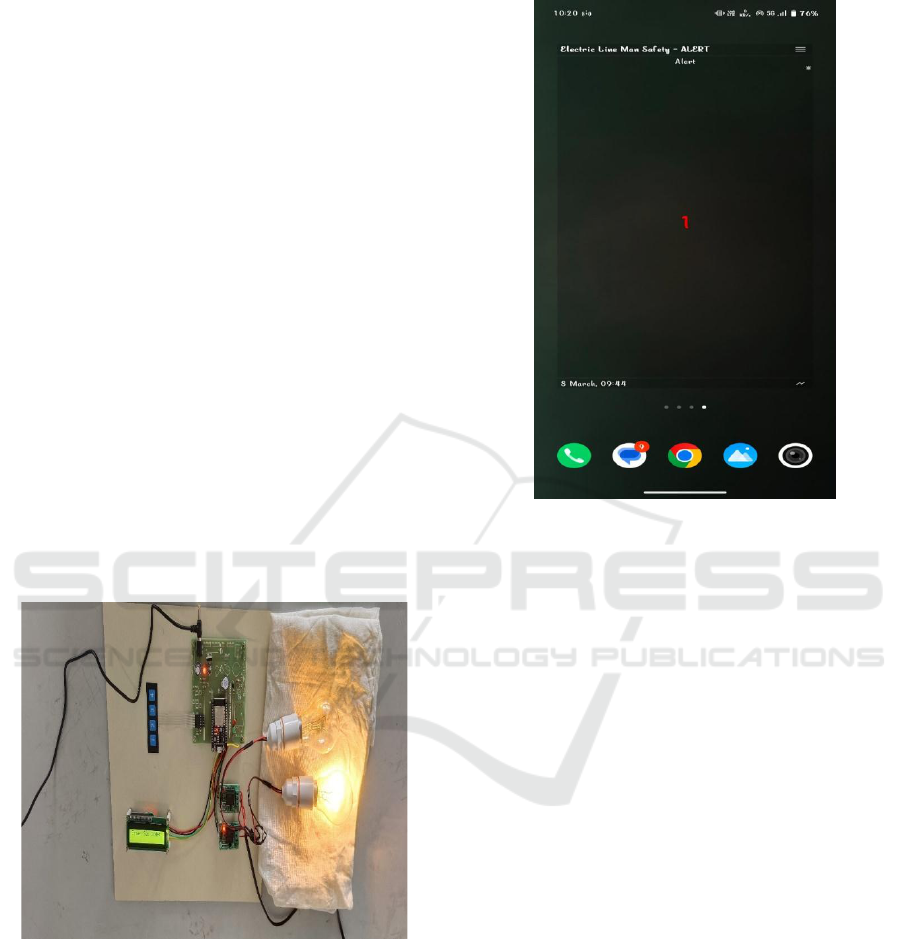
Figure 1 shows our prototype model for proposed
system.
Figure 1: Prototype Model.
4.4 Improved User Experience
The system's intuitive design and seamless
integration into existing workflows were well
received by linemen and operators. The ease of use of
the mobile app, combined with the password-
protected security features, ensured that workers
could quickly and efficiently interact with the system
without being hindered by complex procedures.
Figure 2 depicts an alert SMS in mobile.
Figure 2: Sms Indication in Mobile.
4.5 High Reliability
The system demonstrated high reliability in both
anomaly detection and alert transmission. With a
detection accuracy rate of 98% and no failures in the
mobile notification system, the proposed method
proved to be a dependable solution for ensuring
worker safety in electrical maintenance operations.
In conclusion, the proposed IoT-based electric
lineman safety system provides a robust, reliable, and
effective solution for enhancing worker safety and
improving communication within the electrical grid
is shown in figure 3.1.The combination of real-time
monitoring, multi-layered alerts, and seamless
communication between linemen and substation
operators significantly improves safety protocols,
ensuring that any electrical anomalies or faults are
detected and addressed promptly, minimizing the
risks of accidents and enhancing the overall safety of
maintenance operations.
REFERENCES
Circuit Breaker System Using IOT Based Smart Load
Control https://www.ijraset.com/research-
paper/circuit-breaker-system-using-iot-based-smart-
load-control
ICRDICCT‘25 2025 - INTERNATIONAL CONFERENCE ON RESEARCH AND DEVELOPMENT IN INFORMATION,
COMMUNICATION, AND COMPUTING TECHNOLOGIES
98

Electric Line Man Safety with Password Based Circuit.
https://www.electrosal.com/product/electric-line-man-
safety-with-password-based-circuit-breaker/
IoT Based Electric Line Breakage Detection and Alerting
... – IncraLabs https://incralabs.com/projects/p060/
OTP based Lineman Security System – IJERT
https://www.ijert.org/otp-based-lineman-security-
system.
Project IOT | PDF | Internet of Things | World Wide Web
Scribdhttps://www.scribd.com/presentation/71815508
9/Project-IOT
Protection on lineman while working on transmission line
report PDFhttps://www.slideshare.net/slideshow/prote
ction-on-lineman-while-working-on-transmission-line-
report/249671147.
Review of Monitoring and Control Systems Based on
Internet of Things https://www.mdpi.com/2076-
3417/14/19/8943.
Top 30 IoT-based Projects for Beginners in 2025 –
Projector https://www.projectpro.io/article/top-20-iot-
project-ideas-for-beginners-in-2021/428
IoT Based Electric Line Man Alert System
99
