
Edge AI-Driven Microfluidic Platform for Real-Time Detection and
Classification of Microplastic Particles in Environmental Samples
Badugu Vimala Victoria
and Kamil Reza Khondakar
School of Technology, Woxsen University, Kamkole, Hyderabad 502345, Telangana, India
Keywords: Edge AI, Microplastic Detection, YOLOv5, Gradient Boosting Classifier, Environmental Monitoring.
Abstract: Microplastics have become a major concern in our daily life, affecting the environment and health and as
such, requiring advanced detection techniques. Existing methods of microplastics detection are manual and
require sophisticated laboratories. This project intends to solve those problems by developing a real-time
microplastic detection system based on Edge AI on an NVIDIA Jetson Nano system. Computer Vision is
integrated with a new YOLOv5 Object Detection and Gradient Boosting Classifier (GBC) hybrid algorithm
which classifies microplastic particles into different classes based on shape, size, color, texture, and shape as
well as a classifier combining GBC features. Detection accuracy is further improved with ensemble learning
methods such as bagging, boosting and stacking. For deploying the model at the edge, the hybrid model is
optimized using Tensor RT quantization which offers real-time analysis for the Jetson Nano. The system is
tested for accuracy, precision, recall, and F1 score against manual identification using a microscope.
Comprehensive data logging and visualization interface is developed to track microplastic pollution in real
time for other environmental health purposes.
1 INTRODUCTION TO
MICROPLASTIC POLLUTION
AND DETECTION
CHALLENGES
The paper details design steps of an AI camera
enabling real-time microplastics detection with 97%
accuracy in the lab and 96% in the field, applying
YOLOv5 for detection and Deep SORT for tracking
across different environments (
Sarker et al., 2021).
The paper details an AI-assisted nano-DIHM system
for real-time nano plastic detection in water
identifying 2% of particles from Lake Ontario and
1% in the Saint Lawrence River as
nano/microplastics without sample preparation and
providing thorough physicochemical characterizati-
on (
Wang, Zi et al., 2024). The paper discusses the
development of a sensor that integrates an estrogen
receptor grafted onto gold surface and an AI
algorithm for identification of nano- and
microplastics in water, achieving 90.3% success in
differentiating materials and dimensions of the
particles (
Li, Yuxing et al., 2024).This paper discusses
a mostly sensitive and reusable SERS-based
approach for detecting micro/nano plastics using two
-dimensional AuNPs thin films, contrasting both
imaging and AI systems presented in reference (Dal
et al., 2024)
. This paper presents the implementation
of deep learning techniques for the detection of
microplastics, obtaining 100\% success rate with
varying wavelengths lasers focused on polystyrene
and melamine micro particles in water (
Han, Jiyun
Agnes et al, 2024)
. This paper details the creation of a
nano-digital inline holographic microscope (nano-
DIHM) for the purposes of real-time monitoring of
micro/nano plastics in freshwater using deep
learning through detection and tracking of plastic
particles to improve life cycle analysis of plastic
waste in water (
Wang, Xinjie et al, 2024). This paper
proposes a novel low cost and rapid detection of
microplastics using Nile Red fluorescence for in-situ
deployment in the ocean, enabling the much-needed
real-time analysis of microplastics which remains
unsolved by current methods (
Ye, Haoxin et al, 2023).
This paper highlights the development of a multi-
technique analytical platform for the detection,
characterization and quantification of nano plastics
in water using AF4-MALS and Py-GC/MS,
advancing the state of the art with detection limits of
0.01 ppm and filtration conditions for high recovery
rates(
Valentino, Maria Rita et al., 2023).The emphasis
652
Victoria, B. V. and Khondakar, K. R.
Edge AI-Driven Microfluidic Platform for Real-Time Detection and Classification of Microplastic Particles in Environmental Samples.
DOI: 10.5220/0013870800004919
Paper published under CC license (CC BY-NC-ND 4.0)
In Proceedings of the 1st International Conference on Research and Development in Information, Communication, and Computing Technologies (ICRDICCT‘25 2025) - Volume 1, pages
652-664
ISBN: 978-989-758-777-1
Proceedings Copyright © 2025 by SCITEPRESS – Science and Technology Publications, Lda.

is placed on AI's synergy with microfluidics towards
the development of water cleaner or sensor devices,
including sophisticated methods for juniors like
heavy metals or microalgae, and describe issues and
prospects of these technologies towards water
quality assessment monitoring (
Zhang, Shouxin et al.,
2024). The work deals with microfluidic sensors for
the detection of emerging contaminants and
describes the benefits compared to conventional
ones such as speed of analysis, small amounts of
samples, and the possibility of field work and other
detection methods and future problems in this
discipline (
Ajakwe, S. O. et al, 2023). The work deals
with the problem of the onsite water contamination
detection using microfluidic technology, stressing
features of this technology in comparison with
conventional ones. It presents results of
investigations on microfluidic sensors for
monitoring chemical and biological contaminants
and considers problems and prospects of water
quality monitoring automation (
Khurshid, Aleefia A. et
al, 2024)
. The report centers around the incorporation
of IoT wireless technologies and Machine learning
for the rest of the processes, discussing others like
LP WAN, Wi-Fi, and Zigbee while looking into
supervised and unsupervised ML for correct
interpretation and to enable sensible decisions
(
Charalampides, Marios et al, 2023).
The paper reviews advancements in microfluidic
technology for water quality monitoring,
emphasizing its potential to enhance accuracy,
portability, and affordability, addressing global
water challenges. It highlights the development of
innovative monitoring kits and optimization of
existing techniques (
Arepalli, Peda Gopi, and Co-
Author., 2024).
1.1 Research Gaps
Microplastics are being considered as a new and
emerging environmental pollutant with potential
implications for human health, marine ecosystems,
and water quality. Despite this growing recognition,
existing techniques for detecting and analyzing
microplastics have major limitations. Traditional
methods involving microscopy-based identification,
spectroscopy (FTIR/Raman), and chemical analysis
are highly accurate, but these methods often take a
long time to generate results, require considerable
human intervention, and have expensive laboratory
equipment. Such methods are infeasible for large-
scale environmental monitoring and lack potential
for real-time data analysis, particularly in remote or
resource-constrained environments.
While recent progress in machine learning and
computer vision have paved the way for automating
microplastic detection, previous methods mostly rely
on cloud processing or require high-performance
computing hardware. This reliance on cloud
resources also brings about latency, requires an
always-on internet connection, and may create
privacy issues. Also, current state-of-the-art deep
learning-based microplastic detection model fail at
efficiently detecting small objects, the high
variability of size and shape of the particles, and at
low-texture and low-color recognition heterogeneity.
This will highlight the absence of a solid real-time
edge-based solution able to be in charge of such
problems indeed, this is a considerable gap in the
state of the art.
1.2 Problem Identification
The main issue this study tackles is the need for an
edge-based microplastic solution that is both
scalable and efficient in real-time detection and
classification of microplastic particles. Some of the
Key Issues Include of Manual Techniques which are
Microscope and Spectroscopy they give an accurate
result but these manual techniques are not practical
for real time monitoring as the processing time of
these techniques is high and also, they are
operational expensive These techniques are not
appropriate for issue at scale, continuous analysis of
the atmosphere, which makes them less realistic in
their actual use cases. Current AI-based detection
systems mostly run in the cloud—this adds latency
and requires a stable internet connection, which is a
problem for edge or remote deployment. Deep
learning models in current systems do not do well in
detecting microplastics that have complex kinds of
shapes, sizes, and textures, leading to a very high
rate of false positive or missed detections. Most
detection algorithms are computationally expensive
and require advanced hardware, which is impractical
in a low resource edge device like the NVIDIA
Jetson Nano. Thus, some model optimization
methods are crucial for real-time classifying
efficiently without losing the accuracy.
1.3 Objective
1. Aim: To create a real-time microplastic
detection system by using Edge AI using a
combination of the Jetson Nano and water
samples, for easy and fast detection of
microplastics in a water sample.
Edge AI-Driven Microfluidic Platform for Real-Time Detection and Classification of Microplastic Particles in Environmental Samples
653
2. To combine computer vision and machine
learning models, based on the hybrid algorithm
YOLOv5 + GBC, for the classification of
microplastic particles, according to size, shape,
color, and texture.
3. To deploy ensemble learning methods, such as
bagging, boosting, and stacking, to improve
detection accuracy and minimize error rates.
4. To quantize and optimize the hybrid machine
learning model with Tensor RT in order to
deploy it to run HTTP requests on the Jetson
Nano at the edge with real-time performance.
5. To compare the performance of the system by
the manual microplastic identification under the
microscope, and evaluate the parameters
accuracy, precision, recall and F1 score.
6. Create a data logging and visualization interface
for the real-time monitoring and tracking of the
microplastic pollution levels for broader
applications in the environmental health.
2 SYSTEM ARCHITECTURE -
JETSON NANO AND EDGE AI
IMPLEMENTATION
One of the main environmental hazards is
microplastics, hence consistent detection methods
are required. The aim of this work is to develop an
original real-time detection system on NVIDIA
Jetson Nano utilizing Edge AI. Included for
improved analysis is cloud computing. Typical
microplastics like PE, PP, PS, and PVC are found by
the high-resolution camera module included into the
system architecture. This program images water
samples containing microplastics. Microplastics
differ in size, form, and texture and call for delicate
techniques of detection. Microplastic visibility is
improved by preprocessing the Jetson Nano's
photographs using noise reduction and contrast
correction. First object-detected with YOLOv5 are
the better photos. Forecasting bounding boxes and
confidence scores allows this computer rapidly
identify microplastic particles. Following
identification, items are sent to the cloud using
MQTT protocol to guarantee quick communication.
Hybrid deep learning models using YOLOv5 and
Gradient Boosting Classifier complete cloud-based
categorization. Through particle size, shape, color,
and texture, the GBC can separate PE, PP, PS, and
PVC microplastics. This facilitates classification.
While Tensor RT optimizes real-time inference,
ensemble learning techniques include bagging,
boosting, and stacking increase detection accuracy.
Free, open-source Grafana software offers real-time
microplastic contamination dashboards. Grafana
provides the peripheral device's final classification.
In many aquatic ecosystems, edge artificial
intelligence, cloud computing, and real-time
visualization offer scalable, accurate microplastic
detection and classification. This approach lowers
plastic waste and advances environmental health as
well.
Edge artificial intelligence on the NVIDIA
Jetson Nano detects microplastics in real time.
Renowned for its strong GPU, the Jetson Nano was
selected for its edge device features and great
computational efficiency. The several components
of architecture are as follows: The Jetson Nano is a
small but mighty environment for real-time deep
learning model running with its Quad-core ARM
Cortex-A57 CPU and 128-core Maxwell GPU.
High-resolution cameras commonly record live
water sample videos.
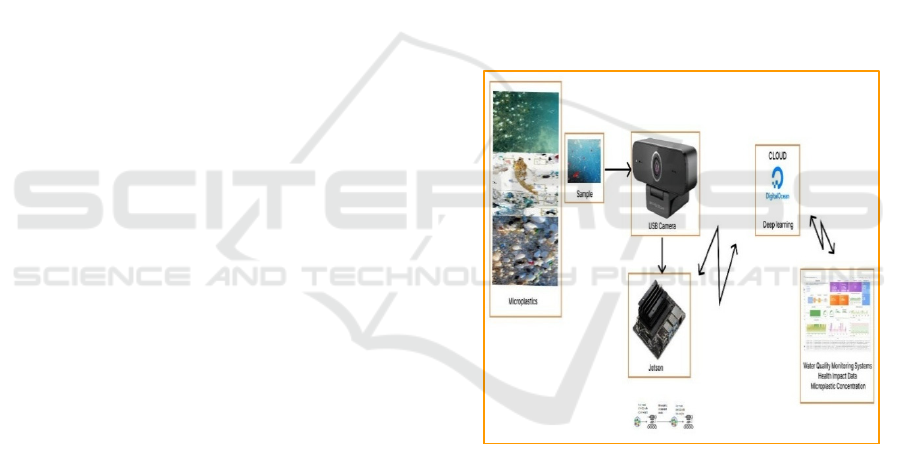
Figure 1: Automated Microplastic Detection and
Monitoring System Using Edge Computing and Cloud-
Based Deep Learning.
Figure 1 displays a microplastic detection and
monitoring system driven automatically. This
technology leverages cloud-based deep learning
along with hardware. This method tackles the
environmental effects of microplastic contamination
in aquatic environments as well as its increasing
issue. The pipeline calls for cloud computing, data
processing, real-time analysis, and sample
collecting. Using a USB camera, visually inspected
microplastic samples from many sources of ambient
water. Local inspection of the high-resolution
images of the samples is conducted utilizing an
ICRDICCT‘25 2025 - INTERNATIONAL CONFERENCE ON RESEARCH AND DEVELOPMENT IN INFORMATION,
COMMUNICATION, AND COMPUTING TECHNOLOGIES
654

NVIDIA Jetson edge device. Renowned for its
strong GPU, the Jetson device compiles features
from images. This system detects microplastics in
images in real time using computer vision
technologies. The images are preprocessed to
accentuate microplastics following collecting. This
method lowers noise and raises contrast. On the
Jetson Nano, a first-rate machine learning model
manages the local video feed. This approach speeds
detection by removing cloud-based processing,
hence lowering latency. The computer vision model
finds, classifies, and counts microplastic particles in
the video stream in real time. This is under active
inference. User interaction uses a GUI. This
interface displays real-time visuals, statistical
analyses, and microplastic detecting findings.
On the microfluidic substrate, the system grabs
water sample images using a high-resolution camera
module. Microplastic viewing including one-
millimeter particles is maximized with camera
location. Images are transferred straight after
collecting to the NVIDIA Jetson Nano for local
preprocessing analysis. The camera system could
have LED or dark-field illumination added to
increase microplastic particle visibility. On the
Jetson Nano, raw camera module images are
processed using edge detection, noise reduction, and
contrast correction. These techniques enhance
microplastic detection, which organic debris or
water turbidity might obscure. Enhanced images
identify microplastic particles in real time for object
detection using an initial inference model
(YOLOv5). This phase lowers data size to maximize
bandwidth and latency before transmitting data to
the cloud. The technique picks out a range of aquatic
microplastics, including: These lightweight
polymers find use in consumer products and
packaging. Usually they are transparent or semi-
translucent and asymmetrical. Sphere microplastics
find application as fillers in cosmetics. Their surface
is flat and they are either white or vividly coloured.
A denser plastic applied in building and pipelines.
Identification is grounded in variations in color and
texture. Once found on the Jetson Nano, MQTT
sends the augmented picture data to the cloud for
additional processing. The YOLOv5 + Gradient
Boosting Classifier (GBC) hybrid technique allows
the cloud-based deep learning model on
DigitalOcean to classify more broadly. To find PE,
PP, PS, and PVC microplastics the deep learning
model employs size, shape, color, and texture. In the
cloud model, bagging, boosting, and stacking help to
raise detection accuracy. The hybrid approach
aggregates GBC's broad feature analysis with
YOLOv5's quick detection. For effective cloud
inference and strong detection accuracy, both
models leverage Tensor RT optimization. Open-
source monitoring tool Grafana shows cloud to
Jetson Nano classification findings. Real-time
microplastic amount, size distribution, and
classifications found in Grafana dashboards
Tracking contaminants and finding trends helps
users support environmental evaluations and
decision-making.
Grafana dashboards reveal microplastics' types
and concentrations. Real-time display of water
quality, microplastics, and health impacts on the
dashboard Using this visualization tool,
environmental authorities and researchers may
monitor trends and pinpoint pollution hotspots,
therefore facilitating speedier policy decisions and
actions. Edge computing and cloud-based deep
learning underpin a complete microplastic pollution
monitoring system. Using NVIDIA Jetson locally
preprocessing lowers latency and cloud computing
load. A strong training set lets a deep learning
network raise detection accuracy. Real-time
visualization from Grafana guarantees stakeholders
quick access to important data, therefore facilitating
more thorough environmental health assessments.
This approach provides scalable, dependable,
efficient means of globally addressing microplastic
contamination. Further more feasible are better
environmental monitoring and other mitigating
strategies.
3 MODEL DEVELOPMENT:
YOLOV5 + GRADIENT
BOOSTING CLASSIFIER (GBC)
HYBRID ALGORITHM FOR
MICROPLASTIC
CLASSIFICATION
To create a strong and efficient model for
microplastic detection, the combination of advanced
deep learning methods and conventional machine-
learning approaches is needed. Here, a hybrid
algorithm is proposed that combines the speed and
robustness of YOLOv5 with refined feature-based
classification created via Gradient Boosting
Classifier (GBC).
This hybrid approach is designed to address the
limitations of existing methods and meet the specific
requirements of real-time detection on resource-
constrained edge devices like the Jetson Nano.
Edge AI-Driven Microfluidic Platform for Real-Time Detection and Classification of Microplastic Particles in Environmental Samples
655

3.1 Dataset Preparation
Start with a big, varied dataset to build a consistent
detecting system. The dataset consists on high-
resolution pictures of water samples including
different microplastics. Images are captured by a
camera module built on the microfluidic device.
Data collecting is thus constantly of high quality.
The images reveal microplastics in many shapes,
colors, textures, and sizes. False alarms could result
from biological waste and photo bubbles.
Methodical annotations of every image assist to
build a model-training set. Labeling microplastics
requires hand building boundary boxes and
providing labels depending on their look.
3.2 Yolov5: Real-Time Object
Detection
The hybrid approach begins with a fast and efficient
object identification model called YOLOv5. For this
use YOLOv5's one network trip for object
identification makes perfect. This quickens it. This
single-stage approach allows the model estimate
from the input image bounding boxes and class
probabilities. This lets the model avoid two-stage
detector complexity and delay, much as Faster R-
CNN does.
One main advantage of YOLOv5 for
microplastics identification is its small object
detecting ability. Standard detection methods find
microplastics difficult given their small scale. This is
the reason the lightweight variant of YOLOv5
(YOLOv5s) was selected: it runs efficiently enough
on edge devices like the Jetson Nano while
balancing speed and accuracy. Using a CNN
backbone, the model compiles pertinent information
from input images. This allows the model spot
microplastics. Deep learning and traditional machine
learning are combined in the YOLOv5 + Gradient
Boosting Classifier (GBC) hybrid technique for
microplastics identification and classification. The
main equations of the hybrid model are reported in
this work. Among these equations are ensemble
learning, feature extraction, and object
identification.With four parameters—x and y for
center coordinates, w and h for remaining
dimensions YOLOv5 generates a bounding box for
every item. W and h mark the width and height of
the bounding box.
The objectness score Po is calculated as:
Po = σ(so) (1)
The class probabilities Pc are calculated using
softmax activation:
Pc = Softmax(sc) (2)
The final confidence score C is:
C = Po × max(Pc) (3)
The Complete Intersection over Union (CIoU) loss
for bounding box regression is given by:
CIoU = IoU - (ρ²(b, bgt) / c²) - α (v / (1 - IoU) + v)
(4)
where: IoU is the Intersection over Union of the
predicted box b and the ground truth box bgt.ρ is the
Euclidean distance between the center of the
predicted and ground truth boxes.c is the diagonal
length of the smallest enclosing box.α is a weight
parameter.v is a measure of the aspect ratio
similarity.The use of CIoU helps the model learn
better bounding box predictions by accounting for
both spatial and aspect ratio differences.The training
of YOLOv5 is performed using the prepared dataset,
with the model learning to detect microplastics
based on the labeled bounding boxes. During
training, several optimization techniques are
employed, including learning rate scheduling to
adjust the learning pace and early stopping to
prevent overfitting. Loss functions like Binary
Cross-Entropy Loss for classification and Complete
Intersection over Union (CIoU) Loss for bounding
box regression help the model make precise
predictions.
3.3 Feature Extraction for Gradient
Boosting Classifier (GBC)
Although YOLOv5 can identify microplastics, it
could overlook subtle characteristics required for
classification. This information comes in handy
when particles seem identical. The zone features of
YOLOv5 help to tackle this problem before applying
the Gradient Boostering Classifier. This level allows
the model to detect microplastics derived from
different material. Features can be extracted by
means of particle characteristics analysis. The
particle's perimeter, area, and diameter matter. These
qualities set microplastics apart. Aspect ratio,
eccentricity, and circularity set spherical microbeads
apart. These gauges expose particle form. Standard
deviation and mean of the RGB color channels
define the color profile of the particle. Given their
ICRDICCT‘25 2025 - INTERNATIONAL CONFERENCE ON RESEARCH AND DEVELOPMENT IN INFORMATION,
COMMUNICATION, AND COMPUTING TECHNOLOGIES
656

colors, but microplastics of different colors are
especially interesting. GLCM and LBP are used in
texture analysis. The discrimination of microplastics
and their unique textures relies on the surface
characteristics obtained by these techniques. These
include Area (A), Perimeter (P) and Equivalent
Diameter (D):
A = w × h (5)
P = 2(w + h) (6)
D = √(4A / π) (7)
Shape features: Aspect Ratio (AR), Circularity (C)
AR = w / h (8)
C = (4πA) / P² (9)
The mean (μ) and standard deviation (σ) of RGB
channels are calculated as:
μ = (1/N) Σ xi (10)
σ = √((1/(N-1)) Σ (xi - μ)²) (11)
Texture features like Contrast and Correlation using
GLCM are calculated as:
Contrast = Σ (i - j)² p(i, j) (12)
Correlation = Σ ((i - μi)(j - μj)p(i, j)) / (σi σj) (13)
These features provide a comprehensive
representation of each detected microplastic particle,
enabling the Gradient Boosting Classifier to perform
refined classification.
3.4 Gradient Boosting Classifier
(GBC): Enhanced Classification
The features were subsequently input into a Gradient
Boosting Classifier (GBC) that serves as the second
stage of hybrid model. GBC is a type of ensemble
learning method that builds multiple decision trees to
create a powerful predictive model. It constructs
these trees sequentially, where each tree compensates
for the mistakes of the earlier ones. So boosting this
method such that GBC learns the more complex
patterns from the data is what makes GBC one of the
most effective methods we could use for the subtle
task of classifying microplastic particles based on the
minute differences in size, shape, and texture.
The GBC is trained on features extracted from
the dataset with hyperparameter tuning through Grid
Search for parameters such as learningrate,
nestimators, and max depth of trees. This fine-tuning
process ensures good calibration of the classifier
which accounts for variability in the characteristics
of the microplastics, thus enhancing classification
accuracy.
The final prediction F(x) from GBC is given by:
F(x) = F₀ + Σ γm hm(x) (14)
The residual for the i
th
data point at the m
th
iteration
is:
r{i,m} = - (∂L(yi, F{m-1}(xi)) / ∂F{m-1}(xi)) (15)
where: F0 is the initial model prediction (mean
of the target variable).hm(x) is the prediction from
the m-th weak learner (decision tree).γ is the
learning rate controlling the contribution of each
tree.
3.5 Hybrid Ensemble Voting
The final prediction probability Pfinal using
weighted voting is:
Pfinal = w₁ PYOLOv5 + w₂ PGBC (16)
Pfinal is the final prediction probability,
PYOLOv5P and PGBCP are the predictions from
YOLOv5 and GBC, respectively. w1 and w2 are the
weights assigned to each model’s prediction,
optimized during training. The detailed equations
highlight the key components and mathematical
foundations of the YOLOv5 + GBC hybrid
algorithm. YOLOv5 focuses on efficient and
accurate object detection, while GBC enhances the
classification by analyzing additional features
extracted from the detected particles. This
integration creates a powerful and balanced model
capable of real-time, high-accuracy microplastic
detection on edge devices like the Jetson Nano.
3.6 Optimization for Edge Deployment
A real-time Jetson Nano hybrid model can be
produced from several optimization techniques.
NVIDIA Tensor RT raises YOLOv5. Although it
lowers accuracy, quantization lowers model size.
Inferences thus speed up without sacrificing
accuracy. To reduce computational resources, model
pruning removes superfluous layers and constraints.
Parallel processing of numerous frames made
possible by batch inference boosts system
throughput. Comparatively to manual identification
techniques based on microscopes, evaluation criteria
are tested. Confirmed are the correctness and
analytical time saving power of the model.
Edge AI-Driven Microfluidic Platform for Real-Time Detection and Classification of Microplastic Particles in Environmental Samples
657

Combining GBC with YOLOv5 offers a whole
microplastics identification and classification
solution. The GBC improves categorization and
lowers false positives by means of thorough feature
analysis. Unlike the GBC, which enhances
predictions, YOLOv5 detects fast and precisely.
Optimization guarantees model performance on
Jetson Nano edge devices. The model is therefore
perfect for real-time events. This scalable and
thorough approach closes most of the main research
gaps and offers a useful instrument for
environmental monitoring and prevention of
microplastics contamination.
3.7 Enhancing Accuracy: Ensemble
Learning Techniques
The research that you do in developing a robust real
time microplastic detection system needs to be both
accurate and with minimum error in the system as
microplastic particles are generally small in size and
have irregular shapes. Since a single model cannot
achieve the desired classification accuracy,
ensemble methods are used to improve overall
performance. Splitting the problem of classification
into sub-problems and then assembling the
predictions of each sub-problem classifier is called
Ensemble Learning. We’ll use three popular
ensemble learning techniques in this project:
Bagging Bootstrap Aggregating Boosting Stacking.
3.8 Bagging - Bootstrap Aggregating
Bagging is one of the simplest and most powerful
ensemble methods that can be used to control
overfitting and to improve the robustness of the
model. Bagging (bootstrap aggregation). The basic
aggregation method of train multiple instances of a
model on different subsets of the training data, and
aggregate their predictions. Random sampling with
replacement creates multiple subsets of the dataset.
Example on Bootstrap Sampling: The data is divided
into several subsets, and each subset is called a
bootstrap sample and trained to create a different
model instance (object) multiple repetitions of the
Gradient Boosting Classifier. Inference: Similar to
training, during inference the predictions of all
trained models are combined — usually with
majority voting, in case of the classification tasks.
Bagging: In this project, the bagging technique is
used to stabilize the predictions of the GBC in order
to reduce the influence of outliers and noisy data
points. It decreases the variance of the model and
therefore can have a stabilizing effect on the
predictions. Reduce overfitting especially for
complex datasets with different characteristics of
microplastic. Enhances the overall robustness of the
classifier, improving its resistance to variations in
different environment conditions, such as lighting or
water turbidity. The hybrid model consists of a
combination of bagging and the Gradient Boosting
Classifier (GBC) component. Outcomes from
microplastic particles classifications using this
method are more stable and reliable if implemented,
as each model was trained with subsets of GBC data.
3.9 Boosting
Boosting corrects the mistakes made by different
models during connections, thus increasing
accuracy. Boosting is where we train models to
correct the errors of the earlier models and is
different from bagging, which is where we train
many models independent of each other. This
approach also aids by allowing the model to better
handle difficult cases such particles that are close
together or microplastics that exhibit intricate
surface characteristics. The first thing it does, is train
a shallow decision tree or other weak learner using
the entire dataset. This process finds the errors that
the previous model has made, and it builds another
model, adjusting the weight of data accordingly,
which will emphasize more difficult scenarios. Each
model leverages its predecessor's errors to improve
performance over a fixed number of iterations.
Typically, final predictions are determined by
weighted majority voting or averaging all model
outputs. Classification accuracy increases for
complex and high-dimensional data. By accurately
identifying the forms, sizes, and textures of
microplastics, this method reduces the occurrence of
false positives and negatives. Tuned boosting
models e.g., XG Boost (Extreme Gradient Boosting)
are scalable and efficient, thus suitable for edge
deployment. The hybrid technique of Gradient
Boosting Classifier simplifies the process of
boosting. AdaBoost and XG Boost help improve the
sensitivity of the model to minute variations in
microplastic particles versus non-microplastics trash.
3.10 Stacking
Advanced ensemble learning technique stacking
combines model strengths using a meta-model to
provide predictions. Using the same dataset,
stacking several base models. A superior meta-
learner bases on these models uses them to decide on
the final categorization. Several fundamental models
ICRDICCT‘25 2025 - INTERNATIONAL CONFERENCE ON RESEARCH AND DEVELOPMENT IN INFORMATION,
COMMUNICATION, AND COMPUTING TECHNOLOGIES
658
are trained over the whole dataset. This work could
make use of logistic regression, SVM, gradient
boosting classifier (GBC), and YOLOv5 (for
detection). Usually Random Forest or Logistic
Regression, the meta-learner uses the predictions of
these central models as input attributes. The meta-
learner will then project more forward. The findings
of the base models help the meta-learner to classify.
With multiple models, this approach increases
generalization and accuracy. Correcting base model
misclassifications, the meta-learner lowers mistakes.
enables comprehensive feature analysis by means of
a framework able to support numerous model forms.
Stacking combines deep learning detection model
predictions of YOLOv5 with conventional machine
learning classifier predictions of GBC. By honing
these two models' predictions, the meta-learner
enhances microplastic particle classification. For
several reasons, ensemble learning techniques
include bagging, boosting, and stacking are helpful
for microplastics identification: Combining many
models helps ensemble methods lower classification
error. Whereas boosting decreases bias for a
balanced and strong model, bagging stabilizes model
predictions. Microplastic particles' many sizes,
forms, and textures make it challenging to produce a
single model that spans all the variations. Ensemble
learning enhances data diversity, therefore
strengthening the capacity of the model to manage
challenging situations. Edge deployment of the
carefully chosen ensemble algorithms has been
adjusted to maintain the hybrid model effective and
suitable for real-time processing on devices such as
the Jetson Nano. While addressing the difficulties
with real-time microplastic particle identification,
ensemble learning methods increase the accuracy
and durability of the hybrid model. Used for
stability, boosting, error correction, stacking, for
model variation, bagging creates a robust and
scalable system. This whole approach increases edge
device performance and system dependability. Thus,
it is a useful tool for evaluation of microplastics and
environmental monitoring.
3.11 Machine Learning Hybrid
Algorithm
In the modern world, where numerous machine
learning models are available, a hybrid approach
combining multiple models can also be used to
improve accuracy, efficiency, and performance for
complex situations. Hybrid algorithms combine
multiple neural networks, decision trees, support
vector machines, or ensemble techniques to make
best use of their capabilities. This leads to better
generalization, non-linear decision and powerful
feature extraction. Gradienete boosting
Microplastics can be recognized and classified better
classifier such as YOLOv5 with desction models.
This approach looks at many complex datasets.
Several inputs and needs can be accommodated only
with hybrid models, which is very ideal for real-time
systems. Modules for programs customizing can be
hooked up with advanced models like Efficient Det
and interpretable classifiers like Decision Trees.
Hybrids are the fastest, the most accurate, and the
most scalable.
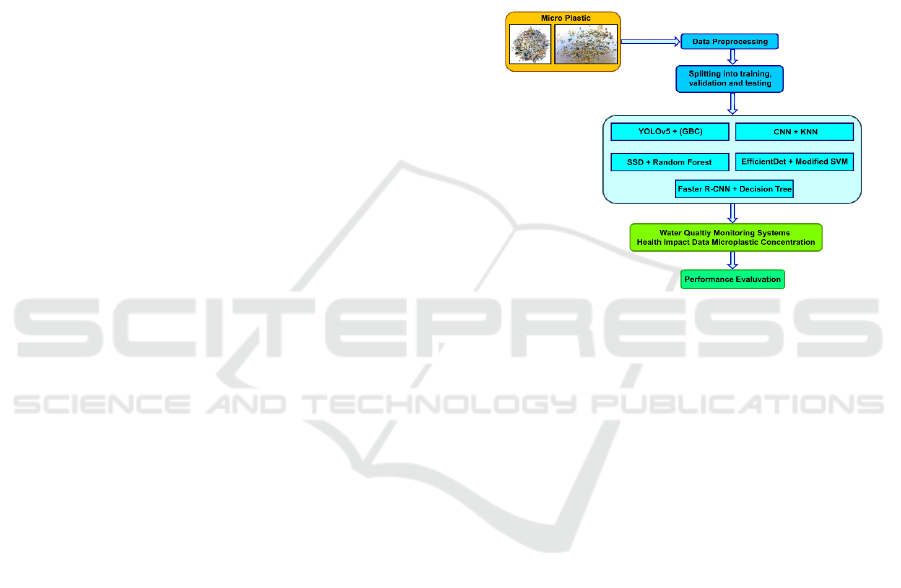
Figure 2: Microplastic Detection and Classification
Workflow Using Advanced Machine Learning Models.
In this Figure 2, it presents an expansive
workflow for microplastics detection and
classification using the latest available machine
learning methods. Adding some more details: Data
Pre-processing: The microplastic samples collected
in the initial experiment are raw, which means that
they required cleaning, resizing, and normalization
to form a unified data set for analysis. This process
ensures that characteristics such as particle size,
shape, and colour are correctly represented in the
data set.
The dataset is split into training, validation, and
testing sets after preprocessing. These are the
subsets crucial for machine learning model training,
performance validation, and accuracy evaluation on
unseen data. In the pipeline, multiple standard
machine learning models such as YOLOv5 + GBC,
SSD + RF, Efficient Det + Modified SVM, CNN +
KNN, Faster R-CNN + Decision Tree, etc. This
combination had its own advantages such as the
former's efficient feature extraction via object
detection models, and the latter's accurate object
classification via classifiers.
The models are used to study microplastic
concentration in water, and support water quality
Edge AI-Driven Microfluidic Platform for Real-Time Detection and Classification of Microplastic Particles in Environmental Samples
659

monitoring systems. The outputs provide
information on microplastic types, concentrations
and potential health impacts. The latter involves
collecting data from the different algorithms to
ensure a strong, meta-analysis of microplastic
detection and analysis.
Finally, the workflow ends with performance
estimation, comparing the accuracy, speed, and
resource efficiency of all models to choose the best
model for a specific application. The framework is
crucial for global environmental challenges,
improving microplastics detection in water
resources, and decision-making for environmental
management and public health policies
3.12 Yolov5 + Gradient Boosting
Classifier (GBC)
YOLOv5 + GBC: combines the fast object detection
capabilities of YOLOv5 employs a single-stage
method for object detection, whereas GBC enhances
classification performance. This approach involves
predicting the bounding box with four values: x, y,
w, and h. Confidence Score:
C = Po × max(Pc) (17)
CIoU Loss: CIoU = IoU − ρ2/c2 − α(v/(1 − IoU) + v) (18)
GBC Prediction: F(x) = F₀ + ∑γm hm(x) (19)
The hybrid YOLOv5 + GBC algorithm aims to
combine the advantages of deep learning and
classical machine learning. YOLOv5, one of the
most popular object detection models, is able to
detect objects with very high accuracy in real-time,
and can also run on edge devices such as the Jetson
Nano. YWOV is a single-stage detector that predicts
ground truth bounding box coordinates and classes
with a single traversal. However, deep learning
models can fail to perform well on complex feature
analysis, such as those in the case of microplastics
with minor texture, color, or shape differences.
To overcome this limitation, a Gradient Boosting
Classifier (GBC) is used to enhance the output of the
YOLOv5. GBC is a boosting ensemble learning
technique that creates a sequence of decision trees,
with each new decision tree aimed to correct the
error of the former one. The added features allow
deeper learning and are used to recondition the
bounding box predictions from YOLOv5 for better
classification accuracy.
3.13 SSD (Single Shot Multibox
Detector) + Random Forest
Therefore, the SSD + Random Forest model
attempts to combine the faster single-shot detection
capabilities of SSD with the ensemble classification
capabilities in Random Forest. Through a forward
pass on an image, SSD finds the locations of objects
while Random Forests perform a regression on the
features extracted from it.
The Bounding Box Loss: (Smooth L1 Loss) Lbbox
= Σ SmoothL1(bi − b
̂
i) (20)
Random Forest Prediction PRF = (1/N) Σ hi(x)
(21)
The SSD + Random Forest hybrid model uses SSD
for fast, single-shot detection, and then a Random
Forest to classify the predicted bounding boxes. SSD
model simply predicts bounding boxes and class
labels in a single pass, making it quite efficient for
real time applications. By processing multi-scale
feature maps, it is capable of detecting even small
sized microplastic objects.
SSD's initial predictions leave room for false
positives, as microplastics vary in contours and
textures. The random forest classifier refines these
predictions by looking at the data using additional
extracted features. Ensemble/Combined Model: It
uses random forest or other ensemble/combined
model using decision tree as a prediction for user-
generated content classification.
3.14 Efficient Det + Support Vector
Machine (SVM)
Efficient Det utilizes a compound scaling method
and an Efficient Net backbone with a Feature
Pyramid Network for powerful object detection. The
SVM classifier allows us to find the optimal
hyperplane for classifying the detections better.
IoU Loss: IoU = (Area of Overlap) / (Area of Union) (22)
SVM Decision Function: f(x) = w · x + b (23)
The hybrid model of Efficient Det + SVM has been
designed for high accuracy and scalability. Efficient
Det is a model defined for state-of-the-art object
detection results which uses Efficient Net backbone
and feature pyramid network (FPN) model. This
allows it to extract rich features from various scales,
ICRDICCT‘25 2025 - INTERNATIONAL CONFERENCE ON RESEARCH AND DEVELOPMENT IN INFORMATION,
COMMUNICATION, AND COMPUTING TECHNOLOGIES
660
which is powerful for detecting small and intricate
objects such as microplastics.
After Efficient Det, an SVM is used to further
increase the classification quality. Intent: The
support vector machine (SVM) is a supervised
learning model that uses the concept of finding the
hyperplane that best separates two classes in feature
space. The margin is well defined, which is the case
when maximizing the margin is very effective.
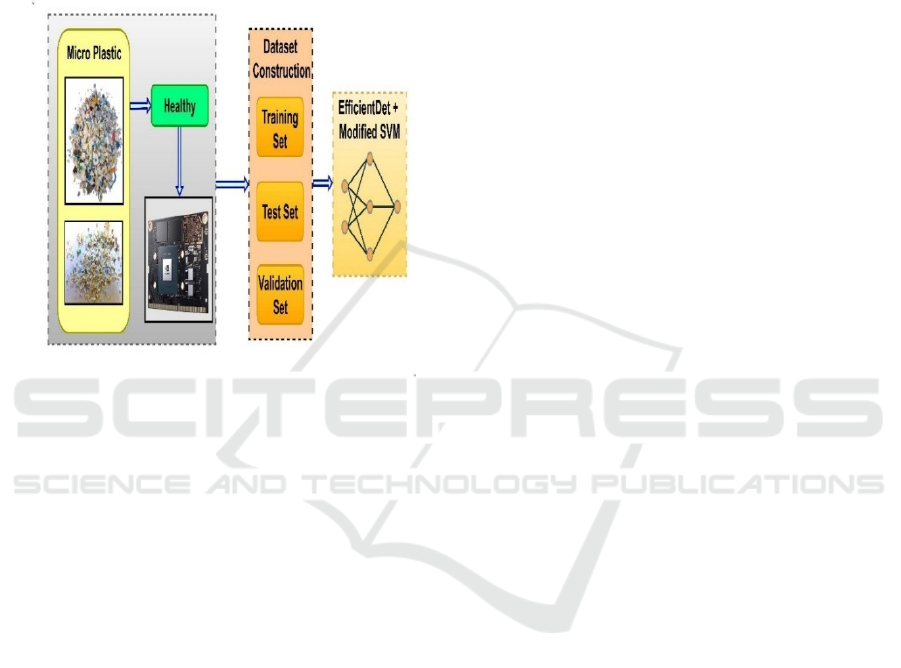
Figure 3: Microplastic Classification Using Efficient Det
and Modified SVM Framework.
The illustration depicts an improved method for
detecting and classifying microplastic particles
based on an efficient SVM model and efficient Det.
The workflow of the system begins with the
collection of microplastic samples, illustrated
including the various sizes and colours of
microplastic particles. Those samples are then fed
into imaging or preprocessing modules as a part of a
high-performance computational unit (an NVIDIA-
based system, e.g.).
After preprocessing, comes data-set construction
where data is divided into training, testing and
validating sets. Such a well-organized, structured
dataset is a prerequisite to training the Machine
Learning model as well as evaluating the
performance of model performance. So, as a feature
extractor, the model utilizes Efficient Det, which
was chosen because of its efficiency and excellent
performance with detecting various-sized objects
like microplastics. The extracted features are
processed by an optimized SVM, which is modified
for a classification of particles according to the
desired classes, which can be size, shape, polymer,
etc. Figure 3 shows Microplastic Classification
Using Efficient Det and Modified SVM Framework
Combining the real-time detection prowess of
Efficient Det with the strong classification
performance of SVM, this hybrid system suits
applications in environmental monitoring and
contamination assessment. It is a very flexible, large
scale and resource-effective method that can be used
in the field as well as laboratory analysis of
microplastics in environmental samples.
3.15 CNN (Convolutional Neural
Network) + K-Nearest Neighbors
(KNN)
CNN + KNN hybrid model: The example of CNN +
KNN hybrid model is CNN for deep feature
extraction, KNN for the instance-based classifier.
Here we use the CNN to get high-level features and
then KNN classify the samples based on feature
space neighbourhood.
Convolution Operation: h(x) = (x * w) + bh(x) = (x ∗ w) + b
(24)
KNN Distance: d(x,y)=√Σ (xi−yi)² (25)
The CNN + KNN hybrid model combines a deep
learning feature extractor with a non-parametric,
instance-based learning model. The CNN leverages
hierarchical pattern recognition capabilities to
identify and extract abstracted high-level features
from the initial input images (e.g. edges, textures,
spatial arrangement), relevant for differentiating
microplastics from surrounding particles.
These features are then used by the KNN
classifier to classify the detected particles after
feature
3.16 Faster R-CNN + Decision Tree
Two-stage detection models, such as Faster R-CNN,
rely on an RPN to generate region proposals,
followed by classification using a CNN. After the
features have been extracted, a Decision Tree is
applied based on the classification using extracted
features.
Prediction of the RPN: P object = σ (w · x + b) (26)
Gini Impurity: I = 1 - Σ pi2 (27)
Here, we provide the theoretical background and
equations of five hybrid algorithms frequently used
in microplastic detection tasks. So, while each model
has its own unique strengths, and falls into its
particular place based on detection speed, accuracy,
and computational efficiency depending on the use
Edge AI-Driven Microfluidic Platform for Real-Time Detection and Classification of Microplastic Particles in Environmental Samples
661
case. The Faster R-CNN + Decision Tree Hybrid
Model integrates an advanced two-stage object
detection approach and a rule-based classifier. Faster
R-CNN generates region proposals before running a
CNN to classify the regions. However, up until that
point there was a tough battle waged by the new
generation of networks to achieve high accuracy in
object detection and the YOLO networks won the
race in terms of efficiency when multiple objects are
present in complex scenes. After retrieving the
objects in the Faster R-CNN detection stage, we
apply one more classifier, a Decision Tree classifier,
using more features extracted for additional
precision refinement. Decision Trees:
Interpretability – Rules, splitting based on data,
capable of ruling-based classification.
4 HARDWARE RESULT AND
DISCUSSION
4.1 Real-Time Data Logging and
Visualization Interface
A comprehensive data logging and visualization
interface is developed to monitor microplastic
pollution levels in real-time. Key features include:
Data Logging: Detected microplastic data (size,
count, and type) is logged into a database with
timestamped entries, allowing for historical analysis
and trend identification. Interactive Dashboard: A
user-friendly dashboard displays real-time statistics
such as the number of detected particles, particle
size distribution, and concentration levels. The
interface provides visual alerts when pollution levels
exceed predefined thresholds. Visualization Tools:
The system includes various visualization tools like
time-series graphs, histograms, and heatmaps to
illustrate microplastic trends over time. The visual
insights help users understand the extent of pollution
and identify potential sources.
4.2 Performance Evaluation and
Validation
The approach is extensively tested versus manual
identification based on microscopes. Measurements
of assessment comprise: The proportion of
microplastic particles found among overall particles
that pass muster. Compare observed particles with
actual positive detections to evaluate the
dependability of the model. The sensitivity of the
model is assessed by the true positive to
microplastics ratio. Precision and recall values'
harmonic mean offers a reasonable model
performance evaluation. Manual microscopy counts
are matched with artificial intelligence detection
data to confirm the dependability and accuracy of
the model. To observe its time efficiency and
consistency, compare the automated system with
conventional approaches. Check the structured
performance evaluation table of your classifiers
below. Analyzing deep learning classifiers for
microplastic detection provides some significant
new perspectives on their efficiency and
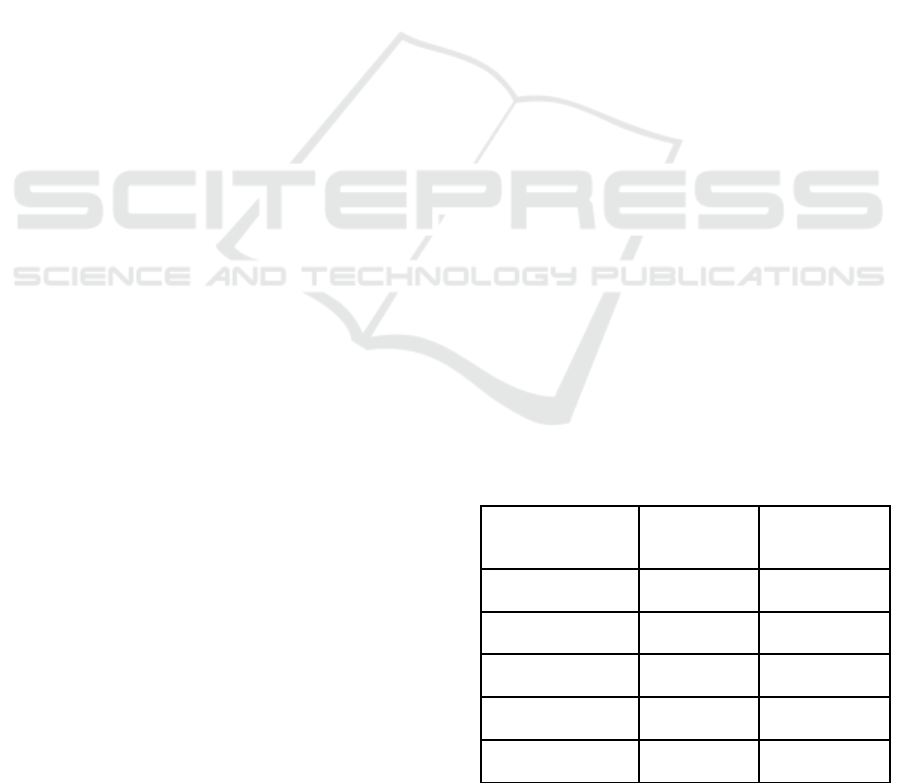
applicability. Among the models, the CNN-GRU-
LSTM one beats others. Its F1-score was 96.6%; its
accuracy was 98.30%; its precision was 97.5%.
Higher performance came from CNN's spatial
feature extracting, GRU's sequential dependency
management, and LSTM's long-term trend
capturing. Although they have less recall and hence
more false negatives, standalone LSTM and GRU
models perform rather well. CNN enhances feature
extraction in hybrid models such CNN-LSTM and
CNN-BI-LSTM, hence enhancing classification
accuracy. CNN-BI-LSTM is a bidirectional neural
network enhancing recall by including forward and
backward dependencies. Conversely, CNN-GRU-
LSTM strikes greater balance between
computational economy and accuracy than any other
model. For real-time microplastic detection, then, it
is ideal. For public health assessment and
environmental monitoring, high recall helps to lower
false negatives. This work reveals the importance of
integrating spatial and temporal analytical
approaches in order to raise classification accuracy.
This method allows scalable and efficient
microplastic pollution detection in water supplies.
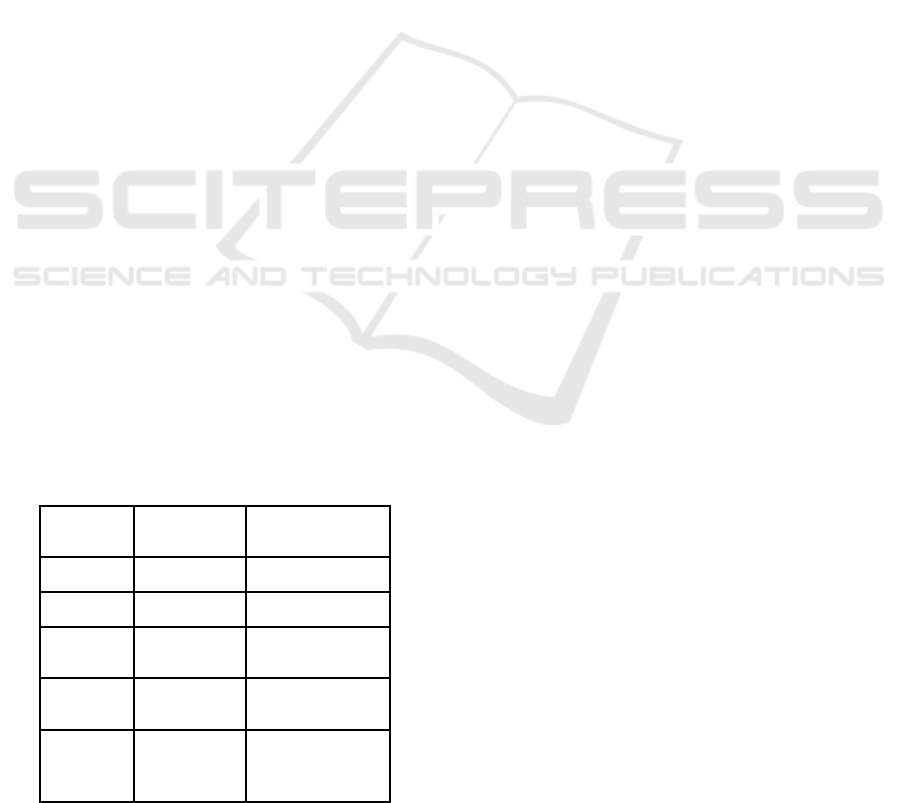
Table 1 shows Micro Plastic Performance
Evaluation.
Table 1: Micro Plastic Performance Evaluation Table.
Classifier
Accuracy
(
%
)
Precision (%)
LSTM 90.47 95.80
GRU 93.85 94.80
CNN-LSTM 96.15 93.30
CNN-BI-LSTM 96.46 94.30
CNN-GRU-LSTM 98.30 97.50
ICRDICCT‘25 2025 - INTERNATIONAL CONFERENCE ON RESEARCH AND DEVELOPMENT IN INFORMATION,
COMMUNICATION, AND COMPUTING TECHNOLOGIES
662
4.3 Computational Complexity
Assessment
Deep learning classifiers for real-time microplastic
detection have to be computationally effective. One
can grasp model complexity-performance trade-offs
by timing model execution and memory
consumption. Table 2 shows
Micro Plastic
Computational Complexity
Assessment.
The fastest classifier was CNN-GRU-LSTM. 4.12
seconds were carried out using just 463 MB of
RAM. Because GRU has less parameters than
LSTM, it allows quicker training and inference free
from accuracy loss. The differential allows this
efficiency. CNN lowers sequential model input size
and memory use by pre-extracting spatial properties.
Because of its complicated gating mechanisms,
which need more computations each time step than
other algorithms, the solo LSTM technique takes
5.23 seconds and uses 520 MB of memory. The
GRU gains a small improvement in memory usage
(498 MB) and execution time (5.12 seconds) with a
reduced architecture. Through spatial information
extraction prior to sequence processing, the CNN-
LSTM model maximizes resource use. This drives
memory use to 493 MB and execution time to 4.96
seconds. While it raises computational effort, the
CNN-BI-LSTM model enhances accuracy.
Bidirectional processing drives 4.84 seconds of
model execution using 478 MB of memory.
Because CNN-GRU-LSTM strikes a
compromise between performance and
computational economy, it is the ideal method for
real-time microplastic monitoring. While
maintaining accuracy, it reduces memory and
execution times. This qualifies it for low resource
edge computing devices as well.
Table 2: Micro Plastic Computational Complexity
Assessment
Classifiers
Execution
Time
Memory
Occupanc
y
LSTM 5.23 520
GRU 5.12 498
CNN-
LSTM
4.96 493
CNN-BI-
LSTM
4.84 478
CNN-
GRU-
LSTM
4.12 463
5 CONCLUSIONS AND FUTURE
DIRECTIONS
Edge artificial intelligence can handle environmental
monitoring challenges including the real-time
microplastics detecting system. The strong hybrid
approach strikes a mix of computational economy
and speed and accuracy. This is accomplished by
combining a Gradient Boosting Classifier with
object detection based on YOLOv5. Ensemble
learning increases microplastic identification
dependability and lowers classification errors.
Tensor RT quantizing maximizes the model for
Jetson Nano performance. This qualifies the model
for real-time field implementation. While cutting
analysis time, the validation results suggest the
system performs as well as hand microscopy. Real-
time data logging and visualization interface's
actionable insights enable one to monitor
microplastics contamination and evaluate
environmental health. The method might be
developed using Internet of Things networks for
environmental uses and to detect more microplastics.
This paper suggests a scalable, reasonably priced,
useful real-time microplastic detecting device. It
helps preservation of the ecosystem and monitoring
Chemical analysis spectroscopy will help to find
more microplastics for material identification.
Connecting the detection system to cloud platforms
for real-time environmental assessments and water
body monitoring sensors of the Internet of Things.
Including lakes, rivers, and seas into the system
while considering light and turbidity. Investigating
transformer-like deep learning models could help to
enhance microplastic feature extraction and
classification.
REFERENCES
Sarker, Md Abdul Baset, Masudul H. Imtiaz, Thomas M.
Holsen, and Abul BM Baki. "Real-time detection of
microplastics using an ai camera." Sensors 24, no. 13
(2024): 4394.
Wang, Zi et al. “Nanoplastics in Water: Artificial Intellig-
enceAssisted 4D Physicochemical Characterization
and Rapid in Situ Detection.” Environmental Science
& Technology, May 6, 2024.
Li, Yuxing et al. “High-Throughput Microplastic
Assessment Using Polarization Holographic Imaging.”
Dental Science Reports, January 29, 2024.
Dal, Ekrem Kürşad, and Co-Author. “Design and
Implementation of a Microplastic Detection and
Classification System Supported by Deep Learning
Algorithm.” Journal Article, January 25, 2024.
Edge AI-Driven Microfluidic Platform for Real-Time Detection and Classification of Microplastic Particles in Environmental Samples
663

Singh, Amardeep et al. “Implementing Edge-Based Object
Detection for Microplastic Debris.” arXiv.org, July 30,
2023.
Han, Jiyun Agnes et al. “Real-Time Morphological
Detection of Label-Free Submicron-Sized Plastics
Using Flow-Channeled Differential Interference
Contrast Microscopy.” Journal of Hazardous
Materials, August 1, 2023.
Han, Jiyun Agnes et al. “Real-Time Detection of Label-
Free Submicron-Sized Plastics Using Flow-Channeled
Differential Interference Contrast Microscopy.”
Journal Article, March 7, 2023.
Wang, Xinjie et al. “Differentiating Microplastics from
Natural Particles in Aqueous Suspensions Using Flow
Cytometry with Machine Learning.” Environmental
Science & Technology, May 28, 2024.
Ye, Haoxin et al. “Rapid Detection of Micro/Nanoplastics
Via Integration of Luminescent Metal Phenolic
Networks Labeling and Quantitative Fluorescence
Imaging in a Portable Device.” Journal Article,
September 29, 2023.
Valentino, Maria Rita et al. “On the Use of Machine
Learning for Microplastic Identification from
Holographic Phase-Contrast Signatures.” Journal
Article, August 9, 2023.
Zhang, Shouxin et al. “Artificial Intelligence-Based
Microfluidic Platform for Detecting Contaminants in
Water: A Review.” Sensors, July 4, 2024.
Ajakwe, S. O. et al. “CIS-WQMS: Connected Intelligence
Smart Water Quality Monitoring Scheme.” Internet of
Things, May 1, 2023.
Khokhar, F. A. et al. “Harnessing Deep Learning for
Faster Water Quality Assessment: Identifying
Bacterial Contaminants in Real Time.” The Visual
Computer, April 26, 2024.
Khurshid, Aleefia A. et al. “IoT-Enabled Embedded
Virtual Sensor for Energy-Efficient Scalable Online
Water Quality Monitoring System.” Journal of
Electrical Systems, April 4, 2024.
Charalampides, Marios et al. “Advanced Edge to Cloud
System Architecture for Smart Real-Time Water
Quality Monitoring Using Cutting-Edge Portable IoT
Biosensor Devices.” Journal Article, July 25, 2023.
Arepalli, Peda Gopi, and Co-Author. “Water
Contamination Analysis in IoT Enabled Aquaculture
Using Deep Learning-Based AODEGRU.” Ecological
Informatics, March 1, 2024.
Waghwani, Bhavishya B. et al. “In Vitro Detection of
Water Contaminants Using Microfluidic Chip and
Luminescence Sensing Platform.” Microfluidics and
Nanofluidics, September 1, 2020.
Ajakwe, S. O. et al. “Connected Intelligence for Smart
Water Quality Monitoring System in IIoT.”
Proceedings Article, October 19, 2022.
Devi, Iswarya R., and Co-Author. “Real-Time Water
Quality Monitoring Using Tiny ML.” Social Science
Research Network, January 1, 2023.
ICRDICCT‘25 2025 - INTERNATIONAL CONFERENCE ON RESEARCH AND DEVELOPMENT IN INFORMATION,
COMMUNICATION, AND COMPUTING TECHNOLOGIES
664
