
Identifying Research Hotspots and Research Gaps in Specific
Research Area Based on Fine-Grained Information Extraction via
Large Language Models
Yuling Sun
1,2 a
, Xuening Cui
2
, Aning Qin
1,*
and Jiatang Luo
3
1
National Science Library, Chinese Academy of Sciences, Beijing, China
2
Department of Information Resources Management, School of Economics and Management, University of Chinese
Academy of Sciences, Beijing, China
3
School of Advanced Interdisciplinary Sciences, University of Chinese Academy of Sciences, China
Keywords: Large Language Model, Information Extraction, Scientific Data, Research Hotspots, Research Gaps.
Abstract: This paper constructs a fine-grained scientific data indicator framework using LLMs to conduct knowledge
mining in a specific field of natural science and technology, with empirical analysis carried out in the domain
of carbon dioxide conversion and utilization technology. Firstly, based on the characteristics of the technical
field, we systematically established four key scientific data dimensions: products, technologies, materials, and
performance. Subsequently, six key scientific data indicators were selected to characterize these dimensions.
Finally, the extracted scientific data were employed to analyse research hotspots and gaps in the field. This
approach effectively addresses the inherent limitations of traditional technology topic analysis, such as overly
coarse metric granularity and the lack of quantitative features. Moreover, since these scientific data
dimensions and indicators are generalizable to natural science and technology fields aimed at product
development, the proposed methodology demonstrates broad applicability.
1 INTRODUCTION
Identification of research hotspots and gaps is essential
for understanding disciplinary dynamics, optimizing
resource allocation, and formulating policies.
Scientific papers hold significant academic value and
function as indicators of a field’s developmental level.
Consequently, the hotspots and cutting-edge directions
of disciplinary research can be achieved through
knowledge mining of scientific papers.
Existing studies typically integrate thematic
dimensions (e.g., methodologies, products, research
mechanisms) to uncover the aggregation and
evolution, they exhibit two critical limitations: a)
Inability to conduct detailed, in-depth analyses of
specific key scientific data indicators; b) Neglect of
fine-grained performance parameters in hotspot/gap
identification. With the rapid growth of scientific
publications, intelligence research now demands
more refined and intelligent methods to process and
a
https://orcid.org/0000-0001-6836-5530
* Corresponding author
analyze vast bibliographic data. Recent advances in
natural language processing (NLP) techniques,
specifically fine-grained data mining and large
language models (LLMs), offer novel approaches for
intelligence studies. Fine-grained data indicators
provide deeper insights into research specifics.
Leveraging their proficiency in scientific text
comprehension, knowledge reasoning, and
multimodal processing, LLMs are capable of
undertaking sophisticated tasks related to text
generation and information extraction.
This study aims to construct a multi-level
knowledge network for specific scientific research
area and leverage large language models to extract
fine-grained, multi-labeled scientific data, thereby
forming a research dataset of key domain indicators.
Furthermore, we establish an analytical framework
for identifying research hotspots and gaps based on
fine-grained scientific indicator data. Through an
empirical analysis in the research area of carbon
capture, utilization and storage (CCUS), the
Sun, Y., Cui, X., Qin, A. and Luo, J.
Identifying Research Hotspots and Research Gaps in Specific Research Area Based on Fine-Grained Information Extraction via Large Language Models.
DOI: 10.5220/0013824900004000
Paper published under CC license (CC BY-NC-ND 4.0)
In Proceedings of the 17th International Joint Conference on Knowledge Discovery, Knowledge Engineering and Knowledge Management (IC3K 2025) - Volume 1: KDIR, pages 473-480
Proceedings Copyright © 2025 by SCITEPRESS – Science and Technology Publications, Lda.
473

effectiveness of the proposed framework is validated.
This study enriches the methods and perspectives of
knowledge mining in disciplinary fields.
2 LITERATURE REVIEW
2.1 Identification of Research Hotspots
and Discovery of Research Gaps
Traditional approaches primarily include keyword
co-occurrence analysis, citation network analysis and
topic models.
Keyword co-occurrence analysis can reveal
thematic clusters and evolution by extracting
frequently co-occurring terms. Wang et al. (Wang et
al., 2023) conducted bibliometric analysis on 4,922
articles in the field of carbon neutrality based on the
Web of Science (WoS) database, using Citespace and
Bibliometrix functions for descriptive statistics and
co-occurrence analysis of keywords. Xu et al. (Xu et
al., 2016) combined keyword co-occurrence with a
cosine similarity algorithm, integrating academic
papers and patents to identify research frontier
hotspots in the LED field.
Citation network analysis uncover core research
and directional evolution through highly cited
publications and citation chains. Morris et al. Morris
et al.,2003) employed bibliographic coupling analysis
to construct a timeline of anthrax-research hotspots,
visualizing the evolution of active themes. Chang et
al. (Chang et al., 2015) combined keywords,
bibliographic-coupling and co-citation analyses to
explore the evolution of hotspots in library and
information science over two decades.
Topic models automatically identify latent topic
distributions from enormous text by applying various
text analysis techniques. The predominant method is
the Latent Dirichlet Allocation (LDA) model. Liu
(Liu, 2025) applied the LDA model to 559 articles on
biosecurity legislation (1996–2023) and identified
nine key hotspots and significant trends. Tan and
Xiong (Tan and Xiong, 2021) extracted topics via
LDA model from core data-mining journals in CNKI
and Web of Science, combining topic life cycles with
time-slicing to map evolutionary paths.
Based on their activity levels and persistence,
research hotspots can be categorized into three kinds:
sustained, emerging, and potential hotspots. Liu et al.
(Liu et al., 2023) identified sustained hotspots in
computer science by measuring keywords survival
metrics (time/frequency), applying logistic regression
to analyse influencing factors of keyword survival
patterns. Hu et al. (Hu et al., 2024) leveraged the
global blockchain patent literature, integrating LDA,
Word2Vec and BERT to construct a fine-grained
topic-mining framework that surfaced emerging
technological hotspots. Thakuria and Deka (Thakuria
and Deka, 2024) utilized topic modelling to identify
prevalent potential hotspots in Library and
Information Science (LIS) journals between 2013 and
2022, and reveal unknown research themes.
Gap Analysis is a strategic analysis method used to
evaluate the differences between the current state and
the expected or target state. In this paper, research gaps
refer to important issues that have not been adequately
studied, received insufficient attention, or have become
disconnected from policy or industry expectations in
the existing literature. Currently, the main approaches
to identifying research gaps include systematic
literature reviews (Anton et al., 2022) and expert
consultation (Mohtasham et al., 2023). However, these
qualitative methods suffer from strong subjectivity and
low efficiency, making it difficult to rapidly and
accurately pinpoint gaps within the massive body of
literature. Some data-driven quantitative techniques
have also been applied to gap analysis. Westgate et al.
(Westgate et al., 2015) employed LDA model and
statistical methods (cluster analysis, regression, and
network analysis) to investigate trends and identify
potential research gaps within the scientific literature.
The common limitation of existing hotspot
identification methods is that they mainly rely on a
single type of data (such as keywords, citation
relationships or subject terms), and the analytical
perspective is concentrated on the macro aggregation
of disciplinary themes. There is a lack of in-depth
mining of fine-grained performance indicators that
support these macro themes, as well as an overall
correlation framework for integration analysis of
multi-dimensional indicators. Quantitative analytical
methods for identifying research gaps remain scarce.
Existing strategies mostly adopt qualitative approaches
that infer “under-studied” areas from bibliographic
coverage or topic popularity. Quantitative comparison
between the specific performance parameters reported
in the literature and the targets set by policy plans,
industry technical standards, or real-world application
is rarely considered. Consequently, substantial
performance gaps at the technology level cannot be
pinpointed with precision.
2.2 Fine-Grained Information
Extraction Based on Large
Language Models
Information Extraction typically consists of three sub-
tasks: Named Entity Recognition (NER), Relation
KDIR 2025 - 17th International Conference on Knowledge Discovery and Information Retrieval
474

Extraction (RE), and Event Extraction (EE). Fine-
grained information extraction (FGIE) can extract
semantically specific and application-oriented data
(e.g., research methods, experimental data,
performance metrics) from massive academic
literature. These granular data indicators provide deep
technical insights.
Early approaches relied mainly on manually
defined rules and pattern matching, which were
highly interpretable but had poor generalization
ability. With the rise of deep learning, neural-
network-based methods (e.g., LSTM, BiLSTM,
CNN) the automatically learn textual features have
become mainstream. Yu et al. (Yu et al., 2019)
improved the Bootstrapping algorithm and built a
deep learning model to extract four fine-grained
knowledge units from the abstracts of 17,756 ACL
papers. Onishi et al. (Onishi et al.,2018) constructed
a weakly supervised ML framework that uses CNNs
trained on a materials-microstructure corpus to
extract “processing-structure-property” triplets.
Rodríguez et al. (Rodríguez et al.,2022) proposed an
attention mechanism based on the noun-type
syntactic elements, combining BPEmb vectors and
the Flair model to address two sub-tasks of fine-
grained NER: Named Entity Detection and Named
Entity Typing.
Based these advances, pre-trained encoder models
such as BERT and RoBERTa marked a new stage in
FGIE. By pre-training on large general corpora and
fine-tuning on task-specific datasets (e.g., SQuAD).
They achieved stronger transferability and became
the dominant approach for entity-centric extraction.
Domain-adapted variants such as MatSciBERT have
further demonstrated effectiveness in specialized
areas like materials science (Gupta et al., 2022).
Similarly, RoBERTa-based architectures have been
widely applied in fine-grained biomedical IE and
radiology text analysis (Datta & Roberts, 2022; Yin
et al., 2021). This pre-train–fine-tune paradigm
greatly reduced reliance on handcrafted rules and
task-specific feature engineering, and for a time they
became the mainstream solution for FGIE. However,
these encoder-only models still had critical
limitations: they required large-scale labelled data for
downstream adaptation, had limited zero-shot
generalization, and captured domain-specific
knowledge only weakly.
Recently, large language models such as GPT-
3.5/4, PaLM 2, DeepSeek and Claude have developed
powerful language understanding and generation
capabilities, enabling them to efficiently extract key
fine-grained information from scientific literature.
Fine-grained information extraction based on LLMs
mainly includes the following methods: a) Prompt
engineering, designing appropriate prompts to guide
LLMs to directly extract the required information
from the text in zero-shot or few-shot scenarios. For
instance, Wu et al. (Wu et al.,2025) enhanced LLMs
for miRNA information extraction through
diversified prompt strategies and systematically
compared the performance of GPT-4o, Gemini, and
Claude in NER and RE. b) Task decomposition,
breaking down complex outputs into a series of
simpler questions and answers, which enhances the
reasoning ability of LLMs. Wei et al. (Wei et al.,
2023) implemented zero-shot FGIE via ChatGPT
multi-turn question answering (QA), decomposing
the complex IE task into two conversation rounds: a)
identifying entity, relation, and event types in a
sentence; b) converting unlabelled text directly into
fine-grained structured knowledge through chain-of-
question templates. Qiao et al. (2025) introduced a
novel FGER-GPT method, which employs multiple
inference chains and a hierarchical strategy for
recognizing fine-grained entities, significantly
enhancing the performance of LLM in fine-grained
entity recognition and effectively alleviating the
problems of label lack and hallucination. c) Fine-
tuning, further training the general LLMs on specific
scietific research area labeled data to adapt it to
specific IE tasks. Dagdelen(2024) utilized fine-tuned
LLMs such as GPT-3 and Llama-2 for joint named
entity and relation extraction from scientific texts,
and verified its effectiveness on materials science
texts.
Overall, neural network methods advanced the
automation of fine-grained information extraction by
learning textual features directly, while pre-trained
encoder models such as BERT and RoBERTa further
improved performance through large-scale pre-
training and task-specific fine-tuning, reducing the
need for handcrafted features. However, these
approaches typically depend heavily on large labelled
datasets and exhibit limited zero-shot generalization.
In contrast, large language models offer far greater
flexibility and contextual understanding, enabling
effective fine-grained information extraction without
task-specific supervision, though the issue of
hallucination in their outputs remains a critical
challenge.
The LLM-driven FGIE framework introduced in
this study transforms the descriptive macro analysis
of research hotspots into a fine-grained quantitative
assessment, and compares literature data with policy
demands to accurately identify research gaps. By
integrating prompt engineering and progressive
optimization strategies, the method reduces the
Identifying Research Hotspots and Research Gaps in Specific Research Area Based on Fine-Grained Information Extraction via Large
Language Models
475
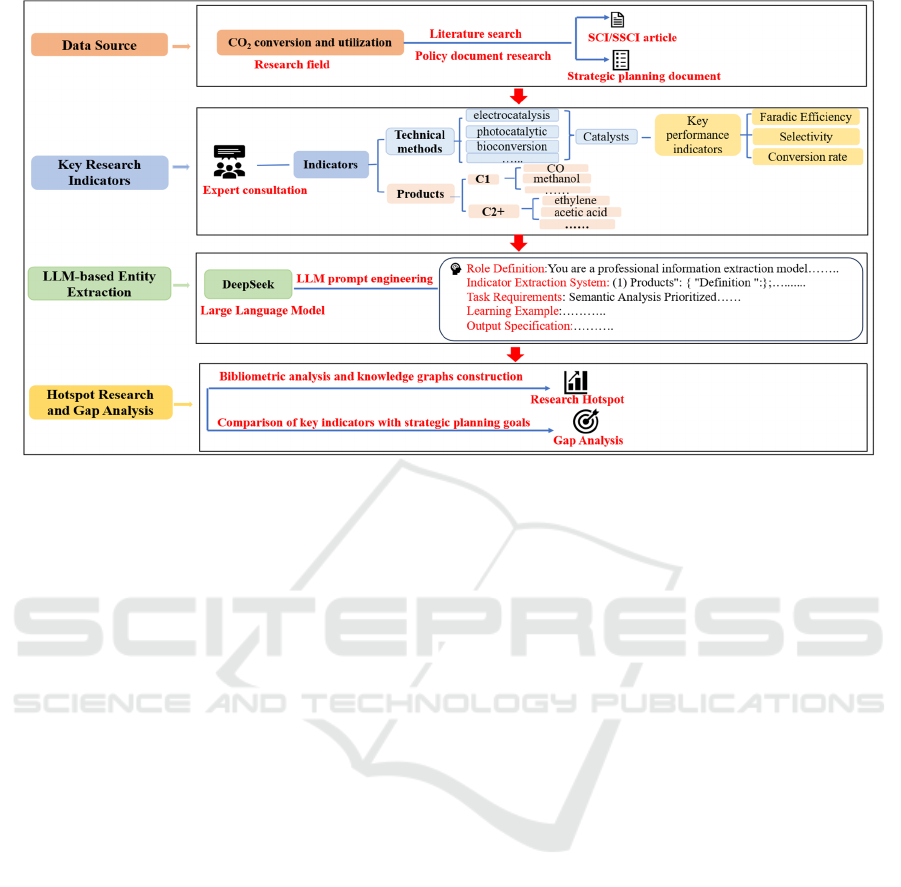
Figure 1: The research framework of this paper.
reliance on labelled data and enhancing the complex
text processing capability of LLMs. This approach
offers a transferable pathway for specific scientific
research knowledge mining.
3 RESEARCH FRAMEWORK
We have chosen the technology research and
development field with product as the research object.
Based on the scientific data characteristics of these
specific fields, we developed a four scientific data
dimensions that including products, technology,
materials and key performance. Then, based on the
characteristics of specific technology research and
development fields and expert consultation, we
further selected specific scientific data indicators that
can characterize the above dimensions.
Leveraging semantic understanding techniques,
the DeepSeek-V3 large language model was
employed to automate indicator extraction,
establishing a comprehensive specific scientific
research fine-grained database. This database enables
multidimensional bibliometric analyses of
methodological innovation, material applications,
product development, and their interdisciplinary
intersections. Concurrently, it facilitates comparative
analysis between research metrics and policy targets,
systematically evaluating alignment with current
research trajectories. Figure 1 presents the research
framework.
Despite empirical validation within CO₂
conversion and utilization, the framework exhibits
high modularity and prompt-level portability,
enabling analogous fine-grained indicator extraction
and knowledge mining across product-oriented
technology research area—notably chemical
engineering and materials discovery.
3.1 Data Source
Data were extracted from the Web of Science Core
Collection (WOS). A systematic retrieval was
conducted for Science Citation Index (SCI) and
Social Sciences Citation Index (SSCI) articles (2020-
2024), resulting in a total of 15,695 publications. We
additionally collected 81 strategic planning
documents related to CCUS from the official
government website of major economies (e.g., the
United States, the European Union, the United
Kingdom, Germany, and France).
3.2 Key Indicator Entity
Focusing on CO
2
conversion and utilization as an
empirical testbed, through expert consultation, we
further selected six key scientific data indicators to
characterize the four dimensions mentioned above
(Table 1). Specifically, The final product of CO
2
conversion in research papers is used as a product
such as methanol, ethanol, ethylene, etc; the
technological pathway for CO
2
conversion is
characterized by techniques such as electrocatalysis,
KDIR 2025 - 17th International Conference on Knowledge Discovery and Information Retrieval
476
photocatalysis, etc; catalysts are used to characterize
materials; three indicators including faradic
efficiency, target product selectivity, and conversion
rate are used to characterize performance.
Table 1: Key dimensions and indicators.
No. Dimensions Indicato
r
s
1 Products Conversion Products
2 Technolog
y
Technical Pathways
3 Materials Catalyst
4
Performance
Faradic Efficienc
y
5
Target Product
Selectivit
y
6 CO₂ Conversion Rate
3.3 LLM-Based Entity Extraction
To compare the performance of a BERT-style pre-
trained model and a large language model on FGIE,
we conducted a preliminary experiment focusing on
a single entity type, namely product. Using a unified
question answering (QA) framework, the document
was provided as context, and the extraction target was
expressed as a natural-language query (e.g., “What
products are formed from CO₂ conversion?”). Within
this setup, RoBERTa (Liu et al., 2019) achieved only
around 42% exact-match accuracy, whereas
DeepSeek-V3 (zero-shot) reached close to 99%,
corresponding to a +57 percentage-point and 2.4×
relative improvement (Table 2). Although this is only
a pilot study restricted to one entity type, the results
already highlight the substantial advantage of large
language models over BERT-style encoders in QA-
based FGIE.
Table 2: Comparison of product-recognition performance
between DeepSeek and RoBERTa.
Model Accuracy(%) Diffrence(%)
RoBERTa 41.89
——
DeepSee
k
-V3 98.65 +56.76
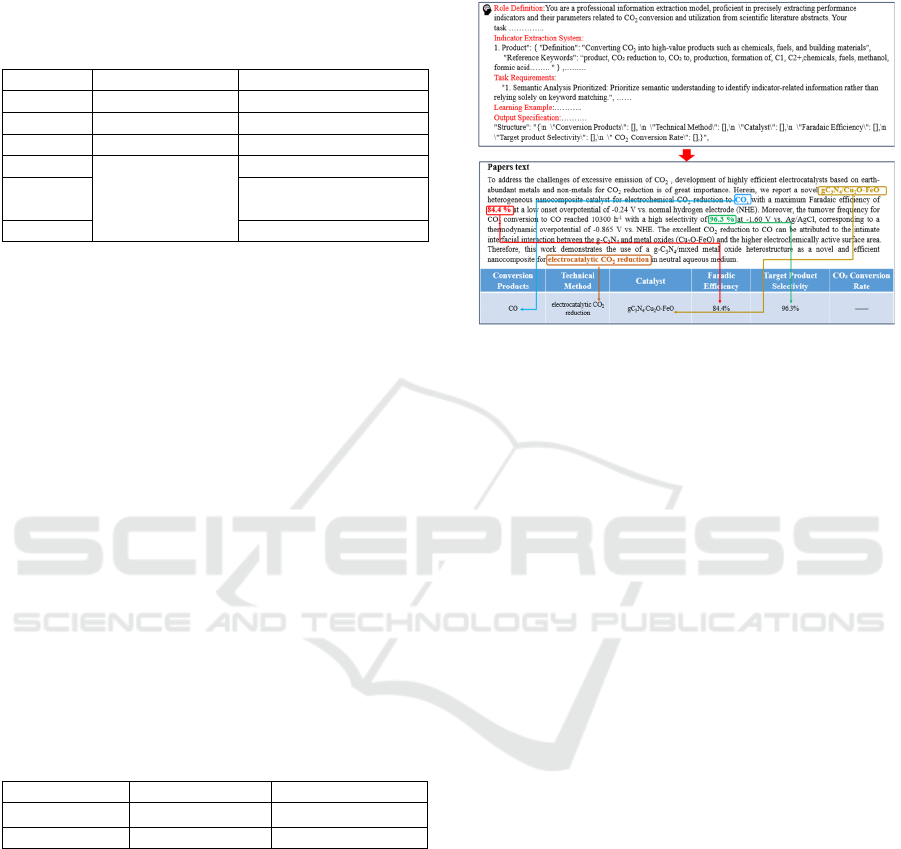
Leveraging the large language model DeepSeek-
V3, we construct a target entity extraction system
using prompt engineering (Figure 2). Our three-stage
progressive optimization strategy includes: First, the
model learns basic extraction paradigms using a small
set of sample examples, with prompts iteratively
refined through manual verification. Next, building
upon the verified baseline model, incremental
optimization is performed using a medium-sized
sample set. This stage involves dynamically adjusting
the prompt and supplementing it with 5% sampling
for quality verification. Finally, the full dataset is
processed automatically, supported by a 2% sampling
review mechanism to ensure output stability. This
phased optimization approach significantly enhances
the model’s adaptability to complex texts.
Figure 2: LLM-based prompt engineering for named entity
extraction in scientific literature.
3.4 Knowledge Graph Construction
Within diverse technological pathways for CO₂
conversion and utilization, catalyst selection and
design exhibit significant differences. Different
conversion methods (such as electrocatalysis,
photocatalytic, thermocatalytic, and bioconversion)
require specific types and properties of catalysts due
to their distinct reaction mechanisms, operating
conditions, and target products. Therefore, clarifying
the applicable types of efficient, stable catalysts for
each technical pathway is critical to optimizing
reaction performance, lowering energy consumption
and costs, and advancing the practical application of
specific CO₂ conversion routes. By extracting the
entity associations between technical methods and
catalysts and conducting network visualization using
Gephi software, we have successfully constructed a
knowledge graph illustrating the interconnections
between them.
4 RESULTS AND ANALYSIS
4.1 Research Hotspots Analysis
Statistical analysis of the conversion products (Figure
3) reveals that C1 compounds dominate, accounting
for 72% of the publications surveyed, significantly
higher than the share for C2+ products (28%). Among
C1 products, carbon monoxide (CO), methane (CH₄),
methanol (CH₃OH), formic acid (HCOOH), and
formate are the most extensively studied. Research on
Identifying Research Hotspots and Research Gaps in Specific Research Area Based on Fine-Grained Information Extraction via Large
Language Models
477
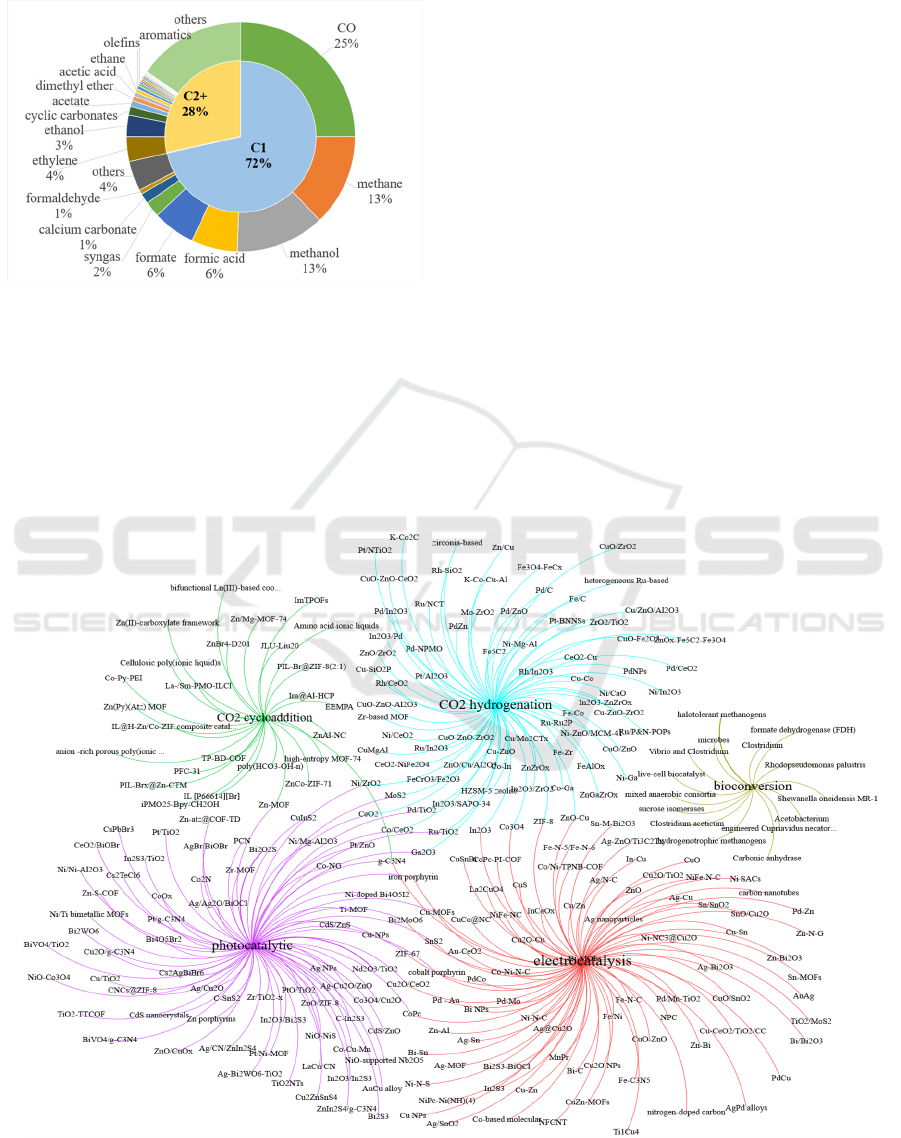
CO₂ conversion to C2 products primarily focuses on
ethylene, ethanol, cyclic carbonates, acetate,
dimethyl ether, acetic acid, and ethane.
Figure 3: Research hotspots of CO
2
conversion products.
From the technical method–catalyst knowledge
map (Figure 4), we can identify the main catalysts
employed by different technologies. It can be
observed that different CO₂ conversion technologies
prioritize distinct types of catalysts, owing to
variations in their reaction mechanisms and
operational conditions. Electrocatalysis CO₂
reduction primarily employs metals (e.g., Cu, Ag) and
their oxides, bimetallics, metal-organic frameworks
(MOFs), molecular catalysts (e.g., metal porphyrins),
and nitrogen-doped carbon materials. Photocatalytic
CO₂ reduction uses metal oxides (e.g., TiO₂, Cu₂O),
nitrides (e.g., g-C₃N₄), sulfides (e.g., CdS), MOFs,
molecular complexes (e.g., phthalocyanines), and
hybrid heterojunctions. CO₂ hydrogenation relies on
metal oxides (e.g., CeO₂, In₂O₃), metals (e.g., Cu, Fe,
Ru), bifunctional zeolites, bimetallic/ternary catalysts
(e.g., Cu/ZnO/Al₂O₃), and carbides. Cycloaddition
catalysts include ionic liquids, MOFs, porous
polymers, metal complexes, and covalent organic
frameworks (COFs). CO₂ bioconversion utilizes
enzymes (e.g, formate dehydrogenase, carbonic
anhydrase) and microbial cells (e.g., Clostridium,
engineered strains).
4.2 Research Gap Analysis
Through bibliometric analysis, this study identifies
key characteristics and persistent challenges in
current CO₂ conversion research. The product
distribution reveals a pronounced focus on C1
chemicals (carbon monoxide, methane, and
methanol), while industrially critical higher-carbon
Figure 4: The knowledge map of CO
2
conversion technical pathways and catalysts.
KDIR 2025 - 17th International Conference on Knowledge Discovery and Information Retrieval
478
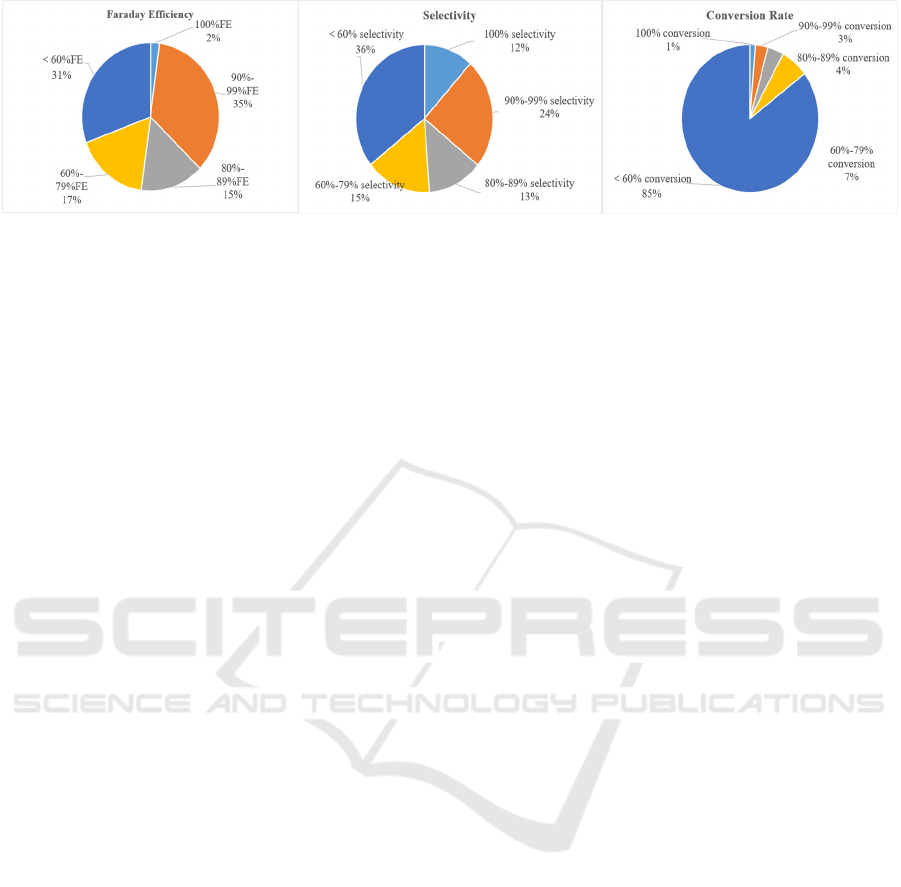
Figure 5: Faraday efficiency, selectivity, conversion rate distribution.
compounds (e.g., olefins, aromatics like
toluene/xylene, and synthetic fuels) remain
understudied. Performance metrics (Figure 5) reveal
significant limitations: only 12% of studies achieve≥
99% product selectivity (predominantly for C1
species), while advanced carbon products exhibit
substantially lower selectivity. CO₂ conversion
efficiencies exceed 90% occur in merely 4% of cases,
and full conversion (100%) in merely 1%. Notably,
only 37% of catalytic systems demonstrate Faradaic
efficiencies above 90%, indicating substantial energy
efficiency deficits.
The current technical status lags significantly
behind the strategic objectives of major economies.
For instance, Japan’s updated Carbon Recycling
Technology Roadmap prioritizes commercializing
polycarbonate and bio-jet fuel by 2030, followed by
industrial-scale olefin, aromatic compound, and
synthetic fuel production by ~2040. The significant
gap between current research progress and these
industrial targets underscores fundamental hurdles in
CO₂ conversion, particularly in precise selectivity
control, energy utilization optimization, and
multicomponent product.
5 CONCLUSION AND PROSPECT
This study integrates LLM-based semantic parsing
with prompt engineering for in-depth knowledge
mining in the specific research area. The
effectiveness of the method has been empirically
verified in the research area of CO₂ conversion and
utilization. By developing a multi-stage prompt
framework, we systematically extracted key scientific
indicators to construct a fine-grained research area
database. Based on this methodological system, we
have identified some new research hotspots and gaps
in the field of carbon dioxide conversion and
utilization, which is of great significance for
optimizing the research layout and direction in this
area. This approach effectively overcomes limitations
of traditional technical theme analysis, such as coarse
indicator granularity and insufficient quantitative
characterization, and enriches the methods and
perspectives of knowledge discovery in the field of
scientific research.
Current limitations include suboptimal accuracy
in extracting specific key performance indicators.
Further research will prioritize optimizing prompt
engineering to enhance extraction precision.
Additionally, while this study focuses on academic
literature, we plan to expand data sources to include
patents and industrial reports, thereby building a more
comprehensive dataset. Leveraging this foundation,
we will advance knowledge graph development for
CO₂ conversion technology, emphasizing core
functionalities such as technology development
roadmap and patent-technology correlation analysis,
ultimately supporting strategic advancements in this
critical field.
ACKNOWLEDGMENT
The authors gratefully acknowledge the support
provided by Strategic Priority Research Program of
the Chinese Academy of Sciences, Grant No.
XDC0230605 and Special Project of Strategic
Research and Decision Support System Construction
of Chinese Academy of Sciences (GHJ-ZLZX-2025-
07).
REFERENCES
Anton, E., Oesterreich, T. D., & Teuteberg, F. (2022). the
Property of Being Causal–the Conduct of Qualitative
Comparative Analysis in Information Systems
Research. Information & Management, 59(3), 103619.
Chang, Y. W., Huang, M. H., & Lin, C. W. (2015).
Evolution of Research Subjects in Library and
Information Science Based on Keyword,
Bibliographical Coupling, and Co-Citation Analyses.
Scientometrics, 105(3), 2071-2087.
Identifying Research Hotspots and Research Gaps in Specific Research Area Based on Fine-Grained Information Extraction via Large
Language Models
479

Dagdelen, J., Dunn, a., Lee, S., Walker, N., Rosen, a. S.,
Ceder, G., ... & Jain, a. (2024). Structured Information
Extraction from Scientific Text with Large Language
Models. Nature Communications, 15(1), 1418.
Datta, S., & Roberts, K. (2022). Fine-Grained Spatial
Information Extraction in Radiology as Two-Turn
Question Answering with BERT. International Journal
of Medical Informatics, 162, 104754.
Gupta, T., Zaki, M., Krishnan, N. M. a., & Mausam. (2022).
Matscibert: a Materials Domain Language Model for
Text Mining and Information Extraction. Npj
Computational Materials, 8, 141.
Hu, Z., Wang, M., & Han, Y. (2024). Multidimensional
Indicator Identification and Evolution Analysis of
Emerging Technology Topics Based on LDA2Vec-
BERT——a Case Study of Blockchain Technology in
the Field of Disruptive Technology. Journal of Modern
Information, 44(9), 42-58. (in Chinese)
Liu, Y. (2025). Discovering Topics and Trends in
Biosecurity Law Research: A Machine Learning
Approach. One Health, 20, 100964.
Liu, Y., Ott, M., Goyal, N., Du, J., Joshi, M., Chen, D., … &
Stoyanov, V. (2019). Roberta: a Robustly Optimized
BERT Pretraining Approach. Arxiv Preprint
Arxiv:1907.11692. Https://Arxiv.Org/Abs/1907.11692.
Liu, Z., Yang, J., & Ma, Y. (2023). Research on Keyword
Survival Model from the Perspective of Term Function.
Journal of Intelligence, 42(8), 150-156+176. (in
Chinese)
Mohtasham, F., Yazdizadeh, B., & Mobinizadeh, M.
(2023). Research Gaps Identified in Iran’s Health
Technology Assessment Reports. Health Research
Policy and Systems, 21(1), 132.
Morris, S. a., Yen, G., Wu, Z., & Asnake, B. (2003). Time
Line Visualization of Research Fronts. Journal of the
American Society for Information Science and
Technology, 54(5), 413-422.
Onishi, T., Kadohira, T., & Watanabe, I. (2018). Relation
Extraction with Weakly Supervised Learning Based on
Process-Structure-Property-Performance
Reciprocity. Science and Technology of Advanced
Materials, 19(1), 649-659.
Qiao, X., Gu, S., Cheng, J., Peng, C., Xiong, Z., Shen, H.,
& Jiang, G. (2025). Fine-Grained Entity Recognition
via Large Language Models. IEEE Transactions on
Neural Networks and Learning Systems.
Rodríguez, a. J. C., Castro, D. C., & García, S. H. (2022).
Noun-Based Attention Mechanism for Fine-Grained
Named Entity Recognition. Expert Systems with
Applications, 193, 116406.
Tan, C., & Xiong, M. (2021). Contrastive Analysis at Home
and Abroad on the Evolution of Hot Topics in the Field
of Data Mining Based on LDA Model. Information
Science, 39(4), 174-185. (in Chinese)
Thakuria, a., & Deka, D. (2024). a Decadal Study on
Identifying Latent Topics and Research Trends in Open
Access LIS Journals Using Topic Modeling
Approach. Scientometrics, 129(7), 3841-3869.
Wang, G., Shi, R., Cheng, W., Gao, L., & Huang, X. (2023).
Bibliometric Analysis for Carbon Neutrality with
Hotspots, Frontiers, and Emerging Trends Between
1991 and 2022. International Journal of Environmental
Research and Public Health, 20(2), 926.
Wei, X., Cui, X., Cheng, N., Wang, X., Zhang, X., Huang,
S., ... & Han, W. (2023). Chatie: Zero-Shot Information
Extraction via Chatting with Chatgpt. Arxiv Preprint
Arxiv:2302.10205.
Westgate, M. J., Barton, P. S., Pierson, J. C., &
Lindenmayer, D. B. (2015). Text Analysis Tools for
Identification of Emerging Topics and Research Gaps
in Conservation Science. Conservation Biology, 29(6),
1606-1614.
Wu, R., Zong, H., Wu, E., Li, J., Zhou, Y., Zhang, C., ... &
Shen, B. (2025). Improving Large Language Models
for Mirna Information Extraction via Prompt
Engineering. Computer Methods and Programs in
Biomedicine, 109033.
Xu, X., Zheng, Y., & Liu, Z. (2016). Study on the Method
of Identifying Research Fronts Based on Scientific
Papers and Patents. Library and Information Service, 60
(24), 97-106. (in Chinese)
Yin, X., Zheng, S., & Wang, Q. (2021). Fine-Grained
Chinese Named Entity Recognition Based on Roberta-
WWM-Bilstm-CRF Model. 6th International
Conference on Intelligent Computing and Signal
Processing.
Yu, L., Qian, L., Fu, C., & Zhao, H. (2019). Extracting
Fine-Grained Knowledge Units from Texts with Deep
Learning. Data Analysis and Knowledge Discovery,
3(1), 38-45. (in Chinese)
Zhang, X., Li, P., & Li, H. (2020). AMBERT: a Pre-Trained
Language Model with Multi-Grained Tokenization.
Arxiv Preprint Arxiv:2008.11869.
KDIR 2025 - 17th International Conference on Knowledge Discovery and Information Retrieval
480
