
Retrieval-Augmented Generation in Industry: An Interview Study on
Use Cases, Requirements, Challenges, and Evaluation
Lorenz Brehme
1 a
, Benedikt Dornauer
1 b
, Thomas Str
¨
ohle
1 c
,
Maximilian Ehrhart
2 d
and Ruth Breu
1 e
1
University of Innsbruck, Innsbruck, Austria
2
CASABLANCA Hotelsoftware, Sch
¨
onwies, Austria
Keywords:
Retrieval Augmented Generation, Industrial Application, Interview Survey.
Abstract:
Retrieval-Augmented Generation (RAG) is a well-established and rapidly evolving field within AI that
enhances the outputs of large language models by integrating relevant information retrieved from external
knowledge sources. While industry adoption of RAG is now beginning, there is a significant lack of research
on its practical application in industrial contexts. To address this gap, we conducted a semi-structured
interview study with 13 industry practitioners to explore the current state of RAG adoption in real-world
settings. Our study investigates how companies apply RAG in practice, providing (1) an overview of industry
use cases, (2) a consolidated list of system requirements, (3) key challenges and lessons learned from practical
experiences, and (4) an analysis of current industry evaluation methods. Our main findings show that current
RAG applications are mostly limited to domain-specific QA tasks, with systems still in prototype stages;
industry requirements focus primarily on data protection, security, and quality, while issues such as ethics,
bias, and scalability receive less attention; data preprocessing remains a key challenge, and system evaluation
is predominantly conducted by humans rather than automated methods.
1 INTRODUCTION
Since 2022, Large Language Models (LLMs) have
made significant progress in research and have
gained widespread popularity (Google Trends,
2025). However, they still face substantial
challenges, such as hallucinations caused by
insufficient context or outdated context, limited
access to up-to-date domain-specific knowledge, and
difficulties in verifying the accuracy of generated
information (Zhang et al., 2023c, Wang et al., 2024).
To address these limitations, the concept of Retrieval-
Augmented Generation (RAG) was introduced
by (Lewis et al., 2021). RAG extends LLMs by
integrating external knowledge sources, enabling
them to handle for example domain specific question
answering (QA) task. By incorporating domain-
specific information, RAG systems can generate
a
https://orcid.org/0009-0009-4711-2564
b
https://orcid.org/0000-0002-7713-4686
c
https://orcid.org/0000-0002-1954-6412
d
https://orcid.org/0000-0002-9554-0231
e
https://orcid.org/0000-0001-7093-4341
more accurate, relevant, and contextually appropriate
responses for specialized topics, and several such
systems have already demonstrated the effectiveness
of this approach (Gao et al., 2024). Since the rise in
popularity of RAG systems, organizations have been
trying to build them for industrial use, often relying
on large amounts of confidential and proprietary
knowledge that standard LLMs do not contain (Zhou
et al., 2025). By leveraging corporate knowledge,
RAG systems enable companies to develop tailored
use cases and perform specialized, domain-intensive
tasks that meet their unique needs.
However, the literature primarily focuses on
the design and development of RAG systems
themselves (Gao et al., 2024), with comparatively
little attention given to their specific applications in
corporate environments (Arslan et al., 2024). This
study aims to bridge this gap by examining the
practical use of RAG systems in industry through
an investigation of four key aspects—(1) their use
cases, (2) the requirements set by companies, (3) the
technical and organizational challenges encountered,
and (4) the methods practitioners use to evaluate their
quality—resulting in four research questions.
110
Brehme, L., Dornauer, B., Ströhle, T., Ehrhart, M. and Breu, R.
Retrieval-Augmented Generation in Industry: An Interview Study on Use Cases, Requirements, Challenges, and Evaluation.
DOI: 10.5220/0013739500004000
Paper published under CC license (CC BY-NC-ND 4.0)
In Proceedings of the 17th International Joint Conference on Knowledge Discovery, Knowledge Engineering and Knowledge Management (IC3K 2025) - Volume 1: KDIR, pages 110-122
Proceedings Copyright © 2025 by SCITEPRESS – Science and Technology Publications, Lda.
Building on (Arslan et al., 2024) six-category
classification of industrial RAG applications, we
investigated through our interviews which use cases
are most prevalent and how they align with this
framework:
RQ1: How have companies applied RAG in their
use cases and what opportunities do companies see
when using RAG systems?
To identify key factors for the practical
deployment of RAG systems, we conducted a
literature review and analyzed how companies
address them, resulting in 12 industry-relevant
requirements (e.g., security and data protection). Our
goal was to capture practical, real-world perspectives
rather than purely theoretical ones by investigating:
RQ2: What requirements do companies set for
RAG systems, and how are these requirements
implemented in practice?
Furthermore, we aim to identify common
challenges companies face when implementing RAG
systems, as repeated mistakes can lead to wasted
resources. By understanding these challenges and
how they are addressed, we can help inform more
effective adoption strategies and implementation
guidelines. Following, our interviews also explored
lessons learned during implementation and whether
industry practices reflect improvements suggested in
the literature, such as those outlined by (Zhao et al.,
2024). Based on these insights, we provide practical
recommendations on key priorities and common
pitfalls to avoid when adopting RAG systems.
RQ3: What challenges do companies face when
implementing and using RAG systems, and what
lessons have been learned from these experiences?
Lastly, we investigate how industry practitioners
assess the quality of their RAG systems, focusing
on whether and how they have adopted evaluation
methods from academic research in their practical
applications. Academic research has proposed
several automated evaluation methods for assessing
entire RAG systems (Brehme et al., 2025b). In
this study, we examine whether and how these
methods have been adopted in industry by exploring
if practitioners evaluate their systems against the
specific requirements they identified and measure the
extent to which these requirements are fulfilled:
RQ4: How do industry practitioners evaluate the
quality of RAG systems?
To explore these questions, we conducted 13
semi-structured interviews, following stepwise
guidelines (Adams, 2015) and a systematic
five-step qualitative procedure (Schmidt, 2004),
focusing on industry experts directly involved in the
implementation of RAG systems. Our main findings
are as follows:
• The most common applications of implemented
RAG systems are QA tasks, with each RAG
typically designed for a specific use case within
a limited domain.
• The technical readiness level in most companies
remains at the prototype stage.
• The industry’s main requirement focus is on data
protection, security, and quality, whereas most of
the time ethical considerations, bias mitigation,
costs, and scalability are less prioritized.
• One of the main challenges is data preprocessing
for preparing the RAG system, which is critical
for the overall system quality.
• RAG systems are primarily evaluated by humans,
rather than through automated methods using
LLMs.
2 RELATED WORK
This section explores three key aspects: types of
RAG applications, various enhancements to improve
RAG systems, and approaches for evaluating their
performance.
RAG Applications. In(Arslan et al., 2024), six
main types of RAG applications in industry are
identified through a comprehensive review. (i) The
most common is question answering, with examples
such as medical QA tasks (Xiong et al., 2024) or
commonsense QA (Sha et al., 2023). (ii) RAG
is also widely used for text generation and
summarization, for instance, generating stories with
complex plots (Wen et al., 2023). (iii) Information
retrieval and extraction represents another key
area, supporting tasks like regulatory compliance
QA in the pharmaceutical industry (Kim et al.,
2025). (iv) Text analysis and preprocessing, such
as sentiment classification (Mahboub et al., 2024),
further illustrate how RAG systems support data
understanding. (v) In addition, RAG contributes
to software development and maintenance, for
Retrieval-Augmented Generation in Industry: An Interview Study on Use Cases, Requirements, Challenges, and Evaluation
111

example through code completion (Lu et al., 2022).
(vi) Finally, decision making and applications—such
as automated cash transaction booking (Zhang
et al., 2023a)—demonstrate how RAG can assist in
operational processes.
Enhancements to Improve RAG Systems.
Another aspect of RAG is system enhancement,
as highlighted by (Zhao et al., 2024), who identify
several RAG improvements in the literature,
including input enhancements as a key category. One
type of input enhancement is query transformation,
which involves approaches such as refining or
rewriting the input query to improve retrieval
effectiveness (Chan et al., 2024, Tayal and Tyagi,
2024), while another is data augmentation, wherein
semantic-preserving transformations are applied
to enhance the database, as demonstrated in the
pre-training of code retrieval models (Lu et al.,
2022). The second category of enhancements
centers on retriever improvements, including
techniques such as recursive retrieval (Yao et al.,
2023), hybrid retrieval (Yu et al., 2022), re-ranking
methods (Glass et al., 2022), and chunk optimization
strategies (Sarthi et al., 2024). The third category is
generator enhancements, which includes techniques
like prompt engineering (Wei et al., 2023) and fine-
tuning of the decoder (Jin et al., 2023) to improve
the performance of the generation component. The
fourth category is result enhancement, which involves
techniques for rewriting or refining the generated
output (Liu et al., 2024). Finally, the fifth category
is RAG pipeline enhancement, which refers to the
development of new or optimized RAG pipeline
architectures (Zhang et al., 2023b).
Evaluating RAG Systems. Quality is a critical
aspect of RAG systems, with several evaluation
frameworks designed to measure various quality
requirements. One such framework is RAGAS (Es
et al., 2023), which assesses retriever quality by
evaluating the relevance of retrieved documents. This
can be done using an LLM (Es et al., 2023), an
already prepared test set with labeled datasets (Tang
and Yang, 2024), or human judgment (Afzal et al.,
2024). Another important aspect is the generator
quality, where the generated answer is evaluated
for quality attributes like faithfulness (Es et al.,
2023). In this case, LLMs (Es et al., 2023),
embedding techniques (Kukreja et al., 2024), token-
based approaches (Li et al., 2024), or human
evaluators (Pipitone and Alami, 2024) may be
employed. Additionally, the overall performance
of the system is measured by factors such as
retrieval time and processing speed (Kukreja et al.,
2024). These various quality metrics help assess the
effectiveness of each component of the RAG system
and ensure optimal performance.
Most existing research focuses on broad use cases,
offering little insight into how RAG systems are
applied in real-world corporate settings. Furthermore,
there is a noticeable lack of empirical qualitative
studies exploring the challenges organizations face
when adopting and utilizing these systems. To
address this gap, our research focuses on industrial
use cases, enhancement strategies, and evaluation
approaches.
3 METHODOLOGY
For conducting our semi-structured interviews,
we stuck to the step-wise guidelines by (Adams,
2015), considering in addition the recommendations
for software engineering interviews by (Hove and
Anda, 2005). Each interview was scheduled to
take approximately one hour and was structured
into five main parts: Company and Interviewee
Background, Adoption and Implementation of RAGs,
Requirements for RAGs, Quality Assessment of
RAGs, and Outcomes and Future Outlook, with
mostly open questions and few closed questions, as
recommended by (Adams, 2015). Before conducting
the semi-structured interviews, the interview
guidelines were pilot-tested with one individual to
refine the guide.
We selected purposive sampling (Campbell et al.,
2020) to contact companies from the authors’ network
that apply LLMs. For selecting respondents and
arranging interviews, we specifically request in our
email that experts who have been directly involved
in implementing a RAG system be identified.
Furthermore, along with our request, we attached
our interview questionnaire. We selected participants
from diverse company sizes, domains, and experience
levels to ensure a heterogeneous sample and gain
domain-independent insights.
The first author asked the questions following
the questionnaire, while another author took notes
and posed follow-up questions when responses were
incomplete or when further clarification was needed.
Additionally, each interview was fully recorded via
Microsoft Teams, transcribed, and subsequently made
available for detailed analysis. In total, 13 interviews
were conducted between early April and early June
2025. Table 1 lists the main key facts of the individual
participants, showing the wide variety of domains
represented.
KDIR 2025 - 17th International Conference on Knowledge Discovery and Information Retrieval
112

Based on the gathered materials, we
simultaneously started with the analysis of the
interviews, using a five-step procedure described
by (Schmidt, 2004).
1. Firstly, we filter, separate, and summarize the
interviews in a table-like to get a general overview
and find similarities and distinctions.
2. Next, we draft analytical categories compiling
them into a coding guide with definitions and
variants, leading to the four RQs.
3. We then code the interview using predefined
categories to enable comparison, making
adjustments through team consensus when
necessary.
4. After the coding, we present the total overview
and mapping, in most cases, in a table-like way.
5. Finally, we conduct an in-depth analysis of related
cases through repeated readings, knowledge
extraction, and textual synthesis, which are then
integrated into the written paper.
In addition, to answer RQ2, we first performed a rapid
literature review to derive implementation-relevant
requirements for RAG systems. Subsequently, we
used descriptive statistics to evaluate how these 12
predefined requirements were assessed during our
interview study. Therefore, the participants were
asked to rate the 12 predefined requirements on a
scale from 1 to 10 based on their importance. This
provided an overview of where the actual focus lies
and helped us understand which requirements are
considered important, which are seen as difficult
to achieve, and why some may be intentionally
prioritized.
More details and the complete replication package
are provided on our Zenodo repository (Brehme et al.,
2025a).
4 FINDINGS
4.1 RQ1: Use Case and Goals
We collected use cases through interviews and, based
on our coding, identified similarities with those
proposed by (Arslan et al., 2024). As a result, we
adapted their categorization, which is presented in
Table 2.
2
Company Size based on OECD(OECD, 2017):
Small Comp. [employees≤49] (SC), Medium
Comp. [50≤employees≤249] (MC), Large Comp.
[employees≥250] (LC).
Table 1: List of interview participants with IDs assigned
alphabetically and listed chronologically.
ID Size
2
Specific Domain Research start
A MC Hotel Software 2024
B LC Medical 2018
C SC Software Development 2023
D LC Banking Software 2023
E LC Multi Engineering 2021
F SC Consulting 2022
G MC PI Business Consulting 2024
H LC Media 2023
I LC Software for Municipalities 2023
J SC AI 2023
K MC Process Automation 2022
L MC Web Application 2023
M LC Software Consulting 2022
In most cases, RAG is employed to facilitate
knowledge transfer by delivering information in
a human-readable format through a conversational
chat interface [A,B,D,E,F,G,H,I,J,L,M]. According
to the categorization by (Arslan et al., 2024), this
application falls under the category of question
answering. These RAG systems enable users to
perform targeted searches across various departments
within an organization to address specific questions.
For instance, one participant described using RAG to
retrieve information from HR documents [D], while
others accessed data from ticketing systems [F,I].
Overall, these RAG systems are primarily employed
to process internal documents and extract relevant
information in order to provide precise answers to
user questions.
Other mentioned use cases fall under the Decision
Making and Application category: RAG is being
extended to support operational tasks, going beyond
information retrieval to perform actions such as
creating support tickets or generating reports [C].
The goal is to combine the retrieval of relevant
information with the execution of operational tasks.
Leveraging access to internal wikis, ticketing
systems, and source code repositories, the RAG
system can, for example, create new tickets, initiate
projects, or generate structured reports based on the
retrieved information. Furthermore, RAG systems are
also being adopted to replace legacy systems [M].
Last but not least, one use case involves document
formatting. In this context, documents are provided
as examples of the desired format, and the LLM is
expected to generate outputs that adhered to the same
structure and style. This functionality was integrated
into a larger application and represented one step
within a broader automation workflow [K]. The last
use case fits in the Text generation and Summarization
category of (Arslan et al., 2024).
Retrieval-Augmented Generation in Industry: An Interview Study on Use Cases, Requirements, Challenges, and Evaluation
113
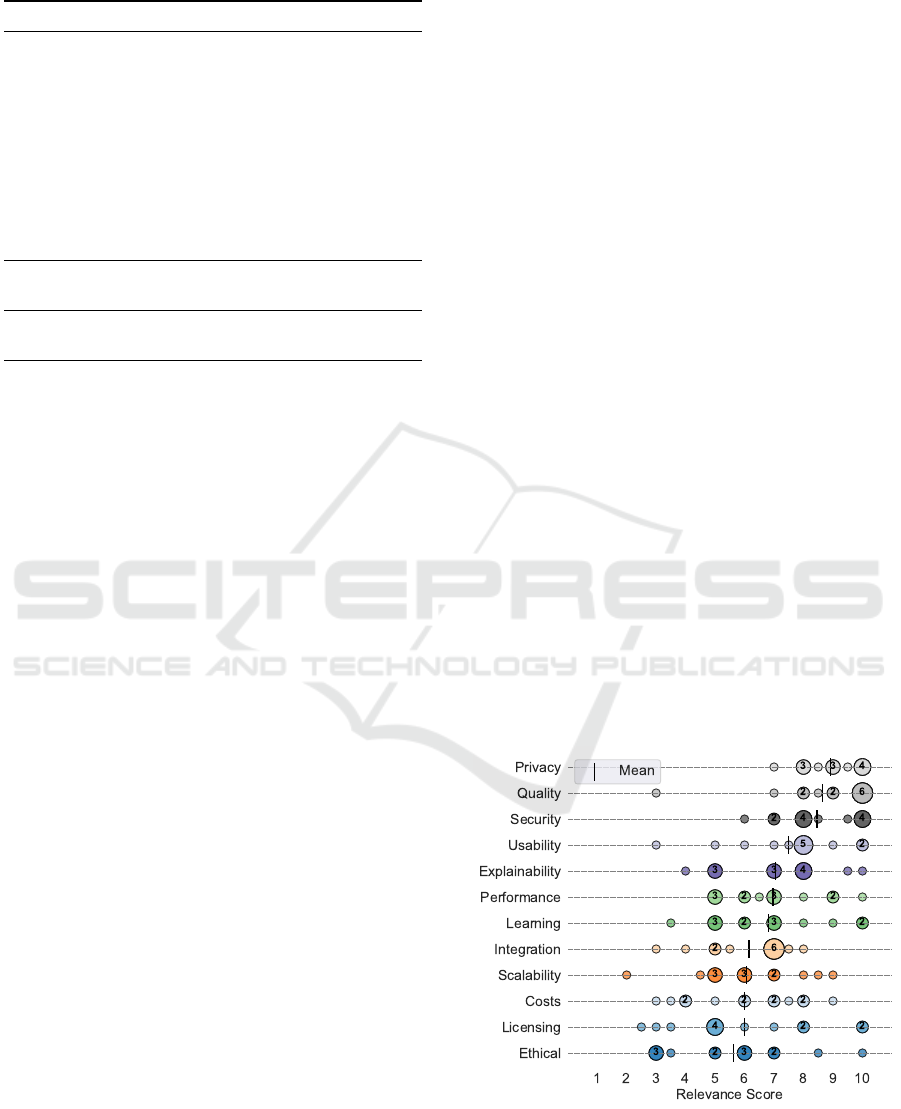
Table 2: List of use cases by interview participants.
Category ID Primary Use Case
Question
Answering
A Search Assistant for Support
B Medical QA
D Chat Assistant with Specific Expertise
E Find Information from Repository
F Search Assistant for Different Tools
G Modular RAG System for Companies
H Get Information About Other
Employees/Team Group Messages
I QA for Ticketing System
J Automatic Customer Support
L Search Documentation
Decision Making
and Application
C Chatbot for Customer with ChatOps
M Automation of Legacy Systems
Text Generation and
Summarization
K Contract Formatting
Another important aspect of the identified use
cases is understanding the underlying goals for
adopting RAG systems. The first perspective that
emerged was the rationale for choosing RAG over
other technologies, such as standalone LLMs. One
key reason was the ability to easily update and
expand the knowledge base with company-specific
information [C,E,L]. This offered greater flexibility
compared to fine-tuning a model, which is more static
and resource-intensive. With RAG, the underlying
LLM could also be swapped out for a more
advanced model as they become available, without
the need to retrain from scratch [E]. Participants
also noted that RAG can reduce hallucinations
and generally improve the quality and reliability
of the output by grounding responses in retrieved,
contextually relevant documents [C,H,J,K,L]. The
most frequently mentioned goal was to save time
and increase efficiency in daily work processes
[A,D,F,G,I,M]. This objective is closely linked to
reducing the workload on human resources [B,I].
Participants explained that by using RAG, less
time was spent on manual information retrieval,
allowing employees to focus on more value-added
tasks. An additional advantage of RAG is the
easy access to relevant information without the
need for complex search queries [A,C,H,I], especially
when it is fragmented across various departments
or held by multiple individuals [A]. Participants
emphasized the importance of centralizing and
structuring this dispersed knowledge to ensure
effective use. Additionally, RAG was seen as a
way to reduce knowledge dependency on specific
individuals—mitigating the risk of knowledge loss
when key personnel leave the company [I]. This
points to broader opportunities, such as enabling
company growth without a proportional increase
in human resources, due to improved efficiency
and automation [B]. Furthermore, participants noted
that accelerating the information retrieval process
helps employees maintain focus. Instead of
being interrupted or distracted by time-consuming
documentation searches, they can stay engaged with
their core tasks [D].
A final consideration is the future development of
RAG systems and their expanding capabilities. One
emerging direction is the evolution toward agentic
RAGs [A,D,G,M], where these systems acquire
decision-making abilities and operate autonomously
within defined workflows. This concept is already
being explored in research (Singh et al., 2025a)
and is likely to be adopted by industry in the near
future. Another significant advancement is the shift
toward multimodal RAGs [G], which can process and
analyze diverse input types—such as text, images,
and structured data—rather than being limited to
a single document format. This development
will further enhance RAG pipelines, enabling more
versatile and powerful applications.
4.2 RQ2: Requirements
For effective implementation, RAG systems require
a well-defined set of infrastructural, technical, and
organizational prerequisites. Based on our literature
review, we set up a list of requirements that we aimed
to validate in terms of their importance for RAG
systems in industrial settings. The results of the
importance scores is presented in Figure 1.
Figure 1: Sorted distribution of requirement relevance
scores, averaged by mean. Scores range from 0 (not
relevant) to 10 (highly relevant).
KDIR 2025 - 17th International Conference on Knowledge Discovery and Information Retrieval
114

Security and Data Protection in RAG systems
means to ensuring that the system cannot be
compromised or “jailbroken,” and that it does
not disclose data outside its intended boundaries.
This includes anonymizing any confidential data
and safeguarding user information against misuse.
Initially, these aspects were treated as separate
requirements, but based on interview feedback,
we merged them into a single, interdependent
requirement because they are closely related and must
be addressed together. The importance of security
and data protection varied depending on the use case.
For internal systems accessible only by employees,
this requirement was considered less critical but still
relevant. However, it becomes significantly more
important when the system is accessible externally
[D]. Additionally, the emphasis on this requirement
differed by company size and geographic region. In
large companies and in Europe, where data protection
regulations are strict, security was rated as highly
important [I]. In contrast, one participant mentioned
that in the US and Asia data protection is generally
less prioritized in their contexts [J]. Overall, security
and data protection were regarded as a very important
requirement across most cases.
RAG Quality denotes the overall quality of the
responses generated by the RAG system. This
includes the quality of the underlying data, the
retriever component, and the generated answers.
Initially, we identified RAG quality and answer
quality as separate requirements, but we extended
this to include data quality after it was explicitly
mentioned by participants [C,D,H,I,J,M]. The intent
behind this requirement is to ensure that the
RAG consistently delivers high-quality, relevant,
and accurate responses. All participants rated this
requirement as highly relevant, with scores of 8 or
higher, except for one [K], who rated it a 3. In that
specific use case, RAG was only a small component
within a larger process, and low-quality outputs could
simply be discarded without affecting the overall
system.
Usability is defined as how easy and intuitive the
RAG system is for users to interact with. The
perceived importance of usability varied among
participants. Some stated that usability was not a
major concern because users were already familiar
with similar chat interfaces, for example ChatGPT
or Gemini, making adaptation straightforward and
requiring minimal effort [A,E]. Others emphasized
that usability is crucial, as users are more likely to
adopt the system if it is intuitive and easy to use [C,G].
Overall, we conclude that usability is important but
generally easy to achieve, given that conversational
interfaces are now common [C,D].
Explainability/Transparency refers to the extent
to which the RAG system provides clear and
understandable explanations for its answers. This
is closely tied to the configuration of the RAG,
where the system must present the sources of
information transparently. Specifically, the retrieved
documents supporting each part of the answer should
be visible, allowing users to understand why the
system generated a particular response based on these
documents. Nine participants rated this requirement
as relevant, assigning it a score of seven or higher.
Performance covers aspects related to system
speed and responsiveness. This requirement was
generally not considered highly important by the
participants. For example, Interviewee F mentioned
that there are strategies to manage slower system
responses, such as employing “thinking” delays that
give the impression of a more thoughtful output.
Overall, performance was not emphasized as a critical
requirement, and most participants rated its relevance
as low.
Continuous Learning describes the ability of the
RAG system to update and expand its knowledge base
to stay current with new information. Initially, we
grouped this requirement together with continuous
operation, but during analysis, we identified them as
distinct aspects. Continuous learning was considered
particularly important in use cases where data
freshness is critical.
Continuous Operation encompasses the ability
to maintain, monitor, and update the RAG system
during deployment. For example, it was highlighted
the importance of benchmarking the system regularly,
especially after changes in data or system components
[G,I,H]. Continuous operation includes tasks such
as updating components or adjusting configurations
while the system is live. While this requirement
received moderate ratings, it was generally
overshadowed by the higher importance placed
on continuous learning. Therefore, continuous
operation remains relevant but is considered of
moderate priority compared to continuous learning.
Integration in Setup describes the requirement
that the RAG system can be seamlessly integrated
into the existing technical infrastructure. For
Retrieval-Augmented Generation in Industry: An Interview Study on Use Cases, Requirements, Challenges, and Evaluation
115
example, the company has contracts with a service
provider, already uses its services, and prefers to
remain within this environment. This includes
ensuring compatibility with current databases, cloud
services, and other components already in use. The
importance of this requirement varied depending
on the company’s context. For one participant
[F], integration was less critical because they
were able to build the RAG system from scratch
without relying on existing services. Conversely, in
larger organizations with established contracts and
infrastructures, adapting the RAG system to fit into
existing technologies was necessary and therefore
more important [H]. Overall, this requirement was
rated as moderately relevant, with even those who
considered it important assigning relatively low
scores.
Scalability addresses two dimensions that we
consider: scaling the number of users and inputs,
and scaling the knowledge base of the RAG system.
Some participants generally believed that scaling is
straightforward since most LLMs are accessed via
APIs that inherently support scaling [A,F]. Similarly,
cloud-based data storage solutions make scaling
the knowledge base manageable without significant
challenges. One participant mentioned that this
requirement is seen as less important because some
companies are still in the pilot phase and intend to
address scaling at a later stage [E].
Costs encompass all expenses related to both the
development and operation of the RAG system.
This requirement was considered very relevant by
some participants [C,H,I,M], who gave it ratings
above eight. On the other hand, it was rated
as less relevant by others, for various reasons.
Some participants noted that the cost of LLM
usage is expected to decrease over time, reducing
financial concerns [K,B]. Additionally, since most
organizations are still in the research and development
phase, cost considerations were not yet a significant
challenge. Instead, the focus remains on determining
the feasibility and practical implementation of RAG
systems. Interviewees anticipated that cost will
become a more critical factor in later stages of
RAG deployment [A]. In general, it is difficult to
demonstrate that the costs are justified and that
improvements in efficiency are both measurable and
meaningful [E].
Licensing and Copyright concerns whether the
output generated by the RAG system can be used
freely without infringing on copyright-protected
content. This issue primarily arises from the
underlying LLMs, where copyright ownership and
usage rights are not always clearly defined. Some
participants expressed concerns about potential legal
challenges when using generated content [H,M].
However, participant B noted that such issues
are increasingly being addressed, for example,
through regulations like the European AI Act,
which clarifies copyright ownership of AI-generated
content. Overall, this requirement was not a major
focus for most participants, with many either unaware
of it or not considering it a pressing concern.
Ethical Considerations and Bias require that the
RAG system produces neutral, unbiased responses
and avoids discrimination or unethical outputs.
Despite the importance of ethics in AI, this
requirement received the lowest relevance ratings
from participants. Ethical considerations and biases
were either not considered relevant to their use case
[F] or had not reflected on the issue at all [J,M].
Overall, ethical considerations and bias mitigation
were not seen as pressing issues at the current stage of
RAG development. However, this largely depended
on the company: some regarded these aspects as
relevant [B,C] with a rating above 8, while others did
not [D,G,K] with a rating of 3. The relevance ratings
varied widely in this regard.
4.3 RQ3: Identified Challenges and
Lessons Learned
First introduced in 2021 by (Lewis et al., 2021), RAG
has since gained increasing popularity, as reflected
in the number of companies adopting it over time
(e.g., based on our interviews: 1 company in 2021,
3 in 2022, 6 in 2023, and 2 in 2024). Since their
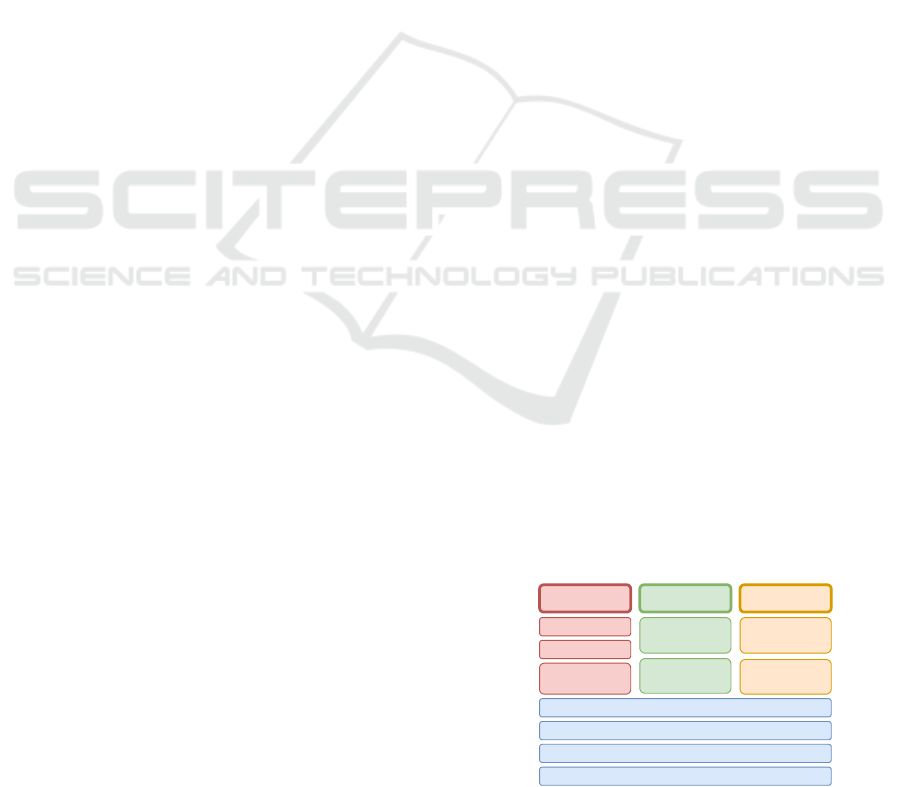
start, they encountered various challenges that have
been subsequently summarized and categorized into
four categories: the data management, the retrieval
process, the generator component, and those related
to the overall process, represented in Figure 2.
Retriever GeneratorData
Hallucination
Prompt
Engineering
Data Variety
Chunking Strategy
Embedding
Strategy
Access Mgmt.
Fast Moving Technology
Right Scope Selection
Quality Evaluation
Safety-related Issues
Identity
Recognition
Figure 2: Overview Industry Challenges.
KDIR 2025 - 17th International Conference on Knowledge Discovery and Information Retrieval
116

Data: One main issue is the data variety with
the unstructured nature of the data, which is often
dispersed across various systems and exists in
different formats, such as PDFs, images, and other
document types. Pre-processing this data and
extracting relevant information requires substantial
effort [A,E,I,M]. Another practical challenge
identified was access management. Not all users
should have access to all data, and it is crucial to
ensure that data from one project does not overlap
with another. Interviewees highlighted that managing
data access and maintaining project-specific data
boundaries were significant challenges during
implementation [D,E,F,H,J].
Another key issue emphasized by participants
is identity recognition. Specifically, it can be
challenging to determine whether two entries refer to
the same entity or simply share a similar name [I,H].
Participant H recommended implementing a unified
identity management system across the organization.
Such a system simplifies the process of identifying
and linking entities, thereby reducing confusion and
minimizing errors.
This problem is further complicated by the
use of abbreviations [I]. In many cases, the same
abbreviation can represent different concepts across
documents, making it challenging to ensure that
the RAG system retrieves the correct meaning in
each context. To address conflicts in identity
recognition and abbreviations, participant I opted to
use ontologies within a knowledge graph instead
of a vector database. This approach helps ensure
that entities are correctly linked, unambiguously
referenced, and also supports the identification of
synonyms or abbreviations. Moreover, certain types
of data—such as addresses or product pages—are
often highly similar, making it challenging to
distinguish between them accurately [B,K] To
solve these challenges, the critical importance
of data quality was highlighted [A,M]. They
recommended investing substantial time and effort
in data preparation, as high-quality data leads to
significantly better results.
Retriever: The second category of challenges is
related to the retriever component of the RAG
system. Determining the appropriate chunking
and embedding strategies further complicates the
process. B, E, and L explained that while a basic RAG
system can be easily adopted with good initial results,
working with real-world data is far more complex. In
practice, selecting and collecting the right data and
then choosing an optimal chunking and embedding
approach proved to be a significant challenge. Even
deciding on the best way to perform chunking was
a problem. In terms of chunking strategies, they
advised maintaining an optimal chunk size—not too
small, to avoid fragmented context, and not too large,
to prevent overwhelming the LLM with excessive
information [B,C].
Generator: The last challenge pertains to the
generator component, concrete to the issue of
hallucination in LLMs. It was highlighted that
hallucinations—instances where the model generates
incorrect or misleading information—are a significant
obstacle during implementation [A]. Specifically, the
LLM may fail to accurately convey the information
retrieved by the retriever component, or it may
introduce erroneous details that were not part of
the retrieved data. It also depended heavily on
the user, as the results varied significantly when
different prompts were used [C]. To address this
challenge of inconsistent outcomes caused by varied
user prompts or hallucination, a solution mentioned
was to implement a RAG system where user input
is automatically refined and improved by the LLM
[A,C]. This approach minimizes the impact of
poorly crafted prompts, ensuring more accurate and
consistent results. Additionally, users should be
made aware that RAG systems do not always produce
correct answers. It is important to emphasize the need
for critical evaluation of the output, as errors may
occur and should always be taken into account [A]
Ensuring that the RAG system consistently produces
reliable answers was challenging, and evaluating
this consistency proved equally difficult [I]. Another
critical challenge is prompt engineering. It
can be difficult to design the right prompt for a
specific model to achieve optimal results [A,C,K].
A emphasized that even slight modifications to the
system prompt can significantly disrupt the entire
system’s performance.
Overlapping Concerns: One challenge, as
highlighted by D, is determining the right scope
for RAG implementation. Companies must decide
whether to include all organizational data or focus
on a limited, specialized subset. Defining the
appropriate amount of knowledge and setting clear
boundaries is a complex task. The next challenge
is related to safety issues of the RAG systems.
Participants raised concerns about potential risks,
such as jailbreaking the model to bypass restrictions
[M] or exploiting user interactions to collect
employee data [H]. Such misuse can have serious
privacy and security implications. Participants B
and E expressed difficulties in keeping up with the
Retrieval-Augmented Generation in Industry: An Interview Study on Use Cases, Requirements, Challenges, and Evaluation
117

fast-moving technologies. They found that by the
time one method was implemented, it was often
already outdated due to the emergence of new, more
efficient approaches. This constant evolution creates
uncertainty, as there is no established best practice
for implementing and maintaining RAG systems. It
also complicates efforts to address the previously
mentioned challenges. The quality evaluating of
the RAG system quality is also problematic. Unlike
traditional software, where formal benchmarks can
be applied, RAG performance is highly context-
dependent, varying based on user input. C noted that
different users adapt to the technology at different
speeds.
Implementation Recommendation and Lessons
Learned We can outline several recommendations
for implementing a RAG system: The first and
most critical step is identifying a suitable use case.
This use case must have a clearly defined process,
including a well-documented and justified automation
goal [F,I,M]. Once the use case is established, the
next step is data selection. The data must be
tailored specifically to the chosen use case and
should not be overloaded with excessive or irrelevant
details [B,C]. It is essential to focus on a narrow
and consistent domain, avoiding overlap with other
departments or projects [D,F]. Ideally, a separate
RAG implementation should be created for each
project or department, with a clearly scoped and
precise objective [D,F]. Following this, significant
effort should be invested in data preparation and
preprocessing to ensure high-quality inputs for
the RAG system [A,M]. To support this, it is
crucial to identify an effective chunking strategy.
Chunks should be large enough to contain sufficient
context for answering questions accurately, but
not so large that they overwhelm the generator
or exceed processing limits [B,C]. Striking the
right balance is essential to ensure both retrieval
relevance and generation quality. Regarding the
generator component, it may be beneficial to integrate
additional modules that modify or structure the
prompt automatically. This can help mitigate the
risk of poor prompting by end users and improve the
overall quality of the generated responses [A,C].
As a general recommendation, the system should
be designed with a modular architecture. Each
component should be easily replaceable, allowing
for the seamless integration of new LLMs or
emerging technologies [F]. However, not every new
advancement should be adopted immediately. If
an existing system is stable and performs well, it
is often more efficient to continue using it rather
than investing significant time and resources into
integrating newer solutions [B,E]. This also highlights
that there is no
”
one-size-fits-all “solution when it
comes to choosing an LLM or other components
for RAG systems [B,E,H]. Instead, each RAG may
require a different architecture, depending on the
specific use case, data type, and desired outcomes.
Nonetheless, regular and systematic evaluation
should be conducted, particularly after any changes
to the system. If the underlying data or any parameter
of a component is modified, a comprehensive re-
evaluation is necessary. Continuous evaluation should
also be part of the deployment phase to ensure
the system maintains consistent performance in real-
world conditions [B,I,K].
4.4 RQ4: Industrial RAG-Evaluation
In research, various evaluation frameworks
have been proposed (Brehme et al., 2025b),
ranging from fully automated to entirely manual
approaches. In industrial use cases, evaluations
were predominantly performed manually by human
experts [A,B,C,E,I,J,L,M].
For this manual approach, testers analyzed the
retrieved documents and generated answers to assess
whether they are correct and relevant to the input
queries, based on their human perception. This
was sometimes further unified by selecting a group
of testers who manually reviewed the RAG outputs
using a predefined question test set [I,J]. In some
cases, a user feedback UI mechanism was also
integrated, like thumbs up/down buttons, allowing
users to rate responses [A,B]. These ratings were then
reviewed to identify issues and iteratively improve
the system. In some cases, this was further extended
by incorporating categories, such as tone preferences
(e.g.,
”
I do not like the tone.“) to refine the
evaluation process [B,H]. Apart from participants
[I,B], who applied specific evaluation metrics, such
as tone [B], correctness [I], coherence [I], answer
quality [I], robustness [I], and the alignment between
the retriever and generator components [B,I], the
remaining participants primarily relied on their
personal experience for assessment.
Only two participants described the use of
automated evaluation methods with the help of
AI [K,G]. For participant K, the system output was
binary (i.e., correct or incorrect), enabling them a
straightforward evaluation based on boolean values.
The test dataset was constructed from anonymized
historical queries, allowing for the evaluation of RAG
within an existing workflow where only a system
component had been replaced [K]. In interview G,
KDIR 2025 - 17th International Conference on Knowledge Discovery and Information Retrieval
118

an automated pipeline was implemented, utilizing an
LLM to assess the quality of RAG-generated answers
based on specific metrics, for instance, accuracy and
tone (e.g., friendliness). Several other participants
mentioned plans to implement automated testing
using test datasets in the future [A,H].
Beyond response quality metrics, interaction rate
exists as another frequently monitored indicator.
Therefore, several participants reported tracking the
number of daily requests to monitor how usage
evolved over time, using this data as an indicator of
user acceptance and adoption [B,C,H]. Additionally,
they monitored the frequency and nature of issues
encountered while interacting with the RAG system.
Performance-related metrics, such as latency and
system responsiveness, were also used to assess the
operational quality of the RAG implementation [B].
5 DISCUSSION
RAG systems are gaining increasing attention in
industry, building on extensive research conducted
over the past year (Arslan et al., 2024).
Consistent with the use cases reported by
(Arslan et al., 2024), the Question Answering
category emerges as the most prominent application
in industrial settings. Functionalities extending
beyond traditional question answering in chatbots
remain uncommon and were identified in only
three instances, where, for instance, a participant
incorporated operational capabilities into their RAG
implementation. In contrast, (Arslan et al., 2024)
outline a broader set of application scenarios, which
may represent the next stage of development for
industrial adoption, as many companies are still in the
early stages of building RAG systems. This early-
stage maturity was further reflected in our discussions
about Technology Readiness Level (TRL): 12 out
of 13 participants rated their use cases below TRL
7, suggesting that most RAG solutions are still in
development or prototyping and have not yet reached
large-scale deployment.
Moreover, our findings show that all RAG
implementations are currently being developed for
narrowly defined use cases, such as HR or
customer support, rather than as general-purpose
solutions. This may be due to the complexity
of tailoring retrieval and generation processes to
domain-specific data, as well as concerns around
accuracy, compliance, and user trust. The results
suggest that organizations are prioritizing controlled,
high-impact applications where the benefits of RAG
can be clearly measured and risks are more easily
managed.
Considering the twelve key requirements across
the thirteen use cases, the aspects rated as most
critical were RAG/Answer Quality (average rating:
8.7), Security (8.5), and Privacy/Data Protection
(8.9), while surprisingly, Ethical Considerations and
Bias Awareness received comparatively low attention,
with an average rating of only 5.6. From discussions
with the companies, we observed that they initially
focus on specific requirements to achieve early
results, while also addressing other important, but less
critical, requirements for success during later stages
of the RAG system’s development. They remain
cautious about using LLMs due to concerns over
potential hallucinations and misinformation, which
could result in reputational damage. One possible
reason mentioned for companies’ caution is that
current RAG systems do not yet fully comply with
the stringent requirements of the EU AI Act (Almada
and Petit, 2025).
It became clear that companies are investing
heavily in the development of RAG systems, driven
by high expectations and strong confidence in this
emerging technology: The primary motivation for
companies to pilot and deploy such RAG systems
is the expectation that they will enhance employee
productivity by minimizing the time and effort spent
on labor-intensive information retrieval tasks. This
anticipated benefit is supported by a McKinsey
report (Chui et al., 2012), which estimates that
employees dedicate approximately 28% of their
average workweek to searching for and gathering
information.
We identified several challenges faced by
companies during the current phases of RAG
implementation, along with a set of frequently
mentioned technical recommendations. Existing
research offers a wide range of RAG enhancement
strategies (Zhao et al., 2024), which are also
being adopted in industry practices. For example,
enhancements in query transformation and critical
techniques in data preparation, such as chunk
optimization, have been adopted in industrial
settings. Also, data preprocessing remains a
significant challenge in developing RAG systems,
though AI-driven tools and processes may offer
valuable support in automating and optimizing these
tasks (Sivathapandi, 2022).
However, some promising recent research
findings have not yet been implemented in practice.
Participants mentioned these only as part of
future plans. For instance, this includes the
implementation of agentic RAG systems (Singh
et al., 2025b) or personalized RAGs for use over
Retrieval-Augmented Generation in Industry: An Interview Study on Use Cases, Requirements, Challenges, and Evaluation
119

private documents (Ryan et al., 2025). Another
aspect concerns the automatic assessment of RAG
quality, as exemplified by RAGAS (Singh et al.,
2025b). Surprisingly, our findings indicate that RAG
evaluation in industry is predominantly performed
manually, without leveraging AI-based automation.
This may be attributed to the lack of domain-specific
test datasets, which are expensive and labor-intensive
to collect and can quickly become outdated. This
discrepancy highlights again a gap between academic
research, which has developed multiple automated
workflows for testing RAG systems (Brehme et al.,
2025b), and current industry practices.
6 CONCLUSION
This study investigated the current state of RAG
in industry through semi-structured interviews with
13 practitioners. The findings reveal a notable
gap between academic advancements and industrial
adoption. Industry use cases remain in the
early stages of exploration, with most efforts
limited to trials or pilot projects, and only a few
achieving full deployment. Based on practitioners’
experiences, we identified a comprehensive list
of requirements critical for RAG implementation,
highlighted cross-company challenges in adopting
RAG, and summarized key lessons learned from
practical deployments. Furthermore, the study
emphasized approaches to RAG evaluation.
The limited number of interviews, predominantly
from Europe, and the fact that the results reflect a
specific point in time may limit the generalizability of
the findings. Nonetheless, we think the consistency
of responses suggests that the principal industry
perspectives were effectively captured.
Looking forward, despite the ongoing trial phase,
we expect industry to increasingly adopt recent
advancements in RAG research, as the benefits
outweigh implementation efforts. In particular, we
expect that agentic RAG approaches are poised for
widespread adoption due to their potential to enable
greater system autonomy, dynamic adaptation to
contextual changes, and seamless integration with
external tools and services—capabilities that are
currently lacking in industry applications.
ACKNOWLEDGEMENTS
We would like to thank all our study participants,
including Vaadin, Akkodis, cccom Moser GmbH,
roosi GmbH, PPI AG, Flex.Insight Advisory, Kufgem
GmbH, HerculesAI, DeepOpinion and other partners,
for their valuable contributions. This research
was supported by the Austrian Research Promotion
Agency (FFG) under the GENIUS project [931318,
921454]. During the preparation of this paper, we
used ChatGPT-4.1 as well as Grammarly for grammar
and spelling checks, and GitHub CoPilot.
REFERENCES
Adams, W. C. (2015). Conducting semi-structured
interviews. In Handbook of Practical Program
Evaluation, pages 492–505. John Wiley & Sons, Inc.,
Hoboken, NJ, USA.
Afzal, A., Kowsik, A., Fani, R., and Matthes, F.
(2024). Towards optimizing and evaluating a retrieval
augmented QA chatbot using LLMs with human in the
loop.
Almada, M. and Petit, N. (2025). The EU AI Act: Between
the rock of product safety and the hard place of
fundamental rights. Common Market Law Review,
pages 85–120.
Arslan, M., Munawar, S., and Cruz, C. (2024). Business
insights using RAG–LLMs: a review and case study.
Journal of Decision Systems, 0(0):1–30.
Brehme, L., Dornauer, B., Str
¨
ohle, T., Ehrhart, M., and
Breu, R. (2025a). Replication package - retrieval-
augmented generation in industry: An interview
study on use cases, requirements, challenges, and
evaluation. https://zenodo.org/doi/10.5281/zenodo.
16778599. Accessed: 2025-08-08.
Brehme, L., Str
¨
ohle, T., and Breu, R. (2025b). Can LLMs
be trusted for evaluating RAG systems? a survey of
methods and datasets. In 2025 IEEE Swiss Conference
on Data Science (SDS), pages 16–23. ISSN: 2835-
3420.
Campbell, S., Greenwood, M., Prior, S., Shearer, T.,
Walkem, K., Young, S., Bywaters, D., and Walker,
K. (2020). Purposive sampling: complex or simple?
research case examples. Journal of Research in
Nursing, 25(8):652–661. PMID: 34394687.
Chan, C.-M., Xu, C., Yuan, R., Luo, H., Xue, W., Guo,
Y., and Fu, J. (2024). RQ-RAG: Learning to refine
queries for retrieval augmented generation.
Chui, M., Manyika, J., Bughin, J., Dobbs, R.,
Roxburgh, C., Sarrazin, H., Sands, G., and
Westergren, M. (2012). The social economy:
Unlocking value and productivity through social
technologies. https://www.mckinsey.com/industries/
technology-media-and-telecommunications/
our-insights/the-social-economy. Accessed: 2025-
06-01.
Es, S., James, J., Espinosa-Anke, L., and Schockaert, S.
(2023). RAGAS: Automated evaluation of retrieval
augmented generation.
Gao, Y., Xiong, Y., Gao, X., Jia, K., Pan, J., Bi, Y., Dai, Y.,
Sun, J., Wang, M., and Wang, H. (2024). Retrieval-
KDIR 2025 - 17th International Conference on Knowledge Discovery and Information Retrieval
120

augmented generation for large language models: A
survey.
Glass, M., Rossiello, G., Chowdhury, M. F. M., Naik, A. R.,
Cai, P., and Gliozzo, A. (2022). Re2g: Retrieve,
rerank, generate.
Google Trends (2025). “llm” – google trends (worldwide,
all time). https://trends.google.de/trends/explore?
date=all&q=LLM&hl=de. Accessed: 2025-06-12.
Hove, S. E. and Anda, B. (2005). Experiences from
conducting semi-structured interviews in empirical
software engineering research. Proceedings -
International Software Metrics Symposium, 2005:10–
23.
Jin, M., Shahriar, S., Tufano, M., Shi, X., Lu,
S., Sundaresan, N., and Svyatkovskiy, A. (2023).
InferFix: End-to-end program repair with LLMs.
Kim, J., Hur, M., and Min, M. (2025). From
RAG to QA-RAG: Integrating generative AI for
pharmaceutical regulatory compliance process. In
Proceedings of the 40th ACM/SIGAPP Symposium on
Applied Computing, pages 1293–1295. Association
for Computing Machinery.
Kukreja, S., Kumar, T., Bharate, V., Purohit, A., Dasgupta,
A., and Guha, D. (2024). Performance evaluation
of vector embeddings with retrieval-augmented
generation. In 2024 9th International Conference
on Computer and Communication Systems (ICCCS),
pages 333–340.
Lewis, P., Perez, E., Piktus, A., Petroni, F., Karpukhin,
V., Goyal, N., K
¨
uttler, H., Lewis, M., Yih, W.-t.,
Rockt
¨
aschel, T., Riedel, S., and Kiela, D. (2021).
Retrieval-Augmented Generation for Knowledge-
Intensive NLP Tasks. arXiv:2005.11401.
Li, Y., Li, Y., Wang, X., Jiang, Y., Zhang, Z., Zheng, X.,
Wang, H., Zheng, H.-T., Yu, P. S., Huang, F., and
Zhou, J. (2024). Benchmarking multimodal retrieval
augmented generation with dynamic VQA dataset and
self-adaptive planning agent.
Liu, C., Cetin, P., Patodia, Y., Chakraborty, S., Ding, Y., and
Ray, B. (2024). Automated code editing with search-
generate-modify.
Lu, S., Duan, N., Han, H., Guo, D., Hwang, S.-w.,
and Svyatkovskiy, A. (2022). ReACC: A retrieval-
augmented code completion framework.
Mahboub, A., Za’ter, M. E., Al-Rfooh, B., Estaitia, Y.,
Jaljuli, A., and Hakouz, A. (2024). Evaluation of
semantic search and its role in retrieved-augmented-
generation (RAG) for arabic language.
OECD (2017). Entrepreneurship at a Glance 2017. OECD.
Pipitone, N. and Alami, G. H. (2024). LegalBench-RAG: A
benchmark for retrieval-augmented generation in the
legal domain.
Ryan, M. J., Xu, D., Nivera, C., and Campos, D. (2025).
Enronqa: Towards personalized rag over private
documents. arXiv preprint arXiv:2505.00263.
Sarthi, P., Abdullah, S., Tuli, A., Khanna, S., Goldie, A.,
and Manning, C. D. (2024). RAPTOR: Recursive
abstractive processing for tree-organized retrieval.
Schmidt, C. (2004). The analysis of semi-structured
interviews. In Flick, U., von Kardorff, E., and Steinke,
I., editors, A Companion to Qualitative Research,
pages 253–258. SAGE, London.
Sha, Y., Feng, Y., He, M., Liu, S., and Ji, Y.
(2023). Retrieval-augmented knowledge graph
reasoning for commonsense question answering.
Number: 15 Publisher: Multidisciplinary Digital
Publishing Institute.
Singh, A., Ehtesham, A., Kumar, S., and Khoei, T. T.
(2025a). Agentic retrieval-augmented generation: A
survey on agentic RAG.
Singh, A., Ehtesham, A., Kumar, S., and Khoei, T. T.
(2025b). Agentic retrieval-augmented generation: A
survey on agentic rag.
Sivathapandi, P. K. P. (2022). Advanced ai algorithms
for automating data preprocessing in healthcare:
Optimizing data quality and reducing processing time.
Tang, Y. and Yang, Y. (2024). MultiHop-RAG:
Benchmarking retrieval-augmented generation for
multi-hop queries.
Tayal, A. and Tyagi, A. (2024). Dynamic contexts
for generating suggestion questions in RAG based
conversational systems. In Companion Proceedings
of the ACM Web Conference 2024, pages 1338–1341.
Wang, S., Liu, J., Song, S., Cheng, J., Fu, Y., Guo, P.,
Fang, K., Zhu, Y., and Dou, Z. (2024). DomainRAG:
A chinese benchmark for evaluating domain-specific
retrieval-augmented generation.
Wei, J., Wang, X., Schuurmans, D., Bosma, M., Ichter,
B., Xia, F., Chi, E., Le, Q., and Zhou, D. (2023).
Chain-of-thought prompting elicits reasoning in large
language models.
Wen, Z., Tian, Z., Wu, W., Yang, Y., Shi, Y., Huang, Z.,
and Li, D. (2023). GROVE: A retrieval-augmented
complex story generation framework with a forest of
evidence.
Xiong, G., Jin, Q., Lu, Z., and Zhang, A. (2024).
Benchmarking retrieval-augmented generation for
medicine.
Yao, S., Zhao, J., Yu, D., Du, N., Shafran, I., Narasimhan,
K., and Cao, Y. (2023). ReAct: Synergizing reasoning
and acting in language models.
Yu, C., Yang, G., Chen, X., Liu, K., and Zhou,
Y. (2022). BashExplainer: Retrieval-augmented
bash code comment generation based on fine-tuned
CodeBERT.
Zhang, B., Yang, H., Zhou, T., Ali Babar, M., and Liu, X.-
Y. (2023a). Enhancing financial sentiment analysis
via retrieval augmented large language models.
In Proceedings of the Fourth ACM International
Conference on AI in Finance, ICAIF ’23, pages 349–
356. Association for Computing Machinery.
Zhang, F., Chen, B., Zhang, Y., Keung, J., Liu,
J., Zan, D., Mao, Y., Lou, J.-G., and Chen,
W. (2023b). RepoCoder: Repository-level code
completion through iterative retrieval and generation.
Zhang, Y., Li, Y., Cui, L., Cai, D., Liu, L., Fu, T., Huang, X.,
Zhao, E., Zhang, Y., Chen, Y., Wang, L., Luu, A., Bi,
W., Shi, F., and Shi, S. (2023c). Siren’s Song in the AI
Ocean: A Survey on Hallucination in Large Language
Models. ArXiv.
Retrieval-Augmented Generation in Industry: An Interview Study on Use Cases, Requirements, Challenges, and Evaluation
121

Zhao, P., Zhang, H., Yu, Q., Wang, Z., Geng, Y., Fu,
F., Yang, L., Zhang, W., Jiang, J., and Cui, B.
(2024). Retrieval-augmented generation for AI-
generated content: A survey.
Zhou, P., Feng, Y., and Yang, Z. (2025). Privacy-aware
RAG: Secure and isolated knowledge retrieval.
KDIR 2025 - 17th International Conference on Knowledge Discovery and Information Retrieval
122
