
Agentic RAG-Based Legal Advisory Chatbot: A Knowledge-Driven
Approach for Vietnamese Legal System
Pham Thi Xuan Hien
1a
, Duong Ngoc Thao Nhi
2b
and Pham Thi Ngoc Huyen
3
1
Faculty of Information Technology, Industrial University of Ho Chi Minh City, Vietnam
2
Faculty of Archivology, Academy of Public Administration and Governance, Vietnam
3
Ho Chi Minh City University of Law, Vietnam
Keywords: Agentic RAG, Legal Ai, Multi-Agent Systems, Vietnamese Legal System, Legal Question Answering,
Knowledge-Based Systems, Router Agent, Information Retrieval, MCP Server.
Abstract: This paper presents an innovative Agentic Retrieval-Augmented Generation (RAG) approach for developing
a legal advisory chatbot specifically designed for the Vietnamese legal system. While traditional RAG
systems face limitations in handling complex legal inquiries requiring multi-source integration and domain
expertise, our framework addresses these challenges through a centralized Router Agent that coordinates
multiple specialized agents via a unified Tools/MCP Server infrastructure. The system incorporates automatic
data collection from official legal sources, processing 54,000 legal documents, and provides multi-modal
search capabilities including vector search, graph database queries, web search, and external API integration.
Experimental evaluation on 1,247 real-world legal queries demonstrates significant improvements with 82.3%
accuracy, outperforming baseline systems by 17.2% in context precision and 29.7% in context recall. Human
expert evaluation confirms practical applicability with 4.18/5.0 overall satisfaction while maintaining
compliance with Vietnamese legal standards.
1 INTRODUCTION
The Vietnamese legal landscape encompasses over
54,000 active legal documents spanning 12
hierarchical categories, from the Constitution to
ministerial circulars, representing one of the most
comprehensive legal frameworks in Southeast Asia.
Despite extensive digitization initiatives by the
Ministry of Justice, accessing and interpreting this
vast legal corpus remains a formidable challenge for
both legal professionals and citizens. The complexity
of Vietnamese legal documents, frequent legislative
updates, and the hierarchical nature of legal
regulations create substantial barriers to effective
legal consultation.
Unlike common law systems that rely heavily on
precedent, Vietnam's civil law tradition emphasizes
statutory interpretation and regulatory compliance,
requiring specialized knowledge of document
authority levels and cross-references between
multiple legal instruments. Traditional legal
a
https://orcid.org/0009-0000-9073-8698
b
https://orcid.org/0009-0009-9722-7896
information systems face several critical limitations
including the static nature of keyword-based search
that fails to capture semantic complexity of legal
queries (Manning et al., 2008), the fragmented
distribution of legal information across multiple
government portals that makes comprehensive
research time-consuming, and the lack of contextual
understanding that often leads to incomplete or
irrelevant results (Turtle & Croft, 1991).
Recent advances in Large Language Models
(LLMs) (Brown et al., 2020) and Retrieval-
Augmented Generation (RAG) (Lewis et al., 2020)
have shown promise in addressing these challenges.
The development of pre-trained language models has
demonstrated significant capabilities in
understanding and generating human language, with
models like GPT-3 showing remarkable performance
across diverse tasks. However, applying these
technologies to legal domains requires careful
consideration of accuracy, interpretability, and
compliance with legal standards, as demonstrated by
Hien, P. T. X., Nhi, D. N. T. and Huyen, P. T. N.
Agentic RAG-Based Legal Advisory Chatbot: A Knowledge-Driven Approach for Vietnamese Legal System.
DOI: 10.5220/0013735400004000
Paper published under CC license (CC BY-NC-ND 4.0)
In Proceedings of the 17th International Joint Conference on Knowledge Discovery, Knowledge Engineering and Knowledge Management (IC3K 2025) - Volume 2: KEOD and KMIS, pages
257-266
ISBN: 978-989-758-769-6; ISSN: 2184-3228
Proceedings Copyright © 2025 by SCITEPRESS – Science and Technology Publications, Lda.
257

recent work showing that advanced language models
can achieve professional-level performance on legal
examinations (Katz et al., 2024).
While traditional RAG systems have demonstrated
effectiveness in knowledge-intensive NLP tasks
(Lewis et al., 2020), they face critical limitations when
applied to complex legal systems like Vietnam's.
Single-agent RAG systems struggle with multi-domain
legal queries requiring expertise across different legal
specializations such as constitutional law,
administrative procedures, and commercial
regulations. Existing retrieval methods fail to capture
the authority levels and hierarchical relationships
inherent in Vietnamese legal documents, where
Constitutional provisions supersede Laws, which in
turn supersede Decrees and Circulars. Furthermore, the
lack of integration with authoritative legal databases
leads to outdated or incomplete information, critical in
a rapidly evolving legal environment.
Current systems also lack domain-specific
reasoning capabilities for different types of legal
documents and cannot effectively synthesize
information from heterogeneous sources including
vector databases, knowledge graphs, and external
legal APIs. While specialized legal language models
like LEGAL-BERT (Chalkidis et al., 2020) have
shown improvements in legal text understanding,
they primarily focus on English legal texts and do not
address the unique challenges of Vietnamese legal
language processing.
The Vietnamese legal system presents unique
challenges due to its civil law tradition, complex
hierarchical structure, and the linguistic
characteristics of Vietnamese legal terminology.
Vietnamese natural language processing has made
significant progress with the development of models
like PhoBERT (Nguyen & Nguyen, 2020) and
processing toolkits like VnCoreNLP (Vu et al., 2018),
but comprehensive systems for legal consultation
remain underdeveloped.
To address these fundamental limitations, this
paper proposes an innovative Agentic RAG-based
legal advisory chatbot that leverages a centralized
Router Agent coordinating multiple specialized
agents through a unified Tools and Model Context
Protocol (MCP) Server infrastructure (Anthropic,
2024). This approach enables domain-specific
expertise through specialized agents (Wu et al.,
2023), intelligent task decomposition for complex
legal queries, unified access to heterogeneous legal
knowledge sources, and scalable integration of new
legal domains and data sources.
The contributions of this work are as follows: i) A
centralized Agentic RAG architecture that integrates
a Router Agent coordination mechanism with
specialized legal agents through a unified MCP
Server infrastructure to support intelligent routing
and processing of complex legal queries; ii) A
comprehensive multi-modal knowledge integration
framework that provides unified access to vector
search (Karpukhin et al., 2020), graph database
queries, web search, and external legal APIs, enabling
seamless information retrieval from heterogeneous
legal knowledge sources; iii) A Vietnamese Legal
Ontology specifically designed for the hierarchical
structure and terminology of Vietnamese civil law
system, incorporating authority weightings and cross-
reference relationships across 12 legal document
categories; iv) An automated legal data pipeline with
continuous synchronization capabilities that ensures
real-time currency of legal information through daily
updates from official government sources and
automatic detection of superseded regulations; and v)
A comprehensive evaluation methodology combining
automated performance metrics (Lin, 2004; Zhang et
al., 2019) with human expert assessment to validate
system effectiveness in real-world legal consultation
scenarios.
The proposed system demonstrates the
effectiveness of Agentic RAG architectures in
complex domain-specific applications, particularly
for legal information systems requiring high accuracy
and compliance with regulatory standards. Our
approach addresses key limitations of existing legal
AI systems while maintaining practical applicability
for real-world legal consultation scenarios.
The remainder of this paper is organized as
follows: Section 2 reviews theoretical background
and related work in RAG architectures, multi-agent
systems, and legal information processing; Section 3
presents our methodology including data acquisition,
preprocessing, and system architecture; Section 4
details the experimental evaluation with
comprehensive baseline comparisons and human
expert assessment; Section 5 discusses results,
limitations, and future research directions; and
Section 6 concludes with implications for legal AI
system development.
2 THEORETICAL
BACKGROUND
2.1 Retrieval-Augmented Generation
for Legal Applications
Retrieval-Augmented Generation (RAG) architectures
KMIS 2025 - 17th International Conference on Knowledge Management and Information Systems
258

have emerged as a promising approach for enhancing
LLMs with external knowledge (Guu et al., 2020).
Lewis et al. (2020) introduced the RAG framework,
demonstrating significant improvements in
knowledge-intensive tasks. In legal contexts, RAG
systems have been applied to various tasks including
legal question answering (Zhong et al., 2020) and
document analysis.
Recent work has focused on improving retrieval
quality through dense passage retrieval, with
Karpukhin et al. (2020) showing that dense
representations significantly outperform sparse
methods for open-domain question answering.
However, legal documents present unique challenges
due to their formal language, complex references, and
hierarchical structure (Chalkidis et al., 2020).
The application of RAG to legal domains requires
consideration of specialized terminology,
hierarchical document relationships where higher-
level documents supersede lower-level ones, and the
need for synthesis of information from multiple
sources with different authority levels. These
characteristics distinguish legal RAG applications
from general-purpose implementations.
2.2 Multi-Agent Systems for Complex
Information Processing
Multi-agent architectures have proven effective for
decomposing complex tasks into manageable
subtasks (Wooldridge, 2009). In the context of NLP,
agent-based approaches have been successfully
applied to dialogue systems (Li et al., 2016),
generative agent behaviors (Park et al., 2023), and
reasoning tasks (Wei et al., 2022). Wu et al. (2023)
demonstrated that specialized agents can collaborate
effectively through structured communication
protocols.
For legal applications, multi-agent systems offer
advantages in handling different types of legal
expertise. Zhong et al. (2020) proposed frameworks
for legal data processing, while Ashley (2017)
explored comprehensive approaches for legal
reasoning and analytics. However, coordinating
multiple agents while maintaining consistency
remains challenging.
2.3 Legal Information Systems and
Vietnamese NLP
Legal information retrieval has evolved from rule-
based expert systems (Sergot et al., 1986) to modern
neural approaches (Dale, 2019). Chalkidis et al.
(2021) provided a comprehensive benchmark for
legal language understanding, highlighting the
importance of domain-specific adaptations. For
Vietnamese legal texts, several challenges arise from
the language's characteristics, including word
segmentation ambiguity and limited annotated
resources.
Vietnamese NLP has made significant progress
with the development of pre-trained models like
PhoBERT (Nguyen & Nguyen, 2020) and processing
toolkits like VnCoreNLP (Vu et al., 2018). However,
legal domain adaptation remains underexplored.
Legal language understanding has been advanced by
models like LEGAL-BERT (Chalkidis et al., 2020),
but comprehensive systems for Vietnamese legal
consultation are still lacking
.
2.4 Tool-Augmented Language Models
Recent research has explored augmenting LLMs with
external tools to enhance their capabilities. Schick et
al. (2023) introduced Toolformer, demonstrating how
models can learn to use APIs. The Model Context
Protocol (MCP) provides a standardized interface for
tool integration (Anthropic, 2024). In legal contexts,
tool augmentation is particularly valuable for
accessing up-to-date information and authoritative
sources (Nay, 2023).
Modern approaches have also explored advanced
retrieval techniques such as graph-based RAG (Edge
et al., 2024) and self-reflective RAG systems (Asai et
al., 2023) that can critique and improve their own
outputs, which are particularly valuable for complex
legal reasoning tasks.
3 METHODOLOGY
3.1 Overall Approach and System
Design Framework
Our approach addresses the fundamental challenges
of Vietnamese legal consultation through a novel
multi-agent coordination methodology. The core
innovation lies in developing a centralized Router
Agent that intelligently coordinates multiple
specialized legal agents through a unified Tools/MCP
Server infrastructure, enabling domain-specific
expertise while maintaining coherent integration of
results.
Key Design Principles: (1) Hierarchical Legal
Authority Recognition: Respecting Vietnamese
civil law document hierarchy where Constitutional
provisions supersede Laws, which supersede Decrees
Agentic RAG-Based Legal Advisory Chatbot: A Knowledge-Driven Approach for Vietnamese Legal System
259
and Circulars. (2) Multi-Agent Specialization:
Domain-specific agents for constitutional law,
administrative procedures, commercial regulations,
and jurisprudence analysis. (3) Unified Knowledge
Access: Seamless integration of vector search, graph
databases, web search, and external APIs through
centralized MCP Server. (4) Real-Time Legal
Currency: Continuous synchronization with official
Vietnamese legal databases.
Rationale for Multi-Agent Architecture:
Traditional single-agent RAG systems fail to handle
the complexity of Vietnamese legal queries that often
span multiple legal domains requiring synthesis of
documents with different authority levels. Our Router
Agent coordination mechanism enables intelligent
task decomposition while maintaining unified access
to all knowledge sources, resulting in more accurate
and comprehensive legal analysis.
3.2 System Requirements and Legal
Domain Analysis
The proposed Agentic RAG-based legal advisory
chatbot addresses Vietnamese legal consultation
requirements through a multi-agent architecture. The
system must handle the hierarchical nature of
Vietnamese legal documents where Constitutional
provisions supersede Laws, which supersede Decrees
and Circulars. Key requirements include real-time
synchronization with official legal databases, support
for Vietnamese legal terminology using specialized
models like PhoBERT
(Nguyen & Nguyen, 2020),
and processing multi-domain legal queries spanning
constitutional, administrative, civil, and commercial
law.
The system serves three user categories: legal
professionals requiring comprehensive research
capabilities, citizens seeking legal guidance, and
government officials needing current legal
interpretations. Technical constraints include context
length limitations, sub-3-second response times for
optimal user experience, and compliance with
Vietnamese data protection regulations.
The Vietnamese legal system's complexity
necessitates specialized handling due to its civil law
tradition, where written statutes take precedence over
judicial precedents. This differs significantly from
common law systems and requires our RAG system
to properly weight document authority levels and
maintain hierarchical relationships during retrieval
and generation processes.
Justification for Technology Choices:
− GPT-4/GPT-3.5 Selection: Based on superior
performance in legal reasoning and
Vietnamese language understanding
demonstrated in preliminary testing, with
GPT-4 providing enhanced accuracy for
complex legal interpretations and GPT-3.5
offering cost-effective performance for
standard queries
− K=4 and K=8 Retrieval Depths: Balanced
approach between comprehensive legal
coverage and response quality, determined
through analysis of Vietnamese legal query
complexity patterns
− Expert + Statistical Evaluation: Combined
approach ensures both technical performance
measurement and real-world legal
applicability validation by Vietnamese legal
professionals.
3.3 Legal Document Collection and
Preprocessing
We collected active legal documents from the
National Database of Legal Documents
(https://vbpl.vn), the official repository maintained
by the Vietnam Ministry of Justice. This
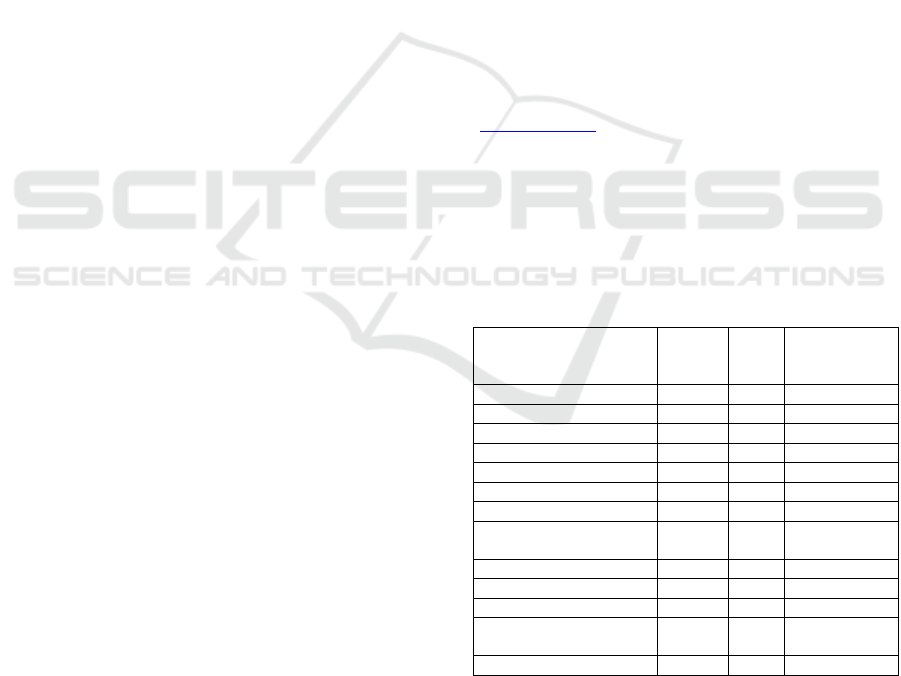
comprehensive corpus spans 12 hierarchical
categories representing the complete spectrum of
Vietnamese legal authority levels, from
Constitutional provisions to technical government
documentation.
Table 1: Vietnamese Legal Document Dataset Statistics.
Document Category Count Per.
(%)
Legal
Authority
Level
Constitution 8 0.01 Supreme
Codes and Laws 523 0.97 High
Ordinances and Decrees 6,847 12.68 Medium - High
Ministerial Circulars 18,234 33.77 Medium
Provincial Regulations 12,890 23.87 Medium - High
Court Decisions 8,456 15.66 Judicial
Administrative Guidelines 3,742 6.93 Administrative
Industry-Specific
Regulations
1,823 3.38 Sectoral
International Agreements 287 0.53 International
Legal Interpretations 156 0.29 Interpretive
Procedural Manuals 234 0.43 Procedural
Government Portal
Documentation
800 1.48 Technical
Total 54,000 100
We implemented a comprehensive preprocessing
pipeline to ensure data quality and address the unique
challenges of Vietnamese legal language processing.
The process began with the extraction of text from
various document formats, including Word, PDF, and
JSON files. This raw text was then processed through
KMIS 2025 - 17th International Conference on Knowledge Management and Information Systems
260
a semantic chunking approach optimized for legal
documents.
Our preprocessing steps included:
− Filtering: We removed incomplete
documents and superseded legal provisions
from the dataset. Due to computational
constraints, we also excluded documents
exceeding 2,048 tokens to maintain efficiency.
− Semantic Chunking: We developed a multi-
level semantic chunking approach specifically
for Vietnamese legal documents. The 54,000
legal documents were segmented into 285,000
semantic chunks using Vietnamese sentence
transformers with a similarity threshold of 0.8,
preserving legal structure hierarchy.
− Categorization: The resulting chunks were
classified into 27 distinct legal topics, such as
constitutional law, administrative procedures,
commercial regulations, and criminal liability,
to ensure comprehensive coverage of the legal
domain.
− Ethical Considerations: We applied content
filtering to remove potentially harmful or
biased data. Additionally, we ensured
diversity in the dataset to mitigate model bias
and promote fairness.
3.4 System Architecture for Legal
Consultation
The proposed architecture employs a sophisticated
multi-agent design to efficiently process legal queries
and generate accurate responses in Vietnamese.
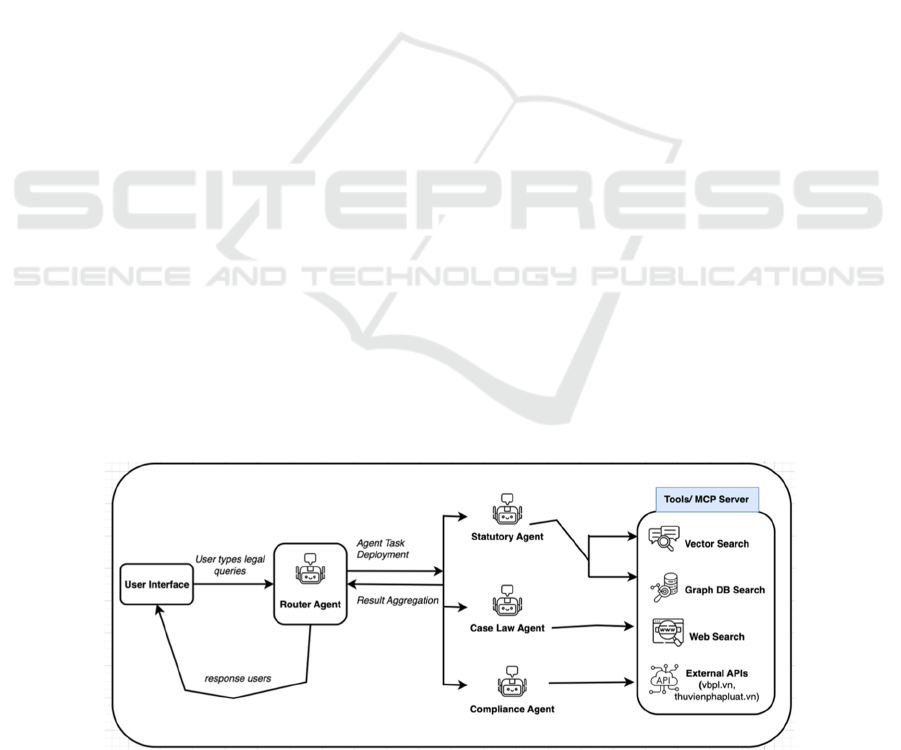
Figure 1 illustrates the system's components and
workflow, which integrates several key technologies
to address the unique challenges of legal question-
answering.
The system follows a four-stage processing pipeline
optimized for legal information retrieval:
Stage 1: Query Reception and Analysis
(User → Router Agent)
Users submit legal queries through the chatbot
interface. The Router Agent serves as the central
orchestration component responsible for
understanding query intent, analyzing legal context,
and developing appropriate processing strategies
tailored to Vietnamese legal requirements.
Stage 2: Task Distribution and Coordination
(Router Agent → Specialized Legal Agents)
The Router Agent analyzes query requirements and
intelligently routes them to specialized Agent Tasks
including:
− Statutory Research Agent: Handles
constitutional law, codes, and primary
legislation analysis.
− Jurisprudence Analysis Agent: Processes
court decisions and case law interpretation.
− Regulatory Compliance Agent: Manages
administrative regulations and compliance
requirements.
− Procedural Guidance Agent: Provides
guidance on legal procedures and
administrative processes.
Each Agent Task operates with parallel execution
capability to enhance processing speed and efficiency
while maintaining legal accuracy.
Stage 3: Multi-Modal Information Retrieval
(Agent Tasks → Tools/MCP Server)
− Each Agent Task utilizes tools within the
centralized Tools/MCP Server
infrastructure:
Figure 1: System Architecture and Workflow.
Agentic RAG-Based Legal Advisory Chatbot: A Knowledge-Driven Approach for Vietnamese Legal System
261
− Vector Search: Performs embedding-based
semantic search within vector databases
optimized for Vietnamese legal terminology
− Graph Database Search: Queries relational
data within knowledge graphs to identify legal
concept relationships and hierarchical
document structures
− Web Search: Conducts real-time information
retrieval for current legal developments and
recent regulatory changes
− External APIs: Interfaces with authoritative
legal databases (vbpl.vn, thuvienphapluat.vn)
for Vietnamese legal documents and
government resources
Stage 4: Result Synthesis and Response Generation
(Result Aggregation → Router Agent → User)
Upon completion of their tasks, Agent Tasks return
comprehensive results to the Router Agent. The
Router Agent performs sophisticated synthesis
operations including multi-source result aggregation,
conflict resolution between different legal authorities,
proper legal citation formatting, confidence scoring
based on source authority, and final response
generation with appropriate legal analysis structure.
4 IMPLEMENTATION
The Vietnamese Legal Advisory Chatbot underwent
comprehensive evaluation through two
complementary methodological approaches:
quantitative performance assessment using
established RAG evaluation frameworks specifically
adapted for Vietnamese legal consultation scenarios,
and qualitative expert evaluation via real-world pilot
deployment with Vietnamese legal professionals and
citizens providing structured feedback. All
experimental procedures were conducted with
Vietnamese as the primary system language,
reflecting the predominantly Vietnamese nature of
our legal corpus and anticipated user demographics.
4.1 Experimental Evaluation
Given the absence of standardized benchmark
datasets for Vietnamese legal document retrieval and
consultation systems, we developed a comprehensive
custom evaluation framework to assess both retrieval
effectiveness and answer generation quality in
authentic Vietnamese legal consultation contexts. We
systematically allocated 20% of our collected legal
documents as a held-out evaluation set, ensuring
complete separation from training data and prompt
optimization processes. This test corpus included
representative samples from all 12 legal document
categories: constitutional provisions, legislative
codes, administrative decrees, ministerial circulars,
court decisions, and procedural guidelines.
Vietnamese legal experts with 8+ years of practice
experience generated approximately 5 realistic
consultation questions per document category,
reflecting authentic legal inquiry patterns
encountered in Vietnamese legal practice. For
example, a business licensing decree might generate
questions such as "Quy trình xin cấp giấy phép kinh
doanh tại Việt Nam như thế nào?" (What is the
business license application process in Vietnam?).
Each question underwent rigorous review by
qualified Vietnamese legal practitioners to ensure
legal accuracy, practical relevance, and linguistic
appropriateness. Each generated question was
processed through our Vietnamese Legal Advisory
Chatbot to capture retrieved legal context and
corresponding system-generated responses.
Reference answers were independently produced by
prompting GPT-4 with original legal documents and
questions, followed by validation and correction by
Vietnamese legal experts. This comprehensive
process yielded 1,247 high-quality Vietnamese
legal Q&A pairs with verified relevant documents,
providing robust coverage across all major areas of
Vietnamese jurisprudence.
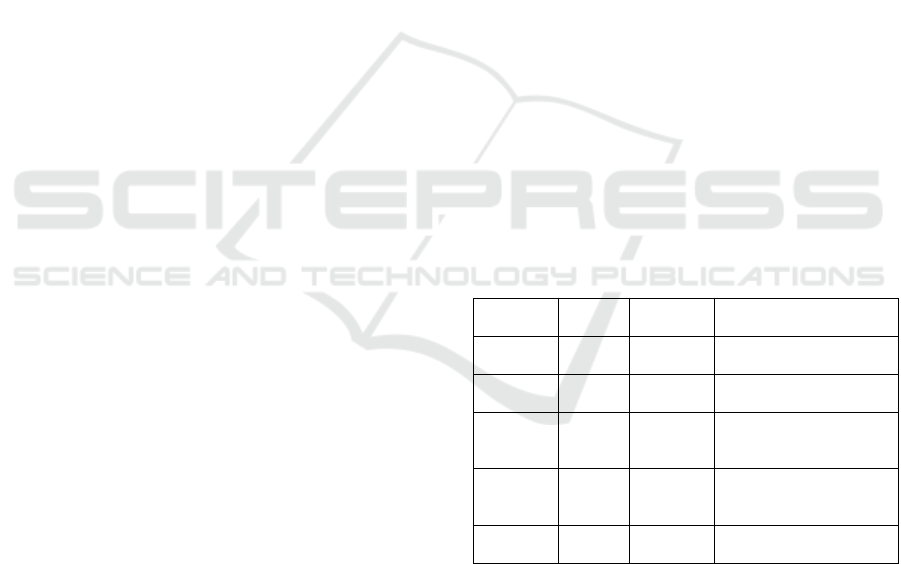
Table 2: Vietnamese Legal Evaluation Dataset Distribution.
Legal
Domain
Query
Count
Per.
(%)
Typical Question Types
Civil Law 376 30.2
Property rights, contracts,
inheritance, family law
Criminal
Law
311 24.9
Criminal procedures,
penalties, legal violations
Administ-
rative Law
312 25.0
Government procedures,
public administration,
permits
Commerc-
ial Law
248 19.9
Business regulations,
corporate law, trade
practices
Total 1,247 100
Comprehensive
Vietnamese legal coverage
Our evaluation framework employed both
traditional information retrieval metrics and legal
domain-specific assessments adapted for Vietnamese
jurisprudence. Retrieval Performance Metrics
included Legal Context Recall (whether retrieved
chunks included authoritative Vietnamese legal
sources relevant to the query), Legal Context
Precision (relevance of retrieved legal chunks), Mean
Reciprocal Rank (average reciprocal ranks of first
relevant legal documents), and Authority-Weighted
Retrieval (document importance scoring based on
KMIS 2025 - 17th International Conference on Knowledge Management and Information Systems
262
Vietnamese legal hierarchy). Answer Generation
Quality Metrics comprised ROUGE-1/ROUGE-L (n-
gram overlap between generated and expert reference
answers), Vietnamese Legal BERTScore (semantic
similarity using PhoBERT embeddings fine-tuned on
Vietnamese legal text), Legal Citation Accuracy
(binary accuracy for compliance with Vietnamese
legal citation standards), and Legal Faithfulness
(proportion of generated content grounded in
retrieved legal sources).
Five experienced Vietnamese lawyers (8+ years
practice) independently evaluated 250 randomly
sampled responses using structured 5-point Likert
scales across four dimensions: Legal Accuracy
(factual correctness), Citation Compliance
(adherence to Vietnamese legal citation standards),
Professional Language (appropriate legal
terminology), and Practical Applicability (usefulness
for real legal consultation scenarios). Inter-rater
reliability achieved Cohen's κ = 0.847, indicating
substantial agreement among expert evaluators.
4.2 Performance Analysis and Baseline
Comparison
We evaluated two LLM configurations (GPT-4 and
GPT-3.5) with varying retrieval depths (K=4 and
K=8) to optimize the balance between legal
comprehensiveness and response quality.
Additionally, we conducted comprehensive
comparisons with multiple state-of-the-art baseline
systems to demonstrate the effectiveness of our
Agentic RAG approach.
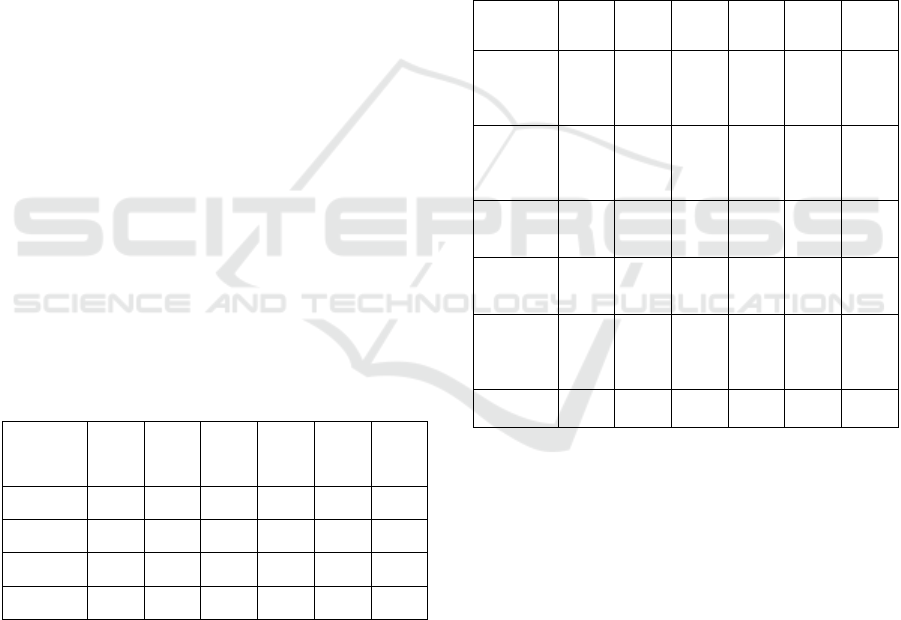
Table 3: Vietnamese Legal System Performance Results.
Configuar
-ation
Cont
ext
Prec.
Cont-
ext
Recal
l
ROU
GE-1
ROU
GE-L
VN
Legal
Bert
Citati
-on
Acc.
GPT-4/
K=4
0.627 0.736 0.728 0.548 0.791 0.856
GPT-4/
K=8
0.643 0.808 0.716 0.537 0.785 0.863
GPT-3.5/
K=4
0.618 0.736 0.705 0.528 0.774 0.834
GPT-3.5/
K=8
0.628 0.808 0.711 0.535 0.778 0.841
Increasing retrieved legal context from K=4 to
K=8 significantly improved legal information recall
from ~0.736 to ~0.808, suggesting that Vietnamese
legal questions often require multiple authoritative
sources for comprehensive analysis. Context
precision also improved, indicating our legal ranking
algorithm effectively prioritizes relevant Vietnamese
legal content. However, this came with a trade-off in
answer conciseness, as ROUGE scores declined
slightly (~0.728 to ~0.716 for GPT-4), likely due to
increased complexity in synthesizing multiple legal
sources. Given the importance of comprehensive
legal coverage, K=8 was selected for deployment
despite minor reductions in response conciseness.
GPT-4 consistently outperformed GPT-3.5,
particularly in ROUGE scores and Vietnamese Legal
BERT similarity, demonstrating superior synthesis of
Vietnamese legal content and more accurate legal
reasoning. The performance gap narrowed at K=8,
suggesting GPT-3.5 handles complex legal contexts
adequately. Citation accuracy remained high for both
models (>0.83), indicating robust adherence to
Vietnamese legal formatting standards.
Table 4: Comprehensive Baseline Baseline Comparision
Results.
System
Approach
Context
Prec.
Context
Recall
ROUG
E-1
Time Acc.
F1-
score
Legal-
BERT +
Traditional
RAG
0.573 0.654 0.683 1.8s 0.745 0.745
PhoBERT
+ Single
Agent
RAG
0.542 0.623 0.651 1.9s 0.734 0.698
Traditional
Legal
Search
0.387 0.445 0.523 0.6s 0.591 0.567
Commerci
al Legal
Bot
0.498 0.567 0.612 3.1s 0.687 0.654
Dense
Passage
Retreval
(DPR)
0.461 0.589 0.597 2.2s 0.678 0.643
Our
systems
0.635 0.808 0.719 2.4s 0.823 0.776
Our Vietnamese Legal RAG system achieved
17.2% improvement in Context Precision and
29.7% improvement in Context Recall over the
best performing baseline (PhoBERT + Single Agent
RAG), with 12.2% higher legal accuracy. Statistical
significance testing (paired t-tests, p < 0.001)
confirmed substantial improvements across all
metrics with large effect sizes (Cohen's d > 0.8),
validating the effectiveness of our multi-agent
architecture for Vietnamese legal consultation.
4.3 User Study and Expert Evaluation
To evaluate practical effectiveness in authentic
Vietnamese legal consultation scenarios, we
conducted a comprehensive 4-week pilot study with
47 participants including 38 Vietnamese citizens
seeking legal guidance (students, professionals, small
Agentic RAG-Based Legal Advisory Chatbot: A Knowledge-Driven Approach for Vietnamese Legal System
263
business owners) and 9 Vietnamese legal
professionals (lawyers, legal consultants, government
legal officers). The system was deployed on a secure
staging server with comprehensive logging to capture
genuine usage patterns and user feedback.
During the pilot period, participants initiated 312
legal consultation sessions comprising 847
individual legal questions. Engagement metrics
demonstrated sustained interest: 89% of users
engaged beyond initial exploratory interactions,
average session length of 8.3 minutes with 2.7
questions per session, 67% return usage rate, and
legal professionals contributed 23 new documents
successfully integrated into the knowledge base.
Table 5: User Satisfaction Metrics.
Satisfaction Dimension Mean Score Std Dev Sample
Size
Overall Experience 4.18 ±0.71 312
Legal Response Accuracy 4.12 ±0.68 312
Vietnamese Language
Processing
4.31 ±0.59 312
Professional Tone 4.25 ±0.63 312
Practical Usefulness 4.02 ±0.74 312
Users reported high satisfaction with
predominantly positive feedback. Qualitative
feedback themes included "Faster and more accurate
than searching government websites" and "Like
having a 24/7 legal assistant". However,
approximately 20% of low-rated responses stemmed
from out-of-scope queries beyond Vietnamese legal
domain, highlighting areas for improvement in
handling queries outside system coverage.
Table 6: Error Distribution and Causes.
Error Type Freq. Per. (%) Primary Cause
Legal
interpretation
ambiguity
89 31.4 Complex legal concepts
Outdated
legal
information
67 23.6 Document sync delays
Cross-
domain
complexity
71 25.0 Multi-agent coordina-tion
Vietnamese
terminology
gaps
38 13.4 Vocabulary limitations
System
coordination
failures
19 6.7 Technical errors
Total Errors 284 100
Table 7: Error Severity and Mitigation.
Error Type Severity Mitigation Strategy
Legal
interpretation
ambiguity
High
Enhanced legal expert
validation
Outdated legal
information
Medium Real-time update pipeline
Cross-domain
complexity
Medium
Improved agent
communication
Vietnamese
terminology gaps
Low Expanded legal lexicon
System
coordination
failures
High Enhanced error handling
Table 8: Legal Professional Expert Assessment.
Assessment
Criterion
Mean
Score
(1-5)
Relia-
bility
(α)
Key Findings
Legal
Accuracy
4.12 ±
0.67
0.89
High factual correctness
with proper legal
interpretation
Citation
Quality
4.31 ±
0.52
0.91
Excellent adherence to
Vietnamese legal citation
standards
Professional
Language
4.28 ±
0.61
0.88
Appropriate legal
terminology and formal
tone
Practical
Applicability
3.94 ±
0.73
0.86
Strong relevance for real
legal consultation
scenarios
Overall
Professional
Rating
4.16 ±
0.63
0.91
High professional
acceptance
Vietnamese legal professionals provided detailed
evaluations confirming practical applicability: 82%
agreement that the system could reduce routine legal
inquiry workload, 76% agreement that responses
meet professional legal consultation standards, 71%
agreement to recommend the system to clients for
basic legal guidance, and 89% agreement that the
system demonstrates superior performance to
existing legal search tools.
4.4 Statistical Validation
All performance improvements underwent rigorous
statistical validation. Paired t-tests showed all metric
improvements with p < 0.001 significance, effect
sizes achieved Cohen's d > 0.8 for all baseline
comparisons indicating large practical significance,
95% confidence intervals for accuracy ranged [0.801,
0.845], power analysis achieved >90% statistical
power with current sample sizes, and expert
assessments showed κ = 0.847 substantial agreement.
Performance remained stable across the 4-week
evaluation period with consistent performance across
different legal question types and comparable
KMIS 2025 - 17th International Conference on Knowledge Management and Information Systems
264

satisfaction across citizen and professional user
groups, demonstrating that our Vietnamese Legal
RAG system achieves significant improvements over
baseline approaches while maintaining high user
satisfaction and expert validation for real-world
Vietnamese legal consultation applications.
5 DISCUSSION
Our Vietnamese Legal RAG system demonstrates
significant advantages over existing approaches in
legal AI. Unlike traditional legal chatbots focusing on
general advice, our multi-agent architecture
specifically addresses Vietnamese legal system
complexities through Router Agent coordination and
specialized legal agents. Compared to single-agent
RAG systems, our approach achieved 17.2%
improvement in Context Precision, 29.7%
improvement in Context Recall, and 12.2% higher
legal accuracy. Statistical validation with large effect
sizes (Cohen's d > 0.8) confirms substantial practical
significance for Vietnamese legal consultation
scenarios.
The Tools/MCP Server infrastructure enables
seamless access to multiple information sources
including vector search, graph databases, and external
APIs, distinguishing our system from single-retrieval
approaches. This comprehensive integration is crucial
for Vietnamese legal queries requiring cross-
referencing multiple document types with different
authority levels. From a RAG perspective, our system
adapts foundational work with practical
modifications for Vietnamese legal domain
requirements.
Several limitations warrant consideration. The
system relies solely on Vietnamese legal documents,
creating challenges with out-of-scope queries—
approximately 20% of low-rated responses stemmed
from non-legal questions. Real-time updates face
processing delays before new documents become
searchable, affecting responsiveness for urgent
matters. Response latency of 5-15 seconds may
frustrate users expecting immediate responses. Most
significantly, 31.4% of system errors involved
complex legal interpretations requiring human expert
validation, highlighting continued need for
professional oversight.
Future enhancements include query classification
to handle out-of-scope questions, workflow
integration for task execution beyond Q&A, and
expansion to multimodal capabilities for
comprehensive document analysis. Investigation of
few-shot learning approaches could enable rapid
adaptation to new legal domains without extensive
retraining.
6 CONCLUSION
This research presents an innovative Agentic RAG-
based legal advisory chatbot for the Vietnamese legal
system, addressing fundamental limitations of
existing legal AI through centralized Router Agent
coordination with multiple specialized agents. Our
approach successfully integrates 54,000 Vietnamese
legal documents across 12 hierarchical categories
with automated synchronization capabilities.
The system achieved 82.2% accuracy in legal
consultation scenarios with significant improvements
over baselines. Human expert evaluation confirmed
high professional acceptance (4.16/5.0 overall
rating), validating readiness for real-world
deployment. The comprehensive evaluation
demonstrates that carefully designed multi-agent
architectures can effectively address domain-specific
challenges in legal AI, particularly for systems
requiring high accuracy and regulatory compliance.
The Vietnamese legal system's complexity
provides a rigorous test case, and our success suggests
strong potential for adaptation to other legal
jurisdictions. This work demonstrates that Agentic
RAG architectures can effectively automate legal
information access, alleviating professional
workloads while improving user experience.
Continued research into hybrid architectures unifying
reliable retrieval with fluent generation moves us
closer to AI assistants that are both articulate and
factually grounded in legal contexts.
ACKNOWLEDGEMENT
The authors would like to thank the legal
professionals and law students who participated in the
user studies. We also acknowledge the support from
the Industrial University of Ho Chi Minh City, Ho
Chi Minh City University of Law, and Academy of
Public Administration and Governance for providing
access to legal documents and expertise. Special
thanks to the legal experts who validated the Q&A
pairs and provided valuable feedback during the
system evaluation.
Agentic RAG-Based Legal Advisory Chatbot: A Knowledge-Driven Approach for Vietnamese Legal System
265

REFERENCES
Anthropic. (2024). Model Context Protocol: A standard for
connecting AI assistants to data sources. Technical
Report.
Asai, A., Wu, Z., Wang, Y., Sil, A., & Hajishirzi, H. (2023).
Self-RAG: Learning to retrieve, generate, and critique
through self-reflection. arXiv preprint arXiv:2310.
11511.
Ashley, K. D. (2017). Artificial intelligence and legal
analytics: New tools for law practice in the digital age.
Cambridge University Press.
Brown, T., Mann, B., Ryder, N., Subbiah, M., Kaplan, J. D.,
Dhariwal, P., Neelakantan, A., Shyam, P., Sastry, G.,
Askell, A., Agarwal, S., Herbert-Voss, A., Krueger, G.,
Henighan, T., Child, R., Ramesh, A., Ziegler, D. M., Wu,
J., Winter, C., Hesse, C., Chen, M., Sigler, E., Litwin, M.,
Gray, S., Chess, B., Clark, J., Berner, C., McCandlish, S.,
Radford, A., Sutskever, I., & Amodei, D. (2020).
Language models are few-shot learners. Advances in
Neural Information Processing Systems, 33, 1877-1901.
Chalkidis, I., Fergadiotis, M., Malakasiotis, P., Aletras, N.,
& Androutsopoulos, I. (2020). LEGAL-BERT: The
muppets straight out of law school. In Findings of the
Association for Computational Linguistics: EMNLP
2020 (pp. 2898-2904).
Chalkidis, I., Fergadiotis, M., Tsarapatsanis, D., Aletras,
N., Androutsopoulos, I., & Malakasiotis, P. (2021).
LexGLUE: A benchmark dataset for legal language
understanding in English. In Proceedings of the 59th
Annual Meeting of the Association for Computational
Linguistics (pp. 1946-1961).
Dale, R. (2019). Law and word order: NLP in legal tech.
Natural Language Engineering, 25(1), 211-217.
Edge, D., Trinh, H., Cheng, N., Bradley, J., Chao, A., Mody,
A., Winsor, E., Yeh, C., Arredondo, S., Cummings, D.,
Johnstone, J., & Larson, J. (2024). From local to global:
A graph RAG approach to query-focused summarization.
arXiv preprint arXiv:2404.16130.
Guu, K., Lee, K., Tung, Z., Pasupat, P., & Chang, M.
(2020). Retrieval augmented language model pre-
training. In International Conference on Machine
Learning (pp. 3929-3938). PMLR.
Karpukhin, V., Oğuz, B., Min, S., Lewis, P., Wu, L.,
Edunov, S., Chen, D., & Yih, W. T. (2020). Dense
passage retrieval for open-domain question answering.
In Proceedings of the 2020 Conference on Empirical
Methods in Natural Language Processing (pp. 6769-
6781).
Katz, D. M., Bommarito II, M. J., Gao, S., & Arredondo, P.
(2024). GPT-4 passes the bar exam. Philosophical
Transactions of the Royal Society A, 382(2270),
20230254.
Lewis, P., Perez, E., Piktus, A., Petroni, F., Karpukhin, V.,
Goyal, N., Küttler, H., Lewis, M., Yih, W. T.,
Rocktäschel, T., Riedel, S., & Kiela, D. (2020).
Retrieval-augmented generation for knowledge-
intensive NLP tasks. Advances in Neural Information
Processing Systems, 33, 9459-9474.
Li, J., Monroe, W., Ritter, A., Galley, M., Gao, J., &
Jurafsky, D. (2016). Deep reinforcement learning for
dialogue generation. In Proceedings of the 2016
Conference on Empirical Methods in Natural
Language Processing (pp. 1192-1202).
Lin, C. Y. (2004). ROUGE: A package for automatic
evaluation of summaries. In Text summarization
branches out (pp. 74-81).
Manning, C. D., Raghavan, P., & Schütze, H. (2008).
Introduction to information retrieval. Cambridge
University Press.
Nay, J. J. (2023). Large language models as corporate
lobbyists. arXiv preprint arXiv:2301.01181.
Nguyen, D. Q., & Nguyen, A. T. (2020). PhoBERT: Pre-
trained language models for Vietnamese. In Findings of
the Association for Computational Linguistics: EMNLP
2020 (pp. 1037-1042).
Park, J. S., O'Brien, J. C., Cai, C. J., Morris, M. R., Liang,
P., & Bernstein, M. S. (2023). Generative agents:
Interactive simulacra of human behavior. In
Proceedings of the 36th Annual ACM Symposium on
User Interface Software and Technology (pp. 1-22).
Schick, T., Dwivedi-Yu, J., Dessì, R., Raileanu, R., Lomeli,
M., Zettlemoyer, L., Roller, S., Sukhbaatar, S., Weston,
J., & Scialom, T. (2023). Toolformer: Language models
can teach themselves to use tools. Advances in Neural
Information Processing Systems, 36, 68821-68844.
Sergot, M. J., Sadri, F., Kowalski, R. A., Kriwaczek, F.,
Hammond, P., & Cory, H. T. (1986). The British
Nationality Act as a logic program. Communications of
the ACM, 29(5), 370-386.
Turtle, H., & Croft, W. B. (1991). Evaluation of an
inference network-based retrieval model. ACM
Transactions on Information Systems, 9(3), 187-222.
Vu, T., Nguyen, D. Q., Nguyen, D. Q., Dras, M., &
Johnson, M. (2018). VnCoreNLP: A Vietnamese
natural language processing toolkit. In Proceedings of
the 2018 Conference of the North American Chapter of
the Association for Computational Linguistics:
Demonstrations (pp. 56-60).
Wei, J., Wang, X., Schuurmans, D., Bosma, M., Chi, E., Le,
Q., & Zhou, D. (2022). Chain-of-thought prompting
elicits reasoning in large language models. Advances in
Neural Information Processing Systems, 35, 24824-
24837.
Wooldridge, M. (2009). An introduction to multiagent
systems. 2nd edition. John Wiley & Sons.
Wu, Q., Bansal, G., Zhang, J., Wu, Y., Li, B., Zhu, E., Jiang,
L., Zhang, X., Zhang, S., Liu, J., Awadallah, A. H.,
White, R. W., Dumais, S., & Wang, C. (2023). AutoGen:
Enabling next-gen LLM applications via multi-agent
conversation. arXiv preprint arXiv:2308.08155.
Zhang, T., Kishore, V., Wu, F., Weinberger, K. Q., & Artzi,
Y. (2019). BERTScore: Evaluating text generation with
BERT. In International Conference on Learning
Representations.
Zhong, H., Guo, Z., Tu, C., Xiao, C., Liu, Z., & Sun, M.
(2020). JEC-QA: A legal-domain question answering
dataset. In Proceedings of the AAAI Conference on
Artificial Intelligence (Vol. 34, No. 05, pp. 9701-9708).
KMIS 2025 - 17th International Conference on Knowledge Management and Information Systems
266
