Exploring Audience Reactions on YouTube: An Approach to Sentiment
and Toxicity Analysis
Andr
´
e F. Rollwagen
1, 2 a
, Gabriel Zurawski
2 b
, Stefano Carraro
2
, Roberto Tietzmann
2 c
,
Marcelo C. Fontoura
2 d
and Isabel H. Manssour
2 e
1
Federal Institute of Education, Science and Technology Sul-Rio-Grandense, IFSUL, Brazil
2
Pontifical Catholic University of Rio Grande do Sul - PUCRS, Porto Alegre, Brazil
Keywords:
YouTube, Social Media Analysis, Sentiment Analysis, Toxic Speech Detection, Portuguese Language.
Abstract:
Social media platforms like YouTube have become central spaces for public expression, allowing users to share
their emotional reactions and, at times, toxic content. Understanding these reactions requires scalable and
reproducible approaches that can handle informal, user-generated content. This paper presents an integrated
approach for analyzing sentiment polarity and detecting toxic speech in YouTube video comments written in
Portuguese. For this, we developed a set of Python scripts that automate data collection and apply Natural
Language Processing (NLP) techniques to perform both tasks. These scripts are publicly available and can be
adapted for use in various video and social analysis contexts. Interactive visualizations were also generated
to support the interpretation of results. The applicability of the approach is demonstrated through two case
studies involving highly controversial videos, which allow us to explore the relationship between sentiment,
toxicity, and audience engagement patterns. The results provide valuable insights into the dynamics of public
discourse and offer tools for future research on audience speech analysis on YouTube.
1 INTRODUCTION
Social media platforms like YouTube have become
central spaces for public debate. Comments posted
by users on videocasts or communication channels,
e.g., often express opinions, emotions, and sometimes
manifestations of toxic language. Although rich in
content, such environments are also prone to offen-
sive, discriminatory, or aggressive messages (Fortuna
et al., 2021), reinforcing the need for automated meth-
ods to detect and interpret these expressions.
In this context, it is essential to clarify key con-
cepts. Hate speech, as defined by (Fortuna et al.,
2021), targets individuals or groups based on traits
like race, gender, or religion, often carrying legal im-
plications. Toxicity is a broader concept that includes
hate speech along with offensive language, threats,
and verbal abuse. Here, we use the term toxic speech
to encompass this wider range of harmful expressions.
a
https://orcid.org/0000-0002-1106-7222
b
https://orcid.org/0009-0007-4594-1938
c
https://orcid.org/0000-0002-8270-0865
d
https://orcid.org/0000-0002-3229-0167
e
https://orcid.org/0000-0001-9446-6757
Most existing works focus exclusively either on
sentiment analysis (Kurtz et al., 2025; Dharini et al.,
2025) or on the detection of toxic speech (Bonetti
et al., 2023; Maity et al., 2024). However, few works
explore both dimensions jointly, especially in high-
visibility contexts such as videocasts, where the com-
bination of emotional tone and the presence of toxic
speech can offer a more comprehensive understand-
ing of audience reactions. Additionally, while much
research centers on platforms like Twitter (Campan
and Holtke, 2024; Siegel, 2020) (now called X),
YouTube, despite its 2.7 billion users in 2023 (Muneer
and Khan, 2025), remains underexplored. These fig-
ures underscore its strategic relevance for studies on
large-scale interactions and discursive behavior.
Language bias is another limitation, with a
predominance of English-centered analyses (Siegel,
2020). Portuguese remains underexplored, especially
in works that provide open repositories and repro-
ducible methodologies (Leite et al., 2020). In this
context, we focus on the Portuguese language, moti-
vated by both linguistic proximity and the nature of
the conflicts analyzed, which emerged in Brazilian
media and are expressed in that language.
Thus, this work aims to develop an approach
Rollwagen, A. F., Zurawski, G., Carraro, S., Tietzmann, R., Fontoura, M. C. and Manssour, I. H.
Exploring Audience Reactions on YouTube: An Approach to Sentiment and Toxicity Analysis.
DOI: 10.5220/0013718200003985
Paper published under CC license (CC BY-NC-ND 4.0)
In Proceedings of the 21st International Conference on Web Information Systems and Technologies (WEBIST 2025), pages 481-488
ISBN: 978-989-758-772-6; ISSN: 2184-3252
Proceedings Copyright © 2025 by SCITEPRESS – Science and Technology Publications, Lda.
481

for performing sentiment analysis and toxicity de-
tection in Portuguese-language YouTube comments.
The proposed solution involves the development of
Python scripts that enable comment collection, sen-
timent classification (positive, negative, or neutral),
and the identification of different levels of toxicity.
Additionally, visualizations are generated to facili-
tate the interpretation of results and support the ex-
ploratory analysis of audience reaction patterns. To
demonstrate the applicability of our approach, we an-
alyzed two high-impact YouTube videos, examining
how content type shapes the tone of comments and
engagement patterns, supported by visualizations and
metrics that reveal discursive trends.
Therefore, the main contributions of this work are:
• The integrated application of sentiment analy-
sis and toxicity detection on the same textual
dataset, enabling the investigation of relationships
between emotional polarity and offensive speech.
• The set of Python scripts that automate the collec-
tion, sentiment analysis, and toxicity detection of
comments on YouTube videos.
• The possibility of visually exploring correlations
between sentiment and toxicity, allowing for the
visual analysis of comment dynamics.
• The demonstration of the proposed approach
through two case studies involving widely dis-
cussed videos, highlighting its ability to reveal
discursive patterns in contexts marked by high au-
dience engagement and social controversy.
The remainder of this paper is organized as fol-
lows. Section 2 presents related work. Section 3 de-
scribes the methodology. The results are discussed
in Section 4, together with the description of the two
case studies. Section 5 outlines our findings.
2 RELATED WORK
Sentiment analysis and toxic speech detection on so-
cial media have been widely investigated as strategies
to understand public opinion and engagement patterns
in political, social, and cultural contexts. Recent ad-
vances apply Natural Language Processing (NLP) and
deep learning techniques to automate the collection,
preprocessing, and analysis of textual data (Yadollahi
et al., 2022).
The study by (Parraga-Alava et al., 2021) employs
an API-based pipeline to analyze tweet sentiment dur-
ing Ecuador’s presidential election, revealing correla-
tions with the results. (Vargas et al., 2022) proposed
an Unsupervised method for Aspect Term Extraction
(UnATE) that combines topic models, word embed-
dings, and a fine-tuned BERT model, proving effec-
tive for sentiment analysis in product reviews without
labeled data.
In YouTube, (Adesina and Howe, 2024) apply
a multilabel model using Graph Convolutional Net-
works (GCNs) and LLMs to classify sentiments in
political comments. Also, (Bindhumol et al., 2024)
combine Convolutional LSTM and Convolutional
Gated Recurrent Unit (CGRU) networks to support
recommendation systems based on sentiments ex-
tracted from user comments. (Guzman et al., 2025)
conduct a manual sentiment analysis to reveal pat-
terns of distrust toward vaccines and public policies
during the pandemic, while (Schmidt et al., 2023)
analyze georeferenced sentiment on X after Elon
Musk’s acquisition, exposing regional polarization.
In toxic speech detection, (Shahi and Majchrzak,
2025) demonstrates that leveraging data from multi-
ple platforms improves classifier performance when
corpora are similar. (Kamma et al., 2025) propose a
Bi-LSTM with hierarchical attention, achieving high
precision and recall in comment classification.
Table 1 presents a comparative summary of re-
lated work, highlighting the data sources, models and
libraries, and key contributions.
In contrast to related works, we propose an ap-
proach for analyzing YouTube comments written in
Portuguese that combines sentiment analysis (posi-
tive, negative, and neutral) and toxic speech detec-
tion in a unified manner. While most works focus
on English data analysis and typically address only
one of these dimensions, we provide both classifi-
cations simultaneously. Interactive visualizations are
also available to support the interpretation and explo-
ration of the results. We made the code available on
GitHub
1
to facilitate reproducibility and contribute to
research on public speech in digital media.
3 RESEARCH METHODOLOGY
This section outlines the methodology used for col-
lecting comments from YouTube videos, performing
sentiment analysis, detecting toxic speech, and pre-
senting the results through visualizations. To support
this process, a set of Python scripts has been devel-
oped and is available, enabling the systematic execu-
tion of data gathering, processing, and analysis, the
latter supported by LLMs. Figure 1 illustrates the
methodological workflow adopted.
1
https://github.com/DAVINTLAB/Toxicytube
WEBIST 2025 - 21st International Conference on Web Information Systems and Technologies
482
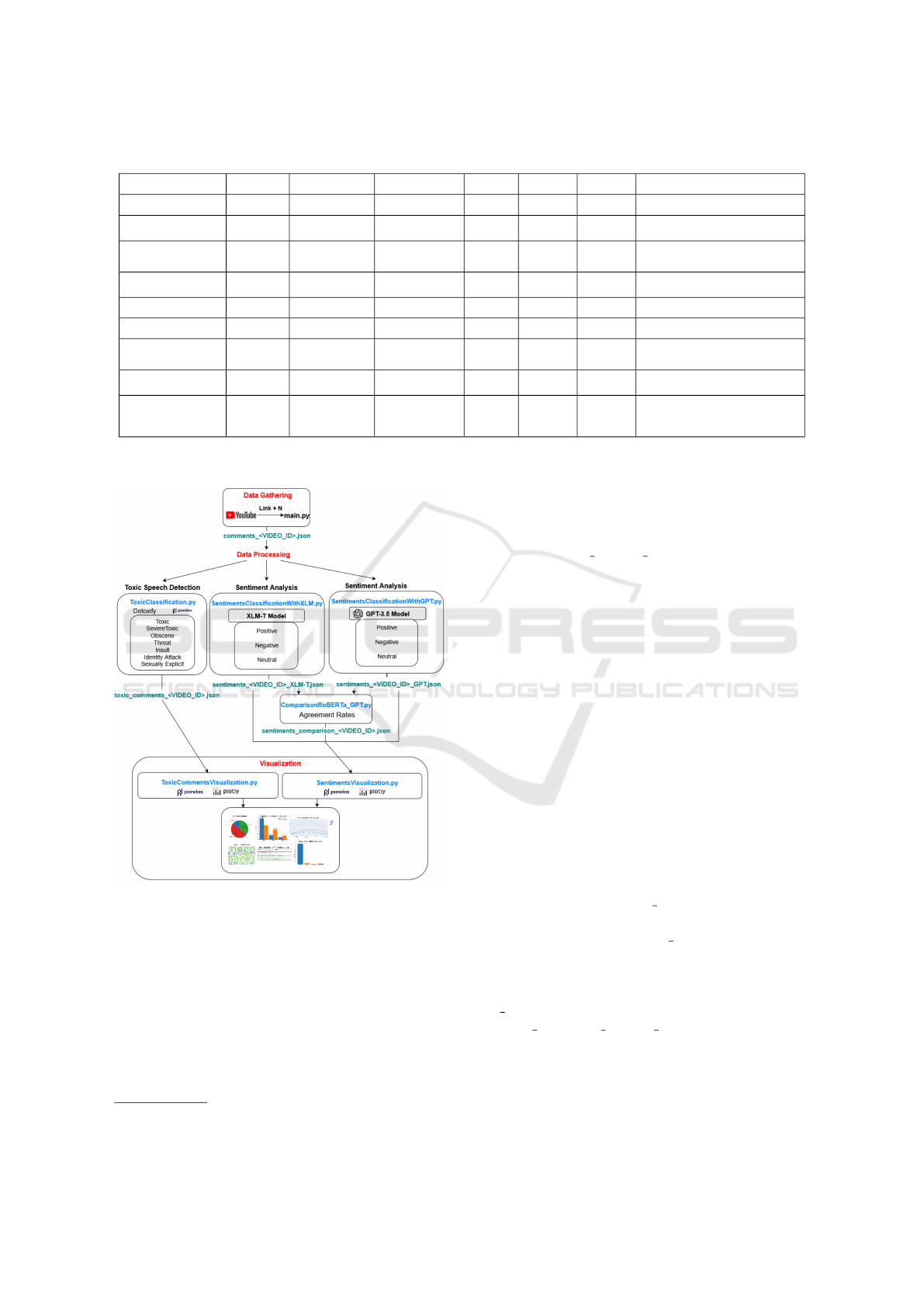
Table 1: Comparison of related work.
Reference Source
Sentiment
Analysis
Toxic Detection
Visual
Analysis
Language
Code
Available
Main Contribution
(Parraga-Alava et al.,
2021)
X
TextBlob
1
✓ Spanish Correlation between sentiment polarity
and electoral outcomes
(Vargas et al., 2022)
Product
Reviews
UNATE English Proposal of UNATE method for aspect-
level sentiment analysis
(Adesina and Howe,
2024)
YouTube
GCNs,
ChatGPT-4,
VADER
2
✓ English Multilabel political sentiment classifica-
tion using NLP
(Guzman et al., 2025) X Not specified ✓
Filipino,
English
Patterns of distrust and negative senti-
ment during pandemic
(Bindhumol et al.,
2024)
YouTube CLSTM, CGRU ✓ English Sentiment-based product recommenda-
tion from YouTube comments
(Schmidt et al., 2023) X RoBERTa ✓ English Detection of negative sentiment and re-
gional polarization
(Shahi and Majchrzak,
2025)
YouTube,
X, Gab,
Wikipedia
SVM, LSTM,
BERT
English,
German
✓ Improved hate speech detection using
cross-platform dataset similarity
(Kamma et al., 2025) X
Bi-LSTM,
Word2Vec
3
English Hierarchical Bi-LSTM for toxic com-
ment detection
Our Approach YouTube
XLM-T,
GPT-3.5-Turbo
XLM-T,
GPT-3.5-Turbo,
Detoxify
✓ Portuguese ✓ Combined analysis of sentiment, toxic
speech detection, and visual exploration
using dashboards
1
TextBlob: Python library for processing textual data.
2
VADER: Valence Aware Dictionary and Sentiment Reasoner.
3
Word2Vec: Neural
embedding technique that represents words as continuous vectors in a latent space, capturing their semantic similarity based on context.
Figure 1: Methodological workflow adopted for the senti-
ment analysis and toxic speech detection.
3.1 Data Gathering
The data used in the proposed approach is obtained
by collecting comments from videos published on
YouTube, excluding live streams. To accomplish
this, we developed a Python script (main.py) that
uses the YouTube Data API
2
to perform comment
collection from videos already available on the plat-
form. To run the script, the user must provide a
2
https://developers.google.com/youtube/v3
Google API key, the video ID, and the desired num-
ber (N) of comments. The system retrieves the top
N most liked comments and saves them in a file
named comments <VIDEO ID>.json, containing the
fields id, author, message, publishedAt, and like-
Count, which will be used in analysis steps.
3.2 Data Processing
This section presents the automated processing of
YouTube comments, combining pre-trained NLP
models and GPT-3.5-Turbo for toxic speech detection
and sentiment classification.
3.2.1 Toxic Speech Detection
Toxic speech detection is performed by the Python
script ToxicClassification.py, using the JSON
file generated during the data collection. The clas-
sification process uses the Detoxify (Hanu and Uni-
tary team, 2020) library, which provides pre-trained
transformer-based models to identify seven types
of toxicity, including toxicity (general rude or dis-
respectful content), severe toxicity (highly aggres-
sive or hateful speech), obscene (use of offensive
or profane language), identity attack (targeting peo-
ple based on attributes like race, gender, or reli-
gion), insult (personal attacks or name-calling), threat
(statements expressing intent to harm), and sex-
ual explicit (sexual explicit language). The output is
a toxic comments <VIDEO ID>.json file that con-
tains the original comment data along with the pre-
dicted scores for each toxicity type and serves as input
for subsequent analyses.
A comment is assigned to a category if its pre-
dicted probability score exceeds the 0.7 threshold.
Exploring Audience Reactions on YouTube: An Approach to Sentiment and Toxicity Analysis
483

The Detoxify library was selected for its multilin-
gual coverage and practical effectiveness in identi-
fying toxic content on social media, including in
Portuguese-language data.
3.2.2 Sentiment Analysis with XLM-T
Sentiment analysis is performed using two ap-
proaches. The first, via the Python script
SentimentsClassificationWithXLM.py, ap-
plies the pre-trained model cardiffnlp/twitter-
xlm-roberta-base-sentiment, fine-tuned for mul-
tilingual X data and based on the XLM-RoBERTa
architecture (Barbieri et al., 2022).
It was chosen for its performance on short user-
generated texts in the TweetEval benchmark (Barbieri
et al., 2020). The model generalizes well to other lan-
guages, including Portuguese, despite being mainly
trained on English data.
The script reads comments from a JSON file and
classifies each as positive, negative, or neutral us-
ing the model. The predicted labels are added as a
new column called sentiment, and the results are ex-
ported to sentiments <VIDEO ID> XLM-T.json, in-
dicating the model used for the classification.
3.2.3 Sentiment Analysis with GPT-3.5-Turbo
The second sentiment analysis approach
was implemented using OpenAI’s GPT-3.5-
Turbo model via API, through the script
SentimentClassificationWithGPT.py. GPT-
3.5-Turbo was selected due to its high linguistic
accuracy and contextual understanding, making it
suitable for more nuanced sentiment analysis, partic-
ularly in user-generated content that often includes
informal or ambiguous language (Zhang et al., 2024).
However, its use requires access to the OpenAI API,
which is subject to usage limitations and costs.
The script receives a JSON file containing user
comments and applies a specific prompt designed to
instruct the model to classify the sentiment of each
comment, such as:
You are a sentiment analyzer.
Classify the sentiment of the following comment
as ‘‘positive’’, ‘‘negative’’, or ‘‘neutral’’.
Respond with the corresponding word only.
The result is exported to a JSON file named
sentiments <VIDEO ID> GPT.json, where the suf-
fix GPT indicates that the file was generated using the
GPT-3.5-Turbo model.
3.2.4 Models Agreement
This step aimed to evaluate the consistency be-
tween the sentiment classifications produced by
the XLM-T and GPT-3.5-Turbo models. To that
end, we developed a script in Python named
ComparisonRoBERTa GPT.py (“RoBERTa” referring
to the architecture underlying XLM-T). The input
consists of two JSON files: one containing the sen-
timent labels assigned by XLM-T and the other by
GPT-3.5-Turbo.
The script processes these files to calculate agree-
ment rates between the models’ classifications and
generates summary statistics to assess alignment and
potential divergences in interpretation. The output is
a sentiments comparison <VIDEO ID>.json file
containing only the comments for which both mod-
els assigned the same sentiment rating.
3.3 Results Visualization
To support the interpretation of the classi-
fied data, we developed two Python scripts:
SentimentsVisualization.py, for visu-
alizing sentiment classification results, and
ToxicCommentsVisualization.py, for visual-
izing toxic speech detection results. Both use the
Plotly library
3
to generate interactive visualizations
based on their respective JSON input files.
The script generates several visualizations, includ-
ing time series plots that display temporal variations
in sentiment polarity or toxicity categories, bar charts
showing the total number of comments per sentiment
or toxicity label, pie charts representing these propor-
tions as percentages, and word clouds to highlight the
most frequent terms. The resulting visualizations are
organized into dashboards and exported as interactive
HTML files, as shown in Figure 2.
4 RESULTS AND DISCUSSION
This section presents and discusses the results of ap-
plying our methodology to two YouTube case stud-
ies: the Monark case
4
(Section 4.1) and the Nego do
Borel case
5
(Section 4.2). Section 4.3 compares both
cases. The analysis addresses sentiment, toxicity, and
user engagement patterns.
The selected videos were chosen for their high vis-
ibility and controversial nature, making them suitable
for analyzing patterns of sentiment and toxic speech.
The Monark case centers on a politically charged
statement about Nazism, which sparked public out-
rage and moral condemnation. In contrast, the Nego
3
https://plotly.com/python/
4
https://www.youtube.com/watch?v=Qo2kYS2 XnI
5
https://www.youtube.com/watch?v=FY3m6hMyh3g
WEBIST 2025 - 21st International Conference on Web Information Systems and Technologies
484
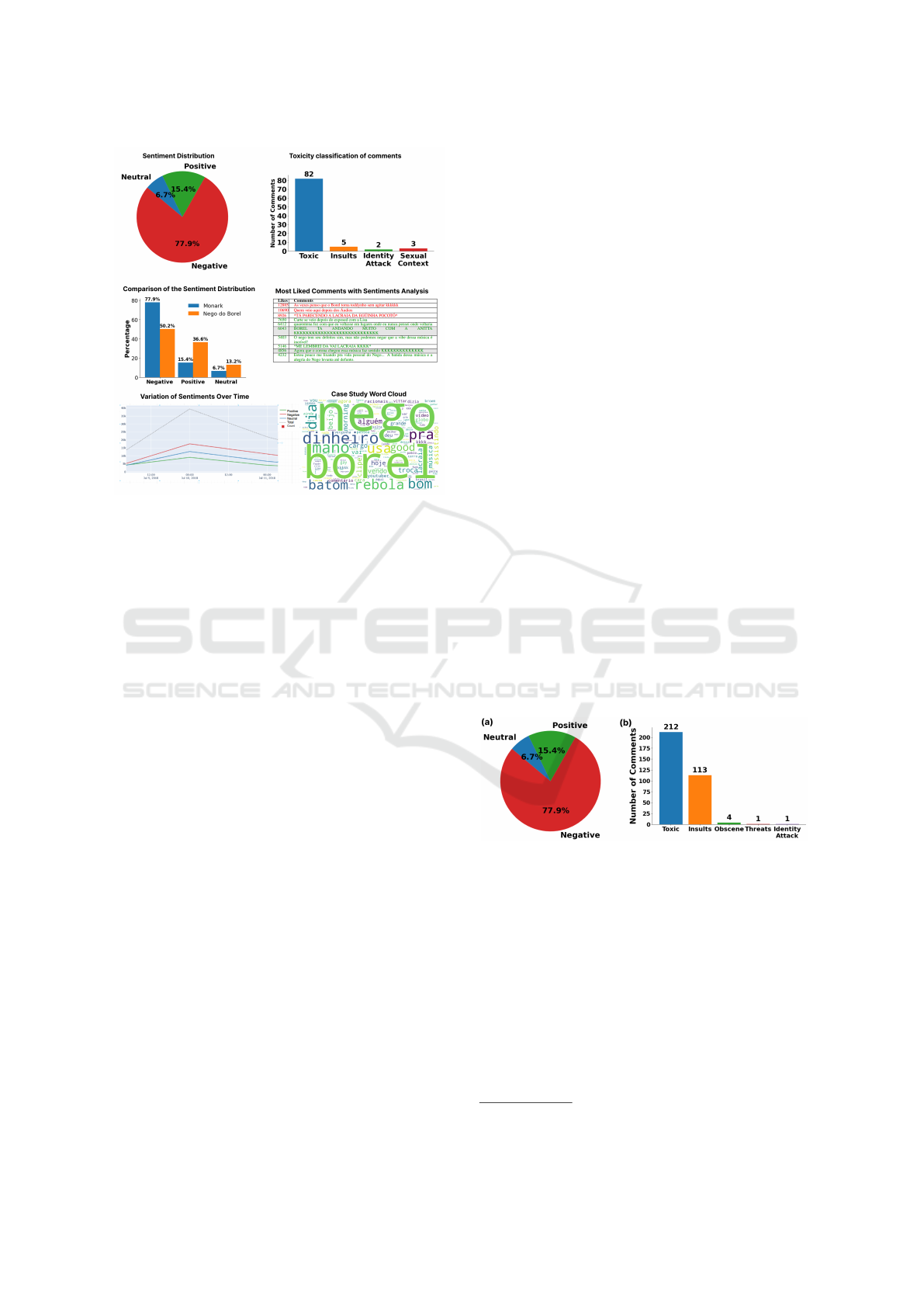
Figure 2: Interactive visualizations in HTML format.
do Borel case revolves around a music video that gen-
erated diverse reactions, influenced by cultural refer-
ences and the artist’s public image. Both were se-
lected for their thematic relevance, high engagement,
and suitability for contrasting public responses.
We defined three hypotheses based on the themes
and public impact of the videos. First, we expected a
peak in comment activity for the Monark case shortly
after the video’s release, due to the controversy’s in-
tensity. Second, we assumed that political polariza-
tion could intensify user engagement, leading users
to actively seek out related content. Lastly, we hy-
pothesized that top-liked comments, while critical,
would avoid overtly toxic or hateful language, favor-
ing provocative but moderate discourse. These hy-
potheses are examined in Sections 4.1, 4.2, and 4.3.
The comments were collected from each video’s
publication date until May 7, 2025. For the Monark
case, the collection period began on February 9, 2022,
yielding 3,798 comments. In the Nego do Borel case,
it started on July 9, 2018, with a total of 114,695 com-
ments. It is important to note that the script used does
not collect comment replies.
To ensure a fair comparison despite the differ-
ence in comment volume, we selected a sample of
the 1,000 most liked comments per case study. This
sampling enabled a balanced analysis in terms of vol-
ume, focusing on the most relevant and highly en-
gaged content.
We applied two models for sentiment classifica-
tion: GPT-3.5-Turbo (via prompts) and XLM-T (mul-
tilingual, fine-tuned). Both models were applied to
the datasets in parallel, allowing us to compare their
outputs and assess their consistency. This model
agreement step was applied to both case studies, with
77.2% agreement for Monark and 56.9% for Nego do
Borel. Due to the low alignment between the models,
we based our analyses on GPT classifications, given
its strong zero-shot and few-shot performance, as well
as its previously discussed advantages (Zhang et al.,
2024), requiring no additional training.
4.1 Monark Case
This case study refers to the audience reaction to con-
troversial statements by Bruno Aiub (Monark) on the
Flow Podcast
6
. As the original video was removed
from the platform, making direct analysis unfeasible,
we used an alternative source, a video published by
the Jornalismo TV Cultura channel, which reported
his dismissal from the program under the headline
“Monark
´
e demitido, ap
´
os defesa de partido nazista”
(translated as “Monark is fired after defending the
existence of a Nazi party”). The removed video,
which lasted 1 minute and 46 seconds, had garnered
1,414,319 views and 6,081 comments.
We analyzed sentiment and toxicity to assess pub-
lic reaction. As shown in Figure 3a, the results in-
dicate a strong prevalence of criticism, with 77.9%
of the comments classified as negative. Although the
video had a journalistic focus, users used the com-
ment section to voice direct criticism and moral judg-
ment.
Figure 3: Classification of audience reactions by sentiment
and toxicity Monark case.
Just 15.4% of comments conveyed positive senti-
ment, reflecting limited support, irony, or partial de-
fense. In the sample, 33% of the comments showed
some degree of toxicity: 21.2% were toxic and 11.3%
insults (212 and 113 comments, respectively), as
shown in Figure 3b). These results indicate that, al-
though criticism prevailed, a significant portion of
the engagement occurred through offensive language.
More severe categories like threats and identity at-
tacks were rare, supporting the hypothesis that top-
6
https://www.youtube.com/@FlowPodcast.
Exploring Audience Reactions on YouTube: An Approach to Sentiment and Toxicity Analysis
485
liked comments, though critical, avoid extreme or ex-
plicitly hateful speech.
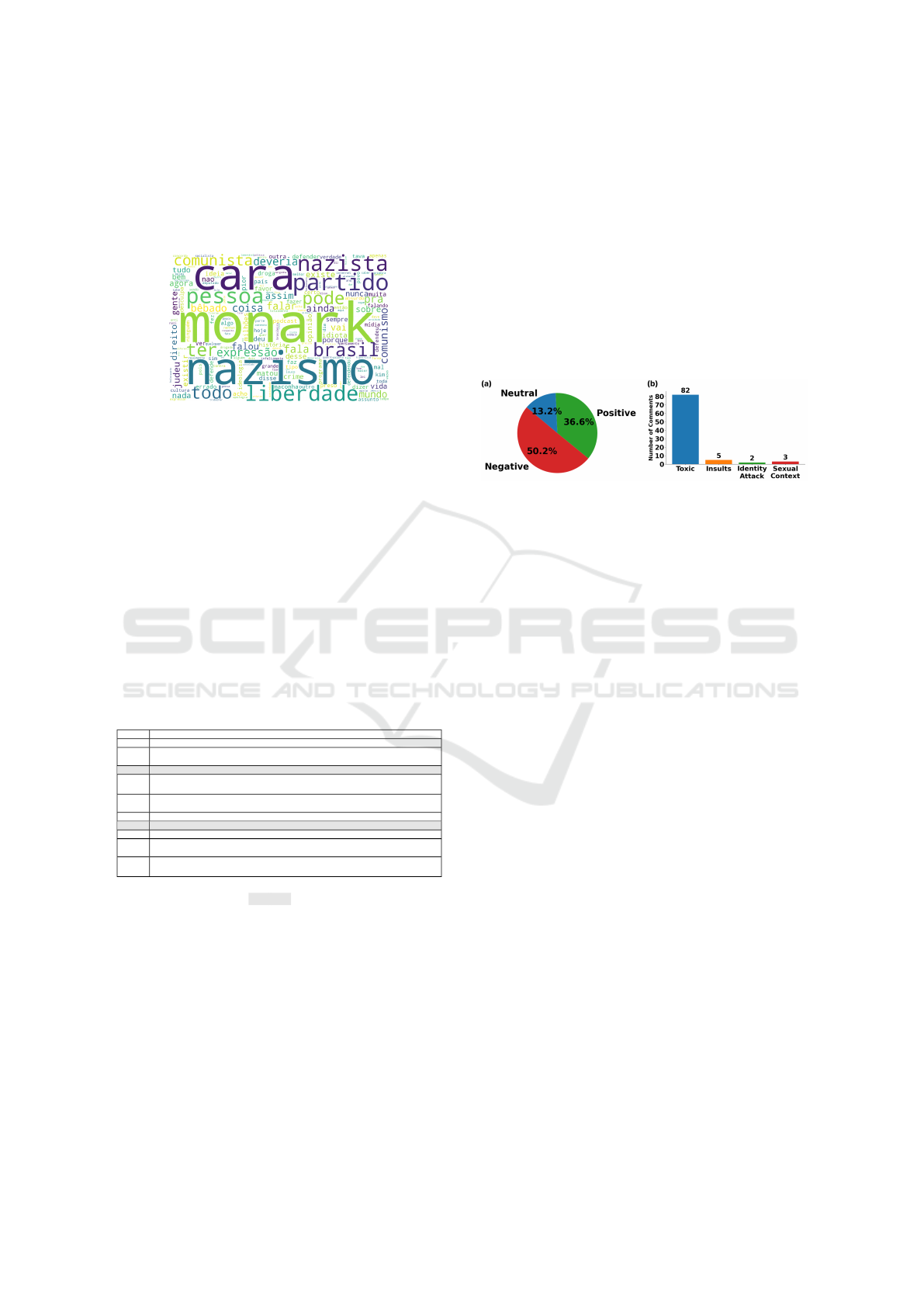
Figure 4 shows the most frequent terms in
the comments, providing an overview of dominant
themes and expressions used by the audience.
Figure 4: Audience reactions to the Monark case.
Daily comment volume was analyzed to under-
stand engagement over time. Activity peaked on the
first day (391 comments), then declined rapidly, in-
dicating a brief but intense reaction typical of viral
controversies, with limited sustained discussion.
To support contextualization, Table 2 presents the
top 10 most liked comments that reveal a discursive
plurality, combining direct criticism and political re-
flections. While some contain toxic elements, they are
not dominant. The most liked comment — “Monark
´
e a melhor propaganda anti drogas q existe kkkkjkkk”
(translated as “Monark is the best anti-drug advertise-
ment that exists LOL”) — classified as positive, ex-
emplifies the use of humor as an indirect criticism.
Table 2: Partial list with top 10 most liked comments.
Likes Comments
5590 Monark
´
e a melhor propaganda anti drogas q existe kkkkjkkk
5504 O maior erro dele foi misturar lazer com coisa s
´
eria. Se drogar num debate
pol
´
ıtico
´
e o c
´
umulo da irresponsabilidade.
2219 Esse cara
´
e o esp
´
ecime perfeito para oq as pessoas chamam de idiota
1733 O professor que explicou sobre o holocausto foi bem assertivo: QUANDO
VOC
ˆ
E
´
E TOLERANTE COM O INTOLER
´
AVEL...
1665 Monark acha que liberdade de express
˜
ao
´
e nao ter responsabilidade. Cara de-
fender que alguem seja antissemita racista . . .
1504 Perdeu dinheiro e se arrependeu, se n
˜
ao fosse isso...
1336 Bem que diziam que um dia, o Monark ia falar uma porcaria MUITO grande
1267 Bons tempos em que monark era apenas uma marca de bicicletas. Saudades.
870 O cara foi demitido n
˜
ao por causa do que ele falou e sim pela perdas dos patroci-
nadores. O mundo gira em torno do dinh. . .
603 Se esse cara vai trabalhar b
ˆ
ebado n
˜
ao tinham que trabalhar com ele.
´
E uma
irresponsabilidade
Negative sentiments are shown in red, positive in green, and toxic com-
ments are highlighted with a light gray background.
The findings indicate a predominance of nega-
tive sentiment and offensive discourse. However, the
low presence of severe toxicity among top-liked com-
ments suggests a social moderation, with less ap-
proval for more aggressive content.
4.2 Nego Do Borel Case
This case study examines the audience reception of
the music video “Me Solta” by Nego do Borel. At the
time of data collection, the 3 minutes and 46 seconds
video, published on YouTube, had over 231 million
views and 114.695 comments, including the replies.
Figure 5a depicts the proportions of positive, neu-
tral, and negative comments, while Figure 5b shows
the frequency of toxic content. The sentiment analy-
sis reveals that over half of the comments were nega-
tive. Despite being entertainment content, many users
used the comment section to express criticism or con-
troversy toward the artist or the music video. Toxicity
analysis revealed a low incidence of harmful speech:
only 8.2% of comments were classified as toxic, and
less than 1% into severe categories.
Figure 5: Classification of audience reactions by sentiment
and toxicity in the Nego do Borel case.
A word cloud showing audience reactions to the
video, displayed in Figure 2, highlights the most fre-
quently used terms and offers qualitative insights into
the main themes and expressions present in public dis-
course.
To analyze engagement in the Nego do Borel case,
we examined comment distribution over time. The
peak occurred on July 10, 2018 (270 comments), one
day after publication, followed by a gradual decline -
173 and 71 comments on the two subsequent days.
This pattern reflects typical viral behavior: intense
initial reaction followed by rapid drop-off.
The table with the most liked comments pre-
sented in Figure 2 helps illustrate the tone and fram-
ing adopted by the audience, often marked by infor-
mal language and cultural references. For instance,
“ME LEMBREI DA VAI LACRAIA KKKK” (trans-
lated as “REMINDED ME OF VAI LACRAIA LOL”)
and “Borel t
´
a andando muito com a Anitta KKKK”
(“Borel is hanging out with Anitta too much LOL”)
reference pop culture figures, use humor and sarcasm.
Overall, the Nego do Borel case suggests that au-
dience engagement was driven more by cultural ref-
erences and entertainment than by moral judgment or
ideological polarization.
4.3 Comparative Analysis
The comparison between the Monark and Nego do
Borel cases reveals distinct patterns in public recep-
tion, sentiment, and toxicity. While both videos gen-
erated high engagement, the tone and nature of com-
WEBIST 2025 - 21st International Conference on Web Information Systems and Technologies
486
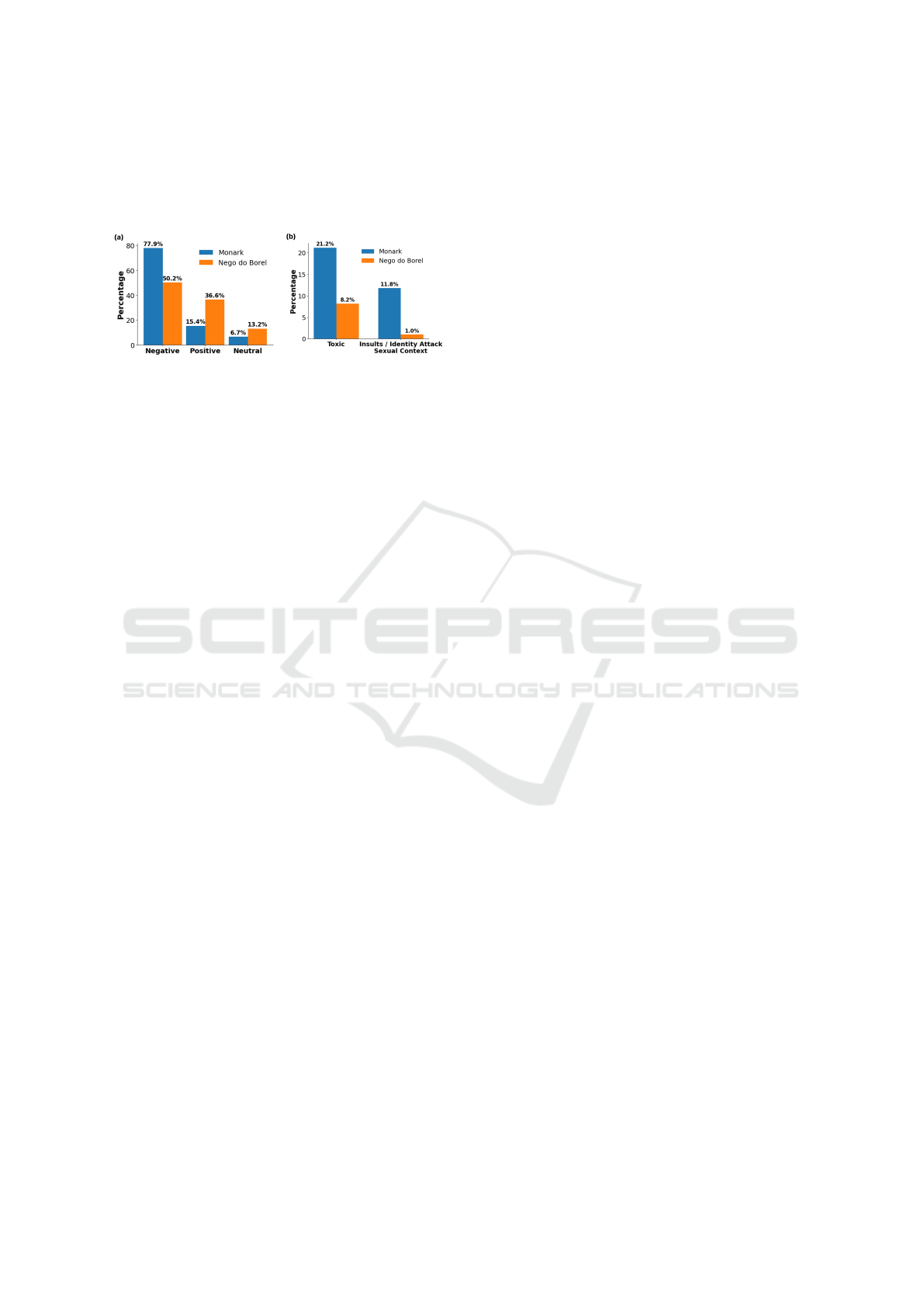
ments reflect their differing sociopolitical and cultural
contexts. Figure 6 summarizes these contrasts, show-
ing sentiment polarity (6a) and toxicity levels (6b) for
each case.
Figure 6: Sentiment and toxicity distribution in case studies.
In the Monark case, 78% of comments were nega-
tive, reflecting moral and political criticism, and turn-
ing the comment section into a space for public ac-
countability and ideological positioning. In contrast,
the Nego do Borel case showed a more balanced sen-
timent, with lighter, pop culture–driven reactions de-
spite a high rate of negative comments ( 50%).
Regarding toxicity, the Monark case exhibited a
higher incidence of toxic speech, though severe cat-
egories were rare, indicating audience tolerance for
criticism within certain limits. In contrast, toxicity in
the Nego do Borel case was lower and milder, often
expressed through humor, irony, or nostalgia.
The nature and context of each case shaped au-
dience responses: the Monark case, rooted in politi-
cal controversy, triggered moral and hostile reactions,
while the Nego do Borel case, framed as entertain-
ment, prompted lighter, culturally driven commen-
tary. The comparison shows that audience engage-
ment depends not only on controversy severity but
also on how the audience frames the content. While
the Monark case sparked explicit outrage, the Nego
do Borel case elicited more ambiguous and emotion-
ally driven responses, with less toxicity. These find-
ings suggest that sentiment polarity and toxicity are
shaped by content themes and social framing.
The initial hypothesis assumed intense comment
activity in the Monark case immediately after the
video’s release, which the data confirmed. For the
Nego do Borel video, we anticipated longer-term en-
gagement, but it also peaked early, with a significant
majority of comments concentrated within the initial
days. These findings suggest that the viral dynamics
of YouTube engagement tend to follow an intense but
short-lived cycle, regardless of content type.
In the Monark case, many comments appeared on
a journalistic video. This supports our second hypoth-
esis: that political polarization drives users to engage
with related content even after its removal. It is plau-
sible that many users had watched the original video
or excerpts and used the comment section to react to
the controversy.
5 CONCLUSIONS
This work proposed an integrated and reproducible
approach to analyze sentiment and detect toxic speech
in Portuguese-language YouTube comments. By de-
veloping a set of Python scripts, we automated the
processes of comment collection, sentiment classifi-
cation using both GPT-3.5-Turbo and XLM-T, and
toxicity detection using the Detoxify library. The
generated outputs, complemented by interactive vi-
sualizations, provided a comprehensive view of au-
dience reactions to controversial content. We have
made the source code of our approach openly avail-
able on GitHub for anyone who wants to use it, along
with the case studies, including data and results.
The two case studies revealed distinct patterns of
audience response. The Monark case demonstrated
a predominance of negative sentiment and toxic lan-
guage, underscoring the impact of political polariza-
tion and moral judgment. The Nego do Borel case
exhibited a more heterogeneous emotional distribu-
tion, with pop culture references contributing to a dis-
course that was less aggressive overall. These find-
ings suggest that public sentiment and toxicity are
shaped not only by the content itself but also by
how the audience socially frames the message and the
broader context in which the communication occurs.
As future work, we plan to expand the scope to
multilingual datasets and other social platforms. We
also aim to enhance the interpretability of classifica-
tion outcomes by utilizing explainable AI techniques,
thereby contributing to greater transparency and ac-
countability in the analysis of digital public discourse.
ACKNOWLEDGEMENTS
Carraro would like to thank the Tutorial Educa-
tion Program (PET). Manssour would like to thank
the financial support of the CNPq Scholarship -
Brazil (303208/2023-6). This paper was supported
by the Ministry of Science, Technology, and In-
novations, with resources from Law No. 8.248,
dated October 23, 1991, within the scope of PPI-
SOFTEX, coordinated by Softex, and published in
the Resid
ˆ
encia em TIC 02 - Aditivo, Official Gazette
01245.012095/2020-56.
While preparing and revising this manuscript, we
used ChatGPT, Grammarly, and Google Translate to
enhance clarity and grammatical precision, as English
Exploring Audience Reactions on YouTube: An Approach to Sentiment and Toxicity Analysis
487

is not our first language. The authors take full respon-
sibility for the content and its technical accuracy.
REFERENCES
Adesina, M. T. and Howe, L. (2024). Social media
(youtube) political sentiment multi-label analysis. In-
ternational Journal of Science and Research Archive,
12(02):2063–2071.
Barbieri, F., Camacho-Collados, J., Espinosa-Anke, L., and
Ronzano, F. (2020). Tweeteval: Unified benchmark
and comparative evaluation for tweet classification.
In Proceedings of the 2020 Conference on Empirical
Methods in Natural Language Processing: Findings,
pages 1644–1650.
Barbieri, F., Espinosa Anke, L., and Camacho-Collados,
J. (2022). XLM-T: Multilingual language models in
Twitter for sentiment analysis and beyond. In Pro-
ceedings of the Thirteenth Language Resources and
Evaluation Conference, pages 258–266.
Bindhumol, M., Singh, T., and Patra, P. (2024). Sentiment
analysis using youtube comments. In 2024 15th Inter-
national Conference on Computing Communication
and Networking Technologies (ICCCNT), pages 1–7.
Bonetti, A., Mart
´
ınez-Sober, M., Torres, J. C., Vega, J. M.,
Pellerin, S., and Vila-Franc
´
es, J. (2023). Compari-
son between machine learning and deep learning ap-
proaches for the detection of toxic comments on social
networks. Applied Sciences, 13(10).
Campan, A. and Holtke, N. (2024). Beyond twitter: Explor-
ing alternative api sources for social media analytics.
In Proceedings of the 16th International Joint Confer-
ence on Knowledge Discovery, Knowledge Engineer-
ing and Knowledge Management (IC3K 2024), Vol.1,
pages 441–447.
Dharini, N., Madhuvanthi, M., Aswini, C. S., Lakshya, R.,
Triumbika, M., and Saranya, N. (2025). Ensemble-
driven multilingual sentiment analysis framework for
youtube comments with dashboard. In 2025 Interna-
tional Conference on Visual Analytics and Data Visu-
alization (ICVADV), pages 1524–1529.
Fortuna, P., Soler-Company, J., and Wanner, L. (2021).
How well do hate speech, toxicity, abusive and offen-
sive language classification models generalize across
datasets? Information Processing & Management,
58(3):102524.
Guzman, J. P. S., Cheng, C. K., Bernadas, J. M. A. C., and
Lao, A. R. (2025). Aspect-level sentiment analysis of
filipino tweets during the covid-19 pandemic. In Pro-
ceedings of the 18th International Joint Conference
on Biomedical Engineering Systems and Technologies
(BIOSTEC 2025) - Vol.2, pages 343–350.
Hanu, L. and Unitary team (2020). Detoxify. Github.
https://github.com/unitaryai/detoxify.
Kamma, V., Wbaid, S., K, S., A, N., and Saravanan, T.
(2025). Toxic comment detection based on improved
bi directional long short term memory. In 2025 Inter-
national Conference on Intelligent Systems and Com-
putational Networks (ICISCN), pages 1–6.
Kurtz, G. B., de P. Carraro, S., Teixeira, C. R. G., Bandeira,
L. D., M
¨
uller, B. L., Tietzmann, R., Silveira, M. S.,
and Manssour, I. H. (2025). Streamvis: An analy-
sis platform for youtube live chat audience interaction,
trends and controversial topics. In Proceedings of the
27th International Conference on Enterprise Informa-
tion Systems (ICEIS 2025) - Vol.2, pages 630–640.
Leite, J. A., Silva, D., Bontcheva, K., and Scarton, C.
(2020). Toxic language detection in social media for
Brazilian Portuguese: New dataset and multilingual
analysis. In Proceedings of the 1st Conference of the
Asia-Pacific Chapter of the Association for Compu-
tational Linguistics and the 10th International Joint
Conference on Natural Language Processing, pages
914–924.
Maity, A., More, R., Patil, P. A., Oza, J., and Kambli, G.
(2024). Toxic comment detection using bidirectional
sequence classifiers. In 2024 2nd International Con-
ference on Intelligent Data Communication Technolo-
gies and Internet of Things (IDCIoT), pages 709–716.
Muneer, Q. and Khan, M. A. (2025). Role of youtube in
creating awareness of sustainable transportation: A
latent dirichlet allocation approach. Sustainable Fu-
tures, 9:100607.
Parraga-Alava, J., Rodas-Silva, J., Quimi, I., and Alcivar-
Cevallos, R. (2021). Opinion and sentiment analy-
sis of twitter users during the 2021 ecuador presiden-
tial election. In Proceedings of the 17th International
Conference on Web Information Systems and Tech-
nologies (WEBIST 2021), pages 257–266.
Schmidt, S., Zorenb
¨
ohmer, C., Arifi, D., and Resch, B.
(2023). Polarity-based sentiment analysis of georef-
erenced tweets related to the 2022 twitter acquisition.
Information, 14(2):71.
Shahi, G. K. and Majchrzak, T. A. (2025). Hate speech de-
tection using cross-platform social media data in en-
glish and german language. In Proceedings of the 20th
International Conference on Web Information Systems
and Technologies (WEBIST 2024), pages 131–140.
Siegel, A. A. (2020). Online Hate Speech, pages 56–88.
SSRC Anxieties of Democracy. Cambridge University
Press, Cambridge.
Vargas, D. S., Pessutto, L. R. C., and Moreira, V. P. (2022).
Unsupervised aspect term extraction for sentiment
analysis through automatic labeling. In Proceedings
of the 18th International Conference on Web Informa-
tion Systems and Technologies (WEBIST 2022), pages
344–354.
Yadollahi, A., Shahraki, A. G., and Zaiane, O. R. (2022).
Deep learning in sentiment analysis: Recent architec-
tures and trends. ACM Computing Surveys, 54(2):1–
36.
Zhang, W., Deng, Y., Liu, B., Pan, S. J., and Bing, L. (2024).
Sentiment analysis in the era of large language mod-
els: A reality check. In Findings of the Association
for Computational Linguistics: NAACL 2024, pages
3883–3906.
WEBIST 2025 - 21st International Conference on Web Information Systems and Technologies
488
