
A Model-Based Approach to the Definition of Collaborative Processes in
Supply Chain Environments
Mohsen Khorram Dastjerdi
a
, J. A. Garc
´
ıa-Garc
´
ıa
b
, J. G. Enr
´
ıquez
c
and
M. J. Escalona Cuaresma
d
Computer Languages and Systems Department, University of Seville, Avd. Reina Mercedes s/n, 41012, Sevilla, Spain
Keywords:
Supply Chain Management, Business Process, Metamodel, Diamond Industry, Traceability.
Abstract:
Global supply chains involve multiple actors and complex interactions, often spanning multiple organizations
and geographic regions. However, issues such as limited process automation, coordination gaps, and concerns
about data security and integrity continue to hinder collaboration in these networks. This paper addresses these
challenges by presenting a metamodel to support secure and seamless collaboration in the diamond jewelry
supply chain in Spain. Based on business process management standards, the metamodel improves trace-
ability, coordination, and automation across organizational boundaries. The metamodel includes mechanisms
for hash-based certification, certificate of origin, and shared traceability rules that facilitate the exchange of
transparent information while maintaining data integrity. A case study focused on diamond certification from
Lesotho to Spain demonstrates the feasibility and benefits of this approach. The results show improvements in
process efficiency, fraud reduction, and stakeholder trust, especially in high-value and highly regulated supply
chains.
1 INTRODUCTION
Global supply chains are complex, fragmented
ecosystems that involve diverse actors across geo-
graphic and organizational boundaries. The growing
demands of international trade have exposed signifi-
cant challenges in the management of these networks,
including limited integration, coordination gaps, lack
of cross-organizational automation, and the reluc-
tance to share sensitive information (Garcia-Garcia
et al., 2020; Shen, 2007).
These issues are especially critical in collabora-
tive supply chain (CSC) environments, where coordi-
nation and information exchange are vital (Han and
Fang, 2024). Although business process management
(BPM) has matured within organizations, its applica-
tion in inter-organizational contexts remains scarce,
constrained by the absence of frameworks and tools
to support collaboration (Szelkagowski and Berniak-
Wo
´
zny, 2024).
Concerns over data privacy and manipulation fur-
a
https://orcid.org/0009-0006-9740-0546
b
https://orcid.org/0000-0003-2680-1327
c
https://orcid.org/0000-0002-2631-5890
d
https://orcid.org/0000-0002-6435-1497
ther hinder the adoption of BPM in supply chains,
limiting the realization of its full potential bene-
fits—such as transparency, efficiency, and account-
ability—in collaborative scenarios (Akinsola and
Akinde, 2024).
In response to the identified limitations in current
supply chain systems, this study proposes a meta-
model designed to facilitate secure and integrated col-
laboration among stakeholders in the diamond jew-
elry supply chain in Spain. The metamodel is de-
veloped with the goal of improving process trace-
ability, coordination, and automation by using es-
tablished BPM standards. By leveraging this inte-
grated supply chain, all stakeholders within the sup-
ply chain and logistics network can benefit from unre-
stricted information sharing facilitated by secure data
exchange mechanisms that eliminate data tampering
concerns. This enhanced transparency contributes to
improved production efficiency, faster customer ser-
vice, greater process synchronization, cost reduction,
higher product quality, and a significant decrease in
fraudulent activities (Esan et al., 2024; Kalla et al.,
2025). These capabilities are particularly critical in
high-value, high-regulation sectors, such as the dia-
mond industry, where authenticity and origin issues
pose significant challenges (Dasaklis et al., 2019). For
Dastjerdi, M. K., García-García, J. A., Enríquez, J. G. and Cuaresma, M. J. E.
A Model-Based Approach to the Definition of Collaborative Processes in Supply Chain Environments.
DOI: 10.5220/0013713300003985
Paper published under CC license (CC BY-NC-ND 4.0)
In Proceedings of the 21st International Conference on Web Information Systems and Technologies (WEBIST 2025), pages 181-188
ISBN: 978-989-758-772-6; ISSN: 2184-3252
Proceedings Copyright © 2025 by SCITEPRESS – Science and Technology Publications, Lda.
181

example, a diamond claimed to have been manufac-
tured in Lesotho (South Africa) may, in reality, orig-
inate from a less expensive source, undermining both
consumer trust and market transparency. Therefore,
ensuring product integrity requires the ability to trace
the journey of a diamond from the mine to the end
customer.
To address this issue, in addition to proposing an
integrated supply chain with traceability of goods,
payments, and all processes, we proposed a Certifi-
cate of Origin
1
capable of verifying the provenance
of diamonds extracted from mines and transported to
Spain. This approach is reinforced by the growing
economic importance of the diamond market, which
was valued at 80 billion USD in 2017 and is projected
to exceed 123 billion by 2030 (Thakker et al., 2020).
The effectiveness of the proposed metamodel
is demonstrated through a case study incorporating
hash-based certification, shared Objectives and Key
Results (OKRs)
2
and traceability rules to ensure se-
cure verification and transparent collaboration. The
meta-model also supports auxiliary components, such
as insurance integration, payment gateways, and spe-
cialized monitoring mechanisms tailored for handling
high-value goods in regulated markets.
The rest of this paper is structured as follows. Sec-
tion 2 reviews the most relevant literature. Section 3
details our proposed metamodel and its implementa-
tion, focusing on how it enhances supply chain mod-
eling. Section 4 presents a case study to validate the
model in the international diamond industry. Finally,
Section 5 summarizes our findings and outlines future
research directions.
2 RELATED WORK
Recently, blockchain and model-based approaches in
BPM and supply chains have been explored. How-
ever, most studies focus on technological implemen-
tation rather than on modeling collaborative business
processes.
For example, (Dasaklis et al., 2019) highlights
the challenge of limited monitoring and tracking of
goods, proposing a blockchain-based framework to
improve transparency and auditing. Similarly, (Li
1
A Certificate of Origin or Declaration of Origin (of-
ten abbreviated to C/O, CO, or DOO) is a document widely
used in international trade transactions that attests that the
product listed therein has met certain criteria to be consid-
ered as originating in a particular country.
2
Objectives and Key Results (OKRs) is a goal-setting
framework used by individuals, teams, and organizations to
define measurable goals and track their outcomes.
et al., 2022) emphasizes the role of end-to-end visibil-
ity in enhancing supply chain resilience (SCR), show-
ing that blockchain-supported business model designs
(BMDs) significantly improve SCR and firm perfor-
mance. Trust issues in data sharing are addressed
in (Kamble et al., 2020), which proposes blockchain
to enhance traceability, data integrity, and auditabil-
ity. Additionally, (Shi et al., 2022) introduces a
Blockchain-Based Service Modeling (BOSM) ap-
proach to improve quality management through busi-
ness and technical domain alignment, as demon-
strated in the dairy industry.
Despite these advances, current literature presents
several limitations. First, insurance visibility and
management are rarely integrated into supply chain
models. Second, many approaches lack a unified,
end-to-end view, focusing instead on isolated compo-
nents. Third, the use of OKRs with measurable indi-
cators for service provider evaluation and risk man-
agement is underexplored. Fourth, decision-making
processes are often absent in existing metamodels.
Fifth, while tracking is widely discussed, it is sel-
dom implemented via a dynamic, integrated platform.
Sixth, contracts are typically treated as secondary el-
ements rather than central entities. Lastly, mecha-
nisms ensuring goods authenticity and compatibility
with blockchain technologies are largely overlooked.
These gaps underscore the need for a compre-
hensive metamodel that addresses these shortcom-
ings through a more integrated and functional ap-
proach. To address these gaps, our study proposes a
technology-independent metamodel for collaborative
supply chains, supported by a BPMN-based model-
ing approach. This framework integrates traceability,
risk management, contract handling, and evaluation
mechanisms based on OKRs. It also supports trans-
parency, service quality validation, and secure collab-
oration among stakeholders—without dependence on
specific platforms or technologies.
3 PROPOSAL FOR SUPPLY
CHAIN PROCESS MODELLING
This section presents the technical details of the pro-
posed metamodel (cf. Figure 1) and its defining char-
acteristics. As previously mentioned, the primary ob-
jective of our metamodel is to offer an integrated ap-
proach to a CSC to facilitate efficient information ex-
change, data sharing, and synchronization among par-
ticipants. Our approach provides a realistic yet sim-
plified metamodel that can be valuable for both indus-
trial and academic applications.
The Process metaclass is the core metaclass in
WEBIST 2025 - 21st International Conference on Web Information Systems and Technologies
182
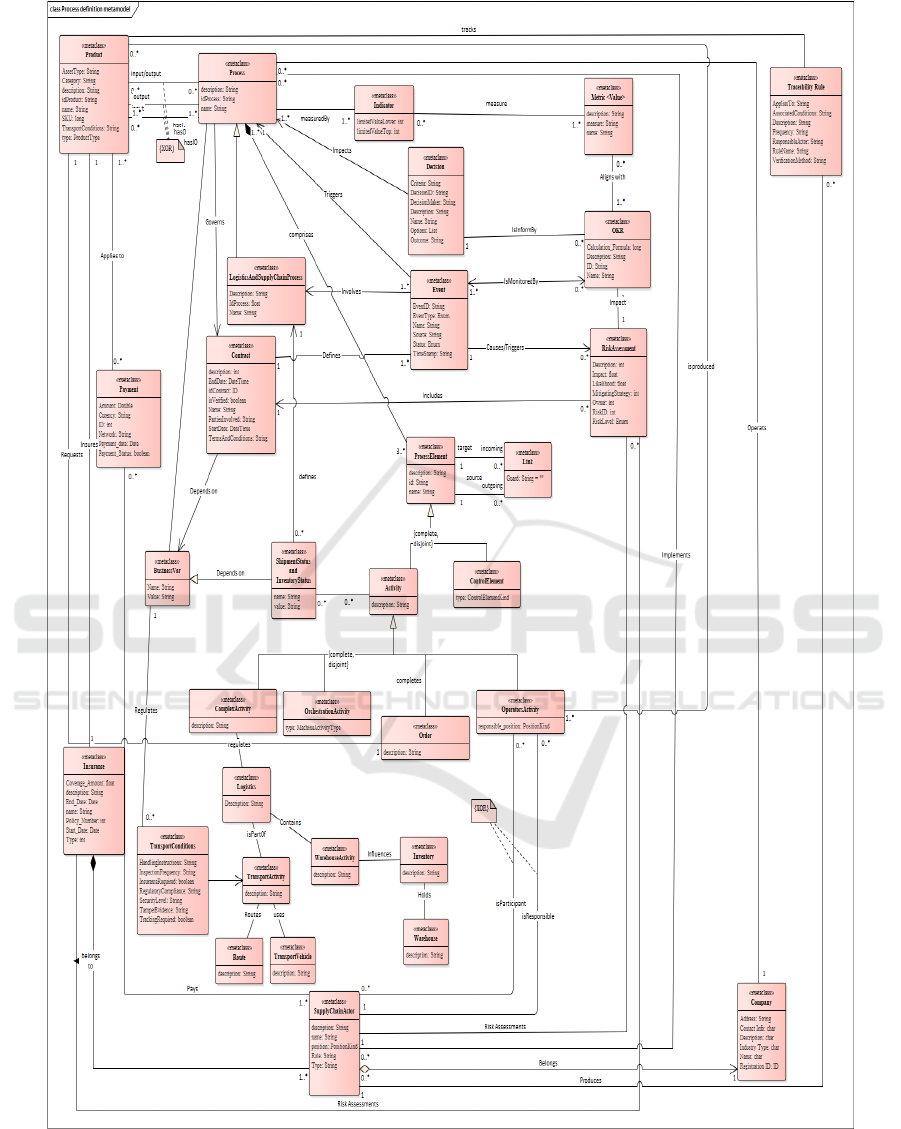
Figure 1: Integrated Collaborative Supply Chain Process Meta-Model.
our metamodel. In fact, it has been connected to
some metaclasses to produce result, product, and up-
date the measurments for the metamodel. Contract
is the most important metaclass connected to the Pro-
cess metaclass. It serves as a pivotal control layer that
guarantees and verifies workflow execution defined
A Model-Based Approach to the Definition of Collaborative Processes in Supply Chain Environments
183

within the Process metaclass. In supply chain con-
texts, actors and organizations establish formal agree-
ments, which are represented and validated by this
metaclass.
The Contract metaclass is immutable; once final-
ized and loaded, it prohibits any modifications, ensur-
ing a unidirectional execution flow that preserves the
integrity of contractual agreements. It acts as a ledger,
managing, guiding, and enforcing all contract clauses
to ensure compliance throughout the supply chain.
This addresses a key challenge in reliably executing
complex supply chain processes. This metaclass is in-
fluenced by the BusinessVar and Event metaclasses,
enabling it to dynamically reflect business conditions
and respond to specific triggers. As such, contracts
can adapt to real-time events while maintaining en-
forcement of business rules.
Additionally, it is linked to the RiskAssessment
metaclass, which provides metrics for evaluating ac-
tors and processes. These assessments are supported
by historical data from OKR metaclasses, aligning
risk evaluation with strategic objectives and perfor-
mance metrics. This integration allows the Contract
metaclass to contribute to proactive risk management
and greater consistency with business goals.
Furthermore, the Contract metaclass is directly
linked to both SupplychainActor and Company
metaclasses, enabling the formalization and enforce-
ment of agreements at the individual and organiza-
tional levels. This ensures that obligations and com-
pliance are clearly defined and governed across the
supply chain. Additionally, OKR data support the
evaluation and selection of reliable partners, reinforc-
ing trust within the network.
The Product metaclass represents either inputs or
outputs of a Process, or both. Its role is defined by an
XOR constraint among hasI, hasO, and hasIO, ensur-
ing it assumes only one type within a process. Every
Process must involve at least one Product, as enforced
by cardinality rules, aligning with the core principles
of process-product relationships defined in (Garcia-
Garcia et al., 2020).
The Decision metaclass plays a strategic role by
guiding the Process based on OKRs, which are linked
to Metrics and Indicators. Indicators provide real-
time data that influence process execution, whereas
Metrics measure progress toward objectives. The De-
cision metaclass ensures that the actions taken dur-
ing the process align with organizational goals, creat-
ing a feedback loop that fosters data-driven and goal-
oriented execution.
The LogisticsAndSupplyChainProcess meta-
class plays a crucial role in managing and oversee-
ing supply chain operations, relying on ShipmentSta-
tusAndInventoryStatus for real-time tracking of ship-
ments and stock. The Event metaclass, which is
closely linked to this process and other key meta-
classes like RiskAssessment, OKR, and Contract,
drives dynamic responses to triggers, enabling proac-
tive risk management, contract enforcement, and
alignment with strategic goals within the supply
chain.
The Event metaclass plays a crucial role in col-
laborative business and supply chain contexts by
serving as a trigger for processes, workflows, and
decision-making. It is directly linked to Logistic-
sAndSupplyChainProcess, Process, RiskAssessment,
OKR, and Contract metaclasses. Events represent
both external conditions (e.g., supplier delivery de-
lays) and internal changes (e.g., stock reaching criti-
cal levels), initiating actions such as order reception
or risk detection, defining process preconditions, and
influencing performance goals and contractual terms.
Also, the BusinessVar is another metaclass that
has a direct association with the Process metaclass. In
fact, the BusinessVar metaclass defines dynamic vari-
ables associated with a single process, enabling adapt-
ability and decision-making. Linked to the Process
metaclass through aggregation, these variables drive
conditional logic, helping determine the next activity
based on their values. Acting as building blocks for
business rules, they ensure processes are flexible and
context-aware.
The ProcessElement metaclass, directly associ-
ated with the Process metaclass, forms the funda-
mental building block of workflows. It encapsulates
all elements within a process, serving as the back-
bone for constructing interconnected and dynamic
sequences. This metaclass branches into two spe-
cialized types: ControlElement and Activity, each
shaping the workflow’s structure and intent. The
Link metaclass connects ProcessElements, establish-
ing logical pathways that ensure seamless transitions
and coherent process flow.
The Activity metaclass defines the executable
tasks within a process, bridging intent and action. As
a specialization of ProcessElement, it not only per-
forms work but also updates business variables upon
completion. It includes four specialized subtypes:
(i) Order, representing commands that trigger activ-
ities; (ii) OrchestrationActivity, for automated sys-
tem tasks; (iii) ComplexActivity, enabling subpro-
cess integration for hierarchical process design; and
(iv) OperatorsActivity or HumanActivity, involving
tasks performed by individuals, highlighting human
roles in workflows. ComplexActivity is key in supply
chain and logistics, encapsulating logistics, transport
conditions, and inventory management subprocesses.
WEBIST 2025 - 21st International Conference on Web Information Systems and Technologies
184

This allows hierarchical workflow modeling and en-
sures efficient coordination of transportation, ware-
housing, and resource allocation, thus improving the
effectiveness of the supply chain process.
In addition, the SupplyChainActors would for-
mulate the Insurance and Payment metaclasses, with
a tangible association to the Company metaclasses,
reflecting their roles in managing financial and risk-
related aspects of the supply chain process. Specif-
ically, the Insurance metaclass would be associated
with SupplyChainActors that manage risk, while the
Payment metaclass would be linked to financial trans-
actions between SupplyChainActors and Companies,
ensuring that the contractual and financial obligations
within the supply chain are met efficiently.
4 VALIDATION
This section presents a use-case model based on the
previously described metamodel. It assumes an ideal
scenario without constraints to demonstrate the meta-
model’s flexibility and effectiveness. To highlight
traceability, origin assurance, and fraud prevention,
diamonds—a highly valuable commodity—are used
as the focus. The model follows the BPMN 2.0 stan-
dard, enabling comprehensive representation of the
main process and its subprocesses.
4.1 General Overview
This case study describes a jewelry store in Spain
working with a hub in South Africa to procure di-
amonds directly from a mine in Lesotho. It illus-
trates a complex supply chain involving multiple ac-
tors: buyer, shippers (land and sea), customs, mining
company, South African partner, insurers, and pay-
ment systems.
Through a secure and integrated platform, or
cross-platform communication system, these actors
exchange data in a manner that ensures data integrity
and security at every step of the process. Real-time
OKR updates keep all actors informed of the goods’
status, promoting transparency and efficiency. This
coordinated communication enhances the reliability
and security of the diamond procurement process,
aligning all stakeholders across the transaction.
The process model (cf. Figure 2) depicts the life-
cycle of order processing, logistics coordination, and
product delivery within a supply chain. Its goal is to
improve operational efficiency, reduce delays, and en-
sure stakeholder integration. The model emphasizes
automation, data-driven decisions, and inter-system
communication, reflecting modern BPM practices.
Activities are segmented by roles such as customers,
payment systems, logistics managers, and storage fa-
cilities, ensuring clear accountability and highlighting
cross-department collaboration.
4.2 Mapping Metamodel Elements to
BPMN Constructs
The BPMN model (cf. Figure 2) reflects key con-
cepts from our metamodel. Each BPMN element
maps to one or more metaclasses, ensuring alignment
between process representation and model structure.
For example, the BPMN Pool for “Logistics and Sup-
ply Chain Coordinator” corresponds to the Process
metaclass. Tasks like “Send Invoice” and “Transport”
align with the Activity metaclass, while Events such
as “Payment Received” map to the Event metaclass,
which triggers actions and transitions. Data Objects
and Messages (e.g., “Order Approval,” “Purchase
Contract”) correspond to Order, Contract, and Pay-
ment metaclasses. Decision Gateways like “Is avail-
able in stock?” relate to Decision and RiskAssessment
metaclasses. Data Stores such as “Warehouse” match
InventoryData and Warehouse metaclasses. Strate-
gic goals and performance metrics represented as Ar-
tifacts or Annotations correspond to OKR and Met-
ric metaclasses, linking performance targets with risk
management. This alignment allows the BPMN
model to serve as an executable representation of the
metamodel’s structured concepts.
4.3 Process Phases
This section models the complete diamond purchas-
ing process involving a jeweler in Spain and part-
ners in South Africa and Lesotho. The approach fol-
lows the previously described metamodel and uses the
BPMN 2.0 standard for process representation.
Figure 2 shows the main diamond purchasing
workflow. Figure 4 details the integrated payment
process, enabling transparent and secure transactions
among stakeholders. Figure 5 illustrates the insurance
process, protecting goods during transit and enforc-
ing liabilities through contracts. These subprocesses
ensure trust, automation, and compliance across le-
gal and logistical boundaries. Figure 3 depicts the
generation and engraving of a cryptographic hash on
the diamond to guarantee authenticity and contrac-
tual integrity. Buyer-specific data (name, confiden-
tial password) is combined with diamond attributes
(size, weight, color, clarity) and salted to enhance se-
curity. This data is salted
3
and used to calculate a
3
In cryptography, a salt is random data added before
A Model-Based Approach to the Definition of Collaborative Processes in Supply Chain Environments
185
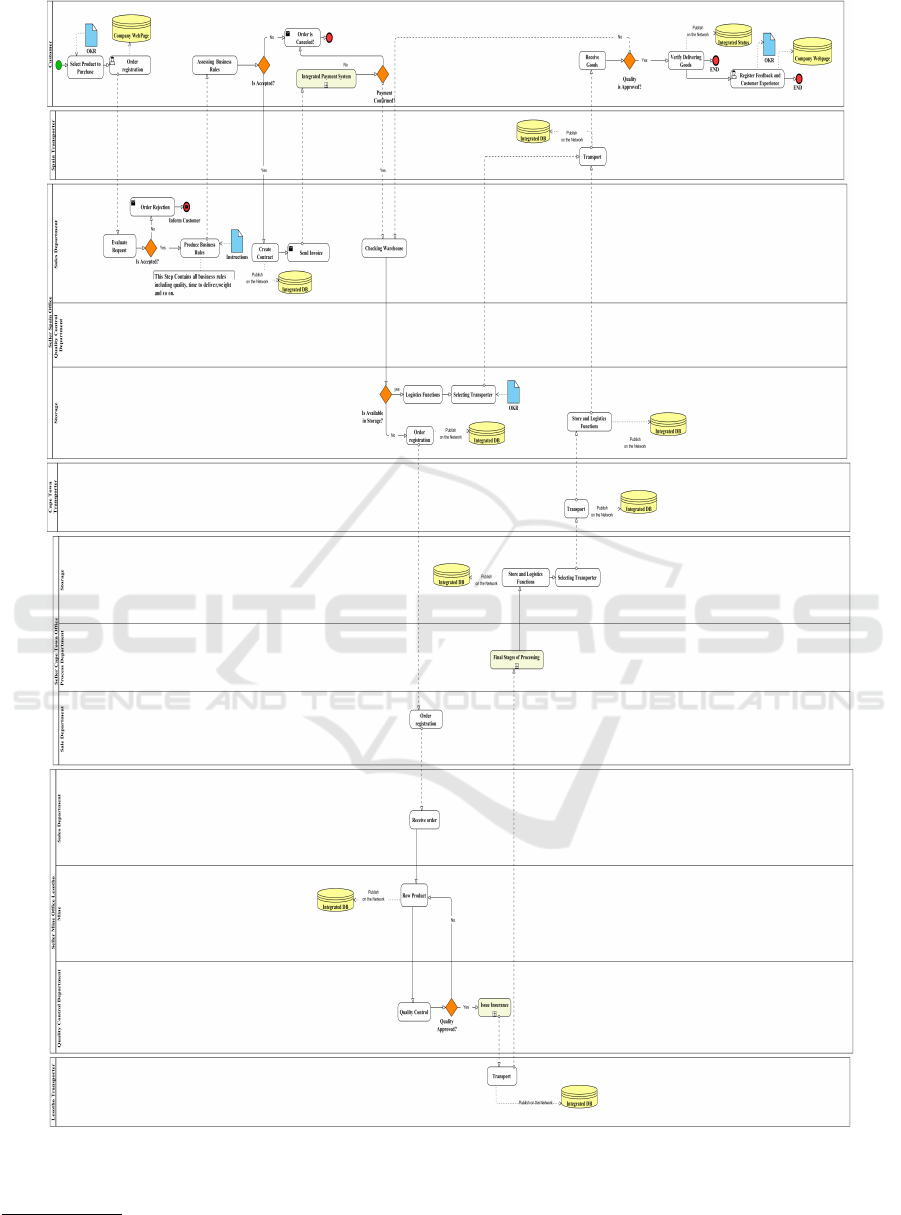
Figure 2: Diamond Purchasing Main Process.
unique hash, which is engraved onto the diamond and
hashing to increase resistance against precomputed attacks
such as rainbow tables (Mustafa, 2024).
published on a secure network. The resulting hash
is cryptographically linked to the contract, enabling a
verifiable connection between the physical asset and
WEBIST 2025 - 21st International Conference on Web Information Systems and Technologies
186
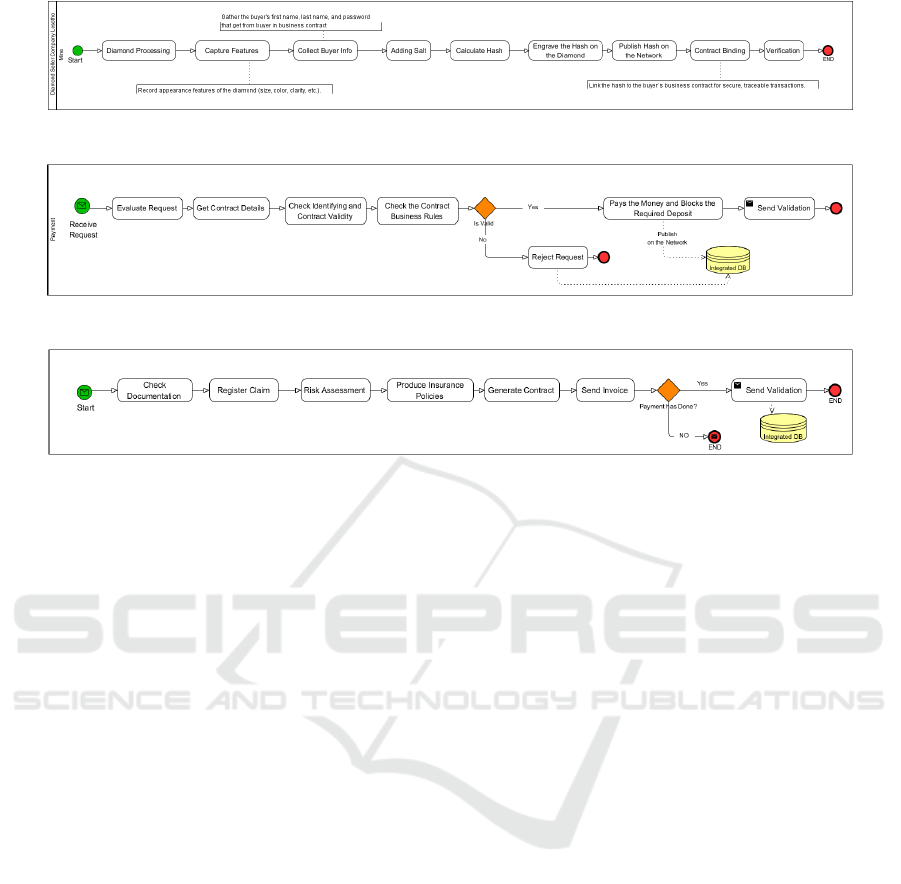
Figure 3: Diamond Hash Processing.
Figure 4: Integrated Payment System.
Figure 5: Integrated Issue Insurance Process.
its digital record.
This approach enables the original buyer, possess-
ing the correct input data, to regenerate and verify
the hash, confirming ownership. Future buyers and
sellers can similarly validate the diamond’s authentic-
ity and transaction history on a tamper-resistant plat-
form. Due to space limitations, technical details like
hashing algorithms, encryption, and system integra-
tion will be covered in a separate article focused on
implementation.
• Order Registration: The process starts with the
customer submitting the product order, followed
by validation of order details to ensure compli-
ance with business rules. This step integrates with
the Integrated Payment System shown in Figure 4
for invoicing.
• Logistics Coordination: After successful pay-
ment, warehouse availability is checked and trans-
port resources are allocated. Decision gateways
manage process flow based on inventory sta-
tus and transport options. Advanced transport
scheduling algorithms are implied to reduce lead
times and optimize resource use.
• Product Processing: As illustrated in Figure 3,
once produced at the mine, the diamond is trans-
ported to the South African partner for final pro-
cessing. This critical stage ensures quality stan-
dards and verifies the diamond’s authenticity and
origin.
• Insurance and Payment: The supply chain sup-
ports autonomous, comprehensive payment exe-
cution without external approval, exemplified in
the subprocess of Figure 4. Additionally, insur-
ance issuance is integrated, enabling risk assess-
ment reviews for each actor and stage throughout
the product lifecycle.
• Quality Control and Storage: Products undergo
inspection before storage or dispatch. Data feed-
back loops update the inventory system in real-
time for accurate stock management.
• Final Transport and Delivery: Products are
loaded and shipped according to predefined
schedules, with monitoring mechanisms ensuring
secure and timely delivery.
• Traceability and Integrated Database:
Throughout the process, actors update and
record progress in a comprehensive database, ac-
cessible to all stakeholders for real-time tracking
of both the process and the product status.
5 CONCLUSIONS AND FUTURE
WORKS
This study presented a technology-independent meta-
model and a BPMN-based modeling approach that
enhances transparency, traceability, and coordination
in collaborative supply chains. The emphasis has
been placed on conceptual clarity, process integrity,
and stakeholder alignment, without dependence on a
specific technological platform.
The proposed model is designed to facilitate
A Model-Based Approach to the Definition of Collaborative Processes in Supply Chain Environments
187

seamless and reliable data exchange across organiza-
tional boundaries, addressing common concerns re-
lated to data manipulation or misuse. One of its
core strengths lies in improving traceability, allow-
ing buyers to verify the authenticity and origin of
goods at each step of the chain. A key differen-
tiator of the model is the integration of risk man-
agement as a continuous process, enabling structured
and objective evaluation of each actor and service
provider involved. The use of Objectives and Key
Results (OKRs) as a decision-making framework em-
powers participants to assess and select trusted busi-
ness partners based on transparent and measurable
performance indicators.
As future work, we plan to implement the pro-
posed model and its underlying metamodel on a
blockchain-based platform to evaluate its practical
viability and performance —focusing especially on
synchronization, security, and decentralized trust
mechanisms. We plan to integrate these technologi-
cal aspects into our methodological framework to en-
hance its practical applicability. We also intend to de-
velop the concept of a certificate of origin based on
the proposed “Engraving Hash on Diamond” mecha-
nism in a practical and detailed manner. Additionally,
a comparative and quantitative evaluation will be de-
signed to assess the impact of our approach against
existing methods, providing stronger empirical sup-
port. These extensions aim to validate and refine the
proposed concepts in real-world collaborative envi-
ronments and further strengthen both their theoretical
and operational contributions.
ACKNOWLEDGEMENTS
This research was supported by the EQUAVEL
project PID2022-137646OB-C31, funded by MI-
CIU/AEI/10.13039/501100011033 and by ERDF,
EU.
REFERENCES
Akinsola, A. and Akinde, A. (2024). Enhancing software
supply chain resilience: Strategy for mitigating soft-
ware supply chain security risks and ensuring security
continuity in development lifecycle. arXiv preprint
arXiv:2407.13785.
Dasaklis, T. K., Casino, F., Patsakis, C., and Douligeris,
C. (2019). A framework for supply chain traceabil-
ity based on blockchain tokens. In Business Process
Management Workshops: BPM 2019 International
Workshops, Vienna, Austria, September 1–6, 2019,
Revised Selected Papers 17, pages 704–716. Springer.
Esan, O., Ajayi, F. A., and Olawale, O. (2024). Supply
chain integrating sustainability and ethics: Strategies
for modern supply chain management. World Jour-
nal of Advanced Research and Reviews, 22(1):1930–
1953.
Garcia-Garcia, J. A., S
´
anchez-G
´
omez, N., Lizcano, D.,
Escalona, M. J., and Wojdy
´
nski, T. (2020). Using
blockchain to improve collaborative business process
management: Systematic literature review. IEEE Ac-
cess, 8:142312–142336.
Han, Y. and Fang, X. (2024). Systematic review of adopting
blockchain in supply chain management: bibliometric
analysis and theme discussion. International Journal
of Production Research, 62(3):991–1016.
Kalla, C., Scavarda, L. F., and Hellingrath, B. (2025). In-
tegrating supply chain risk management activities into
sales and operations planning. Review of Managerial
Science, 19(2):467–497.
Kamble, S. S., Gunasekaran, A., and Sharma, R. (2020).
Modeling the blockchain enabled traceability in agri-
culture supply chain. International Journal of Infor-
mation Management, 52:101967.
Li, G., Xue, J., Li, N., and Ivanov, D. (2022). Blockchain-
supported business model design, supply chain re-
silience, and firm performance. Transportation Re-
search Part E: Logistics and Transportation Review,
163:102773.
Mustafa, N. A. A. (2024). Analysis attackers’ methods with
hashing secure password using csprng and pbkdf2.
Wasit Journal of Engineering Sciences, 12(2):60–70.
Shen, Z. (2007). Integrated supply chain design models:
a survey and future research directions. Journal of
industrial and management optimization, 3(1):1.
Shi, Y., Ying, J., Shi, D., and Yan, J. (2022). Service-
oriented modeling for blockchain-enabled supply
chain quality information systems. Security and Com-
munication Networks, 2022(1):1987933.
Szelkagowski, M. and Berniak-Wo
´
zny, J. (2024). Bpm
challenges, limitations and future development
directions–a systematic literature review. Business
Process Management Journal, 30(2):505–557.
Thakker, U., Patel, R., Tanwar, S., Kumar, N., and Song, H.
(2020). Blockchain for diamond industry: opportuni-
ties and challenges. IEEE Internet of Things Journal,
8(11):8747–8773.
WEBIST 2025 - 21st International Conference on Web Information Systems and Technologies
188
