
Unsupervised Thematic Context Discovery for Explainable AI in Fact
Verification: Advancing the CARAG Framework
Manju Vallayil
1 a
, Parma Nand
1 b
, Wei Qi Yan
1 c
and H
´
ector Allende-Cid
2,3,4 d
1
School of Engineering, Computer and Mathematical Sciences, Auckland University of Technology, Auckland, New Zealand
2
Escuela de Ingenier
´
ıa Inform
´
atica, Pontificia Universidad Cat
´
olica de Valpara
´
ıso, Valpara
´
ıso 2340025, Chile
3
Knowledge Discovery Department, Fraunhofer-Institute of Intelligent Analysis and Information Systems (IAIS),
53757 Sankt Augustin, Germany
4
Lamarr Institute for Machine Learning and Artificial Intelligence, 53115 Dortmund, Germany
Keywords:
Explainable AI(XAI), Automated Fact Verification (AFV), Retrieval Augmented Generation (RAG),
Explainable AFV, Fact Checking.
Abstract:
This paper introduces CARAG-u, an unsupervised extension of the Context-Aware Retrieval Augmented Gen-
eration (CARAG) framework, designed to advance explainability in Automated Fact Verification (AFV) ar-
chitectures. Unlike its predecessor, CARAG-u eliminates reliance on predefined thematic annotations and
claim-evidence pair labels, by dynamically deriving thematic clusters and evidence pools from unstructured
datasets. This innovation enables CARAG-u to balance local and global perspectives in evidence retrieval and
explanation generation. We benchmark CARAG-u against Retrieval Augmented Generation (RAG) and com-
pare it with CARAG, highlighting its unsupervised adaptability while maintaining a competitive performance.
Evaluations on the FactVer dataset demonstrate CARAG-u’s ability to generate thematically coherent and
context-sensitive post-hoc explanations, advancing Explainable AI in AFV. The implementation of CARAG-
u, including all dependencies, is publicly available to ensure reproducibility and support further research.
1 INTRODUCTION
Post-hoc explanations (Moradi and Samwald, 2021)
have become a widely adopted solution in Explain-
able Artificial Intelligence (XAI), aiming to clarify
the decisions of complex deep learning models, yet
ironically, they often rely on equally complex mod-
els like Large Language Models (LLMs) for generat-
ing these explanations. This reliance underscores the
trade-off between leveraging state-of-the-art genera-
tive capabilities and ensuring interpretability, partic-
ularly in Automated Fact Verification (AFV), where
trust and transparency in evidence-based reasoning
are critical. Alongside LLMs, Retrieval Augmented
Generation (RAG) frameworks (Lewis et al., 2020)
have gained traction for their ability to dynamically
retrieve relevant evidence for fact verification, making
them highly adaptable across various fact-checking
a
https://orcid.org/0000-0003-1962-8837
b
https://orcid.org/0000-0001-6853-017X
c
https://orcid.org/0000-0002-7443-3285
d
https://orcid.org/0000-0003-3047-8817
scenarios. RAG retrieves facts from an external
knowledge base to feed LLMs during the generative
process. This creates a multi-layered challenge for
XAI in AFV: while these sophisticated systems ex-
cel in advanced retrieval and generative capabilities,
they inherently lack transparency, particularly in how
evidence is selected and how this influences the gen-
erated explanation, underscoring the need for innova-
tive methodologies to ensure interpretability and reli-
ability.
Addressing this challenge, the Context-Aware Re-
trieval Augmented Generation (CARAG) framework
(Vallayil et al., 2025) was introduced as a step to-
ward enhancing explainability in AFV. It provides an
approach to interpreting both the evidence retrieval
process and the post-hoc explanations generated us-
ing the retrieved evidence. CARAG achieves this by
enhancing the evidence retrieval query; instead of re-
lying primarily on claim (query) embeddings, as is
conventional in many RAG systems, it incorporates
thematic context alongside the claim embedding to
enrich the retrieval process. This modification sig-
nificantly influences evidence selection and has been
Vallayil, M., Nand, P., Yan, W. Q. and Allende-Cid, H.
Unsupervised Thematic Context Discovery for Explainable AI in Fact Verification: Advancing the CARAG Framework.
DOI: 10.5220/0013683400004000
Paper published under CC license (CC BY-NC-ND 4.0)
In Proceedings of the 17th International Joint Conference on Knowledge Discovery, Knowledge Engineering and Knowledge Management (IC3K 2025) - Volume 1: KDIR, pages 67-77
Proceedings Copyright © 2025 by SCITEPRESS – Science and Technology Publications, Lda.
67

empirically proven to improve the thematic alignment
of the claim with the generated post-hoc explanations.
By doing so, CARAG interprets and enriches evi-
dence selection, thereby enhancing post-hoc explana-
tions and contributing to advancements in addressing
critical XAI challenges.
However, CARAG derives its thematic embed-
dings from a predefined subset of the fact verification
dataset, which is dynamically determined through sta-
tistical modeling and semantic aggregation. While
this approach enhances transparency in evidence se-
lection and the relevance of generated explanations,
it is inherently constrained by its dependence on
theme/topic annotations and claim-evidence pair la-
bels. These structured annotations serve as the foun-
dation for CARAG’s thematic embedding generation,
limiting its applicability to datasets that are already
annotated. This reliance not only restricts CARAG’s
utility in open-domain or unstructured datasets but
also highlights its limitations in scaling to broader,
annotation-free scenarios.
In this paper, we introduce CARAG-u, an en-
hanced framework that eliminates reliance on struc-
tured annotations by dynamically deriving thematic
clusters and evidence pools in an unsupervised man-
ner. This advancement broadens CARAG-u’s appli-
cability to unstructured datasets, enabling seamless
operation without predefined labels, extending its us-
ability to open-domain settings. To evaluate its ef-
fectiveness, we benchmark CARAG-u against RAG,
while acknowledging CARAG as an enhancement
of RAG. Despite operating independently of pre-
annotated labels, CARAG-u surpasses the RAG base-
line and demonstrates competitive performance with
CARAG as shown in Tables (1a) & (1b). Crucially,
CARAG-u achieves this advancement while preserv-
ing CARAG’s core explainability features, thereby
addressing a key challenge in scaling XAI solutions
for AFV systems.
For evaluation, we use the same FactVer v2.0
dataset as employed in CARAG, available on Hug-
gingFace
1
. Although FactVer includes theme and
claim-evidence annotations, these annotations are not
utilized during evidence retrieval or explanation gen-
eration in CARAG-u. Instead, they are used solely to
evaluate performance, particularly to assess the the-
matic alignment of the generated explanations, en-
suring a consistent baseline and fair comparison with
CARAG. This approach isolates the impact of transi-
tioning from a supervised to an unsupervised frame-
work while leveraging a dataset with known proper-
ties to assess CARAG-u’s scalability, thematic dis-
1
https://huggingface.co/datasets/manjuvallayil/
factver master
covery capabilities, and relevance in evidence-based
reasoning tasks. Building on these design consid-
erations, the CARAG-u framework is designed with
scalability, ensuring adaptability to advancements in
XAI, RAG, and LLMs. Its modular architecture
allows seamless integration of state-of-the-art tech-
niques from LLM research and RAG innovations
with minimal adaptation, keeping the framework at
the forefront of explainability in AFV. The complete
CARAG-u implementation, is publicly available on
GitHub
2
.
It is equally important to highlight that both
CARAG and CARAG-u enhance transparency in
AFV by addressing the critical challenge of integrat-
ing local and global XAI concepts. In the context of
AFV, local explainability focuses on clarifying indi-
vidual predictions, whereas global explainability en-
compasses diverse approaches to understanding the
model’s overall reasoning behavior, thereby offering
a more holistic view of its decision-making logic. By
integrating these perspectives, CARAG and CARAG-
u provide deeper insights into how individual claims
relate to the broader context of a knowledge base,
where context plays a pivotal role in interpreting in-
dividual facts. However, prominent literature reviews
and surveys in the intersection of XAI and AFV (Val-
layil et al., 2023; Kotonya and Toni, 2020a) high-
light persistent gaps in this field, especially the lim-
ited focus on achieving global transparency. Existing
XAI approaches in AFV, such as transformer-based
summarization (Atanasova et al., 2020; Kotonya and
Toni, 2020b), logic-based models (Chen et al., 2022;
Krishna et al., 2022), attention mechanisms (Popat
et al., 2018; Shu et al., 2019; Amjad et al., 2023),
counterfactual explanations (Dai et al., 2022; Xu
et al., 2023), and methods leveraging RAG for dy-
namic evidence retrieval and reasoning (Wang and
Shu, 2023; Singhal et al., 2024), predominantly fo-
cus on local explainability, leaving the broader chal-
lenges of achieving global transparency in AFV sys-
tems largely unaddressed. Recent surveys on LLM-
based fact checking (Vykopal et al., 2024) highlight
the potential of LLMs to support fact-checkers with
advanced reasoning capabilities, but they do not di-
rectly address the challenge of achieving global trans-
parency in AFV systems. To the best of our knowl-
edge, the existing literature highlights the CARAG
framework (Vallayil et al., 2025), along with its pre-
cursor work on graph-based thematic clustering for
explainability in AFV (Vallayil et al., 2024), as the
only prior efforts in related work explicitly address-
ing the integration of global explainability in AFV.
These works uniquely combine a claim’s local con-
2
https://github.com/manjuvallayil/factver dev
KDIR 2025 - 17th International Conference on Knowledge Discovery and Information Retrieval
68

text with its position within the dataset’s global con-
text. While not directly focused on global explain-
ability, methodological parallels in the literature can
be drawn to broader XAI research, such as surrogate
models like LIME (Ribeiro et al., 2016), which ap-
proximate complex AI model behaviors locally using
Machine Learning (ML) models to provide human-
understandable instance-level explanations. In a sim-
ilar vein, CARAG leverages interpretable ML-based
methods to illuminate the decisions of complex AI
models, bridging the gap between advanced model
performance and the need for interpretability in AFV
systems.
The remainder of this paper is organized as fol-
lows. The methodology section details the CARAG-
u methodology, including dynamic thematic context
discovery, query embedding construction, and a side-
by-side depiction of CARAG and CARAG-u in Fig-
ure 1. The Experiments and Results section presents
the experimental setup, with comparative evaluation
against RAG and CARAG, and highlights CARAG-
u’s evidence-based reasoning performance through a
case study. Finally, the Discussion section summa-
rizes our findings and outlines directions for future
work.
2 METHODOLOGY
This section details the steps involved in dynamically
identifying thematic clusters and generating retrieval
query embeddings, enabling evidence retrieval and
explanation generation without prior annotations.
2.1 Dynamic Thematic Context
Discovery
The methodology begins by representing the dataset
D, encompassing claims and evidences, in a unified
semantic space using sentence embeddings. These
embeddings capture semantic relationships across
dataset elements, providing a foundation for subse-
quent clustering to discover thematic contexts.
Clustering is performed using a Gaussian Mix-
ture Model (GMM) optimized via the Expectation-
Maximization (EM) algorithm, as shown in Equa-
tion 1. GMM-EM was chosen for its capacity to
model the dataset as a mixture of latent thematic pat-
terns, where each pattern is represented as a Gaussian
component characterized by its mean and variance
(Al-Dujaili Al-Khazraji and Ebrahimi-Moghadam,
2024; Barai et al., 2022; Jiao et al., 2023; Moon-
dra and Chahal, 2023). This probabilistic formula-
tion enables soft clustering, which is suitable for cap-
Algorithm 1: Evidence Retrieval with CARAG-u.
Require: Dataset D, Selected Claim c
s
, Similarity
Threshold δ, Number of Evidence Docs to re-
trieve n
docs
, Weighting Factor α, Number of Clus-
ters t
Ensure: Top n
docs
evidences retrieved from D for the
selected claim.
1: Step 1: Data Preparation and Clustering
2: Load dataset D
3: Initialize empty list all texts and append all
claims and evidences in D
4: for each element e ∈ all texts do
5: Generate embedding emb(e)
6: end for
7: Apply GMM-EM to cluster emb(all texts):
L = GMM-EM({emb(e
i
)}
n
i=1
, t) → {C
i
}
t
i=1
8: Assign cluster labels L = {l
1
, l
2
, . . . , l
n
} to all
texts in all texts, where l
i
∈ {c
i
, c
j
, . . . , c
t
} and t
is the number of clusters.
9: Step 2: SOI Generation for Selected Claim
10: Determine the cluster C
k
containing c
s
11: Initialize SOI dictionary
12: Extract all evidences in C
k
to temporary list
‘cluster evidences’ (evidence pool)
13: for each evidence e
k
in cluster evidences do
14: Compute similarity:
sim = cosine similarity(E
claim
, emb(e
k
)),
E
claim
= emb(c
s
)
15: if sim > δ then
16: Add e
k
to the list for key
’refined cluster evidences’ in SOI
17: end if
18: end for
19: Step 3: Thematic Embedding Generation
20: Compute thematic embedding:
T
e
=
1
m
m
∑
j=1
emb(e
j
),
e
j
∈ SOI[‘refined cluster evidences’]
21: Step 4: Evidence Retrieval
22: Compute the Combined Embedding:
E
combined
= α · E
claim
+ (1 − α) · T
e
23: Retrieve top n
docs
evidences using E
combined
:
retrieved evidence = Retriever(E
combined
, n
docs
)
24: Output: The top-n
docs
evidences for c
s
retrieved
from D using CARAG-u.
Unsupervised Thematic Context Discovery for Explainable AI in Fact Verification: Advancing the CARAG Framework
69
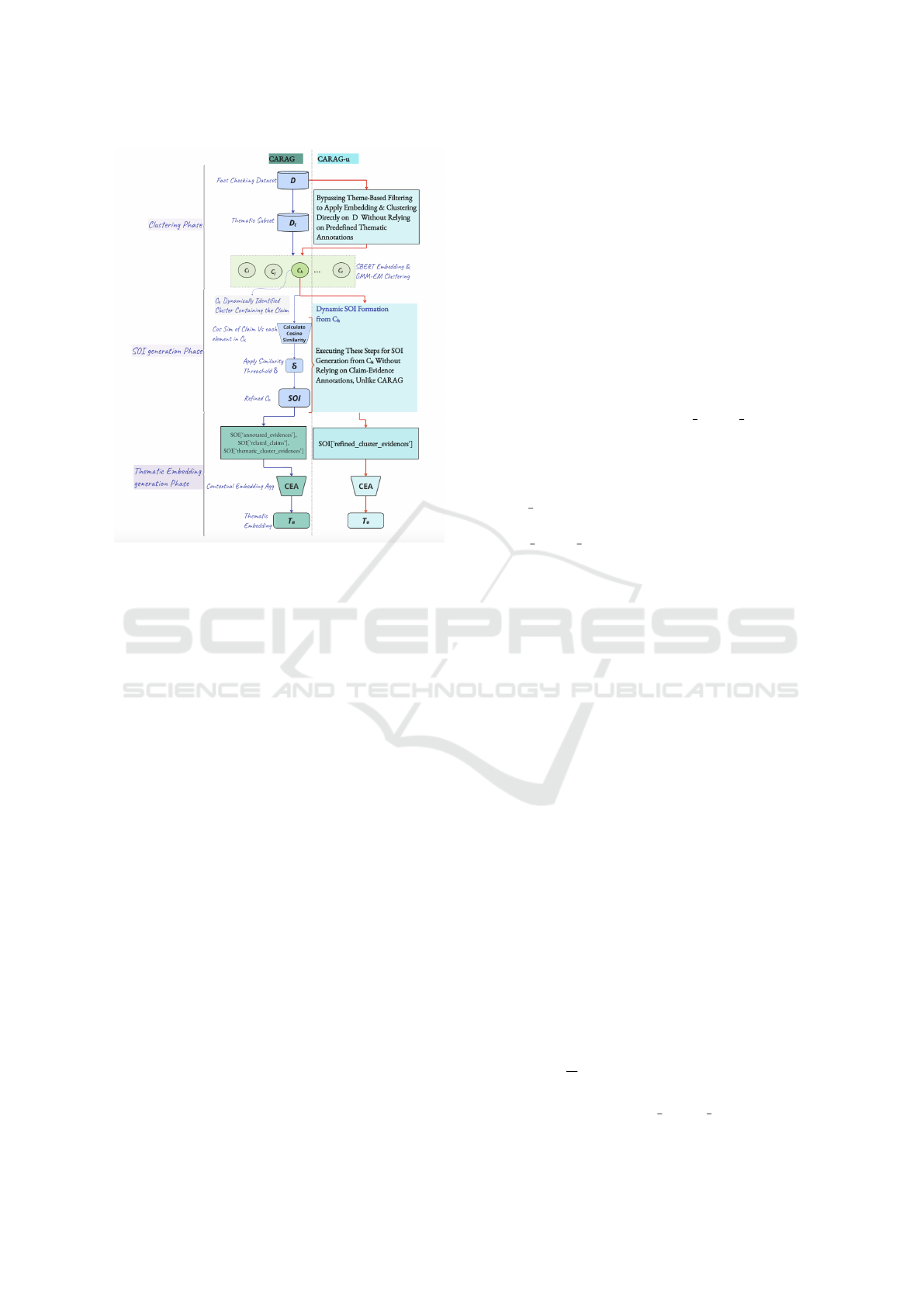
Figure 1: Comparison of CARAG and CARAG-u across
clustering, SOI generation, and thematic embedding phases.
CARAG relies on predefined thematic subsets and anno-
tated evidence, while CARAG-u dynamically clusters the
entire dataset (D), forming SOIs and thematic embeddings
without relying on either thematic annotations or claim-
evidence annotations.
turing overlapping and ambiguous themes in natural
language. It dynamically identifies a set of t clusters
({C
i
}
t
i=1
) based on inherent semantic relationships.
The parameter t, representing the number of clusters,
is configurable depending on the dataset and desired
thematic resolution.
L = GMM-EM({emb(e
i
)}
n
i=1
, t) → {C
i
}
t
i=1
(1)
where L represents the cluster labels assigned to
each embedding, and emb(e
i
) denotes the embed-
ding of the i-th textual input from dataset D. This
step eliminates the reliance on predefined thematic
filtering T , used in CARAG to create D
T
prior to
clustering, marking an initial progression towards an
unsupervised approach, as illustrated in the Clus-
tering Phase of Figure 1. To ensure consistency
and enable a fair comparison with CARAG dur-
ing evaluation, the same SBERT model (sentence-
transformers/all-mpnet-base-v2) and clustering al-
gorithm (sklearn.mixture.GaussianMixture) were se-
lected, leveraging their established effectiveness in
semantic representation (Reimers and Gurevych,
2019) and clustering (Binti Kasim et al., 2021), re-
spectively.
Subsequently, the cluster C
k
containing the em-
bedding of the selected claim c
s
is identified from
these clusters. A Subset of Interest (SOI), is then con-
structed from C
k
by selecting evidences e
k
that meet a
similarity threshold δ, as defined in Equation 2, along-
side c
s
itself.
S (C
k
) = {c
s
}∪{e
k
| sim(e
k
, c
s
) > δ and e
k
∈C
k
} (2)
where, S(C
k
) represents the SOI for c
s
, comprising
the claim c
s
and thematically relevant evidences e
k
from C
k
.
This approach differs fundamentally from
CARAG, which relies on annotated evidences
explicitly tied to c
s
, as well as related claims c
r
within the cluster and their corresponding annotated
evidences referred to as “thematic cluster evidence”,
as illustrated in the Soi generation Phase of Figure 1.
In contrast, CARAG-u considers all evidences within
the cluster C
k
as the evidence pool, irrespective
of their claim annotations, initially referred to as
“cluster evidence”. This pool serves as the basis
for SOI formation, which is further refined into
“refined cluster evidence” by applying the similarity
threshold δ. By eliminating the dependency on
claim-evidence annotations, CARAG-u enables an
unsupervised and scalable process. This dynamic
SOI formation allows CARAG-u to generalize the
CARAG framework, operating effectively on datasets
without thematic labels or predefined structures. By
leveraging unsupervised processes, CARAG-u en-
hances its applicability and adaptability for thematic
discovery.
2.2 Evidence Retrieval Query
Construction from Discovered
Contexts
Building on the thematic context identified through
S (C
k
), this step integrates the discovered context into
the retrieval query for fetching relevant evidence from
the fact-checking dataset. To achieve this, a thematic
embedding T
e
is first computed as the average embed-
ding of the refined cluster evidences within S (C
k
), en-
capsulating the cluster-level context for c
s
.
CARAG-u then proceeds to construct a combined
embedding E
combined
, integrating thematic insights
from T
e
with claim-specific focus from E
claim
(also
denoted interchangeably as emb(c
s
)) to form the re-
trieval query, as defined in Equation 3.
E
combined
= α · E
claim
+ (1 − α) · T
e
,
T
e
=
1
m
m
∑
j=1
emb(e
j
),
e
j
∈ S (C
k
)[
′
re f ined cluster evidences
′
] (3)
KDIR 2025 - 17th International Conference on Knowledge Discovery and Information Retrieval
70
The weighting parameter α (a user-defined parame-
ter) controls the balance between claim-specific pre-
cision and thematic context, offering flexibility for di-
verse retrieval scenarios. While the mathematical for-
mulation of E
combined
aligns with CARAG, CARAG-u
differs by deriving S (C
k
) and T
e
from a dynamically
formed, unsupervised cluster-level evidence pool, as
discussed in the previous sub section.
The resulting E
combined
, which serves as the evi-
dence retrieval query, ensures that the retrieved evi-
dences from D are aligned with both the claim c
s
and
the thematic context discovered.
2.3 Pipeline Summary and
Implementation
Algorithm 1 outlines the methodology, detailing the
steps for clustering, SOI formation, thematic embed-
ding generation, and evidence retrieval using the com-
bined embedding as the query. The practical appli-
cation of this algorithm is demonstrated in the case
study detailed in the Experiments and results sec-
tion, showcasing its adaptability to varying parame-
ter configurations. Additionally, the case study high-
lights the post-hoc explanations generated from the
retrieved evidences, underscoring CARAG-u’s effec-
tiveness in unsupervised thematic discovery.
Figure 1 summarizes the distinctions between
CARAG and CARAG-u across the clustering, SOI
generation, and thematic embedding phases. While
CARAG operates within predefined thematic sub-
sets, CARAG-u bypasses theme-based filtering and
directly applies clustering to the entire dataset (D),
enabling dynamic cluster formation without relying
on thematic annotations. In the SOI generation
phase, CARAG incorporates annotated evidences, re-
lated claims, and thematic cluster evidences, whereas
CARAG-u solely relies on refined cluster evidences
derived from the unsupervised clustering process. An
experimental evaluation of our methodology is pre-
sented in the following section.
3 EXPERIMENTS & RESULTS
We adopt a RAG-based pipeline wherein initial ev-
idence retrieval is performed using FAISS (Douze
et al., 2024) on sentence embeddings generated
by the all-mpnet-base-v2 variant of Sentence-BERT
(SBERT) (Reimers and Gurevych, 2019). This
ensures semantically meaningful and scalable re-
trieval from our document corpus. The explana-
tion generation is powered by the Llama-2-7b-chat-hf
model (Touvron et al., 2023), implemented via Hug-
ging Face’s Transformers library using a sequence-
to-sequence prompting template that combines the
claim, retrieved evidence, and an instructional query.
All experiments are conducted in zero-shot mode. To
ensure consistency, the same embedding and gener-
ation settings used in the original CARAG frame-
work are retained. The following subsections present
CARAG-u’s performance in generating post-hoc ex-
planations through both qualitative and quantitative
evaluations. First, we conduct a visual analysis of the
explanation embeddings followed by a quantitative
assessment using thematic alignment metrics. Finally,
we include a focused case study that illustrates how
dynamic thematic embeddings influence evidence re-
trieval and the resulting explanation quality.
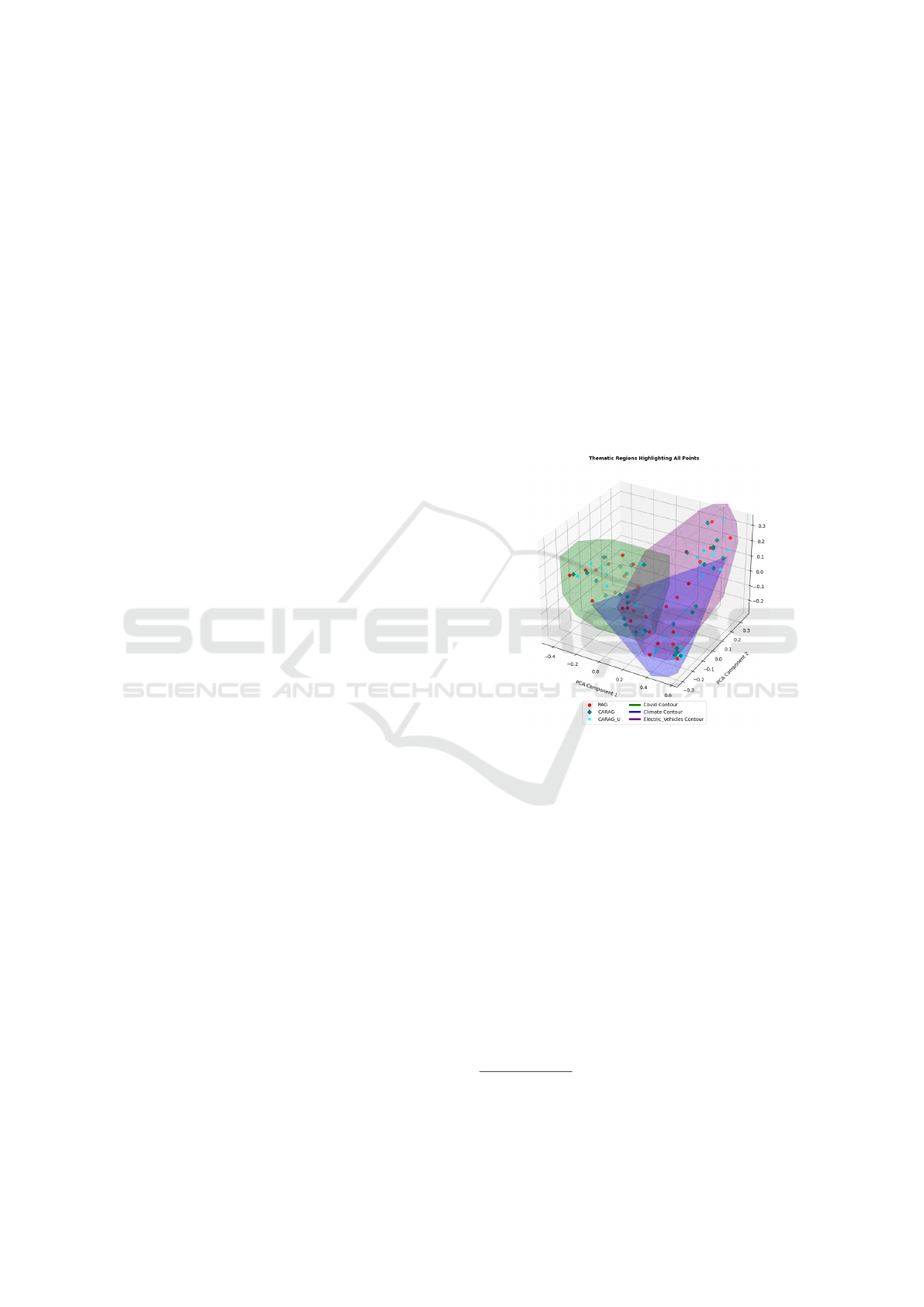
Figure 2: Visualization of explanation embeddings for
RAG, CARAG, and CARAG-u within thematic boundaries
(COVID: green, Climate: blue, Electric Vehicles: purple).
3.1 Evaluating Thematic Alignment
Across RAG, CARAG, and
CARAG-u
Building on the methodological framework detailed,
we evaluate the effectiveness of CARAG-u in gen-
erating contextually relevant explanations. For both
CARAG and CARAG-u, we first generated thematic
embeddings T
e
based on the respective SOIs. Us-
ing these T
e
, we constructed combined embeddings
E
combined
as retrieval queries and subsequently re-
trieved n
docs
evidences for a selected claim. Post-
hoc explanations were then generated using these ev-
idence sets, formatted as part of the LLM prompt
3
,
3
prompt: <claim> + <n
docs
evidence documents>
+ <instruction specifying the evidence-based claim
verification and post-hoc explanation generation tasks>
Unsupervised Thematic Context Discovery for Explainable AI in Fact Verification: Advancing the CARAG Framework
71
with the Llama-2-7b-chat-hf (Touvron et al., 2023)
operating in a zero-shot paradigm.
As part of this evaluation, we selected 10 claims
each from three themes, COVID, Climate, and Elec-
tric Vehicles. For each claim, evidence documents
were first dynamically retrieved from the FactVer
dataset using RAG, and then using E
combined
, com-
puted with T
e
corresponding to the CARAG and
CARAG-u approaches. This process ultimately re-
sulted in a total of 90 post-hoc explanations. FactVer
was chosen for its unique structure, specifically de-
signed to address gaps in existing AFV datasets
(Kotonya and Toni, 2020a) by supporting both verifi-
cation and explainability research with structured ev-
idence relationships and multi-evidence claims. Un-
like datasets such as FEVER (Thorne et al., 2018) or
MultiFC (Augenstein et al., 2019), which focus pri-
marily on fact verification, FactVer’s multi-evidence
structure supports XAI research initiatives in the AFV
domain, particularly in advancing post-hoc explana-
tion generation approaches. This makes it suitable
for evaluating frameworks like CARAG-u, while also
fostering broader progress in XAI for AFV systems.
Having generated post-hoc explanations for com-
parative evaluation, we now discuss the baselines
used to benchmark CARAG-u’s performance. While
CARAG provided the foundational framework for
CARAG-u, RAG serves as the baseline to ensure a
fair comparison. RAG employs a generalized retrieval
strategy, operating solely on the global evidence pool
without thematic filtering or clustering. In contrast,
CARAG benefits from supervised thematic filtering,
clustering, and annotated evidence to generate the-
matic embeddings. Consequently, using CARAG as a
baseline would not provide an unbiased assessment of
CARAG-u’s unsupervised capabilities. Instead, com-
paring CARAG-u to RAG highlights its adaptability
and thematic robustness in the absence of predefined
annotations.
Figure 2 provides an overall visualization of the
embeddings of the post-hoc explanations generated
across the three frameworks. Thematic boundaries
(COVID: green, Climate: blue, Electric Vehicles:
purple) are depicted using 3D PCA-based convex
hulls, delineating the thematic regions. RAG explana-
tions (red circles) are broadly scattered, reflecting the
generalized nature of its retrieval strategy. CARAG
explanations (teal diamonds) exhibit tighter cluster-
ing within thematic boundaries due to its reliance on
supervised thematic annotations. Notably, CARAG-
u explanations (cyan pentagons) demonstrate com-
parable alignment within thematic regions, despite
operating in an unsupervised manner. This demon-
strates CARAG-u’s ability to dynamically infer the-
(a) COVID
(b) Climate
(c) Electric Vehicles
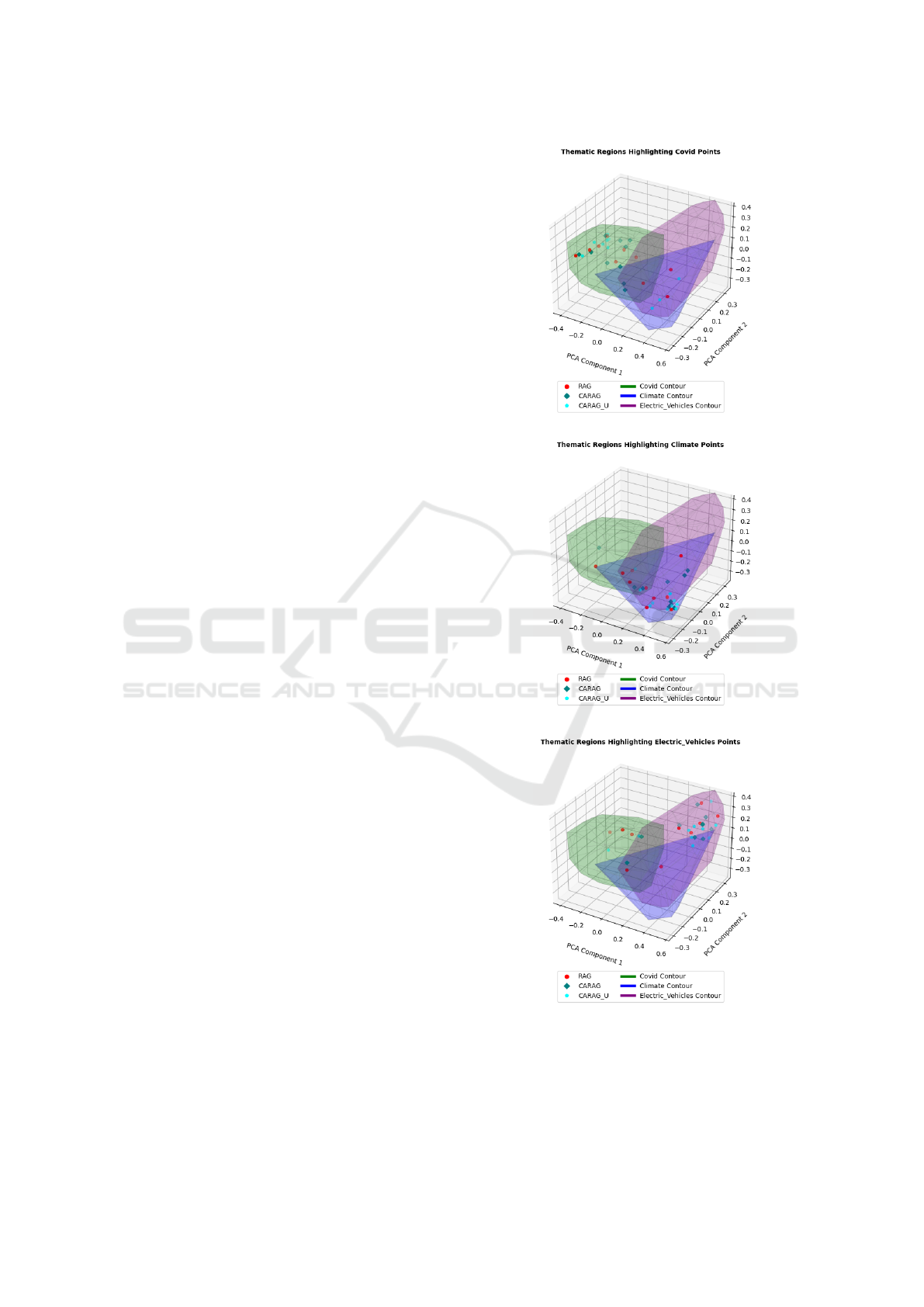
Figure 3: Explanation embeddings disaggregated by theme
(COVID, Climate, Electric Vehicles). Each subplot illus-
trates the alignment of RAG, CARAG, and CARAG-u ex-
planations within thematic boundaries.
KDIR 2025 - 17th International Conference on Knowledge Discovery and Information Retrieval
72
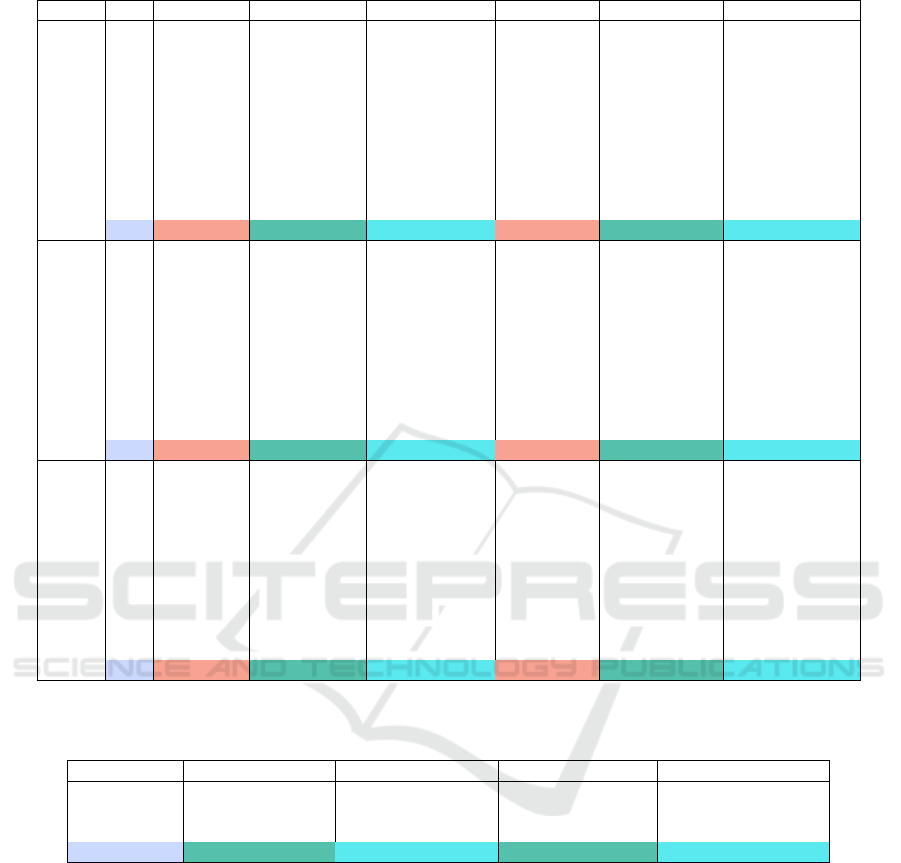
Table 1: Alignment of explanation embeddings with thematic centroids across PCA and t-SNE spaces.
Theme # RAG (PCA) CARAG (PCA) CARAG-u (PCA) RAG (t-SNE) CARAG (t-SNE) CARAG-u (t-SNE)
Climate
1 0.0642 0.6879 0.1626 14.9536 15.6389 15.0701
2 0.2651 0.1297 0.1502 15.1499 14.8257 14.8050
3 0.0703 0.1532 0.1613 14.9061 14.8084 14.7986
4 0.1567 0.2484 0.1562 14.9309 15.1907 14.8102
5 0.1712 0.1475 0.1824 14.7886 14.8085 14.7711
6 0.1349 0.0958 0.0830 15.0864 14.9705 14.9422
7 0.3511 0.1957 0.2076 15.2261 14.7633 14.7499
8 0.3488 0.2748 0.1191 15.2973 14.8389 14.9329
9 0.5537 0.1451 0.2875 15.4724 15.0653 15.2112
10 0.3884 0.2557 0.1742 14.9002 14.8288 14.8327
Avg 0.2505 0.2334 0.1684 15.0712 14.9739 14.8924
COVID
1 0.1218 0.2302 0.2409 12.7828 12.7467 12.5792
2 0.1414 0.2630 0.2941 12.6108 12.6549 12.5617
3 0.3442 0.3105 0.3051 12.6562 12.6574 12.6926
4 0.1923 0.2008 0.2190 12.6017 12.5889 12.5870
5 0.1529 0.2331 0.1700 12.7568 12.6671 12.6365
6 0.2194 0.2087 0.1658 12.6747 12.6908 12.5963
7 0.2119 0.1896 0.1601 12.8909 12.7509 12.6086
8 0.6613 0.1771 0.6123 13.3939 12.9051 13.3338
9 0.3976 0.2770 0.6175 13.1286 12.9587 13.3131
10 0.5557 0.3579 0.6253 13.3042 13.0402 13.3754
Avg 0.2998 0.2448 0.3410 12.8801 12.7661 12.8284
EV
1 0.2399 0.1741 0.1352 33.9902 34.0469 34.0512
2 0.6843 0.1378 0.1425 34.8393 34.2922 34.0821
3 0.5027 0.1596 0.1255 34.6234 34.0523 34.1068
4 0.1630 0.1375 0.2075 34.1918 34.0296 33.9812
5 0.4811 0.4711 0.6347 34.4458 34.4383 34.7523
6 0.0227 0.1657 0.1567 34.1666 34.0517 34.0275
7 0.2334 0.2198 0.2671 34.1765 34.1851 34.1106
8 0.2948 0.1588 0.1564 34.2807 34.0566 34.0586
9 0.4585 0.3520 0.3715 34.6112 34.4718 34.4926
10 0.1092 0.1582 0.0461 34.1030 34.0882 34.1630
Avg 0.3190 0.2135 0.2243 34.3429 34.1713 34.1826
(a) Euclidean distances between explanation embeddings (RAG, CARAG, and CARAG-u) and their respective thematic
centroids across PCA and t-SNE spaces for each theme, including average values. These distances measure how closely the
embeddings align with their thematic regions, with lower values indicating better alignment.
Theme CARAG-RAG (PCA) CARAG-u-RAG (PCA) CARAG-RAG (t-SNE) CARAG-u-RAG (t-SNE)
Climate -0.0171 -0.0820 -0.0973 -0.1788
COVID -0.0551 0.0412 -0.1140 -0.0516
EV -0.1055 -0.0946 -0.1716 -0.1603
Overall Average -0.0592 -0.0452 -0.1276 -0.1302
(b) Differences in average distances (CARAG minus RAG and CARAG-u minus RAG) across PCA and t-SNE spaces for each
theme. Negative values indicate better alignment compared to the baseline (RAG), with larger negative values representing
greater improvement.
matic context, highlighting its flexibility in generating
contextually relevant explanations without annotated
evidence. Figure 3 further disaggregates the analy-
sis by theme, with each subplot showing explanation
embeddings for one theme plotted over all thematic
boundaries. For example, Figure 3a shows that the
explanations generated for COVID claims predomi-
nantly fall within the green contour. CARAG expla-
nations remain tightly clustered, reflecting their re-
liance on thematic supervision. Similar patterns are
observed for Climate (Figure 3b) and Electric Ve-
hicles (Figure 3c), further underscoring CARAG-u’s
ability to approximate the performance of CARAG
while operating without evidence and thematic anno-
tations.
Tables (1a) and (1b) complement these visual-
izations with quantitative insights. Table 1a reports
Euclidean distances between explanation embeddings
(RAG, CARAG, and CARAG-u) and their respective
thematic centroids across PCA and t-SNE spaces for
each theme, including average values. These dis-
tances measure how closely the embeddings align
Unsupervised Thematic Context Discovery for Explainable AI in Fact Verification: Advancing the CARAG Framework
73

Table 2: Case study example of post-hoc explanations generated by CARAG-u for the claim “Climate change is caused by
atmospheric concentration of greenhouse gases.” These explanations are based on retrieved evidence for different α values
(Equation 3), with delta set to 0.75 (Equation 2), and t set to 10 (Equation 1). The variations in α demonstrate its impact on
thematic alignment and evidence retrieval.
Configuration Post-hoc Explanation
α = 1, δ = 0.75, t = 10 Explanation: “The claim is not supported by the evidence.
While the evidence mentions the impact of long COVID on the
labor market, it does not provide any information on the concen-
tration of greenhouse gases in the atmosphere and their role in
causing climate change.”
Observation: In this configuration
(α = 1), the framework behaves as
RAG, retrieving evidence solely based
on the claim text (E
claim
). This results
in a thematically inconsistent evidence
set, often containing unrelated details.
α = 0.75, δ = 0.75, t = 10 Explanation: “The claim is not supported by the evidence pro-
vided. While the evidence suggests that long COVID can affect
the labor market, it does not provide enough data to support the
claim that 1.6 million full-time equivalent workers could be out
of work due to long COVID.”
Observation: Evidence retrieval be-
gins to incorporate thematic elements,
though precision remains inconsistent,
blending some relevant and irrelevant
information.
α = 0.5, δ = 0.75, t = 10 Explanation: “The claim is supported by the evidence pro-
vided. The report from Brookings Metro estimates that 1.6 mil-
lion full-time equivalent workers could be out of work due to
long COVID, which supports the claim that the condition could
have a significant impact on the labor market.”
Observation: Thematic embedding sig-
nificantly influences retrieval, but the
precision of claim specificity is re-
duced.
α = 0.25, δ = 0.75, t = 10 Explanation: “The evidence provided supports the claim that
climate change is caused by the atmospheric concentration of
greenhouse gases. The UK’s industrial decarbonization schemes
and emissions trading highlight the role of greenhouse gases in
climate change.”
Observation: Evidence retrieval heav-
ily favors thematic embedding (T
e
),
providing evidence highly aligned with
the claim. Precision in claim specificity
improves.
with their thematic regions, with lower values indicat-
ing better alignment. CARAG-u consistently achieves
tighter alignment than RAG across most themes
and embedding spaces. Notable improvements are
observed for Climate, where CARAG-u achieves
the lowest t-SNE distance (14.8924), while demon-
strating competitive performance with CARAG for
COVID and Electric Vehicles. The inclusion of t-SNE
distances highlights CARAG-u’s ability to capture lo-
cal relationships, enhancing its contextual alignment.
Table (1b) shows differences in alignment (CARAG
minus RAG & CARAG-u minus RAG distance in
PCA and in t-SNE spaces). Negative values indicate
superior alignment over RAG. CARAG-u exhibits
substantial improvements in Climate (-0.082 in PCA,
-0.1788 in t-SNE) and Electric Vehicles (-0.0946
KDIR 2025 - 17th International Conference on Knowledge Discovery and Information Retrieval
74

in PCA, -0.1603 in t-SNE). While CARAG bene-
fits from supervised thematic embeddings, CARAG-u
performs competitively, as evidenced by overall av-
erages (-0.0452 for PCA and -0.1302 for t-SNE). In
summary, CARAG-u balances unsupervised adapt-
ability with thematic alignment, offering an alterna-
tive to RAG in contexts where structured annotations
are unavailable. These results validate its robustness
and extend the explainability framework established
by CARAG to broader, less structured domains, ad-
vancing the goal of unsupervised fact verification.
3.2 Case Study
Building on the broader framework comparison, we
conducted a focused case study to assess CARAG-u’s
performance in dynamically generating thematic em-
beddings and their influence on evidence retrieval and
explanation generation. This evaluation, centered on
varying the weighting parameter α (Equation 3), used
the claim, “Climate change is caused by atmospheric
concentration of greenhouse gases” (Claim ID: 44)
4
from the FactVer dataset.
The case study followed the methodological steps
outlined in Algorithm 1, with the following parame-
ter configuration: D = FactVer, c
s
= 44, δ = 0.75,
n
docs
= 6, α ∈ {1, 0.75, 0.50, 0.25}, and t = 10. An-
choring the evaluation to this structured process high-
lights CARAG-u’s adaptability to varying parame-
ter configurations, where α determines the extent to
which the thematic context T
e
is incorporated into the
evidence retrieval query E
combined
as defined in Equa-
tion 3. Consequently, when α = 1, CARAG-u relies
solely on E
claim
for evidence retrieval, mimicking the
behavior of a traditional RAG framework as our base-
line setup. Conversely as α decreases, the influence of
T
e
increases, incorporating broader thematic context
(global context) at the expense of claim specificity.
Table 2 illustrates the evolution of post-hoc ex-
planations generated by CARAG-u across varying α
configurations. At α = 1 or at the baseline RAG
setup, producing explanations disconnected from the
thematic context of the claim (climate change), such
as an irrelevant focus on labor market impacts. As
α decreases, the thematic embedding T
e
increasingly
influences retrieval process, aligning the retrieved
evidence and consequently the explanations, more
closely with the claim. Notably, at α = 0.25, the
explanations emphasize industrial de-carbonization
schemes and greenhouse gas emissions, directly sup-
porting the claim. While its predecessor CARAG also
supports adaptability in evidence retrieval through
4
Claim selected for its global relevance and prominence
as a highly discussed topic.
varying α, CARAG-u stands out by achieving this in
a fully unsupervised manner.
4 DISCUSSION
CARAG-u advances XAI for AFV by integrating
thematic context into evidence retrieval and expla-
nation generation, enhancing transparency and rele-
vance through dynamically computed SOIs, without
relying on structured annotations or predefined the-
matic labels. Despite these advancements, challenges
remain. Specifically, its adaptability to datasets with
highly heterogeneous thematic structures requires fur-
ther investigation to assess its performance and limita-
tions in such contexts. Additionally, ensuring its post-
hoc explanations are interpretable to non-expert users
remains a broader challenge for XAI systems. Ad-
dressing these limitations will strengthen CARAG-
u’s applicability. This direction is further reinforced
by a recent survey (Vykopal et al., 2024), which
aimed to advance the understanding and integration of
LLMs in AFV. The survey highlights that knowledge-
augmented strategies such as RAG remain signif-
icantly underutilized in fact-checking, with only a
small fraction of surveyed works incorporating exter-
nal sources. This identified gap reinforces the rel-
evance of our approach, which explores how RAG-
based systems can also advance transparency in AFV.
Our future work on CARAG-u will focus on ex-
panding its adaptability and interpretability through
key enhancements. Adaptive clustering techniques
will be explored to dynamically determine the opti-
mal number of clusters (t), enabling improved scala-
bility across datasets with varying thematic structures.
Additional evaluations on datasets beyond FactVer
will assess CARAG-u’s robustness across diverse do-
mains, while a systematic analysis of hyperparam-
eters, including δ, n
docs
, and t, aims to refine evi-
dence retrieval and enhance the contextual relevance
of explanations. Future evaluations on datasets with
diverse structures will further validate CARAG-u’s
scalability and its capacity to adapt to heterogeneous
thematic complexities, addressing broader research
objectives in explainable AFV.
REFERENCES
Al-Dujaili Al-Khazraji, M. J. and Ebrahimi-Moghadam, A.
(2024). An Innovative Method for Speech Signal
Emotion Recognition Based on Spectral Features Us-
ing GMM and HMM Techniques. Wireless Personal
Communications, 134(2):735–753.
Unsupervised Thematic Context Discovery for Explainable AI in Fact Verification: Advancing the CARAG Framework
75

Amjad, H., Ashraf, M. S., Sherazi, S. Z. A., et al.
(2023). Attention-Based Explainability Approaches
in Healthcare Natural Language Processing. In Pro-
ceedings of the International Conference on Health
Informatics (HEALTHINF), pages 689–696.
Atanasova, P., Simonsen, J. G., Lioma, C., and Augenstein,
I. (2020). Generating Fact Checking Explanations. In
Proceedings of the 58th Annual Meeting of the As-
sociation for Computational Linguistics, pages 7352–
7364, Online. Association for Computational Linguis-
tics.
Augenstein, I., Lioma, C., Wang, D., Chaves Lima, L.,
Hansen, C., Hansen, C., and Simonsen, J. G. (2019).
MultiFC: A Real-World Multi-Domain Dataset for
Evidence-Based Fact Checking of Claims. In Pro-
ceedings of the 2019 Conference on Empirical Meth-
ods in Natural Language Processing and the 9th Inter-
national Joint Conference on Natural Language Pro-
cessing (EMNLP-IJCNLP), pages 4685–4697, Hong
Kong, China. Association for Computational Linguis-
tics.
Barai, B., Chakraborty, T., Das, N., Basu, S., and Nasipuri,
M. (2022). Closed-Set Speaker Identification Using
VQ and GMM Based Models. International Journal
of Speech Technology, 25(1):173–196.
Binti Kasim, F. A., Pheng, H. S., Binti Nordin, S. Z., and
Haur, O. K. (2021). Gaussian Mixture Model - Expec-
tation Maximization Algorithm for Brain Images. In
2021 2nd International Conference on Artificial Intel-
ligence and Data Sciences (AiDAS), pages 1–5.
Chen, J., Bao, Q., Sun, C., et al. (2022). Loren: Logic-
regularized reasoning for interpretable fact verifica-
tion. In Proceedings of the AAAI Conference on Arti-
ficial Intelligence, volume 36, pages 10482–10491.
Dai, S. C., Hsu, Y. L., Xiong, A., and Ku, L. W. (2022).
Ask to Know More: Generating Counterfactual Ex-
planations for Fake Claims. In Proceedings of the 28th
ACM SIGKDD Conference on Knowledge Discovery
and Data Mining, pages 2800–2810.
Douze, M., Guzhva, A., Deng, C., Johnson, J., Szilvasy, G.,
Mazar
´
e, P.-E., Lomeli, M., Hosseini, L., and J
´
egou, H.
(2024). The FAISS Library. CoRR, abs/2401.08281.
Jiao, Z., Ji, Y., Gao, P., and Wang, S. H. (2023). Extraction
and Analysis of Brain Functional Statuses for Early
Mild Cognitive Impairment Using Variational Auto-
Encoder. Journal of Ambient Intelligence and Human-
ized Computing, pages 1–12.
Kotonya, N. and Toni, F. (2020a). Explainable Automated
Fact-Checking: A Survey. In 28th International Con-
ference on Computational Linguistics, Proceedings of
the Conference (COLING), pages 5430–5443. Online.
Kotonya, N. and Toni, F. (2020b). Explainable Automated
Fact-Checking for Public Health Claims. In Webber,
B., Cohn, T., He, Y., and Liu, Y., editors, Proceed-
ings of the 2020 Conference on Empirical Methods in
Natural Language Processing (EMNLP), pages 7740–
7754, Online. Association for Computational Linguis-
tics.
Krishna, A., Riedel, S., and Vlachos, A. (2022). ProoFVer:
Natural Logic Theorem Proving for Fact Verification.
Transactions of the Association for Computational
Linguistics, 10:1013–1030.
Lewis, P., Perez, E., Piktus, A., et al. (2020). Retrieval-
augmented generation for knowledge-intensive NLP
tasks. In Proceedings of the 34th International Con-
ference on Neural Information Processing Systems
(NIPS ’20). Curran Associates Inc.
Moondra, A. and Chahal, P. (2023). Speaker Recogni-
tion Improvement for Degraded Human Voice Using
Modified-MFCC with GMM. International Journal of
Advanced Computer Science and Applications, 14(6).
Moradi, M. and Samwald, M. (2021). Post-hoc explana-
tion of black-box classifiers using confident itemsets.
Expert Systems with Applications, 165:113941.
Popat, K., Mukherjee, S., Yates, A., and Weikum, G.
(2018). Declare: Debunking fake news and false
claims using evidence-aware deep learning. In Pro-
ceedings of the 2018 Conference on Empirical Meth-
ods in Natural Language Processing, EMNLP 2018,
pages 22–32.
Reimers, N. and Gurevych, I. (2019). Sentence-BERT: Sen-
tence Embeddings Using Siamese BERT-Networks.
In Proceedings of the 2019 Conference on Empirical
Methods in Natural Language Processing and the 9th
International Joint Conference on Natural Language
Processing (EMNLP-IJCNLP).
Ribeiro, M. T., Singh, S., and Guestrin, C. (2016). “Why
Should I Trust You?” Explaining the Predictions of
Any Classifier. In Proceedings of the 22nd ACM
SIGKDD International Conference on Knowledge
Discovery and Data Mining, pages 1135–1144.
Shu, K., Cui, L., Wang, S., Lee, D., and Liu, H. (2019).
dEFEND: Explainable Fake News Detection. In Pro-
ceedings of the 25th ACM SIGKDD International
Conference on Knowledge Discovery & Data Mining,
KDD ’19, page 395–405, New York, NY, USA. Asso-
ciation for Computing Machinery.
Singhal, R., Patwa, P., Patwa, P., Chadha, A., and Das, A.
(2024). Evidence-backed Fact Checking using RAG
and Few-Shot In-Context Learning with LLMs. In
Proceedings of the Seventh Workshop on Fact Extrac-
tion and VERification (FEVER). Association for Com-
putational Linguistics.
Thorne, J., Vlachos, A., Christodoulopoulos, C., and Mittal,
A. (2018). FEVER: a Large-scale Dataset for Fact Ex-
traction and VERification. In Proceedings of the 2018
Conference of the North American Chapter of the As-
sociation for Computational Linguistics: Human Lan-
guage Technologies, pages 809–819, New Orleans,
Louisiana. Association for Computational Linguistics.
Touvron, H., Martin, L., Stone, K., et al.
(2023). LLAMa-2: Open foundation and
fine-tuned chat models. Retrieved from
https://ai.meta.com/research/publications/llama-
2-open-foundation-and-fine-tuned-chat-models/.
Vallayil, M., Nand, P., and Yan, W. Q. (2024). Explain-
able AI through Thematic Clustering and Contextual
Visualization: Advancing Macro-Level Explainability
in AFV Systems. In ACIS 2024 Proceedings, number
101 in ACIS Proceedings Series.
KDIR 2025 - 17th International Conference on Knowledge Discovery and Information Retrieval
76

Vallayil, M., Nand, P., Yan, W. Q., and Allende-Cid, H.
(2023). Explainability of Automated Fact Verifica-
tion Systems: A Comprehensive Review. Applied Sci-
ences, 13(23):12608.
Vallayil, M., Nand, P., Yan, W. Q., Allende-Cid, H., and
Vamathevan, T. (2025). CARAG: A Context-Aware
Retrieval Framework for Fact Verification, Integrating
Local and Global Perspectives of Explainable AI. Ap-
plied Sciences, 15(4):1970.
Vykopal, I., Pikuliak, M., Ostermann, S., and Simko,
M. (2024). Generative Large Language Models
in Automated Fact-Checking: A Survey. ArXiv,
abs/2407.02351.
Wang, H. and Shu, K. (2023). Explainable Claim Verifica-
tion via Knowledge-Grounded Reasoning with Large
Language Models. In Bouamor, H., Pino, J., and
Bali, K., editors, Findings of the Association for Com-
putational Linguistics: EMNLP 2023, pages 6288–
6304, Singapore. Association for Computational Lin-
guistics.
Xu, W., Liu, Q., Wu, S., and Wang, L. (2023). Counter-
factual Debiasing for Fact Verification. In Proceed-
ings of the 61st Annual Meeting of the Association for
Computational Linguistics (Volume 1: Long Papers),
pages 6777–6789.
Unsupervised Thematic Context Discovery for Explainable AI in Fact Verification: Advancing the CARAG Framework
77
