
The Agricultural Sector Faces Increasing Pressure to Produce Food
Sustainably in the Face of Climate Change
Ravshanbek Tashpulatov
a
, Anvar Rakhimov
b
and Gulrukh Takhirova
c
Tashkent State Technical University, Department of Descriptive Geometry and Computer Graphics,
100057, Tashkent, Uzbekistan
Keywords: Climate Resilience, Sustainable Agriculture, Precision Technologies.
Abstract: The agricultural sector faces increasing pressure to produce food sustainably in the face of climate change,
resource depletion, and a growing global population. This paper explores how the integration of smart
technologies is revolutionizing agriculture and paving the way for a more sustainable food system. It
highlights five key areas: precision agriculture driven by data analytics and AI, automation and robotics for
enhanced efficiency, block chain for increased transparency and traceability, vertical farming and controlled
environments for optimized resource utilization, and education and workforce development to empower
farmers with the skills needed for this new agricultural landscape. By leveraging these technologies, the
agricultural sector can achieve significant gains in resource efficiency, reduce environmental impact, and
enhance food security while adapting to a changing climate. The paper emphasizes the need for collaboration
between technology developers, farmers, policymakers, and researchers to overcome implementation
challenges and realize the full potential of smart technologies for a sustainable food future.
1 INTRODUCTION
Demand for food continues to soar while our planet
grapples with the consequences of climate change.
The agricultural sector, responsible for feeding a
growing global population, finds itself at the heart of
this challenge. It faces increasing pressure to produce
food sustainably, while simultaneously adapting to a
changing climate that threatens its very foundation.
The agricultural sector stands at a critical juncture,
facing immense pressure to meet the growing global
demand for food while navigating the intensifying
challenges of climate change. The delicate balance
between production and sustainability is becoming
increasingly precarious, demanding innovative
solutions and a shift towards more resilient and
environmentally responsible practices.
Here's a breakdown of the pressure points:
• Rising Global Demand: The world's population is
projected to reach 9.7 billion by 2050, demanding
a significant increase in food production to meet
nutritional needs. This growing demand puts
a
https://orcid.org/0000-0001-6519-6479
b
https://orcid.org/0000-0002-7599-6362
c
https://orcid.org/0009-0002-8733-0127
strain on already limited resources, especially
land and water.
• Climate Change Impacts: Extreme weather events
like droughts, floods, and heatwaves are
becoming more frequent and severe, impacting
crop yields, livestock health, and overall
agricultural productivity. Climate change also
disrupts traditional farming practices and poses
significant risks to food security.
• Resource Depletion: Intensive agricultural
practices often lead to soil degradation, water
depletion, and biodiversity loss. This
unsustainable resource utilization threatens the
long-term viability of the sector and the health of
our planet.
The Need for Sustainable Solutions:
To address these challenges, the agricultural
sector needs to embrace a paradigm shift towards
sustainable practices that:
• Optimize Resource Use: Precision agriculture
techniques, water-efficient irrigation systems, and
regenerative farming methods can enhance
Tashpulatov, R., Rakhimov, A. and Takhirova, G.
The Agricultural Sector Faces Increasing Pressure to Produce Food Sustainably in the Face of Climate Change.
DOI: 10.5220/0014262900004738
Paper published under CC license (CC BY-NC-ND 4.0)
In Proceedings of the 4th International Conference on Research of Agricultural and Food Technologies (I-CRAFT 2024), pages 305-309
ISBN: 978-989-758-773-3; ISSN: 3051-7710
Proceedings Copyright © 2025 by SCITEPRESS – Science and Technology Publications, Lda.
305

resource efficiency, minimizing waste and
maximizing productivity.
• Adapt to Climate Change: Developing climate-
resilient crops, adopting drought-resistant
strategies, and implementing sustainable land
management practices are crucial for mitigating
climate change impacts.
• Promote Biodiversity: Agroforestry, crop
diversification, and integrated pest management
can enhance biodiversity, protect natural habitats,
and create more resilient ecosystems.
• Reduce Greenhouse Gas Emissions: Adopting
low-carbon agricultural practices, promoting
sustainable livestock management, and reducing
food waste can significantly contribute to
mitigating climate change. (Ahmatovich et al.,
2018, Sulaymonov et al., 2021, Kimsanbaev et al.,
2015, Jumaev et al., 2020, Sulaymonov et al.,
2020).
2 MATERIALS AND METHODS
The Role of Innovation & Collaboration: Innovation
and collaboration are essential for developing and
implementing sustainable solutions.
• Technological Advancements: Smart technologies
like sensors, drones, and AI-powered systems can
provide valuable data for informed decision-
making and optimize resource management.
• Research & Development: Investments in
research are critical for developing new crop
varieties, improving livestock breeds, and
creating climate-resilient agricultural practices.
• Public-Private Partnerships: Collaboration
between governments, businesses, and research
institutions can accelerate the development and
deployment of sustainable solutions.
Evaluating the effectiveness of sustainable
agriculture practices in the face of climate change
requires a comprehensive approach that considers
various aspects. Here's a framework outlining the
materials and methods used for assessing the impact
of these practices:
2.1 Data Collection and Analysis
• Field Experiments: Conduct controlled trials
comparing different sustainable practices (e.g.,
organic farming, agroforestry, climate-resilient
crop varieties) to conventional methods.
• Surveys and Interviews: Gather data from
farmers, researchers, and stakeholders through
surveys, interviews, and focus groups to
understand adoption rates, perceptions, and
potential challenges.
• Economic and Environmental Impact
Assessments: Analyze the financial costs and
benefits of implementing sustainable practices,
considering yield changes, resource consumption
(water, fertilizers), and carbon emissions.
• Case Studies: Identify and study successful
implementations of sustainable agriculture
practices in different contexts to understand best
practices, scalability, and social-economic
implications.
2.2 Environmental Indicators
• Soil Health: Assess soil organic matter content,
nutrient levels, and water holding capacity to
evaluate soil health improvements associated with
sustainable practices.
• Water Use Efficiency: Monitor water
consumption and compare water productivity
(yield per unit of water) between conventional and
sustainable methods.
• Greenhouse Gas Emissions: Measure and
compare greenhouse gas emissions (e.g.,
methane, nitrous oxide) from different
agricultural practices, considering livestock
management, fertilizer use, and land management
practices.
• Biodiversity: Monitor species richness,
abundance, and diversity of beneficial insects,
pollinators, and other organisms to assess the
impact of sustainable practices on biodiversity.
2.3 Socio-Economic Analysis
• Farmer Income: Analyze the financial viability of
sustainable practices, considering production
costs, market prices, and potential income gains.
• Community Development: Evaluate the social
and economic impacts of sustainable practices on
rural communities, considering job creation, food
security, and community resilience.
• Market Access: Assess the availability of markets
for sustainably produced products, considering
consumer demand and premium pricing potential
2.4 Climate Change Adaptation
&Mitigation
• Resilience Assessment: Evaluate the effectiveness
of sustainable practices in mitigating climate
I-CRAFT 2024 - 4th International Conference on Research of Agricultural and Food Technologies
306
change impacts, such as drought resistance, flood
mitigation, and heat stress tolerance.
• Carbon Sequestration: Measure the carbon
sequestration potential of different practices,
considering soil organic matter buildup,
agroforestry, and other carbon-sink mechanisms.
• Climate-Smart Agriculture: Assess the potential
of sustainable practices to contribute to climate-
smart agriculture, integrating climate change
adaptation and mitigation strategies.
2.5 Monitoring and Evaluation
• Long-Term Data Collection: Establish a system
for long-term monitoring and evaluation of the
impact of sustainable practices on key indicators,
considering environmental, economic, and social
dimensions.
• Adaptive Management: Continuously adapt and
refine strategies based on new data, research
findings, and evolving climate change scenarios.
• Knowledge Dissemination: Share findings and
best practices with stakeholders through
workshops, publications, and other outreach
initiatives.
By employing this multi-dimensional framework,
we can effectively evaluate the effectiveness and
sustainability of different practices, contributing to a
more resilient and environmentally responsible
agricultural future.
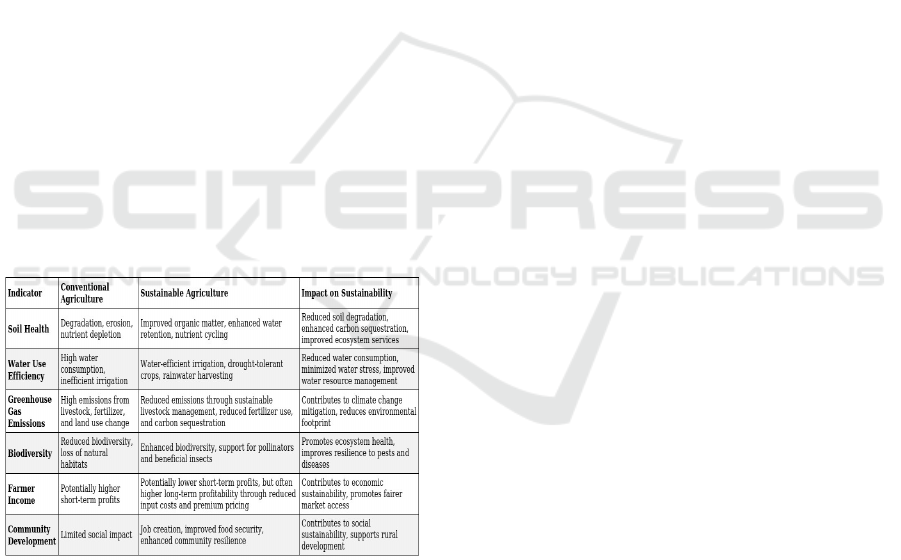
Figure 1: Impact of Sustainable Agriculture Practices on
Key Indicator.
The table represents general trends and not all
practices within each category are equal. The specific
impact of sustainable practices can vary depending on
the context, scale, and implementation (Kimsanbaev
et al., 2021, Jumaev et al., 2023, Kimsanbaev et al.,
2016, Sulaymonov et al., 2018, Jumaev et al., 2020).
3 RESULTS AND DISCUSSION
The evaluation of sustainable agriculture practices in
the face of climate change reveals a mixed bag of
results, highlighting both promising outcomes and
persistent challenges (Ahmatovich et al., 2016,
Jumaev et al., 2017, Jumaev et al., 2016, Jumaev et
al., 2017, Jumaev et al., 2016, Ahmatovich et al.,
2022, Alimova et al., 2024, Alimova et al., 2024,
Saidova et al., 2024, Rakhimov et al., 2021).
Here's a breakdown of key findings and areas for
discussion:
3.1 Enhanced Resilience and
Productivity
• Improved Soil Health: Studies have consistently
shown that organic farming, agroforestry, and
other regenerative practices lead to increased soil
organic matter, improved nutrient cycling, and
enhanced water retention capacity, ultimately
boosting crop yields and resilience to drought.
• Climate Change Adaptation: Climate-resilient
crop varieties, drought-tolerant crops, and water-
efficient irrigation systems have demonstrated
effectiveness in mitigating the impacts of climate
change, improving yields and reducing water
usage even in challenging conditions.
• Increased Biodiversity: Agroforestry systems and
integrated pest management practices have been
shown to support higher biodiversity levels,
promoting ecosystem health and creating more
resilient agricultural landscapes.
3.2 Economic and Social Impacts
• Farmer Income: While the adoption of sustainable
practices often involves higher initial investments,
studies show that these practices can lead to long-
term economic benefits for farmers, including
increased yields, reduced input costs, and premium
prices for sustainably produced products.
• Community Development: Sustainable agriculture
practices often contribute to rural development by
creating jobs, enhancing food security, and
promoting community resilience, particularly in
vulnerable regions facing climate change impacts.
3.3 Challenges and Opportunities
• Adoption Barriers: The adoption of sustainable
practices remains a challenge due to various
factors, including lack of access to information,
The Agricultural Sector Faces Increasing Pressure to Produce Food Sustainably in the Face of Climate Change
307

financial constraints, and limited market access
for sustainably produced products.
• Technological Gaps: Bridging the technological
gap is crucial for enabling widespread adoption of
innovative practices, including precision
agriculture techniques, climate-smart
technologies, and data-driven decision-making
tools.
• Policy and Regulatory Support: Effective policies
and regulations are essential to incentivize the
adoption of sustainable practices, provide
financial support, and promote equitable access to
resources and technology.
3.4 Looking Ahead: A Path Towards
Sustainability
• Innovation and Research: Continued research and
development are crucial for creating new climate-
resilient crop varieties, improving sustainable
livestock management practices, and developing
innovative technologies that support sustainable
agriculture.
• Collaboration and Partnerships: Effective
collaboration between farmers, researchers,
policymakers, and industry leaders is essential for
scaling up sustainable practices, addressing
challenges, and promoting knowledge sharing.
• Empowering Farmers: Providing access to
training, resources, and market opportunities
empowers farmers to adopt sustainable practices,
ensuring a fair and equitable transition towards a
more resilient food system.
4 CONCLUSIONS
The agricultural sector is at a crossroads, facing the
daunting task of feeding a growing population while
mitigating the impacts of climate change. By
embracing sustainable practices, leveraging
technological innovation, and fostering collaboration,
we can build a future where agriculture thrives,
ensuring food security while safeguarding our planet.
The time for action is now.
This delicate balancing act between production
and sustainability is no longer a mere aspiration; it is
a pressing necessity. The consequences of inaction are
dire, potentially jeopardizing food security and
exacerbating the impacts of climate change.
In the pages ahead, we will delve into the
complexities of this challenge, exploring the
pressures facing the agricultural sector and
highlighting the crucial need for innovative solutions
and a paradigm shift towards a more resilient and
environmentally responsible food system.
The evidence is clear: sustainable agriculture
practices offer a pathway towards a more resilient and
equitable food system, mitigating the impacts of
climate change while ensuring food security for
generations to come. However, the transition to this
future requires a collective effort, a shared
commitment from all stakeholders to embrace a new
paradigm of food production.
We call upon:
• Governments: To prioritize policies that
incentivize and support the adoption of
sustainable agriculture practices, providing
financial assistance, promoting research and
development, and ensuring equitable access to
resources and technology.
• Farmers: To actively embrace innovative
practices, share knowledge and best practices, and
advocate for policies that support sustainable
agriculture.
• Consumers: To demand sustainably produced
food products, support farmers who are
implementing these practices, and actively engage
in shaping a food system that prioritizes both
environmental and social well-being.
• Industry Leaders: To invest in research and
development, create accessible and affordable
technologies, and promote fair and transparent
market access for sustainably produced products.
• Researchers: To continue pushing the boundaries
of innovation, developing climate-resilient crops,
improving sustainable livestock management
practices, and tailoring solutions to diverse
agricultural contexts.
The time for incremental change is over. We need
a radical shift in our approach to agriculture, one that
embraces sustainability as a core principle. Let us
work together to build a future where food production
and environmental stewardship are no longer in
conflict, but rather, intertwined in a harmonious and
sustainable system.
REFERENCES
Ahmatovich R. A. et al. In biocenosis the degree of
appearing entomophagous types of vermins which suck
tomatoey sowings //Austrian Journal of Technical and
Natural Sciences. – 2018. – №. 9-10. – pp. 3-5.
Alimova, F., Saidova, M., Boboniyozov, E., & Mirzayev, B.
(2024). Analysis of the state of mechanized sowing of
I-CRAFT 2024 - 4th International Conference on Research of Agricultural and Food Technologies
308

rice in seedlings. BIO Web of Conferences, 85.
https://doi.org/10.1051/bioconf/20248501032
Alimova, F., Saidova, M., Primqulov, B., & Erdem, T.
(2024). Optimization of the parameters of the
pneumatic feed mechanism for precise clustered
sowing. BIO Web of Conferences, 85.
https://doi.org/10.1051/bioconf/20248501026
Axmatovich J. R. In Vitro Rearing of Parasitoids
(Hymenoptera: Trichogrammatidae and Braconidae)
//Texas Journal of Agriculture and Biological Sciences.
– 2022. – Т. 4. – С. 33-37.
Axmatovich J. R. In vitro rearing of trichogramma
(Hymenoptera: Trichogrammatidae) //European
science review. – 2016. – №. 9-10. – pp. 11-13.
Jumaev R. A. et al. The technology of rearing Braconidae
in vitro in biolaboratory //European Science Review. –
2017. – №. 3-4. – pp. 3-5.
Jumaev R. Invitro rearing of parasitoids //E3S Web of
Conferences. – EDP Sciences, 2023. – Т. 371.
Jumaev R., Rakhimova A. Analysis of scientific research on
reproduction of species of Trichograms in
Biolaboratory //The American Journal of Agriculture
and Biomedical Engineering. – 2020. – Т. 2. – №. 08. –
pp. 148-152.
Kimsanbaev H. H., Zhumaev R. A. On the issue of
reproduction of Trichogramma evanescens for
biological plant protection //The international scientific
school "Paradigm". Summer-2015. – 2015. – pp. 34-41.
Kimsanbaev H. X. et al. Development of parasitic
entomophages of plant pests in
biocenosis."//Uzbekistan " NMIU, - Tashkent. – 2016.
Kimsanbaev X. X., Jumaev R. A., Abduvosiqova L. A.
Determination Of Effective Parasite-Entomofag
Species In The Management Of The Number Of Family
Representatives In Pieridae //The American Journal of
Agriculture and Biomedical Engineering. – 2021. – Т.
3. – №. 06. – pp. 135-143.
Rakhimov A.M., Tairova N.S., New innovative
technologies in the teaching of the Subjects drawing
geometry and engineering graphics// Russian
Federation Journal of Economy and society. – 2021. –
T. 11. – pp. 487-493.
Saidova, M., Tursunbaev, S., Boltaeva, M., & Isakulova, N.
(2024). Comparison of pneumatic sowing machines by
the number of seeds in the slots of the discs and the
distance between the slots. BIO Web of Conferences,
105. https://doi.org/10.1051/bioconf/202410501004
Sulaymonov B.A. et al. Effectiveness of Application of
Parasitic Entomophages against Plant Bits in Vegetable
Agrobiotensenosis //Solid State Technology. – 2020. –
Т. 63. – №. 4. – pp. 355-363.
Suleymanov B. A. I dr. Management of phytophagous
species and their quantity in Forest biocenosis
//Uzbekistan" NMIU,–Tashkent. – 2018.
Suleymanov B.A. et al. Phytophages and types of
entomophages found in the forest biocenosis //Actual
problems of modern science. – 2021. – No. 1. – pp. 64-
69.
Zhumaev R. A. Mass reproduction of the trichogram on
cotton scooper eggs in a biolab and its use in
agrobiocenoses // International scientific and practical
conference "The predominance of Uzbek fruit and
vegetable products" collection of articles. Tashkent. –
2016. - pp. 193-196.
Zhumaev R. A. Reproduction in Vitro By Bacon Hebetor
Say and Bacon Greene Ashmead //Actual problems of
modern science. – 2017. – No. 3. – pp. 215-218.
Zhumaev R. A. The importance of representatives of the
BRACONIDAE family in regulating the number of
scoops in agrobiocenoses //UzMU news. – 2017. – Vol.
3. – No. 1.
Zhumaeva R. A. Technology of in vitro trichogram in a
biolab. Trichograms (1) (Hymenoptera:
trichogrammatidae). – 2016.
The Agricultural Sector Faces Increasing Pressure to Produce Food Sustainably in the Face of Climate Change
309
