
Study of the Functional Properties of Soy Protein Additives in Meat
Products
Abdunabi Fathullaev
a
and Saboxat Ibragimova
b
Tashkent State Agrarian University, 100140, University str. 2, Tashkent, Uzbekistan
Keywords: Soy Protein Additives, Functional Properties, Meat Products.
Abstract: Functional properties of traditional soy concentrate and its analogue were investigated in this paper. Besides
that, a comparative analysis of functional-technological, structural mechanical properties and quality traits of
thermally treated ground meat systems was carried out and deeply examined
.
1 INTRODUCTION
At present, there is a lack of food rich in easily
digestible proteins in the diet of the population. One
of the ways to solve this problem is to replace animal
proteins with vegetable ones, which are both cheaper
and healthier (Isaev et al., 2020). Soy is the only crop
that contains high quality protein. Soy protein is well
balanced in essential amino acids other than
methionine and cysteine. In terms of the protein
complex and the content of essential amino acids
(lysine and tryptophan), soy protein is closer to
proteins of animal origin, therefore, animal and
human organisms spend minimal efforts to convert
soy protein into proteins of their body (Antipova and
Glotova, 2006), (Golubev et al., 2003).
Meat products contain 15-20% protein. Among
vegetable legumes (beans, peas), vegetable soybeans
have no equal in terms of protein content (44-45%)
and oil (20-22%) in the phase of green beans (Lisitsyn
et al., 2005). This is a very highly nutritious crop and
the inclusion of vegetable soybeans in the diet allows
to enrich food with essential proteins and other
nutrients for the body (Lisitsyn et al., 2005),
(Lisitsyn, 2000).
Numerous studies confirm that soybean seeds
contain antioxidants. Its use in food helps to increase
the body's immunity and reduce allergies. Unlike
meat, soy is free of cholesterol and saturated fatty
acids, which lead to heart disease, cancer and
osteoporosis. It has been noticed that soy effectively
a
https://orcid.org/0009-0003-1168-8258
b
https://orcid.org/0000-0003-1129-2456
lowers blood cholesterol levels, optimizes the glucose
content in it in diabetes, helps to strengthen bones,
prevents the development of heart and blood vessel
diseases, and reduces the risk of kidney and liver
stones. Soy contains a very rare fatty acid, omega-3,
which is essential for brain development in newborns,
reducing the risk of heart disease and cancer. It
contains many anticarcinogenic substances that
prevent and stop the development of cancerous
tumors (Lisitsyn, 2000), (Rogov, 2009), (Fathullaev
and Turabjanov, 2009).
The use of soybeans is carried out in several
directions, among which the following lines are
highlighted: Soy protein is produced from raw beans
using a multi-stage processing technology that
removes indigestible components and concentrates
the protein. The type of final product depends on the
type of processing. Protein can take the form of a
concentrate, isolate, or flour. In addition to protein,
soy products contain no less valuable components -
fiber, isoflavones, and saponins (Fathullaev and
Turabjanov, 2008).
The ideal raw material for the production of
concentrates is full fat extruded soybeans. The
content of vitamins and essential amino acids in
concentrates is much higher than in other types of
proteins of animal and plant origin (Antipova and
Glotova, 2006), (Fathullaev and Turabjanov, 2008).
On the basis of protein, highly effective protein-
vitamin and mineral complexes are obtained - soy
protein concentrates, consisting of soy proteins,
Fathullaev, A. and Ibragimova, S.
Study of the Functional Properties of Soy Protein Additives in Meat Products.
DOI: 10.5220/0014262800004738
Paper published under CC license (CC BY-NC-ND 4.0)
In Proceedings of the 4th International Conference on Research of Agricultural and Food Technologies (I-CRAFT 2024), pages 301-304
ISBN: 978-989-758-773-3; ISSN: 3051-7710
Proceedings Copyright © 2025 by SCITEPRESS – Science and Technology Publications, Lda.
301

vitamins, minerals and enzymes (Isaev et al., 2020),
(Fathullaev, 2020).
The introduction of soy protein concentrates,
consisting mainly of salt-soluble proteins, into meat
systems ensures the formation of meat emulsions,
stabilizes their properties, increases the level of fat
absorption, water-binding capacity and stickiness of
minced meat. As a result, the output of finished
products increases, the likelihood of the formation of
broth-fatty edema is excluded, and the product is solid
and juicy (Fathullaev, 2020).
In terms of its functional and technological
properties, soy protein concentrate acts similarly to
the structure-forming muscle proteins of lean meat.
However, unlike multicomponent meat and dairy
proteins, soy protein concentrate is homogeneous and
this makes it easy to predict the nature of
technological changes in meat emulsions when
working with it and control it (Antipova and Glotova,
2006), (Lisitsyn, 2000).
Due to the stability of the composition and
functional and technological properties, soy protein
concentrate provides a significant improvement in the
quality of meat emulsions prepared from low grade
raw materials with a wide range in the content of
muscle, adipose and connective tissue, as well as
from ice cream and thawed meat (Lisitsyn et al.,
2005), (Lisitsyn, 2000).
Soy protein concentrate can be used both for the
production of a wide range of traditional meat
products and for the production of new types of
products (Fathullaev, 2020). At the same time, the
optimal level of its introduction into the formulations
of various types of meat products is: for boiled
sausages, frankfurters, small sausages - 2-4%, for
products such as ham in a shell - 2-4%, for salty pork
products (when added in brines) - 12%, for pates
(molded, wrapped and canned) - 3-6%, for chopped
semi-finished products - up to 7%, for dry fermented
sausages - 2-3%.
2 MATERIALS AND METHODS
The value of the output of finished products is one of
the criteria that determine the economic feasibility of
the production of cooked sausages. At the same time,
it is closely related to the functional properties of the
proteins of the minced meat system, which determine
the juiciness of the finished product.
One of these properties is the ability of minced
meat to retain bound moisture during heat treatment.
In our opinion, water-retention capacity (WRC) and
structural-mechanical characteristics are the key
functional properties for assessing the quality of
cooked sausages.
The water-holding capacity data indicate that the
moisture-holding capacity of heat- treated minced
meat does not differ significantly. The WRC of the
control sample, the main recipe component of which
is grade 1 beef, is slightly lower than in the samples
containing 25% suspension of modified soy
concentrate and 25% suspension of soy concentrate.
These data confirm the previously obtained
functional properties of the modified soy concentrate
and soy concentrate.
The use of 25% modified soy concentrate in the
production of cooked sausages instead of an
equivalent amount of raw meat allows to create a
stable emulsion that retains weakly bound moisture
when heated (Fathullaev, 2020).
The structural and mechanical properties of
sausages were determined using the INSTRON
laboratory installation of the city sanitary
epidemiological station (Fathullaev, 2020).
3 RESULTS AND DISCUSSION
Characterizing soy protein concentrates as functional
ingredients, the following indicators were chosen as
the main criteria for assessing their structural
similarity with meat systems: solubility, water
retention capacity, critical concentration of gelation,
emulsion stability, and fat retention capacity of dry
preparations.
Solubility is used as a primary indicator of the
quality of the dietary protein. For example, an increase
in protein solubility helps to increase the stability of
the emulsions stabilized by it. The most important
functional protein families include the critical
concentration of its gelation, at which a spatial
network is formed in the entire volume of the system.
Amino acid composition data indicate that all
samples, regardless of the content of other modified
proteins, contained a full range of essential amino
acids. Minor differences in indicators were due to the
research methodology and did not go beyond the
permissible deviations. The objective of this study was
to investigate protein processing behavior and
determine its key functional properties for combined
meat products containing other plant- derived
proteins.
Table 1. shows the amino acid composition of the
protein of defatted soy flour and its with other
analogues. Control samples 1 and 3 are traditional soy
protein preparations, and samples 2 and 4 are their
modified counterparts.
I-CRAFT 2024 - 4th International Conference on Research of Agricultural and Food Technologies
302
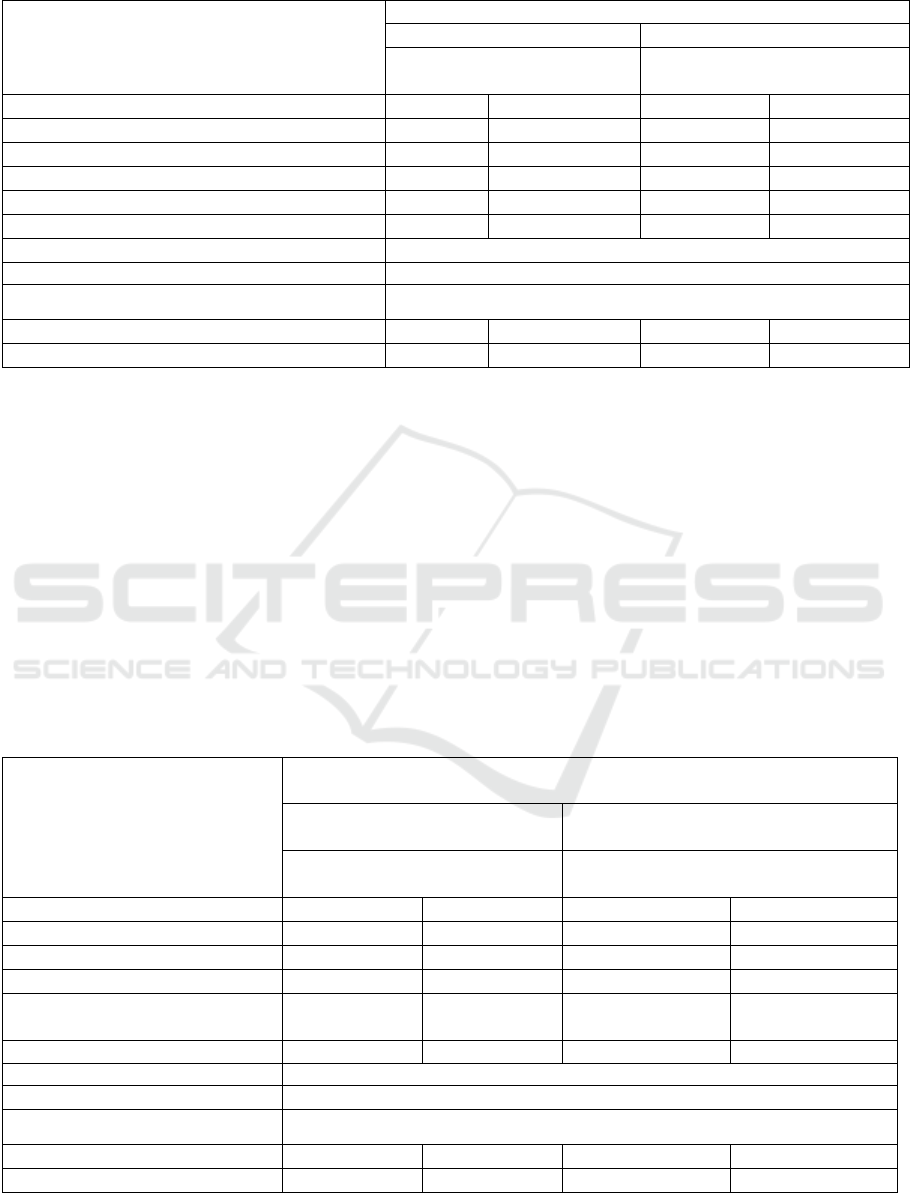
Table 1: Protein amino acid composition of defatted soy flour.
Index
Functional properties of modified soy concentrate and soy concentrate
Inwater
In 2.5% sodium chloride solution
Modified soy Concentrate control Modified soy Concentrate control
pH of 5% suspension
6.9 6.7 6.3 6.2
Solubility at t
0
, %:
20
0
С
51 57 48 46
72
0
С
57 74 51 61
Water retention capacity of the preparation, g water/g
5.0 5.5 4.5 5.0
Emulsion stability at t
0
:
20
0
С Resilient
72
0
С
»
Critical concentration of gelation at t
0
:
»
4
0
С
18.2 16.7
16.7 18.2
20
0
С
18.2 16.7 16.7 19.0
Amino acid composition data indicate that all
samples, regardless of the content of other modified
proteins, contained a full range of essential amino
acids. Minor differences in indicators were due to the
research methodology and did not go beyond the
permissible deviations. The objective of this study was
to investigate protein processing behavior and
determine its key functional properties for combined
meat products containing other plant- derived
proteins.
The studies were carried out in a wide pH range
depending on the salt concentration and temperature
conditions. The fat-holding capacity of the
preparation was 1.0 g oil for both samples. The values
of the indicators of solubility, water retention
capacity and critical concentration of protein gelation
of the modified soybean concentrate are comparable
with the same indicators of the protein of soybean
concentrate produced from local soybean seeds.
When determining emulsion stability, no
stratification of emulsions stabilized by samples of
soy concentrates occurred. The absence of significant
differences in the functional properties of the protein
of modified soy concentrates and exogenous analogs
confirms their identity. The functional properties of
soy concentrate (control) and its modified analogue
are given in Table 2.
Table 2: Indicators of the functional properties of soy concentrate.
Index
Functional properties of modified soy concentrate and soy concentrate
In water
In 2.5% sodium chloride solution
M o d i f i e d s o y c o n c e n t r a t e c o n t r o l M o d i f i e d s o0y Concentrate control
pH of 5% suspension
6.9 6.7 6.3 6.2
Solubility at t
0
, %:
20
0
С
51 57 48 46
72
0
С
57 74 51 61
Water retention capacity of the
preparation, g water/g
5.0 5.5 4.5 5.0
Emulsion stability at t
0
:
20
0
С Resilient
72
0
С
»
Critical concentration of gelation at t
0
:
»
4
0
С
18.2 16.7 16.7 18.2
20
0
С
18.2 16.7 16.7 19.0
Study of the Functional Properties of Soy Protein Additives in Meat Products
303

The fat-holding capacity of the preparation was
1.0 g oil/g preparation for both samples. The values
of the indicators of solubility, water retention
capacity and critical concentration of protein gelation
of the modified soybean concentrate are comparable
with the same indicators of the protein of soybean
concentrate produced from local soybean seeds.
When determining emulsion stability, no
stratification of emulsions stabilized by samples of
soy concentrates occurred. The absence of significant
differences in the functional properties of the protein
of modified soy concentrates and exogenous analogs
confirms their identity.
Studies have shown that the most effective
interaction of plant and meat proteins occurs when
25% of modified soy concentrate is replaced. This
sample was selected for further research. At the
second stage, the objects of study were boiled sausage
"Extra" 1st grade, in the formulation of which there is
no vegetable protein (sample 1-control), the content
of a 25% suspension of modified soy concentrate
(sample 2).
Analysis of the data presented allows us to
characterize samples containing a suspension of
modified soy concentrate and soy concentrate as
having a high yield and a low value of the mass loss
index during heat treatment. Indicators of weight loss
of the studied mincemeat vary from 13% (without
vegetable protein preparation) to 11.2% and 11.3%,
containing suspensions of modified soy concentrate
and soy concentrate, respectively.
4 CONCLUSIONS
The presented data indicate that the introduction of
modified soy concentrate and soy concentrate into the
composition of the minced meat system is
accompanied by a decrease in the values of the cutting
work and shear stress indicators. As a result, the use
of highly functional soy products leads to a
significant improvement in properties that determine
the structural and mechanical characteristics of
combined minced products. The use of 25% modified
soy concentrate and soy concentrate in cooked
sausages improves texture, increases product yield,
makes the product easy to cut.
Thus, in terms of the range of functional properties,
all studied concentrates correspond to soy protein
concentrates produced by traditional technology. A
characteristic feature of the preparations is a slight
dependence of protein solubility on temperature and
sodium chloride content in solution. The research
results indicate a similar behavior of suspensions of
modified soy concentrates and soy concentrates from
soybeans of local varieties in cooked sausages.
REFERENCES
Antipova L.V., Glotova I.A., Use of secondary collagen-
containing raw materials of the meat industry, 384
(GIORD Press, Saint Petersburg, 2006)
Fathullaev A., European Journal of Technical and Natural
Sciences 3, 63-72 (2020)
Fathullaev A., International Journal of Psychosocial
Rehabilitation 24(8), 5858-5864 (2020)
Fathullaev A., Polish Journal of Science 1(24), 23-30
(2020)
Fathullaev A., S.M. Turabjanov, J. Chemistry and
Chemical Technology 4, 74-76 (2008)
Fathullaev A., Turabjanov S.M., International Magazine
Austria, 63-69 (2018)
Golubev V.N., Chicheva-Filatova L.V., Shlenskaya T. V.,
Nutritional and biological active additives, 208
(Academia Press, Moscow, 2003)
Isaev S., Begmatov I., Goziev G., Khasanov S., IАP
Publishing 883(1), 012080 (2020)
Lisitsyn A.B., Lipatov N.N., Kudryashov L. S.,
Aleksakhina V. A., Production of meat products based
on biotechnology, 369 (VNIIMP Press, Moscow,
2005)
Lisitsyn A.B., Processing and use of by-products of the
meat industry and environmental protection, 101
(VNIIMP Press, Moscow, 2000)
Rogov I. A., Technology of meat and meat products, 356
(Kolos Press, Moscow, 2009)
I-CRAFT 2024 - 4th International Conference on Research of Agricultural and Food Technologies
304
