The Effects of Different Organomineral Fertilizer Doses on Forage
Yield and Quality Traits of Second Crop Silage Maize Under Eastern
Mediterranean Conditions
Furkan Aygün, Veyis Tansı
a
and Recep İrfan Nazlı
*
b
Department of Field Crops, Faculty of Agriculture, Cukurova University, Adana, Turkey
Keywords: Silage Maize, Organomineral, Fertilizer, Inorganic, Mediterranean.
Abstract: This research was carried out during the 2020 growing season to investigate the effects of different
organomineral fertilization doses on forage yield and quality traits of second crop silage maize under Eastern
Mediterranean conditions. In the study, a total of 7 different fertilizer treatments were used, including the
control (0 kg ha
-1
N), the recommended inorganic fertilizer N dose (300 kg ha
-1
N), and 5 different
organomineral fertilizer N doses (100, 150, 200, 250, and 300 kg ha
-1
N). Inorganic fertilizer treatment
(INORG) exhibited the highest dry matter yield (13.21 t ha
-1
), followed by 300 kg ha
-1
(13.10 t ha
-1
), 200 kg
ha-1 (12.19 t ha
-1
), 250 kg ha
-1
(12.16 t ha
-1
), and 150 kg ha
-1
(12.01 t ha
-1
) organomineral fertilizer doses,
with slight differences. INORG provided also the highest crude protein content (6.75%), followed by 250 kg
ha-1 (6.46%) and 300 kg ha-1 (6.34%) organomineral fertilizer doses with slight differences. On the other
hand, there was no significant difference between fertilizer treatments in terms of ADF, NDF, and RFV values.
These results showed that 300 and 250 kg ha
-1
organomineral fertilizer treatments may be used successfully
in silage maize cultivation as an alternative to INORG under Eastern Mediterranean conditions.
1 INTRODUCTION
Maize is the most preferred crop for silage production
all over the world because it has a high forage yield
potential, energy, nutrient and DM contents, and low
buffering capacity. When growing silage maize, the
primary source of nutrients is inorganic fertilizers. In
many parts of Turkey, silage maize typically needs
250–300 kg ha
-1
of nitrogen (N) to produce the
optimum forage yield and quality. Given that the soils
in Turkey have a low amount of organic matter and
nutritional minerals, this could be one reason for the
considerable increase in yield (Nazli et al., 2014).
However, excessive application of inorganic
fertilizers leads to environmental pollution, increases
greenhouse gas emissions and production costs,
damages soil structure, and decreases crop yield and
quality (Khan et al., 2008; Nazli et al., 2020).
Within the framework of sustainable agriculture,
raising the amount of organic matter in soils is
a
https://orcid.org/ 0000-0003-0613-4125
b
https://orcid.org/ 0000-0002-6416-6603
*
Corresponding author
essential to improving the soil's structure and crop
yield as well as its quality. As a result, the use of
organomineral fertilizers on agricultural land has
received significant attention in an effort to restore
soil sustainability and fertility and prevent any
environmental problems caused by the excessive use
of inorganic fertilizers. Organomineral fertilizer is a
type of fertilizer produced by combining the minerals
needed by the plant with organic matter produced
from natural resources. Organomineral fertilizer
includes organic matter and humic acid sources,
which regulate and improve soil structure, prevent
soil compaction, provide better aeration, increase the
water retention capacity of the soil, prevent pollution
from chemical fertilizers, and increase crop
productivity (Abdulraheem et al., 2023). In this
context, the aim of this study was to examine the
effects of different organomineral fertilizer doses on
forage yield and quality of silage maize.
132
Aygün, F., Tansı, V. and Nazlı, R.
˙
I.
The Effects of Different Organomineral Fertilizer Doses on Forage Yield and Quality Traits of Second Crop Silage Maize Under Eastern Mediterranean Conditions.
DOI: 10.5220/0014223200004738
Paper published under CC license (CC BY-NC-ND 4.0)
In Proceedings of the 4th International Conference on Research of Agricultural and Food Technologies (I-CRAFT 2024), pages 132-136
ISBN: 978-989-758-773-3; ISSN: 3051-7710
Proceedings Copyright © 2025 by SCITEPRESS – Science and Technology Publications, Lda.
2 MATERIAL AND METHODS
The field experiment was conducted throughout the
2020 growing season at the Çukurova University
Faculty of Agriculture Research and Implementation
Farm. The soil had a sandy clay loam texture with the
following characteristics: low calcareous content
(5.69%), low organic matter content (1.96%), low
available P
2
O
5
(40.7 kg ha
-1
), high available K
2
O
(1763 kg ha
-1
), low salt concentration (0.14
mmhos/cm), and neutral soil pH (7.88). The
Çukurova Region has hot, dry summers and mild,
humid winters, which are indicative of a
Mediterranean climate. The average temperature and
total rainfall throughout the growing season were
28.4 °C and 55.7 mm, respectively. The research
employed two distinct cultivars of silage maize (Kws-
Kilowatt and SY-Inove) as plant material. The
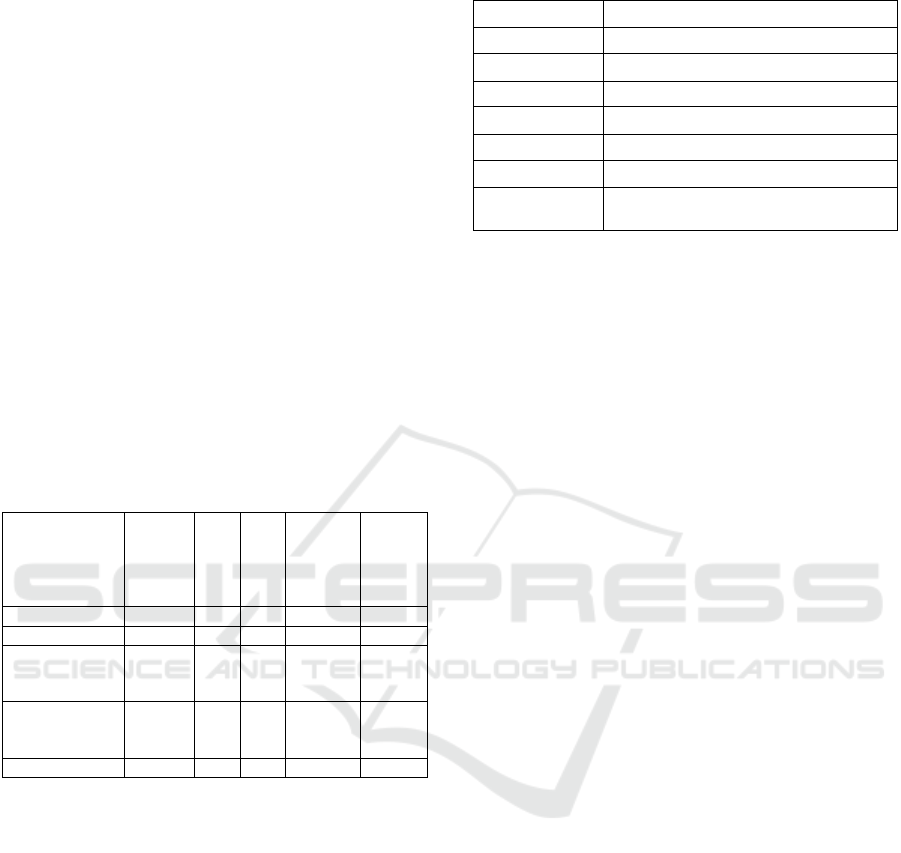
chemical composition of fertilizers used in the study
is presented in Table 1.
Table 1: The description and chemical composition of
fertilizers used in the study.
Fertilizer Type N
(%)
P
(%)
Organic
matter
(%)
Humic
+
Fulvic
Acid
(%)
20-20-0 CBF 20 20 - -
Urea CTF 46 - - -
Triple
superphosphate
(TSP)
CBF
-
42
-
-
(10-10-
0+12SO
3
)+0.1
Zn
OBF
10
10
15
5
30+5SO
3
OTF 30 - 20 5
CBF= Chemical basal fertilizer, CTF= Chemical top
fertilizer, OBF= Organomineral basal fertilizer, OTF=
Organomineral top fertilizer.
In the experiment area, the soil was prepared by
medium-depth (20–25 cm) plowing and harrowing
with a cultivator. Considering that the fertilizer
treatments were the sub-plots and the cultivars were
the main plots, the field experiment was set up using
a split plot design with three replicates. Each plot was
21 m² (4.2 x 5 m), and inter-row spacing and distances
between the rows were 16 and 70 cm, respectively.
On June 20, 2020, a pneumatic drill was used to plant
maize seeds at a depth of around 4 to 5 cm. Table 2
lists the seven distinct fertilization methods employed
in the research.
Table 2: Fertilizer treatments.
Treatments
Control 0 kg ha
-1
N
OMF-100 100 kg ha
-1
N in organomineral form
OMF-150 150 kg ha
-1
N in organomineral form
OMF -200 200 kg ha
-1
N in organomineral form
OMF -250 250 kg ha
-1
N in organomineral form
OMF -300 300 kg ha
-1
N in organomineral form
INORG 300 kg ha
-1
N in inorganic form
(
Nazli et al., 2014
)
During the harvest, ten randomly selected samples
were collected from each plot for post-harvest
analysis. These samples were subsequently chopped,
oven-dried for 48 hours at 65°C, and then ground to
fit through a 1-mm screen. The DM yield was
computed by multiplying the DM content by the
green herbage yield. The Kjeldahl method was used
to assess the samples' N contents. The N content (%)
was multiplied by 6.25 to calculate the crude protein
content. Acid detergent fiber (ADF) and Neutral
detergent fiber (NDF) contents were determined
using the Van Soest (1963) method. Relative feed
value (RFV) was computed using the method outlined
by Rohweder et al. (1978) which included RFV =
(DDM × DMI) / 1.29, where DDM is the percentage
of DM digestibility and DMI is the percentage of
body weight that represents voluntary DM intake.
To estimate the DDM and DMI, the following
equations were utilized:
DDM = 88.9 - (0.779 × ADF)
DMI = 120/NDF.
The combined data of the two cultivars presented
in the study were analysed by an ANOVA model
using the JMP 7.0 statistical software. Significantly
different means were separated at P = 0.05 using the
least significant difference (LSD) test.
3 RESULTS AND DISCUSSION
ANOVA detected that the fertilizer treatments
significantly affected plant height, cob length, cob
diameter, green herbage yield, and DM yield (Table
3). However, the treatment had no clear effect on the
stem diameter of silage maize.
Plant height ranged from 215.7 to 235.2 cm (Table
3). INORG provided the highest plant height,
followed by OMF-300 and OMF-250 with slight
differences, whereas the lowest was in Control.
The Effects of Different Organomineral Fertilizer Doses on Forage Yield and Quality Traits of Second Crop Silage Maize Under Eastern
Mediterranean Conditions
133
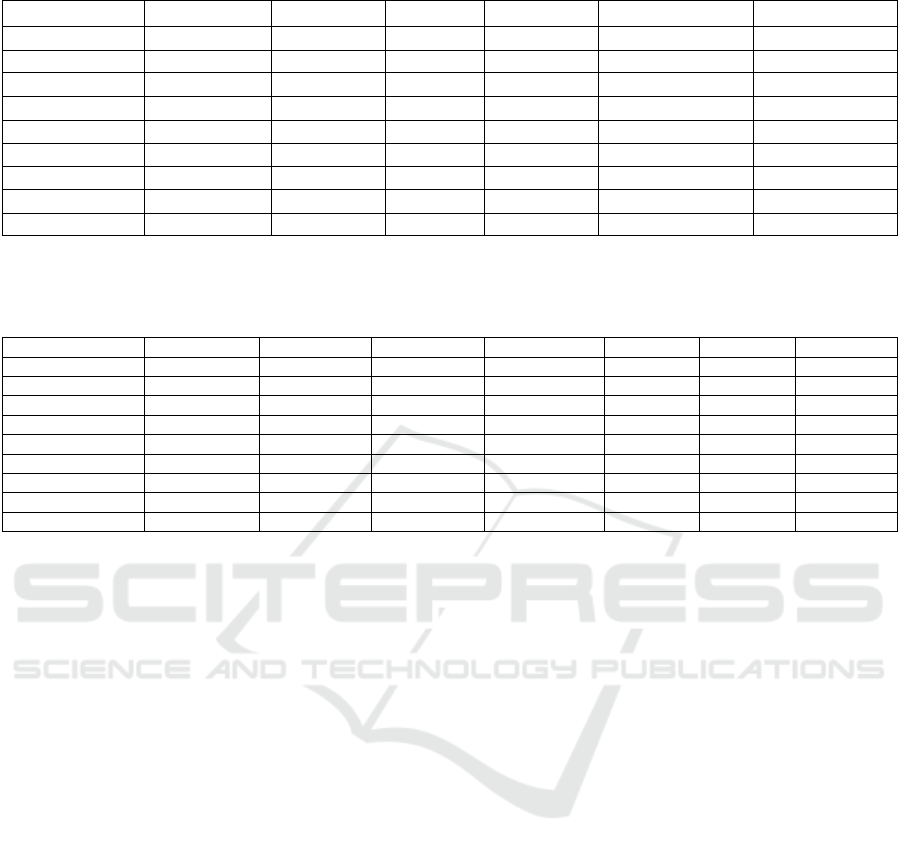
Table 3: The effects of fertilizer treatments on the forage yield and yield parameters of silage maize.
Treatments PH (cm) CL (cm) SD (mm) CD (mm) GHY (kg ha
-1
) DMY (kg ha
-1
)
Control 215.7 D 22.7 C 20.4 43.9 D 3057 D 983 C
OMF-100 222.0 C 24.9 AB 22.1 46.5 C 3351 CD 1090 BC
OMF -150 224.0 BC 24.3 B 21.9 47.6 ABC 3525 C 1201 AB
OMF -200 223.5 BC 24.3 B 21.5 47.0 BC 3722 ABC 1219 AB
OMF -250 232.2 AB 24.6 AB 22.3 48.6 AB 3705 BC 1216 AB
OMF -300 233.8 A 25.6 A 22.5 49.2A 4008 AB 1310 A
INORG 235.2 A 25.5 A 22.3 48.7 AB 4162 A 1321 A
Mean 226.6 24.6 21.8 47.4 3647 1192
P-Value ** ** NS ** ** **
*= P < 0.05, **= P < 0.01, NS = not significant, PH = Plant Height, CL = Cob Length, SD = Stem Diameter, CD = Cob Diameter, GHY =
Green Herbage Yield, DMY = Dry Matter Yield.
Table 4: The effects of fertilizer treatments on the forage quality parameters of silage maize.
Treatments LF (%) SR (%) CR (%) CP (%) ADF (%) NDF (%) RFV
Control 19.8 44.8 A 35.4 B 5.2 D 32.9 53.8 109.6
OMF-100 20.1 43.0 ABC 36.9 AB 5.7 CD 33.1 52.4 112.3
OMF-150 19.4 43.7 ABC 36.9 AB 5.9 BC 33.7 52.8 110.7
OMF-200 19.4 43.9 AB 36.7 AB 5.9 BC 33.7 55.1 106.0
OMF-250 19.2 42.3 BC 38.5 A 6.5 AB 33.4 53.3 110.3
OMF-300 19.4 41.9 C 38.7 A 6.3 AB 32.7 53.1 111.4
INORG 19.5 42.1 BC 38.5 A 6.89 A 32.1 52.0 114.7
Mean 19.5 43.1 37.4 6.06 33.1 53.2 110.7
P-Value NS * * ** NS NS NS
*= P < 0.05, **= P < 0.01, NS = not significant, LF = Leaf ratio, SF = Stem ratio, CR = Cob ratio, CP = Crude protein, RFV
= Relative feed value.
Cob length ranged between 22.7 and 25.6 cm
(Table 3). Cob length was found to be highest with
OMF-300, followed by INORG and OMF-250 with
slight differences, while Control showed the
significantly lowest value in the study.
Stem diameter varied from 20.4 to 22.5 mm
(Table 3). OMF-300 exhibited the highest stem
diameter, whereas the lowest was observed in
Control.
Cob diameter varied between 43.9 and 49.2 mm
(Table 3). As with cob length, OMF-300 gave the
highest cob diameter, followed by INORG and OMF-
250 with slight differences, while the lowest value
was observed in Control.
Green herbage yield ranged from 3057 to 4162 kg
ha
-1
(Table 3). As with plant height, the highest green
herbage yield was achieved with INORG, followed
by OMF-300 with a slight difference, whereas the
lowest was in Control.
DM yield ranged between 983 and 1321 kg ha
-1
(Table 3). As with plant height and green herbage
yield, INORG exhibited the highest DM yield,
followed by OMF-300, OMF-200, OMF-250, and
OMF-150 with slight differences, while the lowest
DM yield was obtained from the control.
Plant height, cob length, and cob diameter were
generally increased with each increase in N
fertilization dose, probably due to the favorable effect
of N fertilization on vegetative growth of the crop.
Our results were supported by those reported by
Demir et al. (2021) in which increasing N fertilization
doses positively affected the plant height, cob length,
and cob diameter of silage maize in Ankara, Turkey.
Additionally, green herbage yield showed a generally
increasing trend with each increase in N fertilization
dose associated with the increases in plant height, cob
length, and cob diameter. On the other hand,
organomineral fertilizer treatments significantly
increased green herbage and DM yields of silage
maize compared to the control treatment, but they
gave statistically similar values to the INORG. Our
results coincide with those reported by Smith et al.
(2015), which suggested that organomineral
fertilization doses produced similar green herbage
and DM yields in silage maize to INORG in North-
western England.
The fertilizer treatments significantly affected
stem and cob ratios and crude protein content, while
they had no evident effect on leaf ratio, the contents
of ADF and NDF, and RFV (Table 4).
Leaf ratios that were achieved from the silage
maize were observed to be in the range of 19.2%–
20.1% in the study (Table 4). OMF-100 attained the
I-CRAFT 2024 - 4th International Conference on Research of Agricultural and Food Technologies
134

highest leaf ratio, whereas the lowest was in OMF-
250.
Stem ratio was in the range of 41.9% - 44.8%
(Table 4). Control attained the significantly highest
stem ratio, followed by OMF-200 and OMF-100, and
OMF-200 with slight differences, whereas the lowest
was in OMF-300. Stem ratio generally tended to
decrease with each increase in N fertilization dose.
These results are supported by those reported by
Carpici (2009) and Ugurlu (2017) in that increasing
N fertilization rates significantly decreased the stem
ratio of silage maize in Bursa, Turkey
Cob ratio ranged from 35.4% to 38.5% (Table 4).
The Cob ratio was highest with INORG, followed by
OMF-300, OMF-250, OMF-100, OMF-150, and
OMF-200, with slight differences, while the control
exhibited the lowest value. Unlike in stem ratio, cob
ratio exhibited an increasing trend with increased N
dose, mainly due to the positive effect of N
fertilization on cob length and cob diameter. Our
results coincide with those of Kaplan et al. (2016),
who reported that increased N doses significantly
enhanced the cob ratio of silage maize in Kayseri,
Turkey.
Crude protein content ranged between 5.2% and
6.8% in the study (Table 4). As with cob ratio,
INORG showed the highest crude protein content,
followed by OMF-250 and OMF-300 with slight
differences, whereas the lowest value was observed
in the Control. Crude protein content was
significantly increased by N fertilization doses from
100 to 250 kg ha
-1
, while an additional N dose (300
kg ha
-1
) did not cause any further significant
increases. These results conflicted with those reported
by Karagöz et al. (2019), in which crude protein
content significantly enhanced with each increase in
N fertilization doses in Kayseri, Turkey.
ADF content varied from 32.1% to 33.7% in the
study (Table 4). OMF-150 gave the highest value,
whereas the lowest was in INORG.
NDF content varied between 52.0% and 55.1% in
the study (Table 4). OMF-200 attained the highest
value, whereas the lowest was in the INORG.
RFV ranged from 106.0 to 114.7 in the study
(Table 4). As with cob ratio and crude protein content,
INORG provided the highest RFV, while the lowest
RFV was observed in OMF-200.
ADF and NDF contents and RFV were not
significantly affected by fertilizer treatments in the
study. Our results are in agreement with those
reported by Demir et al. (2021) in Ankara, in which
N fertilization had no clear effect on ADF and NDF
contents and RFV of silage maize.
4 CONCLUSIONS
Considering the yield parameters examined in the
study, OMF-300 provided similar green herbage yield
with INORG, and OMF-300 and OMF-250 exhibited
similar DM yields with INORG. In terms of forage
quality parameters, OMF-300 and OMF-250
achieved similar crude protein content with INORG,
while no significant difference was detected between
INORG and OMF doses in terms of the contents of
ADF and NDF, RFV, and leaf and stem ratios. These
results show that OMF-300 and OMF-250 can be
successfully applied in silage maize cultivation in
order to reduce both environmental problems caused
by inorganic fertilizers and production costs under
Eastern Mediterranean conditions.
ACKNOWLEDGEMENTS
We are grateful that this study was funded by the
Cukurova University (BAP), Adana, Turkey's
Scientific study Project Unit (project number FYL-
2019-12319).
REFERENCES
Abdulraheem, M.I., Hu, J., Ahmed, S., Li, L., Naqvi,
S.M.Z.A., 2023. In Organic Fertilizers-New Advances
and Applications. Intech Open 1-20.
Çarpıcı, E.B., 2009. Bitki Yoğunluğu ve Farklı Miktarda
Azot Uygulamalarının Stres Fizyolojisi Açısından
Silajlık Mısır Yetiştiriciliğinde Değerlendirilmesi.
Master’s thesis. Uludağ university.
Demir, Z., Keçeci, M., Tunç, A.E., 2021. Effects of
nitrogen fertigation on yield, quality components, water
use efficiency and nitrogen use efficiency of silage
maize (Zea Mays L.) as the second crop. Journal of
Plant Nutrition, 44, 373-394.
Kaplan, M., Baran, O., Unlukara, A., Kale, H., Arslan, M.,
Kara, K., Beyzi, S.B., Konca, Y., Ulas, A., 2016. The
effects of different nitrogen doses and irrigation levels
on yield, nutritive value, fermentation and gas
production of corn silage. Turkish Journal of Field
Crops, 21, 101-109.
Karagöz, Ş.M., Uzun, S., Özaktan, H., Uzun, O., Güneş, A.,
2019. Kayseri Yeşilhisar ekolojik koşullarında farklı
azotlu gübre kaynakları ve dozlarının silajlık mısırın
bazı verim ve kalite özelliklerine etkisi. ÇOMÜ Ziraat
Fakültesi Dergisi, 7, 349-356.
Khan, H.Z., Malik, M.A., Saleem, M.F., 2008. Effect of rate
and source of organic material on the production
potential of spring maize (Zea mays L.) Pak J Agric
Sci., 45, 40–43.
The Effects of Different Organomineral Fertilizer Doses on Forage Yield and Quality Traits of Second Crop Silage Maize Under Eastern
Mediterranean Conditions
135

Nazli, R.I., Kuşvuran A., Inal, I., Demirbaş, A., Tansi, V.,
2014. Effects of different organic materials on forage
yield and quality of silage maize (Zea mays L.). Turkish
Journal of Agriculture and Forestry, 38, 23-31.
Nazli, R.I., Tansi, V., Gulnaz, O., Kafkas, E., Kusvuran, A.,
Ozturk, H. H., & Bostan Budak, D., 2020. Interactive
effects of nitrogen and humic substances applications
on bioethanol production from sweet sorghum and
combustion characteristics of its bagasse. Agronomy,
10(9), 1397.
Rohweder, D., Barnes, R.F., Jorgensen, N., 1978. Proposed
hay grading standards based on laboratory analyses for
evaluating quality. Journal of Animal Science, 47, 747-
759.
Smith, G.H., Chaney, K., Murray, C., Le, M.S., 2015. The
effect of organo-mineral fertilizer applications on the
yield of winter wheat, spring barley, forage maize and
grass cut for silage. Journal of Environmental
Protection, 6, 103-109.
Soest, P.V., 1963. Use of detergents in the analysis of
fibrous feeds. II. A rapid method for the determination
of fiber and lignin. Journal of the Association of official
Agricultural Chemists, 46, 829-835.
Uğurlu, H., 2017. Silajlık Mısırda Farklı Azot Dozlarının
Azot Kullanım Etkinliği, Verim ve Kalite Üzerine
Etkilerinin Belirlenmesi. Master's Thesis, Uludağ
university.
I-CRAFT 2024 - 4th International Conference on Research of Agricultural and Food Technologies
136
